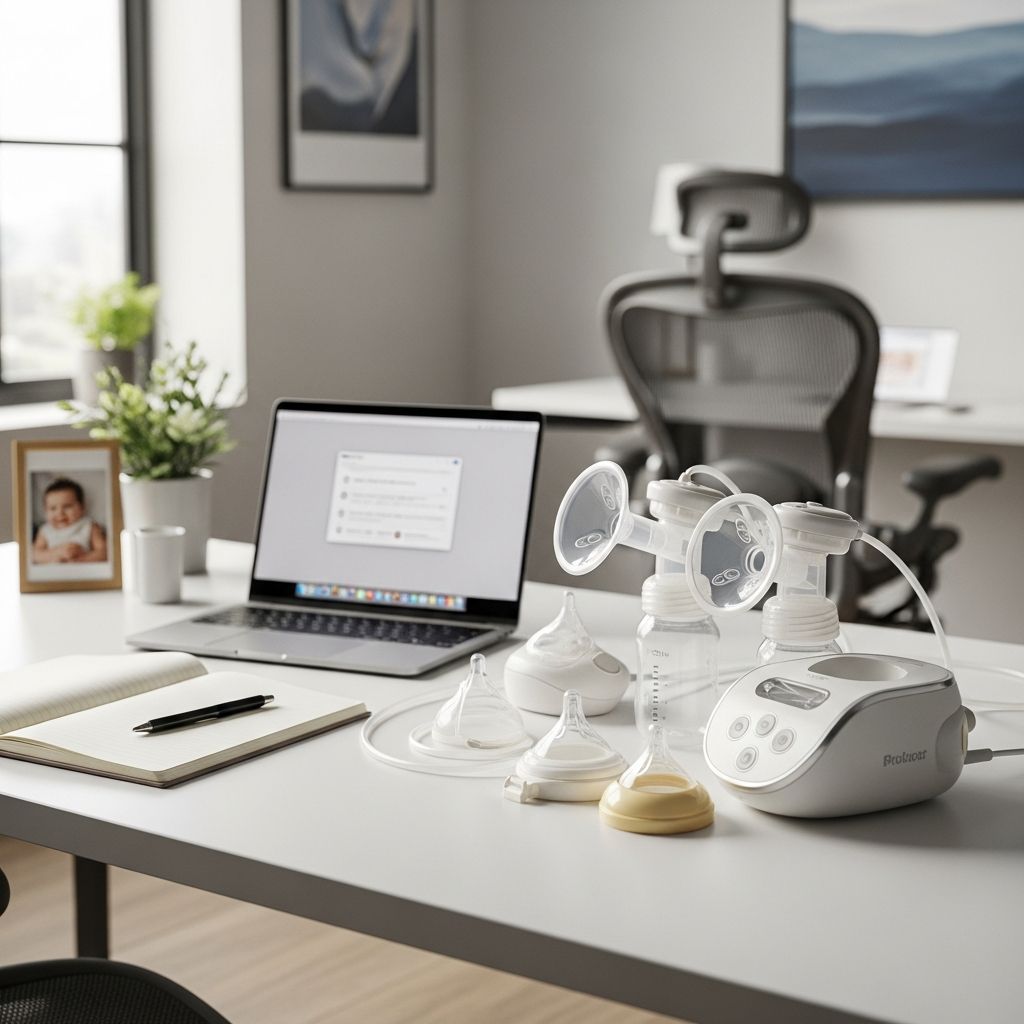
Returning to work while committed to breastfeeding presents unique challenges, but with proper planning, many parents successfully continue providing breast milk to their babies. This guide draws on recommendations from lactation experts to help you build a sustainable routine that supports both your milk production and professional responsibilities.
Building a Strong Foundation Before Your Return
Preparation is key to a seamless shift from direct nursing to pumping. Start establishing habits weeks in advance to stockpile milk and acclimate your baby to bottles.
- Initiate pumping sessions early: Begin 2-4 weeks prior to your return date. Pump after morning feeds when supply is often highest, or express from the unused breast during nursing.
- Introduce bottle feeding gradually: Offer bottles daily using paced feeding techniques to mimic breastfeeding flow, preventing preference for faster bottle flow.
- Test half-day separations: Practice being away from your baby to observe their response and refine your mobile pumping setup.
Consult a lactation specialist during this phase to personalize your approach, addressing any latch or supply concerns promptly.
Selecting Essential Pumping Gear
Quality equipment reduces stress and maximizes efficiency. Invest in tools that fit your workday demands.
| Item | Key Features | Benefits |
|---|---|---|
| Double Electric Pump | Hospital-grade suction, portable | Fast sessions (15-20 min), maintains supply |
| Hands-Free Bra | Adjustable cups, supportive | Allows multitasking during pumps |
| Storage Bags/Bottles | BPA-free, leak-proof | Safe refrigeration/freezing |
| Insulated Cooler Bag | Ice packs included | Keeps milk cold for 8+ hours |
Experiment with pump settings: higher speed for let-down, then slower for expression. Clean parts after each use to prevent bacterial growth.
Crafting Your Pumping Schedule
A consistent schedule aligned with your baby’s feeding pattern prevents engorgement and sustains supply. Most babies feed every 2-3 hours, so aim for similar intervals.
For an 8-hour workday:
- Morning pump before leaving (post-nursing if possible).
- 2-3 sessions at work: e.g., mid-morning, lunch, afternoon.
- Evening pump after pickup to replenish.
Adjust based on output:
- <3 oz per session: Pump every 2-3 hours, add home sessions.
- 3-5 oz: Every 3-4 hours.
- 5+ oz: Every 4-5 hours; monitor for oversupply.
Block time in your calendar and inform your supervisor. Sessions last 15-30 minutes, including setup/cleanup.
Navigating Workplace Logistics and Rights
Under laws like the PUMP Act, employers must provide private, non-bathroom spaces, refrigeration, and break time for pumping.
- Contact HR early: Tour potential spaces, confirm sink/fridge access.
- Discuss with supervisor: Request schedule adjustments if breaks don’t align.
- Create a relaxing setup: Use photos of baby, soothing sounds for let-down.
Snack on oats, nuts, and hydrate well during sessions to boost production.
Helping Your Baby Adapt to Bottles and Caregivers
Ensure smooth handoffs by selecting breastfeeding-friendly childcare and practicing transitions.
- Choose providers who follow your feeding cues and store milk properly.
- Test bottles/nipples for best fit; slower flow reduces nipple confusion.
- Provide 10-12 oz for a 10-hour separation, plus extras.
Reconnect with skin-to-skin evenings to reinforce bonding.
Managing Milk Supply and Common Challenges
Monitor for dips: pump extra on off-days if needed. Address issues like low output by increasing frequency or consulting pros.
- Oversupply: Pump shorter sessions; seek consultant for block feeding.
- Engorgement/Pain: Warm compresses pre-pump, cold post.
- Emotional strain: Prioritize self-care; separation anxiety is normal first week.
Long-Term Strategies for Balance
Gradually return: part-time first if possible. Wean pumping sessions later by dropping one weekly while nursing more. Track intake/output to ensure adequacy.
Frequently Asked Questions (FAQs)
What if my workplace lacks a pumping space?
Advocate via HR citing PUMP Act rights; request modifications like locked offices.
How often should I pump exactly?
Match baby’s feeds: typically 2-3 times in 8 hours, plus home sessions.
Can I reduce pumping sessions over time?
Yes, drop gradually post-return to maintain supply while increasing direct feeds.
What snacks help milk production?
Oats, almonds, leafy greens; stay hydrated.
Is it okay if baby refuses bottles initially?
Persist with paced feeding; consult lactation expert if prolonged.
References
- Preparing for the Transition: Going Back to Work While Breastfeeding — Pediatric Partners. 2023. https://www.pedpartners.com/pediatrics-blog/preparing-for-the-transition-going-back-to-work-while-breastfeeding/
- How to handle pumping at work: 5 tips for breastfeeding moms — UT Southwestern Medical Center. 2023-10-12. https://utswmed.org/medblog/how-handle-pumping-work-6-tips-breastfeeding-moms/
- Breastfeeding and going back to work — The Lactation Network. 2024. https://lactationnetwork.com/blog/breastfeeding-and-going-back-to-work/
- Breastfeeding While Returning to Work: Make Your Plan — Metro Pediatrics. 2023. https://www.metropediatrics.com/pediatric-blog/breastfeeding-and-going-back-to-work/
- Breast Milk Pumping Schedule For Going Back to Work — Mamava. 2024. https://www.mamava.com/mamava-blog/breast-milk-pumping-schedule-for-work
- Breastfeeding and Returning to Work — Children’s Hospital of Philadelphia. 2023. https://www.chop.edu/centers-programs/breastfeeding-and-lactation-program/breastfeeding-and-returning-work