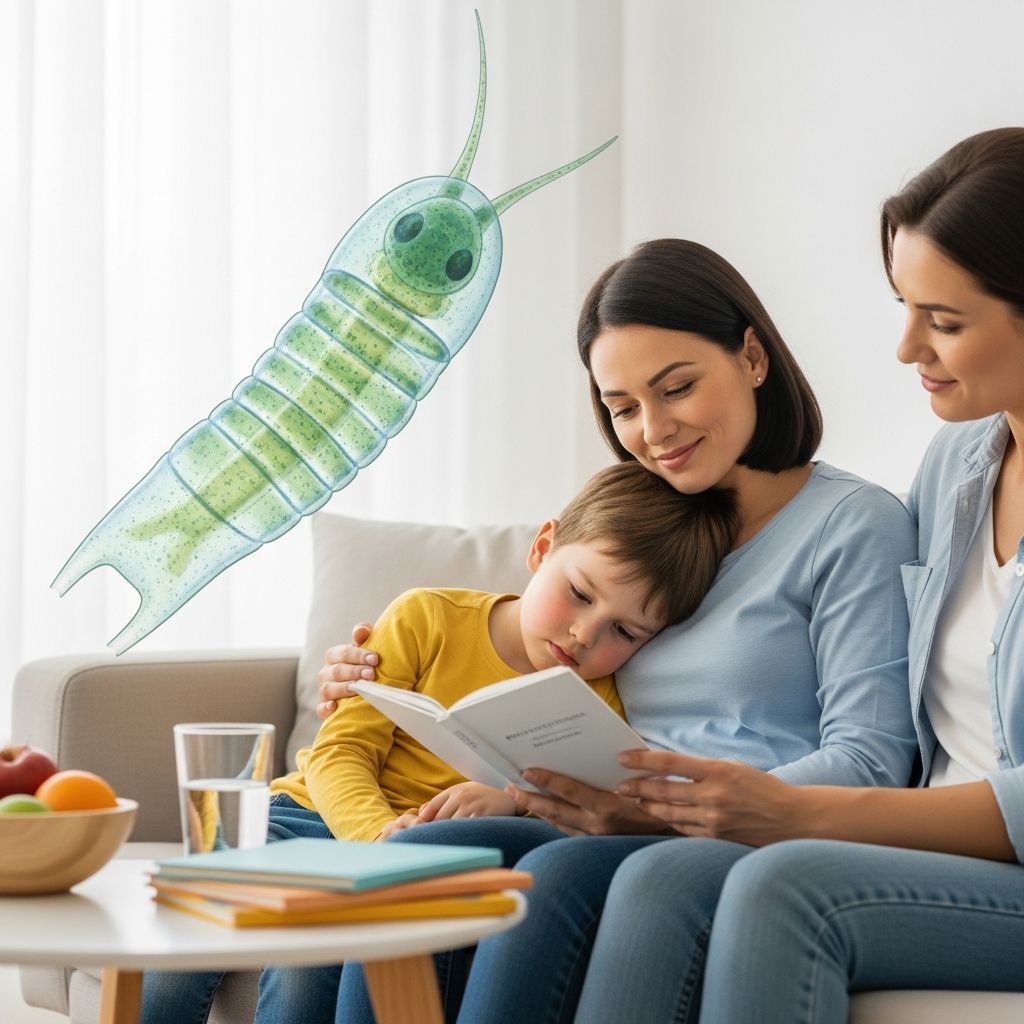
Giardiasis is a common intestinal infection that can cause days or even weeks of stomach troubles in children. It is caused by a tiny parasite that lives in the gut and spreads easily through contaminated water, food, and unwashed hands. Understanding how it spreads, what signs to look for, and how it is treated can help families respond quickly and prevent it from affecting others.
What Is Giardiasis?
Giardiasis is an infection of the small intestine caused by the parasite Giardia. This parasite is too small to see without a microscope, but it can cause big problems in a child’s digestive system. When the parasite settles in the intestine, it interferes with the body’s ability to absorb nutrients and fluids properly, leading to diarrhea and other uncomfortable symptoms.
The infection can affect people of any age, but it is especially common in young children who attend daycare or preschool, frequently put their hands in their mouths, and may not yet have good handwashing habits. It is also more common in areas where drinking water or recreational water (such as lakes and rivers) may contain the parasite.
How Children Catch Giardia
Giardia spreads through the “fecal–oral” route, which means the parasite leaves the body in stool and enters someone else’s mouth through contaminated hands, objects, food, or water. The parasite can survive for a long time outside the body, especially in moist environments and cool water.
Common Sources of Infection
- Contaminated water: Drinking untreated water from lakes, rivers, streams, or poorly treated tap water.
- Recreational water: Swallowing water in pools, splash pads, hot tubs, lakes, or rivers that contain the parasite.
- Person-to-person spread: Close contact in settings like daycare, where diapers are changed frequently and infection control may be challenging.
- Contaminated food: Eating food handled by someone who did not wash their hands after using the bathroom or changing a diaper.
- Contact with animals: Handling infected animals or their stool, especially in areas with poor sanitation.
Because it takes only a small number of parasites to cause infection, giardiasis can spread quickly when hygiene habits and cleaning practices are not consistent.
Who Is Most at Risk?
Any child can get giardiasis, but some are more likely to be exposed than others. Recognizing risk factors helps families be more cautious in certain settings and situations.
- Children younger than 5 years in daycare or preschool, especially in rooms where diapers are changed.
- Kids who play in or swallow water from lakes, streams, or poorly maintained pools.
- Families traveling to regions where water treatment and sanitation systems may be less reliable.
- Children with weaker immune systems, who may have more severe or longer-lasting symptoms.
- Households where someone already has giardiasis, increasing the chance of spread to siblings and caregivers.
Signs and Symptoms in Children
Some children infected with Giardia feel completely fine and have no symptoms at all. Even without symptoms, they can still pass the parasite in their stool and infect others. When symptoms do appear, they may come on gradually and can be mistaken for a simple stomach bug at first.
Common Symptoms
- Watery, loose, or greasy stools that may have a strong or unpleasant odor.
- Frequent diarrhea that persists for several days or more than a week.
- Stomach cramps or pain, often around the belly button or upper abdomen.
- Gas, bloating, and excessive burping.
- Nausea, and sometimes vomiting.
- Decreased appetite and early fullness when eating.
Longer-Term Effects if Untreated
If giardiasis goes untreated for a longer time, the constant diarrhea and poor absorption of nutrients can cause more serious problems, especially in young children who are still growing.
- Weight loss or poor weight gain.
- Low energy and fatigue.
- Irritability and fussiness.
- In some cases, slowed growth or signs of vitamin and mineral deficiencies.
Symptoms may come and go. A child might have a few days of diarrhea, seem better for a short period, and then experience symptoms again. This on-and-off pattern can be a clue that a parasite, rather than a simple short-lived virus, may be involved.
When to Call the Doctor
Parents should contact a healthcare provider whenever a child has diarrhea that does not improve within several days, or if the child appears sick or uncomfortable. Immediate medical attention is especially important if there are signs of dehydration.
Urgent Warning Signs
- Very dry mouth and lips or no tears when crying.
- Urinating less often, or very dark yellow urine.
- Sunken eyes or a sunken soft spot on top of a baby’s head.
- Extreme tiredness, drowsiness, or difficulty waking up.
- Blood in the stool or black, tar-like stools.
- Severe or worsening belly pain.
If several family members or children in the same daycare room develop similar symptoms, a healthcare provider should be informed. This can help identify an outbreak and prevent further spread.
How Giardiasis Is Diagnosed
To diagnose giardiasis, a healthcare provider typically needs a sample of the child’s stool. The sample is examined in a laboratory to look for Giardia parasites or antigens (proteins from the parasite). Because the parasite may not show up in every stool sample, more than one sample on different days may be requested.
Common Diagnostic Methods
- Microscopic examination: Lab professionals look for cysts or active forms of the parasite in the stool.
- Stool antigen tests: Special tests detect Giardia-specific proteins and may be more sensitive than microscopy alone.
- Additional tests in complex cases: In rare cases, if diagnosis is uncertain and symptoms are severe or long-lasting, further tests of the small intestine may be considered.
Parents can make the testing process easier by following instructions carefully, such as collecting the sample in a clean container and keeping it cool until it reaches the laboratory.
Treatment Options for Children
Treatment for giardiasis usually involves prescription medications that kill the parasite and help stop diarrhea. A healthcare provider chooses the medication and dose based on the child’s age, weight, and overall health. Completing the full course of medicine is important, even if the child starts feeling better quickly.
Typical Treatment Goals
- Clear the parasite from the child’s intestines.
- Reduce or stop diarrhea and stomach symptoms.
- Prevent dehydration and support normal growth and nutrition.
Medications Often Used
Several types of antiparasitic medications can be prescribed for giardiasis. Each has specific dosing schedules, possible side effects, and age-related considerations. Some are given for several days; others may be given as a single dose, depending on the product and the child’s needs. The healthcare provider will explain how and when to give each dose and what side effects to monitor.
In many children, symptoms begin to improve within a few days of starting treatment. However, mild digestive problems may take a little longer to fully settle, especially if the infection has lasted for several weeks.
Home Care: Comfort and Hydration
Medication alone is not enough; good home care helps a child recover more quickly and stay safe while the infection clears. The most important part of home care is maintaining hydration and providing gentle nutrition.
Hydration Tips
- Offer small, frequent sips of fluids (water or oral rehydration solutions) throughout the day.
- Ask the healthcare provider about suitable oral rehydration solutions, especially if diarrhea is frequent.
- Limit sugary drinks and fruit juices, which may worsen diarrhea for some children.
- Encourage older children to drink a little bit after every loose stool.
Food Choices During Recovery
- Start with bland, easy-to-digest foods like rice, toast, bananas, applesauce, and plain crackers.
- Offer small meals and snacks rather than large portions.
- Gradually reintroduce other foods as the child’s appetite returns.
- Check with a healthcare provider about milk and dairy foods if they seem to trigger more gas or discomfort.
Rest is also important. A child with giardiasis may be more tired than usual, and quiet activities and extra sleep can help the body heal.
Preventing Spread at Home and School
Because Giardia spreads easily, preventing it from moving through households, classrooms, and childcare centers requires consistent hygiene and cleaning habits. Parents, caregivers, and teachers all play a role.
Handwashing Habits
- Teach children to wash hands with soap and water for at least 20 seconds after using the bathroom, after diaper changes, and before eating.
- Help younger children wash their hands properly and supervise them regularly.
- Use handwashing instead of hand sanitizer whenever possible, especially when hands are visibly dirty.
Cleaning and Disinfection
- Disinfect bathroom surfaces, toilet seats, and diaper changing areas frequently.
- Wash soiled clothing, bedding, and towels in hot water and detergent.
- Dispose of diapers in a covered trash container and wash hands immediately afterward.
- Keep children with diarrhea home from school or daycare until cleared by a healthcare provider or until symptoms improve.
Safe Water and Food Practices
- Avoid drinking untreated water from lakes, rivers, or streams.
- When traveling or hiking, use filtered, boiled, or appropriately treated water.
- Do not allow children to swallow pool or splash pad water.
- Wash fruits and vegetables thoroughly, especially if eaten raw.
Giardiasis and Daycare Settings
Daycare and preschool environments are common places where giardiasis can spread because many children share toys, bathrooms, and play areas. When one child has giardiasis, others in the same class may be at increased risk.
| Area of Focus | Recommended Practices |
|---|---|
| Hand hygiene | Staff and children wash hands with soap and water after bathroom use, diaper changes, and before meals. |
| Diaper changing | Use a designated changing area with disposable liners; clean and disinfect surfaces between each use. |
| Toys and surfaces | Clean and disinfect shared toys and frequently touched surfaces daily or more often during outbreaks. |
| Sick policies | Exclude children with diarrhea until they are symptom-free or cleared by a healthcare provider. |
| Communication | Notify parents and staff promptly if multiple cases are suspected to encourage prompt medical evaluation. |
Recovery and Long-Term Outlook
With appropriate treatment and good supportive care, most children recover fully from giardiasis and return to their usual activities. Diarrhea typically improves within days, and energy and appetite gradually return as the infection clears.
In some cases, symptoms may last longer or come back after seeming to improve. This may happen if the parasite was not completely cleared, if the child becomes reinfected, or if there are other underlying digestive conditions. Follow-up with a healthcare provider is important if symptoms do not resolve as expected.
Frequently Asked Questions (FAQs)
1. Can a child have giardiasis without diarrhea?
Yes. Some children carry the Giardia parasite without having obvious symptoms. Even without diarrhea, they can still pass the parasite in their stool and infect others, especially in close-contact settings like daycare or at home.
2. How long is giardiasis contagious?
Children can pass Giardia in their stool as long as the parasite remains in their intestines. This can begin before symptoms start and continue for several weeks without treatment. Proper handwashing, cleaning, and completion of prescribed medication all help shorten the contagious period.
3. Can my child go to school or daycare with giardiasis?
Most policies recommend keeping children with active diarrhea at home. Once the child’s symptoms have improved and they can participate comfortably in activities, they may usually return, following the advice of the healthcare provider and local childcare guidelines.
4. Is giardiasis dangerous?
Giardiasis is uncomfortable and, if untreated, can lead to dehydration and poor growth, especially in young children. However, with early diagnosis, proper treatment, and good hydration, it is usually manageable and rarely life-threatening in otherwise healthy children.
5. Can my child get giardiasis more than once?
Yes. Previous infection does not always provide lasting protection. Children can get giardiasis again if they are exposed to contaminated water, food, or surfaces, or if they have close contact with someone currently infected.
6. Should the whole family be tested?
In some situations, especially when multiple family members have symptoms, a healthcare provider may recommend testing or treatment for more than one person. The decision depends on who is sick, how severe the symptoms are, and the risk of ongoing spread within the household.
7. Are home water filters enough to prevent giardiasis?
Not all home water filters remove Giardia. Filters must be certified to remove parasites or have very small pore sizes to be effective. Boiling water or using appropriately certified filters, especially for vulnerable children or when water quality is uncertain, offers better protection.
Key Takeaways for Parents
- Giardiasis is a common cause of prolonged diarrhea and stomach problems in children, especially those in group care settings.
- Good handwashing, safe water practices, and careful cleaning of bathrooms and diaper areas are essential for prevention.
- Prompt medical evaluation, proper testing, and completion of prescribed medications help children recover fully and reduce spread to others.
- Ongoing communication between parents, healthcare providers, and childcare centers supports early detection and effective control of giardiasis in the community.