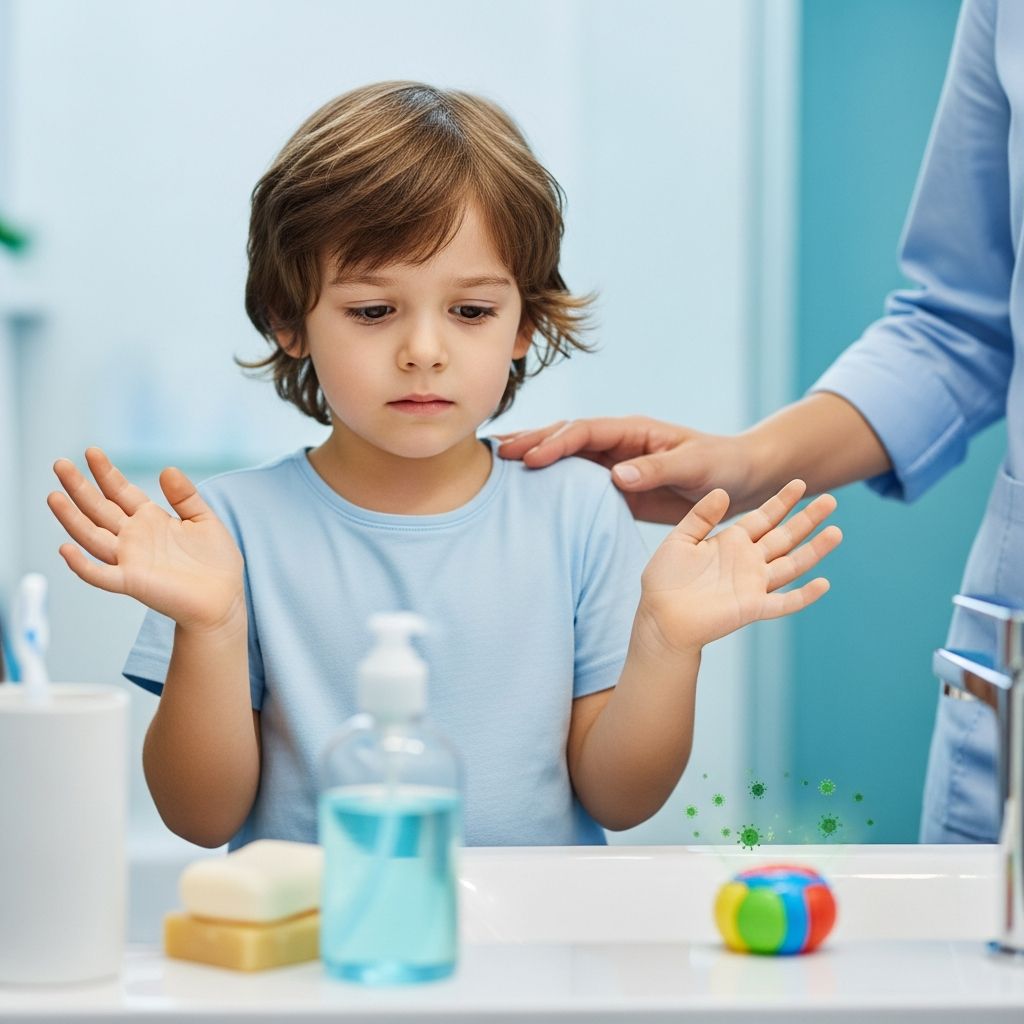
Extreme fear of germs, known as germaphobia or mysophobia, can significantly disrupt a child’s daily life, leading to avoidance behaviors and heightened anxiety. Parents play a crucial role in recognizing early signs and guiding their child toward healthier responses through empathy, education, and gradual exposure techniques.
Recognizing the Signs of Germaphobia in Kids
Children with germaphobia often exhibit behaviors that go beyond normal hygiene practices. Unlike typical caution, such as handwashing after using the bathroom, germaphobic kids may scrub their hands repeatedly until skin cracks, driven by overwhelming dread of contamination.
Key indicators include:
- Persistent worries about illness from invisible germs, even in clean environments.
- Avoidance of public spaces like stores, schools, or playgrounds perceived as risky.
- Refusal to touch shared objects, such as doorknobs, railings, or toys used by others.
- Frequent requests for reassurance, like “Are my hands clean now?” or “Will this make me sick?”
- Physical reactions including rapid heartbeat, sweating, nausea, or trembling upon germ exposure.
These signs intensify during high-stress periods, such as flu season or post-pandemic awareness, impacting school attendance, friendships, and family outings. Early detection prevents escalation into broader anxiety issues.
Physical and Emotional Toll on Young Lives
The physical manifestations mirror general anxiety responses: shortness of breath, muscle tension, dizziness, and gastrointestinal distress. In children, these may manifest as tantrums, clinging to parents, sleep disturbances, or nervous tics.
Emotionally, germaphobia erodes self-confidence, fostering isolation as kids withdraw from peers to evade perceived threats. Teens might skip classes or social events, leading to academic decline and low self-esteem.
| Symptom Type | Examples in Children | Potential Long-Term Effects |
|---|---|---|
| Behavioral | Excessive sanitizing, avoiding handshakes | Social withdrawal, missed opportunities |
| Emotional | Intense terror, intrusive illness thoughts | Anxiety disorders, depression risk |
| Physical | Chapped skin from washing, headaches | Skin infections, chronic fatigue |
This table highlights how unchecked fears compound, underscoring the need for timely parental action.
Unpacking the Root Causes
Germaphobia rarely emerges in isolation. Genetic predisposition plays a part; children with family histories of anxiety or phobias are more vulnerable. Environmental triggers, like overzealous parental hygiene modeling or exposure to health scares via media, can amplify fears.
Traumatic events, such as a severe illness in the family or a personal hospitalization, often serve as catalysts. For instance, a child recovering from food poisoning might generalize fear to all external food sources.
Importantly, germaphobia frequently overlaps with obsessive-compulsive disorder (OCD), where contamination obsessions drive compulsive cleaning rituals. Distinguishing this requires professional assessment, as OCD involves irresistible urges beyond rational fear.
When Healthy Caution Crosses into Phobia
Not all hygiene focus signals a problem. Balanced kids wash hands before meals without distress. The threshold for concern is interference: if fears dictate routines, limit activities, or cause family strain, intervention is warranted.
- Normal: Handwashing 3-4 times daily in context.
- Problematic: Hourly washing with ritualistic counting or perfectionism.
- Severe: Inability to leave home without sanitizing everything.
Parents should track frequency and impact over weeks to gauge severity.
Step-by-Step Parental Strategies
Empowering parents starts with validation: Acknowledge your child’s fear without reinforcing it. Say, “I see you’re worried about germs; let’s learn ways to feel safer together.” Avoid dismissive phrases like “It’s not a big deal,” which heighten shame.
- Educate on Germ Realities: Use age-appropriate science. Explain microbes are everywhere but our immune systems handle most. Simple experiments, like growing bread mold safely, demystify germs.
- Model Balanced Hygiene: Demonstrate confident handwashing without excess, normalizing touch in safe contexts.
- Gradual Exposure: Create a fear hierarchy. Start low: Touch a clean table, progress to playground equipment. Reward bravery with praise, not avoidance.
- Relaxation Tools: Teach deep breathing or progressive muscle relaxation to interrupt anxiety spikes.
Consistency is key; track progress in a shared journal to build momentum.
Leveraging Professional Support
If home efforts falter after 4-6 weeks, seek a child psychologist specializing in anxiety. Cognitive Behavioral Therapy (CBT), particularly Exposure and Response Prevention (ERP), is gold-standard, helping kids confront fears without rituals.
For OCD-linked cases, medication like SSRIs may complement therapy, per pediatric guidelines. School counselors can aid with accommodations during transition.
Building Long-Term Resilience
Foster resilience through diverse experiences: Outdoor play boosts immunity and confidence. Nutrition and sleep fortify natural defenses, reducing perceived vulnerability.
Encourage social connections; playdates in varied settings desensitize gradually. Celebrate small wins to rewire the brain toward tolerance.
Family Dynamics and Sibling Impact
Germaphobia affects the household. Siblings may resent restrictions, like no shared snacks. Hold family meetings to discuss feelings openly, uniting everyone in support.
Parents must self-monitor; anxiety can be contagious. Practice your own calm to model coping.
Frequently Asked Questions
Is germaphobia the same as OCD in children?
No, but they overlap. Germaphobia is a specific phobia; OCD adds compulsive rituals. A professional differentiates via evaluation.
Can germaphobia resolve without therapy?
Mild cases often improve with parental guidance and time, especially if addressed early. Severe interference warrants expert help.
How long does exposure therapy take for kids?
Varies by child; 8-12 sessions typically yield progress, with home practice accelerating gains.
Does my hygiene routine cause my child’s fear?
Overly strict modeling may contribute, but genetics and events play larger roles. Balance is essential.
Are there apps or tools for home management?
Yes, mindfulness apps like Calm for Kids or CBT workbooks aid relaxation and thought challenging.
References
- Signs and Symptoms of Germaphobia in Children — Katie Lear, LPC, RPT. 2020-05-20. https://www.katielear.com/child-therapy-blog/2020/5/20/signs-and-symptoms-of-germaphobia-in-children
- Germaphobia: Symptoms, When to Be Concerned, Treatment — Healthline. 2023-10-15. https://www.healthline.com/health/germaphobia
- Teen Germaphobia (Signs, Symptoms + Treatment) — Hillcrest ATC. 2024-02-12. https://hillcrestatc.com/teen-mental-health-treatment/germaphobia/
- What Are Germaphobes Afraid Of? Symptoms & Causes — MedicineNet. 2024-05-08. https://www.medicinenet.com/what_are_germaphobes_afraid_of/article.htm
- Mysophobia (Germophobia): Causes, Symptoms & Treatment — Cleveland Clinic. 2023-11-01. https://my.clevelandclinic.org/health/diseases/22436-mysophobia-germophobia