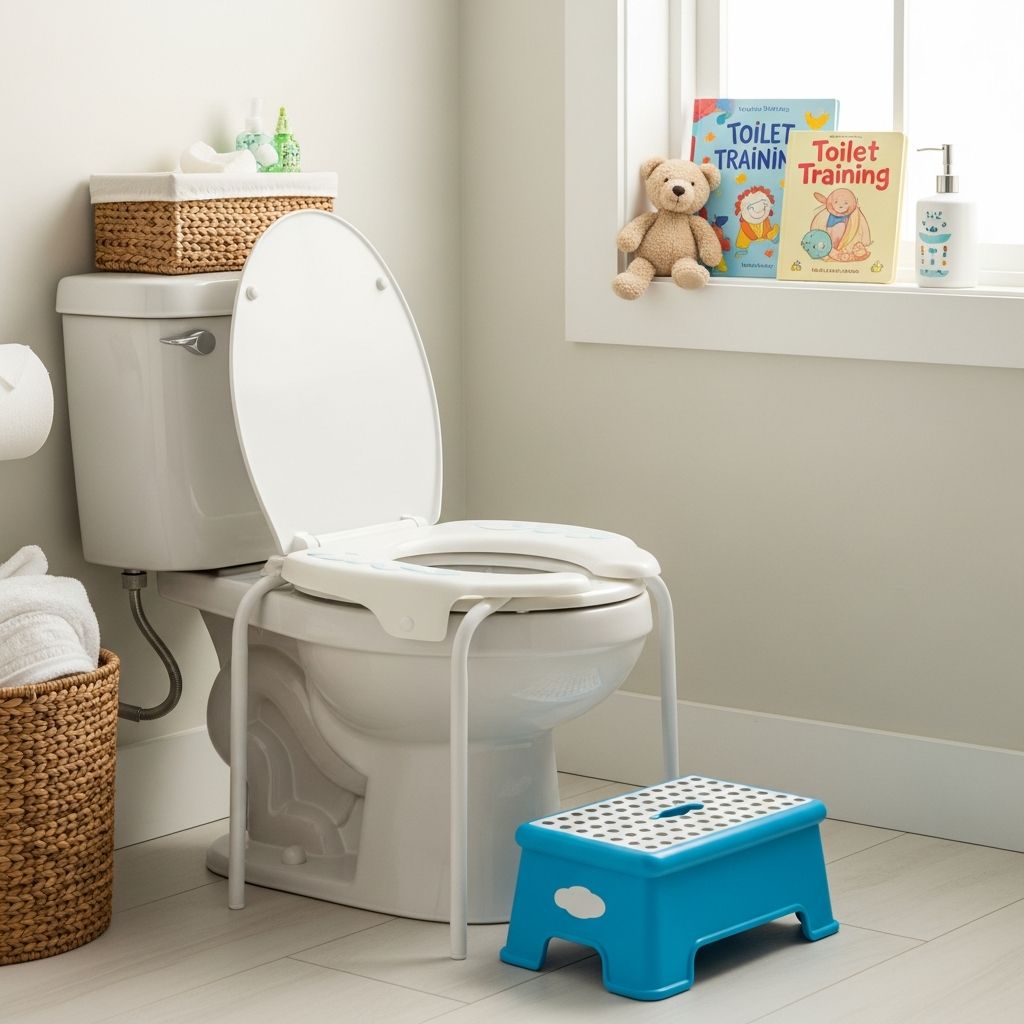
Toilet training is one of the biggest early milestones in childhood, and it can feel just as big for parents. With realistic expectations, a calm approach, and simple routines, most children learn to use the toilet successfully without pressure or tears.
Understanding What Toilet Training Really Is
Toilet training is not just about getting rid of diapers. It is a set of skills your child gradually learns: noticing their body’s signals, getting to the bathroom in time, managing clothes, using the toilet or potty, and washing hands afterward.
- Physical skills: controlling bladder and bowel muscles enough to stay dry for short stretches.
- Cognitive skills: understanding simple directions and remembering steps in order.
- Emotional readiness: wanting to be more independent and feeling proud of “big kid” tasks.
Seeing toilet training as a learning process—not a test—helps you stay patient and supportive even when progress seems slow.
Is Your Child Ready? Key Signs to Watch For
There is no single “correct” age for toilet training. Each child develops at a different pace, and readiness matters far more than the birthday on the calendar.
- Stays dry for at least 2 hours at a time or wakes from naps with a dry diaper.
- Has predictable bowel movements and shows some awareness before or during a poop.
- Can follow one- or two-step directions such as “Please come here” or “Put the toy in the box.”
- Can walk to and from the bathroom and sit down and stand up with minimal help.
- Shows interest in what adults or older siblings do in the bathroom.
- Uses simple words or gestures to express needs, such as “pee,” “poop,” or “go potty.”
- Dislikes being wet or dirty and may ask to be changed.
If several of these signs are present and your child seems curious, you can begin gently. If not, waiting a bit often leads to faster progress later.
Preparing Your Home and Routine
A small amount of preparation can make toilet training feel less stressful and more natural for everyone.
- Choose child-friendly equipment. A low potty chair or a child seat that fits securely on the regular toilet, plus a stable step stool, helps your child feel safe and supported.
- Dress for success. Use pants with elastic waists and avoid complicated buttons, zippers, or overalls during the early weeks.
- Create a simple bathroom routine. Decide on the order (pull pants down, sit, wipe, flush, wash hands) and use the same order each time.
- Use consistent words. Pick the terms your family prefers (such as “pee,” “poop,” “potty,” or “toilet”) and stick with them.
Keeping the environment safe and predictable allows your child to focus on learning the new skill instead of worrying about unfamiliar equipment or confusing instructions.
Step-By-Step: A Gentle Toilet Training Approach
Some families prefer very quick methods, while others lean toward gradual learning. The approach below blends structure with flexibility so you can adjust it to your child’s personality.
Step 1: Introduce the Idea
- Let your child explore the potty or toilet seat when not in a rush.
- Explain simply: “This is where pee and poop go. You will use it when your body is ready.”
- Allow your child to sit on the potty fully clothed at first to get comfortable.
- Read age-appropriate books or tell short stories about characters learning to use the toilet.
Step 2: Practice Sitting
- Invite your child to sit on the potty for a minute or two at regular times, such as before bath or after breakfast.
- Keep the mood light: talk, sing, or let them hold a small toy.
- Offer praise for cooperation, not for results. A calm “Nice sitting on the potty” is enough.
Step 3: Try Without the Diaper
- When your child seems comfortable sitting, choose a block of time at home to remove the diaper (or use cloth training pants).
- Offer “potty breaks” at logical times: when your child wakes, before leaving the house, after meals, and before bedtime.
- Watch for signs like squirming or pausing during play, and gently guide your child to the potty.
- Respond calmly to accidents: help your child clean up, and say something neutral such as “Next time pee goes in the potty.”
Step 4: Build a Routine
- Gradually shift responsibility by asking, “Do you need to use the potty?” and pausing, rather than always leading.
- Keep a loose schedule, such as offering the potty every 2–3 hours during the day.
- Encourage your child to push pants down and up on their own, helping only as needed.
- Reinforce hygiene: teach wiping front to back, flushing, and washing hands every time.
Step 5: Move Toward Independence
- As your child succeeds more often, fade frequent reminders and let them initiate more trips.
- Use simple check-ins: “Remember, you can use the potty whenever you feel your pee coming.”
- Accept that night dryness may take longer; many children need nighttime diapers or training pants well after daytime training is complete.
Helpful Rewards and Encouragement
Encouragement works best when it focuses on effort and keeps pressure low. Rewards do not need to be elaborate to be effective.
- Use warm words: “You listened to your body,” or “You went to the bathroom in time.”
- Offer small, non-food rewards if they fit your family values, such as stickers or extra bedtime stories.
- Avoid shaming or scolding; criticism can make children anxious and slow progress.
- Celebrate small steps, like telling you that they need to go, even if they do not make it in time.
Common Challenges and Calm Solutions
Even with careful planning, most families encounter bumps along the way. Anticipating them can help you respond calmly instead of feeling discouraged.
| Challenge | What It May Look Like | Calm, Practical Response |
|---|---|---|
| Frequent accidents | Child pees or poops in clothing multiple times a day. | Return to diapers or training pants for a short time, offer potty breaks more often, and avoid blame. |
| Refusal to sit | Crying, arching away, or shouting “no” when invited to the potty. | Back off for a week or two, keep language positive, and allow the child to see others using the toilet. |
| Pooping only in diapers | Child asks for a diaper for bowel movements or hides to poop. | Allow the diaper at first, then gradually move the diapered poop to the bathroom, eventually encouraging use of the potty. |
| Toilet fears | Worries about falling in, loud flushes, or the water. | Use a small potty, let the child control the flush, and introduce the big toilet slowly. |
| Regression | Child who was mostly trained starts having accidents again. | Check for changes or stressors, offer extra support, and treat it as temporary without scolding. |
When Life Events Interrupt Training
Major life changes can temporarily derail toilet progress. New siblings, moving, starting daycare, or family stress may make it difficult for your child to focus on learning this new skill.
- If a big change is coming, consider delaying toilet training until routines feel settled again.
- If training is already underway, lower expectations and offer extra comfort rather than pushing harder.
- Share information with other caregivers so your child’s routine stays as consistent as possible.
Remember that short pauses do not erase what your child has already learned; skills often return quickly once life feels more predictable again.
Health, Comfort, and Hygiene
Toilet training and overall health go hand in hand. Children are more willing and able to learn when they feel physically comfortable.
- Offer regular opportunities for water throughout the day so your child stays hydrated.
- Provide fiber-rich foods such as fruits, vegetables, and whole grains to help prevent constipation.
- Encourage your child to sit on the potty calmly for a couple of minutes after meals when the body naturally tends to move the bowels.
- Teach handwashing with soap and water every time, using a simple song or counting to make it fun.
If your child seems to be in pain while pooping, or if stools are very hard or very loose, contact a health professional for guidance before pushing toilet training further.
Working With Childcare Providers
Many toddlers spend a good part of the day with caregivers outside the home, so communication and cooperation are essential.
- Share your child’s signs of readiness, any words your family uses, and the basic routine you follow at home.
- Ask how the caregiver handles accidents, reminders, and bathroom breaks.
- Provide extra clothing, socks, and a plastic bag for soiled items so your child can stay comfortable.
- Check in regularly to see how things are going and adjust your approach together if needed.
When children experience similar expectations and messages in different settings, they find it easier to master the new skill.
Nighttime and Naps: Different From Daytime
Even after daytime toilet use is going well, staying dry during naps and overnight often takes longer. This is related more to sleep depth and bladder development than to motivation or effort.
- Use protective mattress covers so accidents are easy to clean.
- Limit drinks right before bedtime while still allowing enough fluids earlier in the day.
- Offer a bathroom trip as part of the bedtime routine and again first thing in the morning.
- Reassure your child that nighttime diapers or training pants are normal and temporary.
Most children gradually stay dry for longer stretches, and many naturally transition away from nighttime diapers later than they do during the day.
Supporting Your Child’s Emotions
Toilet training touches on independence, privacy, and body awareness, so emotions often run high—even for toddlers who cannot fully explain how they feel.
- Normalize mistakes: “Everyone has accidents when they’re learning something new.”
- Give your child some control, such as choosing the potty seat color or picking which book to read while sitting.
- Respect modesty if it appears; some children prefer only one trusted adult to help with bathroom tasks.
- End practice sessions on a positive note, even if there was no actual pee or poop.
Children who feel safe, accepted, and respected are more likely to cooperate and try again after setbacks.
When to Seek Professional Advice
Most toilet training difficulties are temporary and respond to patience and adjustments in strategy. However, there are times when reaching out to a health professional can be helpful.
- Persistent pain with bowel movements or blood in the stool.
- Frequent, sudden urination accompanied by pain or strong odor.
- Severe fear of the toilet that does not improve after gentle, gradual exposure.
- Ongoing stool withholding, where the child avoids pooping for several days and seems very uncomfortable.
Describing your child’s patterns, diet, and daily routine can help a professional suggest tailored strategies or check for medical causes.
Quick Tips for Busy Parents
- Start when your child shows readiness, not when relatives or friends say you “should.”
- Keep changes to a minimum; avoid beginning training right before or during major family transitions.
- Stock up on extra underwear, comfortable pants, and cleaning supplies.
- Remember that your attitude sets the tone: calm, patient adults make toilet training much easier for children.
Frequently Asked Questions (FAQs)
1. What is a typical age to start toilet training?
Many children show interest between 18 months and 3 years, but there is a wide normal range. Some are ready earlier, and others need more time. Focusing on readiness signs rather than age alone usually leads to smoother training and fewer power struggles.
2. Should I use rewards like candy or toys?
Small rewards can motivate some children, but they are not essential. Simple praise, attention, and a sense of pride are powerful motivators on their own. If you choose to use tangible rewards, keep them small and link them to effort and participation rather than perfection.
3. What if my child refuses the potty completely?
Strong refusal often means your child feels pressured or not quite ready. Stepping back for a week or two, stopping all reminders, and keeping diaper changes calm can reduce resistance. After a break, reintroduce the potty gently with short, no-pressure sitting times.
4. Is it okay to train for day and night at the same time?
Some children do master both at once, but many learn daytime control well before they can stay dry during sleep. It is absolutely fine to use underwear during the day and diapers or training pants at night. This mixed approach protects sleep for everyone and avoids unnecessary stress.
5. How long does toilet training usually take?
The active learning phase might last anywhere from a few days to several months, depending on the child’s temperament, readiness, and the level of consistency at home and in childcare. Progress is rarely perfectly steady; expect good days, harder days, and occasional regressions during illness or stress.
6. What if my child is older and still not trained?
Some children simply need more time, especially if there have been medical issues, developmental delays, or past stressful experiences around the toilet. Gentle, respectful teaching remains important at any age, and professional guidance can help you create a plan that matches your child’s needs.
Final Thoughts
Toilet training is a partnership, not a contest. Your child brings curiosity, growing skills, and a desire for independence; you bring patience, structure, and reassurance. When both sides feel respected, this milestone becomes less of a battle and more of a shared accomplishment you can all feel good about.