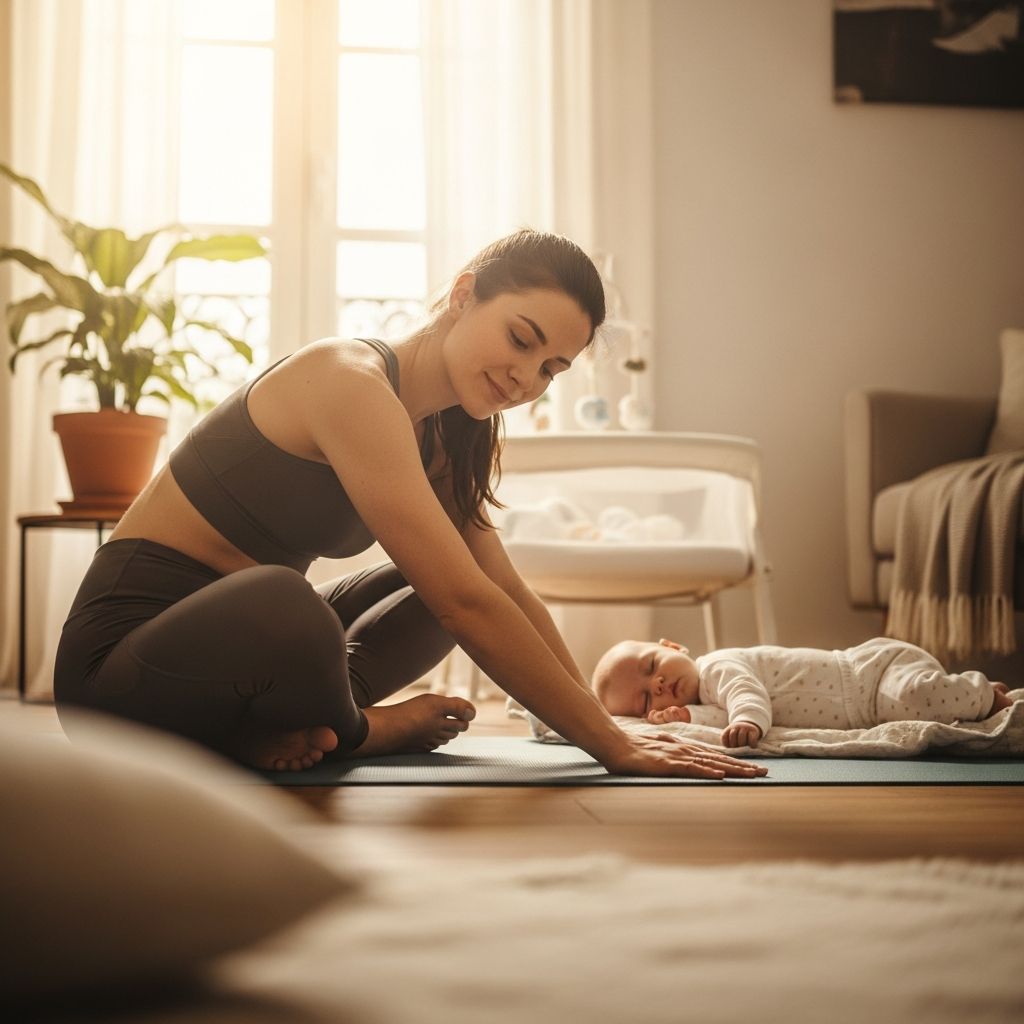
Postpartum fitness is not about “bouncing back” overnight; it is about rebuilding strength, confidence, and comfort in your own body at a pace that respects recovery, sleep deprivation, and the realities of life with a new baby.
Why Postpartum Recovery Is Different From Regular Fitness
After pregnancy and birth, your body is healing from major physical changes that affected your abdominal wall, pelvic floor, posture, and joints. Treating this period like a normal “get fit” phase can lead to frustration, stalled progress, or even injury. A postpartum-specific approach recognizes that hormones, sleep, breastfeeding, and emotional changes all influence how you move and feel.
Instead of focusing on weight or clothing size, a recovery-first mindset emphasizes restoring function: breathing well, lifting your baby comfortably, walking without pain, and gradually reconnecting with your core muscles.
Common Core and Pelvic Floor Changes After Pregnancy
Understanding what is happening inside your body can make postpartum exercise feel less scary and more purposeful. Many new mothers experience at least one of the changes below, and often several at the same time.
- Abdominal separation (diastasis recti) – a natural widening between the left and right sides of the abdominal muscles that may leave your tummy looking domed or still pregnant.
- Pelvic floor weakness – leading to leaks when you cough, sneeze, or run, or a feeling of heaviness or pressure in the pelvic area.
- Postural shifts – rounded shoulders from feeding, back tension from holding the baby, and anterior pelvic tilt from pregnancy weight distribution.
- Core disconnection – a sense that you cannot “find” your deep abs or that your whole middle feels soft and unsupported.
These issues do not mean your body is broken; they signal that the core and pelvic floor need targeted, patient retraining instead of random crunches or high-impact workouts.
Safety First: When and How to Begin Moving Again
The right starting point depends on your birth experience, medical history, and how you feel day to day. Always follow the guidance of your healthcare provider, especially if you had a cesarean birth, significant tearing, or complications.
For many women, gentle movement can begin within days, while structured exercise may wait until a check-up confirms you are ready. The early goal is circulation, comfort, and breathing—not burning calories.
Early-Stage Movements (Still in the First Weeks)
- Deep, slow breathing that expands the ribcage and softly engages the deep core on the exhale.
- Ankle circles, gentle walking around the room, and light stretching that does not pull on stitches or scars.
- Comfortable resting positions that ease pressure on your back and pelvis, such as side-lying with a pillow between your knees.
The Postpartum Core: More Than Just Abs
In postpartum recovery, the word “core” refers to a team of muscles that work together, not just the visible six-pack. This system includes the diaphragm, deep abdominal muscles, pelvic floor, and spinal stabilizers. When one part is weak or overworked, the others compensate, which can show up as back pain, leaking, or a domed belly.
Rebuilding your core means retraining the way these muscles coordinate during everyday tasks like lifting a baby seat, getting up from the couch, or pushing a stroller.
| Muscle Group | Main Role | Postpartum Focus |
|---|---|---|
| Diaphragm | Primary breathing muscle; coordinates with core and pelvic floor. | Restore 360° breathing to reduce tension and support deep core activation. |
| Transverse abdominis | Deep “corset” muscle that wraps around the torso. | Gently re-engage to support the spine and help close abdominal separation. |
| Pelvic floor | Supports pelvic organs and controls continence. | Regain strength, endurance, and the ability to relax and contract on demand. |
| Multifidus & spinal stabilizers | Protects the back during movement. | Improve posture and reduce back pain during feeding, babywearing, and lifting. |
Gentle Core and Pelvic Floor Exercises for New Moms
The following exercise ideas are intentionally simple and can often be done in a few minutes, on the floor or even in bed. Work within a pain-free range, stop if you notice bulging or doming through your midline, and breathe steadily throughout.
1. Restorative Breathing with Core Connection
How it helps: Re-teaches your core and pelvic floor to respond to your breath, setting the foundation for all other movements.
- Lie on your back with knees bent, feet on the floor, or on your side if that is more comfortable.
- Place one hand on your ribcage and one on your lower abdomen.
- Inhale through your nose, feeling your ribs widen and your belly gently rise.
- Exhale slowly, imagining a gentle lift through your pelvic floor and a soft wrapping sensation around your waist.
- Repeat for 5–10 breaths, once or twice daily.
2. Pelvic Floor Engagement and Release
How it helps: Strengthens the muscles that support your bladder, uterus, and bowel, while also practicing relaxation to avoid excess tension.
- Sit or lie in a comfortable position with your spine long.
- On an exhale, gently draw the muscles around your vagina and anus up and in, as if you are stopping gas and urine at the same time.
- Hold for a few seconds without clenching your glutes or holding your breath.
- Inhale and fully relax, letting everything soften.
- Alternate short holds with longer, slow squeezes, for a total of 8–10 reps.
3. Heel Slides with Core Support
How it helps: Encourages your deep abs to switch on while your legs move, similar to walking.
- Lie on your back with knees bent and feet on the floor.
- Exhale to gently engage your deep core and pelvic floor.
- Slide one heel away from you along the floor until your leg is nearly straight.
- Inhale as you slide the heel back to the start.
- Repeat 8–10 times per side, moving slowly and watching for any doming down the center of your abdomen.
Signs You Should Slow Down or Seek Professional Help
Listening to your body is essential. Some discomfort is normal as you start to move again, but certain symptoms are signals to ease off and talk with a pelvic floor physical therapist or your healthcare provider.
- Persistent or worsening pelvic heaviness, dragging, or pressure.
- Leaking urine or stool that does not improve or starts only when you exercise.
- Sharp abdominal pain, bulging or doming that increases when you move or do core work.
- Unusual bleeding, dizziness, or pain around your incision or stitches.
Getting support early can prevent small issues from becoming long-term problems and can accelerate your progress toward feeling strong again.
Making Postpartum Exercise Work in Real Life
Between feeding schedules, diaper changes, and broken sleep, long workouts are often unrealistic in the first year. Instead of aiming for perfection, think in terms of tiny, repeatable actions that fit into your existing routines.
- Do 5 minutes of breathing and core work before you scroll your phone in bed.
- Practice posture resets while you hold or feed your baby.
- Turn daily walks with the stroller into gentle cardio and time outdoors.
- Ask a partner, friend, or family member to hold the baby while you move for 10 minutes without interruption.
Consistency matters more than intensity. A few mindful minutes most days will usually beat a single long workout squeezed in once every few weeks.
Mindset Shifts for a Kinder Postpartum Journey
Many new mothers feel pressure—from social media, comments from others, or old expectations of themselves—to return to their pre-baby body as quickly as possible. Reframing your goals can turn exercise from a punishment into an act of care.
- Instead of “getting my body back,” focus on “supporting the body that carried and birthed my baby.”
- Measure success by how you feel: less pain, better sleep, more confidence lifting your baby.
- Celebrate small wins, like walking a bit farther, holding good posture, or remembering to breathe during stressful moments.
Your body has done something extraordinary. It deserves patience, respect, and time—not comparison or criticism.
Frequently Asked Questions About Postpartum Core Recovery
How soon can I start exercising after giving birth?
The safest answer depends on your individual situation and your healthcare provider’s advice. Many women can begin gentle breathing work and very light movement within days of birth, while more structured exercise often begins only after a postnatal check-up confirms healing is on track.
Can I do crunches to flatten my stomach?
Traditional crunches are often not the best starting exercise in early postpartum, especially if you have abdominal separation or pelvic floor weakness. Focusing first on deep core engagement, breathing, and alignment tends to provide a stronger foundation before adding more intense abdominal work.
What if I still look pregnant months after birth?
A lingering belly can be influenced by factors like diastasis recti, posture, bloating, and overall muscle tone. Gentle core rehabilitation, pelvic floor work, and full-body strength training—combined with rest and balanced nutrition—can gradually change how your abdomen looks and feels.
Is it safe to exercise while breastfeeding?
For most women, moderate exercise is compatible with breastfeeding, as long as hydration, calorie intake, and overall rest are adequate. Wearing a supportive bra and feeding or pumping before higher-impact activity can improve comfort.
Do I need a specialized postpartum program?
While you can make progress with general workouts if you modify them mindfully, a program designed specifically for postpartum bodies can provide clearer guidance on what to do, what to avoid, and how to progress. If possible, consider consulting a pelvic floor physiotherapist or a trainer with postnatal qualifications.
Creating Your Own Gentle Postpartum Plan
You do not need a perfect schedule to benefit from postpartum exercise. Start with a simple weekly structure, then adapt as your baby’s routines and your energy levels change.
- Most days: 5–10 minutes of breathing, core, and pelvic floor practice.
- Several times a week: Short walks outdoors or around your home, gradually increasing time or pace as you feel ready.
- Once or twice a week: Light strength work using bodyweight or simple equipment like resistance bands.
- Anytime: Posture checks, gentle stretches, and rest when your body asks for it.
The most effective postpartum plan is the one you can actually follow. Give yourself permission to start small, adjust often, and celebrate progress that may not show on a scale but absolutely shows up in your daily life.