Encouraging children to cooperate willingly transforms everyday family routines from battles into smooth collaborations. Positive parenting approaches emphasize connection, clear communication, and intrinsic motivation over coercion, leading to more respectful and responsive child behavior.
Why Cooperation Matters in Child Development
Cooperation skills form the foundation for social success, emotional regulation, and self-control in children. When kids learn to participate willingly, they develop empathy, problem-solving abilities, and a sense of belonging within the family unit. Research from child development experts highlights that fostering these skills early prevents power struggles and builds confidence.
Unlike punitive methods, gentle strategies align with children’s natural drives to connect and contribute, creating environments where participation feels rewarding rather than forced. This shift not only reduces parental frustration but also nurtures independent thinkers who internalize positive habits.
Building Strong Connections First
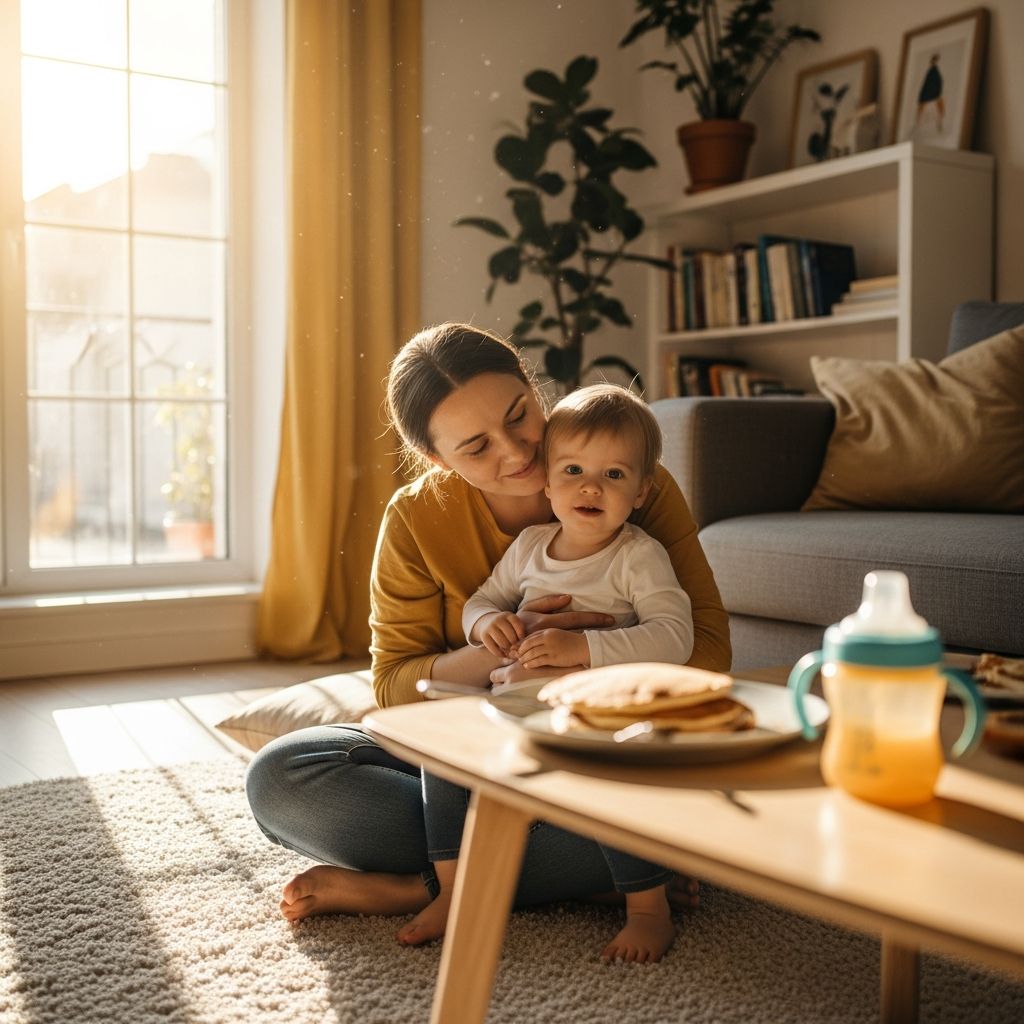
The cornerstone of cooperation lies in emotional bonds. Children respond best when they feel seen and valued by parents. Start routines by getting physically close—bend down to eye level, use a warm tone, and ensure eye contact before giving instructions. This simple act signals respect and invites partnership.
- Approach calmly during transitions, like bedtime or mealtime, to preempt resistance.
- Use physical proximity to convey support, such as a gentle hand on the shoulder.
- Validate feelings first: “I see you’re playing hard; it’s tough to stop, right?”
Strong connections reduce defensiveness, making kids more open to guidance. Over time, this builds trust, turning “have to” tasks into “want to” contributions.
Mastering Observational Prompts
One transformative technique is neutral observation, which sidesteps commands and judgments. Instead of “Clean up your toys now!” try noting, “I see toys on the floor.” This empowers children to act without feeling bossed, sparking their internal motivation.
Observations work because they trust kids’ competence, avoiding nagging that breeds rebellion. Pair it with silence afterward—the pause hands responsibility back to the child, fostering autonomy.
| Situation | Traditional Command | Observational Prompt | Expected Outcome |
|---|---|---|---|
| Bedtime resistance | “Get in bed!” | “Pajamas are ready on the chair.” | Child initiates dressing |
| Mealtime cleanup | “Put dishes away!” | “Dishes are stacked by the sink.” | Self-directed tidying |
| Leaving the park | “Time to go home!” | “Shoes are by the gate.” | Smooth transition |
Practice consistently, and children link observations to expectations, internalizing routines.
Harnessing the Power of Thank-You Notes
Written appreciation previews positive outcomes, shifting mindsets proactively. Place colorful notes near task areas: “Thanks for watering the plants—our garden loves it!” This assumes success, making cooperation feel acknowledged in advance.
- Customize notes to the child’s interests, like drawing a favorite animal.
- Use them for recurring chores to build habits without verbal reminders.
- Combine with verbal thanks later to reinforce the behavior.
Notes evoke gratitude, connecting kids to family goals and boosting their sense of contribution. They’re non-confrontational, perfect for visual learners.
Expressing Feelings to Diffuse Tension
“I feel” statements own parental emotions without blaming, preventing defensiveness. Say, “I feel worried when toys stay out overnight,” instead of accusations. This models emotional intelligence and invites empathy.
Structure: “I feel [emotion] when [observation], because [impact].” Kids mirror this vulnerability, opening dialogues. Use sparingly for high-emotion moments to maintain impact.
Positive Language: Focus on Desired Actions
Direct attention to what you want, not prohibitions. “Walk inside, please” outperforms “Don’t run!” Positive phrasing draws focus to solutions, modeling calm behavior.
- Point physically: Gesture to shoes while saying, “Shoes on for our walk.”
- Keep tones encouraging to amplify cooperation.
- Avoid negatives like “don’t” to prevent reinforcement of unwanted actions.
This gem works across ages, as children gravitate toward highlighted positives.
Gentle Questions for Self-Reflection
Empower kids by prompting recall: “How do we walk in the house?” This reinforces rules internally without lectures, engaging their memory and ownership.
Follow with selective response—only acknowledge polite retries. For clarity, ask, “Can you tell me what I said?” in a neutral tone, turning instructions into interactive learning.
Offering Redos and Second Chances
Graceful resets like “Let’s try that again” give practice without shame. Economic phrases preserve dignity, teaching resilience. Kids appreciate opportunities to correct, mirroring real-life accountability.
Limit to 1-2 per interaction to avoid dilution. Pair with enthusiasm for successes to balance.
Descriptive Praise: The Cooperation Booster
Specific, enthusiastic recognition cements behaviors: “You put your shoes away first try—thank you!” Describe actions vividly, adding gestures like high-fives. This “praise that works” outperforms generic “good job,” as it teaches exactly what’s valued.
- Catch them mid-good deed for immediacy.
- Be genuine; insincerity backfires.
- Target effort: “You worked hard sorting those blocks.”
Celebrate often to wire brains for positivity, exponentially increasing cooperation.
Involving Kids in Family Decisions
Ownership skyrockets buy-in. Hold brief family huddles to co-create rules or schedules: “What time works for homework?” Age-appropriate input fosters respect and problem-solving.
Guide with questions: “What might happen if we try this?” This builds critical thinking alongside collaboration.
Chores as Shared Adventures
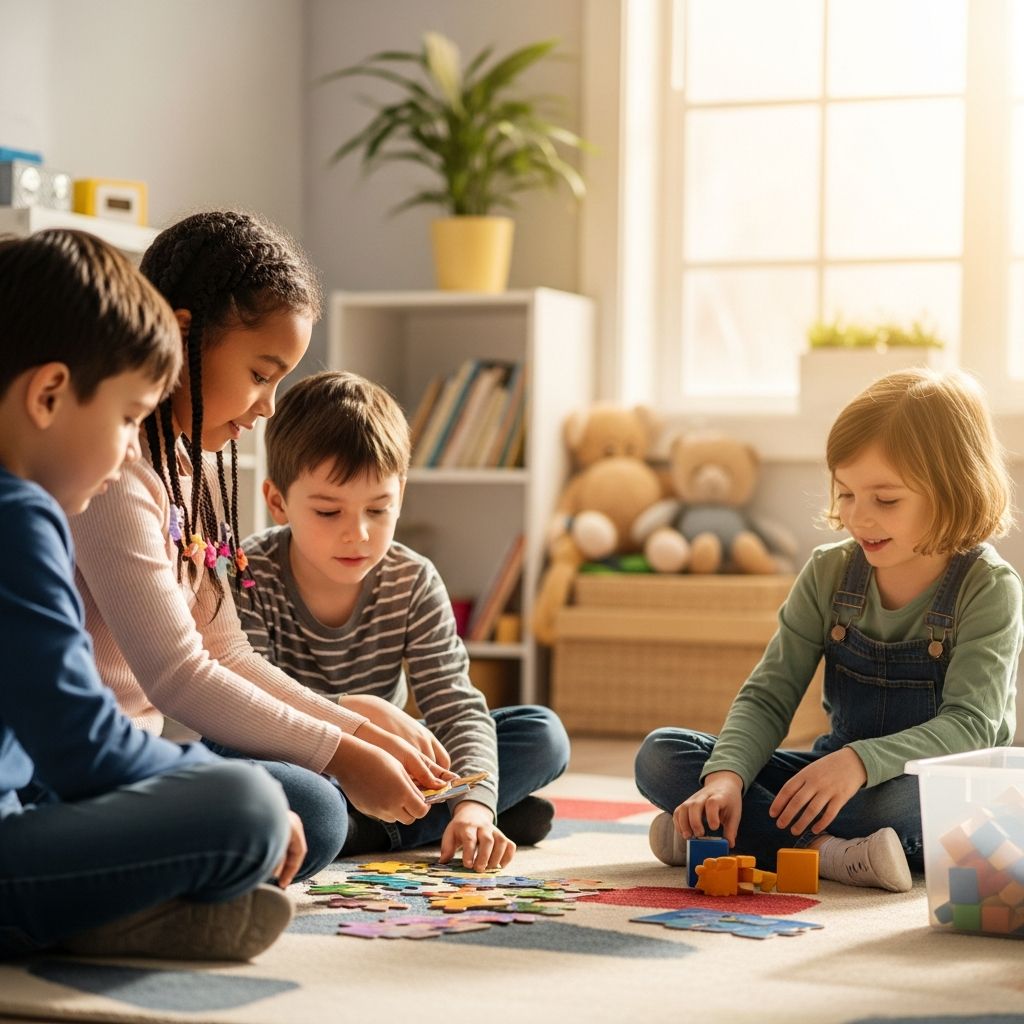
Team up early: Set tables together, highlighting fun outcomes like “Now we play a game!” Specific praise reinforces: “You’re a table-setting pro!”.
Choices within limits empower: “Brush teeth before or after story?” Respectful options reduce protests.
Synchronized Activities for Bonding
Moving in unison—marching, swinging together—builds rapport, easing later cooperation. Research shows synchronized actions enhance group harmony, even in preschoolers.
Common Pitfalls and Fixes
| Pitfall | Why It Fails | Gentle Fix |
|---|---|---|
| Yelling reminders | Triggers defiance | One clear direction + repeat-back |
| Bribes/rewards | Creates dependency | Intrinsic praise + involvement |
| Too many instructions | Overwhelms | Single steps only |
Frequently Asked Questions (FAQs)
What age do these strategies work for?
From toddlers to tweens, adapt phrasing to developmental stages. Younger kids need more modeling; older ones thrive on questions.
How long until I see results?
Consistency yields shifts in days to weeks. Track progress to stay motivated.
What if my child ignores observations?
Follow with calm action, like doing it yourself once, then retry. Persistence builds the habit.
Can I combine these methods?
Yes—layer observation, praise, and choices for powerful synergy.
Does this replace all discipline?
No, pair with clear limits and empathy for balanced guidance.
Implementing these strategies cultivates cooperative family dynamics rooted in mutual respect. Parents report less stress and more joy as children embrace roles willingly.
References
- How to Get Your Child to Listen and Cooperate – 4 Parenting Strategies — Positive Parenting Solutions. 2023. https://www.positiveparentingsolutions.com/strategies-to-get-childs-cooperation/
- Get Kids to Listen: 7 Simple Gems to Win Cooperation — Peace at Home Parenting. 2023. https://peaceathomeparenting.com/get-kids-to-listen-win-cooperation/
- Kids Cooperation Strategies: No Bribes or Threats Needed — Avid Counseling. 2024. https://www.avidcounseling.org/kids-cooperation-strategies-no-bribes-no-threats/
- Tips on Helping Your Child Learn to Cooperate — ZERO TO THREE. 2023. https://www.zerotothree.org/resource/tips-on-helping-your-child-learn-to-cooperate/
- A Surprising Way to Help Kids Cooperate With Each Other — Institute for Learning & Brain Sciences (YouTube). 2023. https://www.youtube.com/watch?v=P58Xs6lKl2c