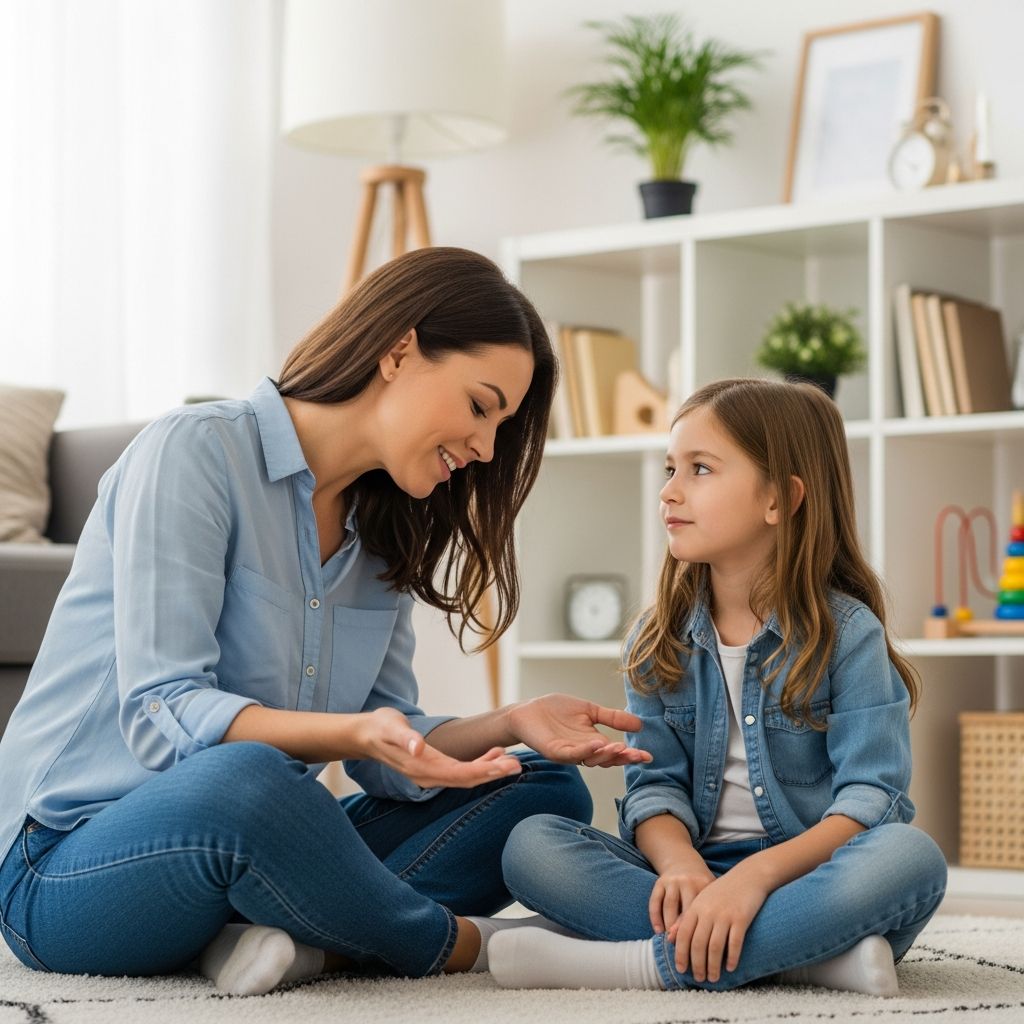
Gentle parenting emphasizes building strong emotional bonds while establishing clear expectations for behavior. This approach uses empathy, respect, and positive reinforcement to guide children toward self-regulation and cooperation, rather than relying on punishment or permissiveness.
Understanding the Foundations of Gentle Parenting
At its core, gentle parenting views discipline as teaching rather than punishment. It prioritizes understanding a child’s emotions and needs to prevent power struggles. Parents model calm communication and validate feelings, creating a secure environment where children feel safe to learn from mistakes.
Research from authoritative sources like the American Academy of Pediatrics (AAP) supports this method, recommending strategies that promote healthy development by teaching right from wrong through consistent, age-appropriate rules. Unlike authoritarian styles that may lead to resentment, gentle parenting fosters long-term emotional intelligence and better family relationships.
Key Principles for Effective Boundary Setting
Gentle parenting does not mean avoiding ‘no’—it means delivering it with empathy and follow-through. Parents set firm limits while offering choices within those boundaries, helping children develop autonomy and responsibility.
- Empathy First: Acknowledge emotions before redirecting. For instance, if a child is upset about leaving the park, say, “I see you’re having fun and it’s hard to go—let’s take one more slide.” This calms the nervous system, making cooperation more likely.
- Clear Expectations: Define simple, predictable rules tailored to the child’s age, such as “We use gentle hands with toys.” Repeat and practice them daily to build habits.
- Positive Reinforcement: Praise specific good behaviors immediately, like “Great job sharing your truck—that made your sibling smile!” This encourages repetition more effectively than criticism.
Practical Techniques to Implement Today
Incorporate these evidence-based tools into daily routines to reduce tantrums and build skills. Programs like Nurturing Parenting, recognized by SAMHSA, provide structured lessons in emotional coaching and problem-solving.
Connection Before Correction
Get down to your child’s eye level, reflect their feelings, and offer a hug. This activates the brain’s calming response, paving the way for teachable moments. For example, during a meltdown, say, “You’re angry because the puzzle piece doesn’t fit. Breathe with me—you’re safe.”
Offering Choices to Empower
Give two acceptable options to satisfy a child’s need for control: “Do you want to brush teeth first or put on pajamas?” This technique, endorsed by AAP, redirects energy positively without negotiation.
Modeling Desired Behaviors
Children learn most from what parents do. Use “I” statements like “I feel frustrated when toys are thrown—let’s find another way to play.” Role-play scenarios together to practice respectful interactions.
Comparing Traditional vs. Gentle Discipline Approaches
The table below illustrates how gentle methods transform common challenges:
| Scenario | Traditional Response | Gentle Parenting Response |
|---|---|---|
| Morning Rush | “Hurry up or we’ll be late!” (Yells, threatens) | “It’s tough leaving your cozy bed. Shirt or socks first?” (Connects, offers choice) |
| Sibling Fight | “Stop it or go to your room!” | “You both look upset. Tell me what happened—I’ll listen.” (Validates, empowers victim) |
| Refusing Chores | “Do it now or no TV!” | “When dishes are done, then we play a game.” (Uses when-then, praises effort) |
These shifts reduce resistance by focusing on collaboration over control.
Age-Specific Strategies for Success
Toddlers (1-3 Years)
At this stage, focus on prevention and redirection. Use visual cues like gestures and simple phrases: “Walk inside.” Create calm-down corners with soft toys for self-regulation. Praise tiny steps, such as picking up one block.
Preschoolers (4-5 Years)
Introduce problem-solving: “What can we do if the tower falls?” Assign chores like sorting laundry, rewarding with specific praise. Teach emotion naming: “Your face shows mad—how can we fix it?”
School-Age Kids (6+ Years)
Involve them in rule-setting and consequences. Use self-reflection: “What happened, and what will you do differently?” Withdraw privileges logically, like no screen time until homework is done, while maintaining warmth.
Addressing Common Challenges and Misconceptions
A frequent myth is that gentle parenting spoils children. In reality, firm boundaries paired with empathy prevent entitlement by teaching accountability. If a child pushes limits, calmly enforce: “Hitting hurts—we use words.” Consistency is key.
Power struggles often stem from unmet needs. Establish routines like daily greetings with eye contact and play to build security. For transitions, use timers and rituals: “Five minutes until bath—snuggle time first.”
Building Family-Wide Positive Habits
- Daily family meetings to review rules and celebrate wins.
- Role-playing conflicts to practice skills.
- Balanced attention: Praise 5 times more than correct.
Open communication strengthens bonds—discuss rules openly and adjust as kids mature.
Frequently Asked Questions (FAQs)
What if gentle parenting doesn’t work immediately?
Change takes time—consistency over weeks builds patterns. Track progress and adjust based on your child’s responses.
Does gentle parenting mean no consequences?
No, it uses logical, related consequences like withdrawing cooperation, always with empathy and teaching.
How do I stay calm during outbursts?
Breathe deeply, use body awareness cues, and remember it’s a teaching moment. Seek support from programs like Conscious Discipline.
Can this work for strong-willed children?
Yes, it excels here by honoring their intensity while guiding it positively.
What’s the role of routines in gentle parenting?
Routines provide safety and predictability, reducing meltdowns.
Long-Term Benefits for Children and Families
Gentle parenting cultivates resilient, empathetic kids who self-regulate and form healthy relationships. Families report less stress and more joy, backed by positive discipline research. Start small—pick one technique today and watch cooperation grow.
References
- The Art of Gentle Discipline – Nurturing Parenting Programs — Nurturing Parenting. Accessed 2026. https://www.nurturingparenting.com/blog/the-art-of-gentle-discipline-how-nurturing-parenting-helps-avoid-power-struggles/
- Discipline Tips for Parents & Educators — Conscious Discipline. Accessed 2026. https://consciousdiscipline.com/memberships/free-resources/discipline-tips/
- What’s the Best Way to Discipline My Child? — American Academy of Pediatrics (AAP). Accessed 2026. https://www.healthychildren.org/English/family-life/family-dynamics/communication-discipline/Pages/Disciplining-Your-Child.aspx
- A positive approach to discipline: pre-teens and teenagers — Raising Children Network. Accessed 2026. https://raisingchildren.net.au/pre-teens/behaviour/behaviour-management-ideas/discipline
- Unleashing the Power of Gentle Parenting (& 3 Examples) — PositivePsychology.com. Accessed 2026. https://positivepsychology.com/gentle-parenting/