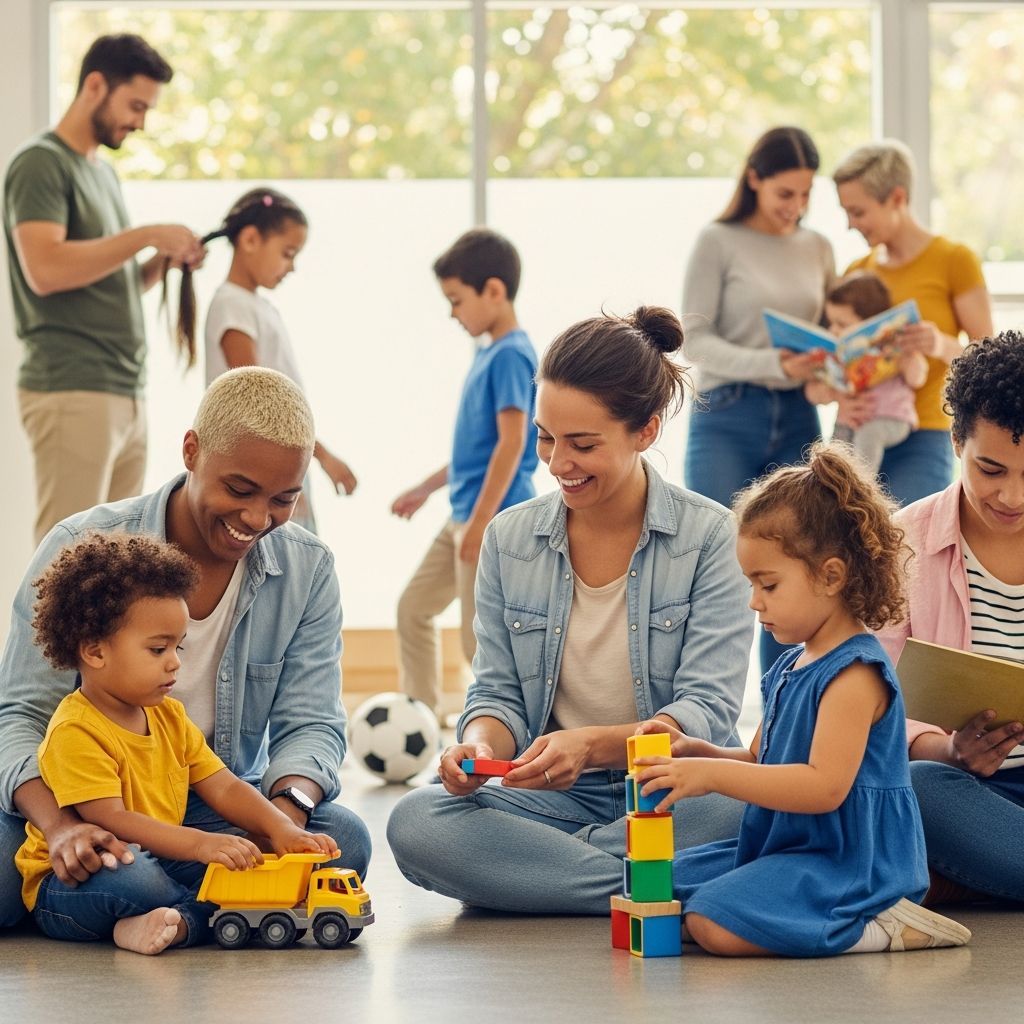
Understanding the Philosophy Behind Label-Free Households
Modern parenting has evolved beyond traditional frameworks that confine children to predetermined roles based on their biological sex. A growing number of families are embracing a philosophy that prioritizes individual choice and authentic self-expression over societal gender conventions. This approach recognizes that children deserve the freedom to explore their identities without the constraints of external expectations, allowing them to develop into their most authentic selves.
The core principle underlying this parenting method is the belief that children should not be limited by categorical thinking about what boys or girls should do, wear, or become. By eliminating gender labels from the household environment, parents create spaces where their children can make decisions based on personal preference rather than social conditioning. This philosophy extends beyond pronouns and clothing choices to encompass the entire spectrum of activities, interests, and future aspirations that children may pursue.
The Science Behind Brain Development and Gender
Recent neuroscience research challenges long-held assumptions about sex-based differences in cognitive development. A comprehensive study from Tel Aviv University revealed a surprising finding: there is no biological basis for distinctly “male” or “female” brains. Lead researcher Daphna Joel emphasized that the scientific evidence contradicts the common practice of categorizing and treating children differently based on their perceived gender, stating that everyone’s brain structure falls along a spectrum of individual variation rather than into two distinct categories.
This scientific understanding has significant implications for child development. The human brain exhibits maximum plasticity during the first seven years of life, meaning it is most receptive to shaping environmental influences during this critical window. When children are not exposed to gender-specific messaging and stereotyping during these formative years, they develop without internalized limitations about what is possible for them to achieve or become.
Understanding brain development science helps parents recognize that traditional gendered language and expectations may actually constrain cognitive development and self-perception. By creating gender-neutral environments, parents potentially allow their children’s brains to develop without the organizational frameworks that separate abilities, interests, and identities along gender lines.
How Households Can Eliminate Gender Restrictions
Creating a label-free household requires intentional decisions across multiple dimensions of family life. This approach goes far beyond simply using neutral pronouns or avoiding pink and blue color schemes; it involves a comprehensive reimagining of how the household communicates about identity and possibility.
- Language practices: Families intentionally avoid using gendered language when describing their children’s characteristics or potential. Instead of saying “boys are strong” or “girls are nurturing,” parents focus on describing individual traits and encouraging all children to develop diverse capabilities.
- Toy and activity selection: Rather than gender-segregated toy sections, households provide access to a full spectrum of play materials including building sets, art supplies, athletic equipment, and nurturing toys. Children are encouraged to follow their genuine interests rather than socially prescribed preferences.
- Clothing and appearance: Many families embrace a more fluid approach to children’s clothing, allowing kids to select garments based on comfort and personal preference rather than conforming to gender-typical fashion conventions.
- Activity participation: Children are encouraged to pursue any sport, class, hobby, or interest without gender-based restrictions. Whether it’s dance, martial arts, music, or athletics, participation is driven by individual passion rather than gender appropriateness.
- Household responsibilities: Chores and responsibilities are distributed based on capability and learning opportunities rather than gender stereotypes, demonstrating that all family members share equally in maintaining the household.
Institutional Support for Gender-Inclusive Environments
Beyond the home, children benefit from institutional recognition of gender diversity and inclusion. Schools and public facilities are increasingly adopting gender-neutral policies that extend support for this parenting philosophy. Some educational institutions have implemented gender-neutral bathroom facilities with inclusive signage that welcomes children of all identities, reinforcing at a structural level that diversity and fluidity are normalized and celebrated.
Retail and consumer industries have also begun responding to this shifting landscape. Major retailers have removed gender-specific labeling from children’s clothing and toy departments, making it possible for families to shop without encountering marketing that reinforces gender stereotypes. These institutional changes create ecosystems that support and validate the choices families make about gender-neutral upbringing.
Educational environments that embrace gender-neutral approaches report benefits including increased confidence in children to pursue diverse interests, improved peer relationships across traditional gender divisions, and reduced anxiety related to gender conformity pressures. When schools actively support this philosophy through inclusive policies and diverse curriculum representation, they amplify the messages children receive at home about the value of individual authenticity.
Supporting Children’s Self-Discovery and Autonomy
One of the most significant advantages of gender-neutral parenting is that it empowers children to lead their own self-discovery journey. Rather than having a predetermined identity imposed upon them, children are encouraged to explore different interests, expressions, and preferences to understand who they authentically are.
Expert research in child development emphasizes that parental responsiveness and openness matter far more than the specific terminology used. When parents create safe spaces for their children to express evolving thoughts and feelings about identity, they foster genuine self-awareness. This might mean allowing a child to play with traditionally masculine toys, participate in dance classes, wear clothing that breaks gender conventions, or explore different styles of self-expression without judgment.
This approach recognizes that childhood development involves continuous exploration and change. Children may express different preferences at different developmental stages, and supportive parents remain flexible and accepting of their child’s evolving sense of self. The goal is not to impose a gender-neutral identity but rather to remove barriers that prevent children from discovering their authentic preferences and identity.
Addressing Common Concerns and Misconceptions
Gender-neutral parenting frequently encounters skepticism and criticism from those unfamiliar with the approach. However, research and expert perspectives help clarify common misunderstandings.
Concern: Will gender-neutral parenting confuse children about their biological sex?
Expert perspective: Children naturally develop understanding of biological sex through education and observation. Removing gender stereotypes does not prevent children from understanding biological differences; it simply prevents those differences from dictating all aspects of identity and opportunity.
Concern: Is this approach traumatic for children?
Expert perspective: Research with children who have experienced gender transition indicates that they do not report trauma from being initially referred to with traditional pronouns. What matters more is parental support and openness as children explore and express their identity.
Concern: Will children feel isolated or misunderstood?
Expert perspective: When parents maintain confidence in their approach and feel genuinely connected to their parenting philosophy, they create coherent household environments. Children thrive when experiencing consistency between parental values and household practices, and this consistency outweighs external pressure or misunderstanding from others.
The Long-Term Impact on Child Development
Research suggests that children raised with fewer gender constraints may experience measurable benefits across several developmental domains. These include increased confidence in pursuing diverse interests, reduced anxiety related to gender conformity, greater comfort with individual uniqueness, and improved ability to form relationships across traditional gender divisions.
Children raised in gender-neutral environments often demonstrate enhanced creativity and problem-solving abilities because they are not constrained by assumptions about which activities or approaches are appropriate for their gender. They may also develop stronger emotional intelligence and interpersonal skills because they are not limited to gender-typed emotional expressions and social roles.
Perhaps most significantly, children raised with freedom from gender labels report higher levels of self-acceptance and authenticity. They develop stronger connections to their genuine preferences and interests rather than internalized notions of what they should like or become based on their sex.
Parental Confidence and Implementation
The success of gender-neutral parenting depends significantly on parental confidence and intentionality. Parents who clearly understand their values and remain committed to their approach despite external pressure create environments where children thrive. This requires parents to examine their own gender conditioning and actively choose different approaches for their families.
Implementation need not be rigid or perfectionist. Parents can gradually incorporate gender-neutral practices into their households, starting with areas that feel most comfortable and gradually expanding. The key is moving toward greater openness and flexibility rather than achieving perfect gender neutrality in every moment.
Parents benefit from connecting with communities of like-minded families, accessing resources that support their approach, and developing language to explain their philosophy to others. When parents can articulate the reasoning behind their choices, they feel more confident in their parenting decisions and better equipped to navigate questions or criticism from extended family, educators, or peers.
Frequently Asked Questions About Gender-Neutral Parenting
At what age should parents start implementing gender-neutral parenting?
Parents can begin immediately after birth or at any point in their child’s life. Early implementation may be easier since children have fewer established preferences, but meaningful changes can occur at any developmental stage when parents are intentional and consistent.
Will gender-neutral parenting prevent my child from understanding their biological sex?
No. Gender-neutral parenting removes stereotypes and limitations but does not prevent children from learning about biological sex through age-appropriate education and natural observation. Children can understand both their bodies and their freedom from gender constraints.
How do I respond when extended family questions my parenting approach?A: Prepare clear, calm explanations of your values and the research supporting your approach. Set boundaries about what you will and will not tolerate in terms of gendered language or treatment of your child. Remember that your confidence in your parenting values communicates more powerfully than lengthy debates.
Q: Does gender-neutral parenting mean treating boys and girls exactly the same?
Not necessarily. It means treating individual children according to their unique needs, interests, and developmental stages rather than according to gender stereotypes. Two siblings of different genders may have very different needs and interests that have nothing to do with their sex.
What if my child wants to express their gender in a traditionally gendered way?
This is perfectly compatible with gender-neutral parenting. The goal is freedom of choice, not imposing any particular identity. If your child chooses traditionally gendered expression, that is their authentic choice and should be supported fully.
Creating Your Family’s Unique Approach
Gender-neutral parenting is not a one-size-fits-all methodology but rather a flexible framework that each family adapts to their own values and circumstances. Some families adopt comprehensive gender-neutral approaches across all aspects of life, while others implement selective changes that align with their specific priorities and beliefs.
What matters most is that parents thoughtfully consider how gender messaging affects their children and make intentional choices about which practices to maintain or change. This might involve having conversations with your partner about shared values, examining your own gender conditioning and how it influences your parenting, and gradually implementing changes that feel authentic to your family.
The ultimate goal is raising children who feel empowered to be authentically themselves, free from unnecessary constraints imposed by gender stereotyping. By creating environments where children’s worth and potential are not determined by their sex, parents give their children the greatest gift: the freedom to discover and become who they truly are.
References
- Pink on why she’s raising her child as gender neutral — The Independent. 2017. https://www.independent.co.uk/arts-entertainment/music/news/pink-raising-child-gender-neutral-conformity-fluidity-children-willow-a8089451.html
- Raising theyby: Why some parents are raising gender-neutral babies — Global News. 2018. https://globalnews.ca/news/4152075/gender-neutral-baby/
- Feminist Icon Pink Is Raising Her Children Without Gender Labels — The Forward. 2017. https://forward.com/schmooze/389312/feminist-icon-pink-is-raising-her-children-without-gender-labels/