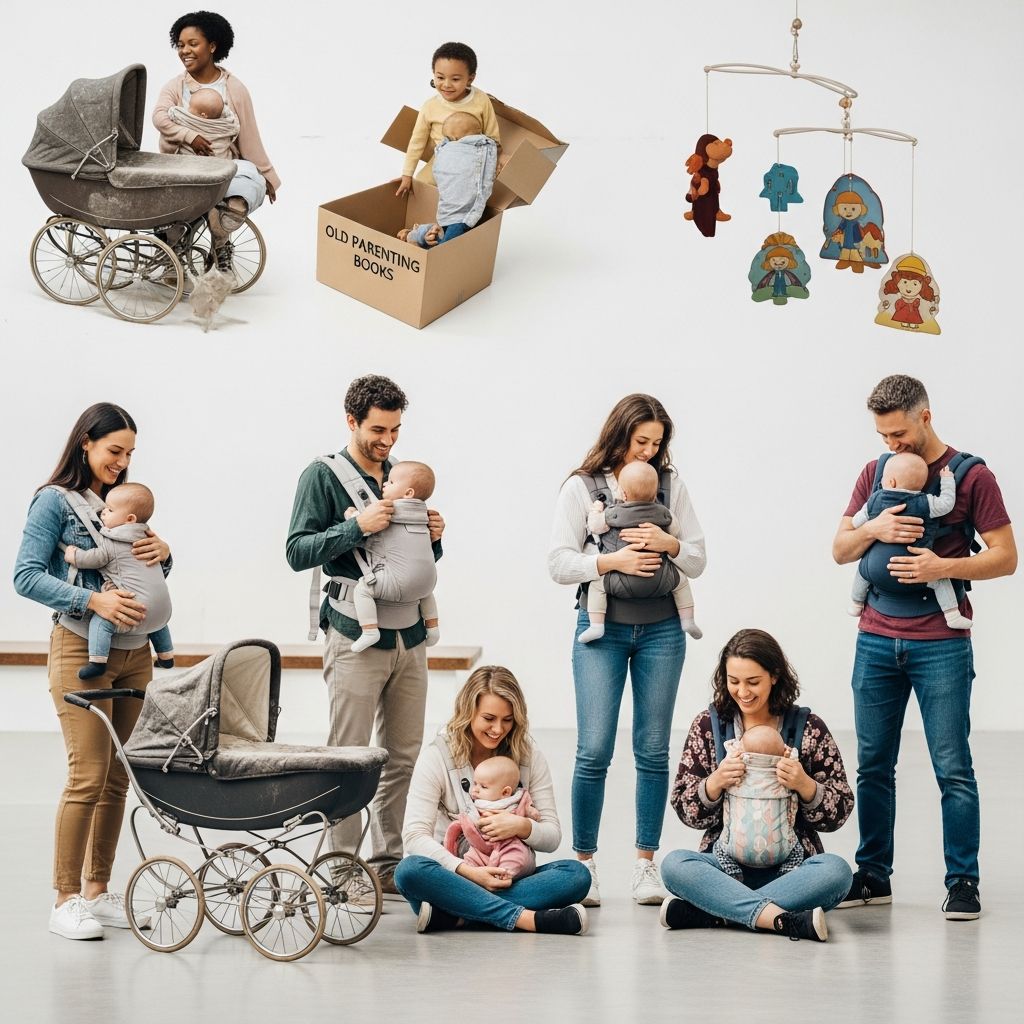
Younger generations entering parenthood are reshaping family life by moving away from the intense, rule-bound practices popularized in recent years. Instead of chasing viral ideals, they focus on what feels authentic and sustainable for their households.
The Rise of Flexible Discipline Strategies
One major shift involves redefining how parents handle child behavior. Many are stepping back from purely permissive methods, opting for approaches that combine empathy with firm limits. This hybrid model allows for emotional validation while enforcing necessary boundaries, reflecting a practical adaptation to real-world family dynamics.
Parents report blending calm explanations with decisive actions, ensuring children understand reasons behind rules without endless negotiation. This evolution acknowledges that love doesn’t preclude structure, fostering resilience in kids while reducing parental burnout.
- Empathy first: Validate feelings before setting limits.
- Clear communication: Explain ‘why’ without debate.
- Firm follow-through: Consistent consequences build security.
Redefining Shared Family Responsibilities
Equitable division of duties is gaining traction, with couples alternating primary childcare roles to allow personal recharge time. Known as split-shift arrangements, this practice prevents one partner—often the mother—from shouldering the full load, promoting better mental health and relationship harmony.
In practice, one parent might handle mornings while the other manages evenings or weekends, creating space for rest, work, or self-care. This model has shown to improve sleep, reduce resentment, and enhance overall parenting quality, as refreshed adults engage more positively with their children.
| Traditional Model | Split-Shift Model |
|---|---|
| One parent primary caregiver | Alternating shifts |
| High burnout risk | Built-in recharge time |
| Uneven workload | Balanced responsibilities |
Breaking Free from Inherited Patterns
A key focus for this cohort is interrupting negative cycles from their own upbringings. By consciously addressing past traumas or unhelpful habits, parents aim to create healthier environments. This involves open discussions about emotions, rejecting rigid gender roles, and prioritizing presence over distractions.
Small changes, like minimizing phone use during key interactions, make a big difference. Parents emphasize undivided attention during wake-ups, meals, and bedtimes, modeling healthy tech boundaries while healing generational wounds.
Embracing Boredom and Unstructured Play
Overstimulation is under scrutiny, with families intentionally carving out downtime. Recognizing boredom’s value in sparking creativity, parents cut back on packed schedules and constant activities. This counters previous emphases on non-stop enrichment, allowing kids natural development through free play.
Experts note this shift corrects earlier oversights, where endless options led to anxiety. Now, unstructured time at home or outdoors nurtures problem-solving and self-reliance, aligning with evidence that less can yield more growth.
Tech Integration Without Overload
Technology serves as a tool rather than a crutch. Parents leverage AI for routine simplification—like meal planning or scheduling—freeing energy for family bonds. Simultaneously, strict limits on children’s screens promote real-world engagement, balancing innovation with presence.
This dual approach reflects tech fluency: using devices smartly for adults while shielding young minds from excess. It enables more meaningful interactions, as parents report feeling less overwhelmed and more attuned.
Rejecting Aesthetic Perfectionism
The pressure to maintain Instagram-worthy homes is fading. Families now embrace lived-in spaces, displaying kids’ art openly and allowing toys in common areas. This rejects ‘beige mom’ minimalism, celebrating childhood messiness as part of joyful living.
Letting go of curation reduces stress, affirming that authentic homes foster security. Parents prioritize functionality and warmth over visual appeal, signaling a broader cultural pivot from performative to genuine parenting.
Reviving Simple Discipline Tools
Short, contextual pauses—modernized time-outs—are returning. Done right, they provide a brief reset: remove from the situation, explain briefly, set a short timer, then debrief. This teaches self-regulation without shame, differing from outdated punitive versions.
Parents value this for its clarity and effectiveness, trusting it aligns with child development needs over trendy alternatives.
Trusting Parental Gut Feelings
Amid trend fatigue, intuition reigns supreme. Parents tune into what suits their family’s unique rhythm, ignoring one-size-fits-all advice on sleep, screens, or activities. This empowers personalized decisions, from occasional shows for sanity to flexible extracurriculars.
By sidelining external noise, caregivers build confidence, adapting fluidly to daily realities rather than rigid doctrines.
Encouraging Age-Appropriate Independence
Over-involvement is waning, with kids tackling tasks like snack prep, laundry sorting, or simple cooking. This builds competence and eases transitions to self-sufficiency, countering tendencies to do everything for them.
Supervised autonomy—using safe knives or packing lunches—teaches responsibility, preparing children for independence without rushing maturity.
Frequently Asked Questions
What is split-shift parenting?
A system where partners alternate childcare blocks, allowing each downtime for rest or personal tasks, promoting equity and well-being.
Why abandon strict gentle parenting?
It often lacks needed structure; hybrids offer empathy plus boundaries for effective, balanced discipline.
How much unstructured time do kids need?
Daily boredom periods spark creativity; aim for unstructured play amid routines to avoid overstimulation.
Is using AI in parenting cheating?
No—it’s a smart tool for efficiency, like planning, leaving more quality time when paired with screen limits for kids.
Can time-outs still work today?
Yes, when brief, explained, and followed by discussion; they teach calm without harm.
Looking Ahead to Sustainable Family Life
These changes herald a parenting era rooted in realism, equity, and instinct. By ditching unsustainable ideals, Gen Z prioritizes joy, connection, and longevity in family dynamics, setting a grounded example for future generations.
References
- 6 Parenting Trends to Keep on Your Radar in 2026 — The Bump. 2026-01-01. https://www.thebump.com/a/rising-parenting-trends
- 11 Parenting Trends Millennials Are Ditching In 2026 — Scary Mommy. 2026-01-01. https://www.scarymommy.com/parenting/parenting-trends-millennials-are-ditching-in-2026
- Parenting Trends 2026: What’s In, What’s Out & What Moms Are So Over — Macaroni Kid National. 2026-01-01. https://national.macaronikid.com/articles/6942bba822eaac423da7d28d/parenting-trends-2026-whats-in-whats-out-and-what-moms-are-so-over