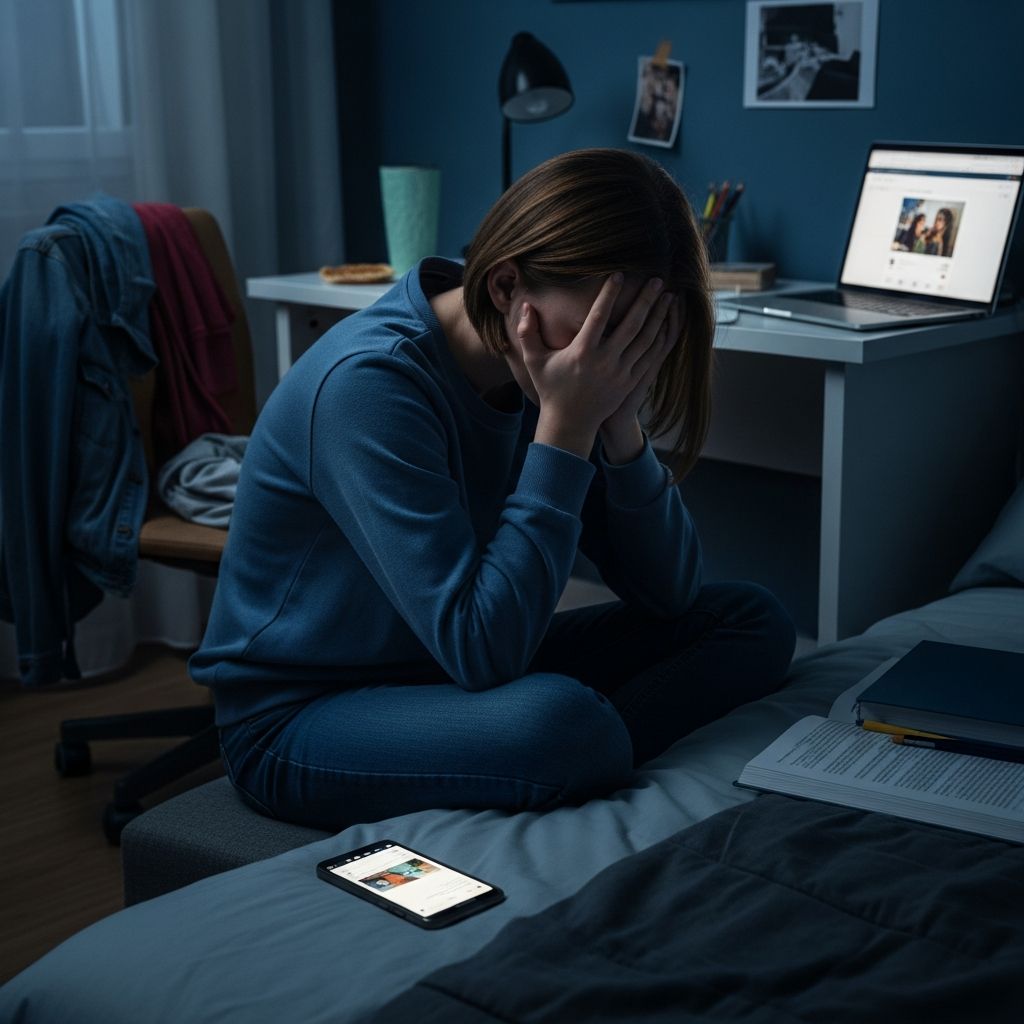
Generation Z, born roughly between 1997 and 2012, is navigating a world of unprecedented mental health challenges. Recent data reveals that nearly 40% of Gen Z individuals frequently experience uncertainty about the future, anxiety over decisions, and fear of failure, far exceeding rates in older generations. Parents play a pivotal role in identifying early indicators of this rising tide of anxiety, enabling timely interventions that can profoundly impact their child’s trajectory.
Understanding the Mental Health Landscape for Today’s Youth
The mental health crisis among Gen Z is not mere adolescence angst; it’s a documented epidemic. Surveys indicate that 94% of Gen Z youth in California report regular mental health struggles, driven by factors like affordability crises, climate fears, gun violence, and discrimination. Nationally, over 40 million U.S. adults grapple with anxiety disorders, with Gen Z showing the highest prevalence—averaging GAD-7 scores of 8.17, just shy of moderate anxiety.
Depression rates are equally alarming: 42% of Gen Z report persistent hopelessness, nearly double that of those over 25. The American Psychological Association notes that more than 90% of Gen Z adults have faced stress-induced physical or emotional symptoms. This generation’s constant exposure to global threats, economic instability, and digital overload has reshaped their psychological landscape.
Primary Drivers Fueling Gen Z’s Anxiety Epidemic
Several interconnected factors contribute to this surge. Social media stands out as a major culprit, with anxiety levels rising in direct correlation to screen time. Gen Z users averaging 10+ hours weekly on platforms score 7.08 on anxiety scales, compared to 3.56 for non-users. Phenomena like FOMO (fear of missing out) exacerbate this, pushing scores to 9.00 among affected youth.
- Social Media Overload: Constant comparison and cyberbullying disrupt sleep, attention, and self-esteem.
- Economic Pressures: 86% worry about finances, housing, and jobs amid stagnant wages and post-pandemic recovery.
- Global Crises: Climate change (78% concerned), gun violence (85%), and discrimination (78-81%) loom large.
- Academic Strain: 86% cite school-related stress as a top issue.
Experts like Jonathan Haidt argue that smartphones have rewired Gen Z brains during critical development, spiking anxiety and depression beyond millennial levels. The COVID-19 era amplified isolation, with depression rates jumping 25% globally in 2020.
Critical Behavioral Indicators Parents Should Watch For
Recognizing anxiety early can prevent escalation. Here are five key signs, drawn from recent research, that warrant parental attention:
- Persistent Irritability and Mood Swings: Gen Z anxiety often manifests as unexplained anger or emotional volatility, differing from typical teen moodiness. If daily interactions turn combative, it may signal underlying overwhelm.
- Avoidance of Social or School Activities: Withdrawal from friends, clubs, or classes—once enjoyed—indicates isolation fears. Barna data shows Gen Z is least likely to report never feeling lonely.
- Physical Complaints Without Clear Cause: Headaches, stomachaches, or fatigue are common somatic expressions. APA reports 91% of Gen Z link stress to physical symptoms.
- Sleep Disruptions and Fatigue: Social media’s blue light and late-night scrolling fragment rest. High screen users report severe sleep issues tied to elevated anxiety.
- Perfectionism and Decision Paralysis: Fear of failure (38% always feel it) leads to procrastination or over-analysis. This ties to academic pressures where 76% have felt overwhelmed recently.
| Sign | Prevalence in Gen Z | Comparison to Older Gens |
|---|---|---|
| Anxiety about decisions | 39% | Significantly higher |
| Fear of failure | 38% | Youngest most affected |
| Moderate-severe anxiety | 18.6% (state avg), Gen Z highest | Gen Z: 8.17 GAD-7 |
| Regular mental challenges | 94% | N/A |
Long-Term Health Implications of Unchecked Anxiety
Beyond immediate distress, prolonged anxiety in Gen Z poses serious risks. It weakens immune function, elevates cardiovascular dangers, and impairs cognition, potentially leading to chronic illnesses. Deloitte finds 40% of Gen Z feel stressed most of the time, mirroring millennial trends but at higher intensity. Early intervention is crucial to mitigate these outcomes.
Practical Strategies for Parents to Support Anxious Teens
Parents aren’t powerless. Start with open, non-judgmental conversations. Validate feelings without fixing: “I see this is tough for you—I’m here.” Limit screen time collaboratively; evidence shows reducing to under 1 hour weekly drops Gen Z anxiety scores to 2.89.
- Promote Offline Activities: Encourage sports, hobbies, or nature time to counter digital isolation.
- Model Healthy Habits: Prioritize sleep (9-11 hours for teens), balanced nutrition, and exercise.
- Seek Professional Help: Therapy like CBT is effective; 70% of Gen Z peers recognize anxiety’s prevalence.
- Address Root Causes: Discuss global worries factually, fostering resilience over fear.
- Build Routines: Consistent schedules reduce uncertainty.
Community resources, school counselors, and apps for mindfulness can supplement. Track progress: if signs persist beyond two weeks, consult a pediatrician.
Comparing Anxiety Across Generations
| Generation | Avg GAD-7 Score | % with Depression/Hopelessness | Stress Frequency |
|---|---|---|---|
| Gen Z (18-27) | 8.17 | 42% | 40% always/most |
| Millennials | 6.50 | N/A | 34% always/most |
| Gen X | 5.32 | N/A | Lower |
| Boomers | 3.04 | 23% | Lowest |
Frequently Asked Questions (FAQs)
How can I tell if my teen’s anxiety is normal or serious?
Normal anxiety is situational and fleeting; serious signs include daily interference with school, sleep, or relationships, physical symptoms, or avoidance lasting weeks. Consult a doctor if unsure.
Does social media really cause anxiety in Gen Z?
Yes, data shows a direct link: higher usage correlates with elevated GAD-7 scores, especially via FOMO and comparison. Reducing time significantly lowers anxiety.
What role do global events play in teen anxiety?
Major: 85% fear gun violence, 78% climate change—far higher than past generations, amplifying existential dread.
Can parents reduce their Gen Z child’s screen time effectively?
Absolutely—set family rules, use monitoring apps, and replace with activities. Studies confirm cuts lead to rapid anxiety relief.
When should we seek professional mental health help?
If anxiety disrupts daily life, persists >2 weeks, or includes suicidal thoughts. Early therapy prevents escalation.
Empowering Gen Z for a Resilient Future
By spotting signs like irritability, withdrawal, physical ailments, sleep issues, and perfectionism, parents can intervene decisively. Combining awareness with action—limiting screens, fostering talks, and accessing pros—transforms anxiety from crisis to manageable challenge. Gen Z’s openness to mental health offers hope; with parental support, they can thrive amid adversity.
References
- Gen Z More Prone to Fear, Uncertainty Than Older Generations — Barna Group. 2023. https://www.barna.com/trends/generation-anxious-gen-z-more-prone-to-fear-uncertainty-than-older-generations/
- Gen Z reports highest anxiety levels as screen time increases — PsyPost. 2026-01-01. https://www.psypost.org/gen-z-reports-highest-anxiety-levels-as-screen-time-increases/
- New Poll: 94% of Gen Z Youth Report Experiencing Regular Mental Health Challenges — Blue Shield of California. 2025-09-30. https://news.blueshieldca.com/2025/09/30/new-poll-94-of-gen-z-youth-report-experiencing-regular-mental-health-challenges
- Breaking Down Gen Z’s Mental Health Crisis — RTOR. 2025-01-27. https://www.rtor.org/2025/01/27/breaking-down-gen-zs-mental-health-crisis-why-depression-rates-are-higher-than-ever/
- Anxiety and Depression in Gen Z — Children’s Hope Alliance. N/A. https://www.childrenshopealliance.org/archives/16966
- Gen Z more likely to report mental health concerns — American Psychological Association. 2019. https://www.apa.org/monitor/2019/01/gen-z