During pregnancy, hormonal fluctuations can lead to gallstone formation in about 5-8% of women, potentially causing significant discomfort or complications. Effective management balances maternal health with fetal safety through conservative approaches, medications, or surgery when necessary.
Why Pregnancy Increases Gallstone Risk
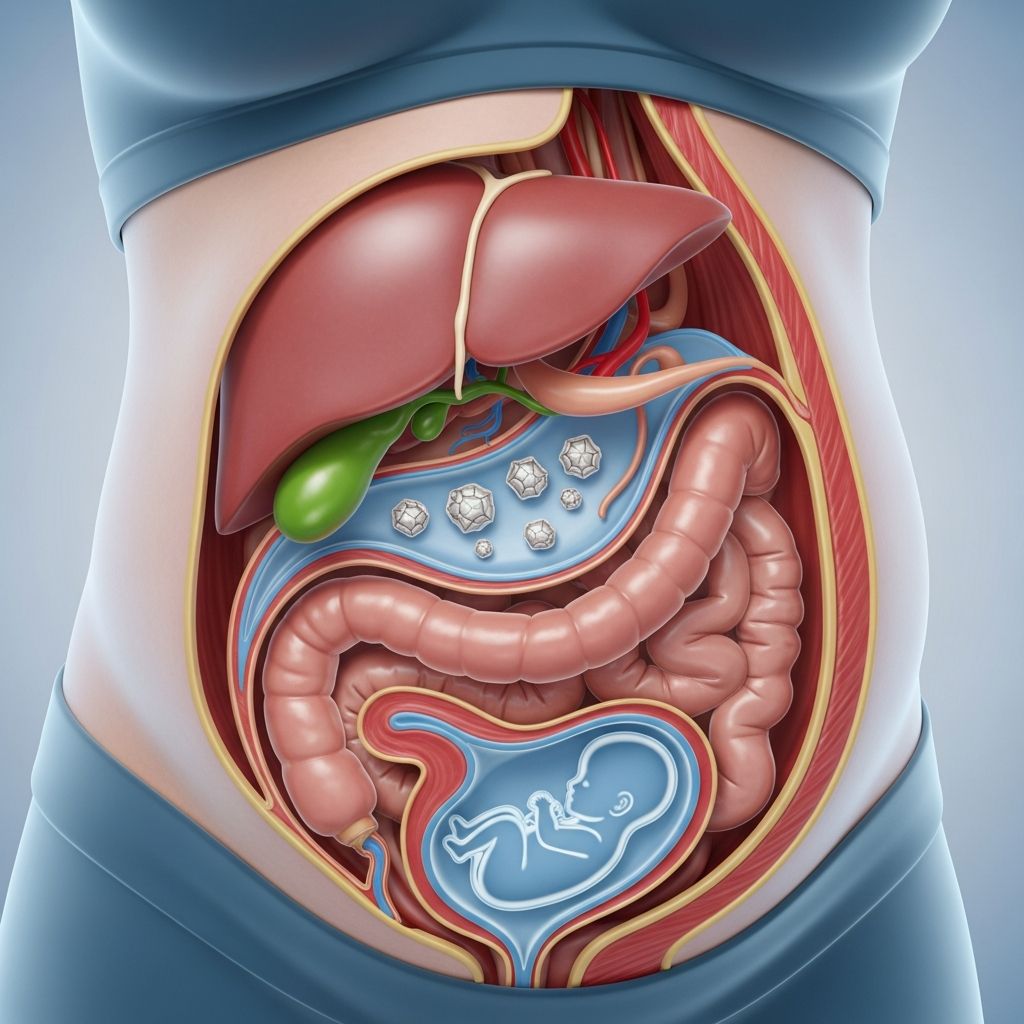
Pregnancy creates conditions ripe for gallstones, known medically as cholelithiasis. Elevated progesterone levels relax smooth muscles, slowing gallbladder emptying and promoting bile stasis. This allows cholesterol and bilirubin to crystallize into stones. Additionally, rising estrogen increases cholesterol saturation in bile, while dietary shifts toward higher fat intake exacerbate the issue.
Statistics indicate approximately 5% of pregnant individuals develop gallbladder sludge or stones, with 1.2% experiencing biliary pain. Most remain asymptomatic, but risks rise in later trimesters as the growing uterus compresses abdominal organs.
Recognizing Gallbladder Discomfort in Expectant Mothers
Symptoms often mimic common pregnancy complaints but intensify with gallstones. Key signs include:
- Sharp, escalating pain in the upper right abdomen or under the ribcage, worsening after fatty meals.
- Nausea, vomiting, and indigestion unrelated to typical morning sickness.
- Pain radiating to the back or right shoulder, lasting 30 minutes to several hours.
- Less common: fever, chills, jaundice (yellowing skin/eyes), dark urine, or pale stools signaling complications like infection or blockage.
Attacks, termed biliary colic, may resolve spontaneously but recur. Persistent symptoms beyond 5 hours, especially with fever or jaundice, demand immediate evaluation to rule out cholecystitis, pancreatitis, or bile duct obstruction.
Diagnostic Approaches Safe for Pregnancy
Healthcare providers start with a thorough history and physical exam. Ultrasound is the gold standard imaging tool—non-invasive, radiation-free, and highly accurate for detecting stones, sludge, or inflammation. It visualizes gallbladder wall thickening or dilation safely across all trimesters.
Blood tests assess liver function, white blood cell count for infection, and amylase/lipase for pancreatitis. In complex cases with suspected duct stones, MRCP (magnetic resonance cholangiopancreatography) offers detailed views without contrast risks.
Non-Surgical Strategies for Managing Symptoms
For mild or asymptomatic cases, conservative care is first-line, succeeding in many without intervention until postpartum. Core elements include:
- Dietary Adjustments: Opt for low-fat, frequent small meals to ease gallbladder workload. Avoid fried foods, dairy, and greasy items; emphasize fruits, vegetables, lean proteins, and whole grains.
- Pain Management: Acetaminophen (Tylenol) is typically safe; consult providers before use. Hydration and rest aid recovery.
- Pharmacotherapy: Ursodeoxycholic acid (UDCA) improves bile flow and may dissolve small stones. Combined with omega-3 fatty acids, it has shown complete resolution in some postpartum cases without surgery.
Close monitoring via serial ultrasounds tracks progression. Studies affirm conservative success, with healthy deliveries common, though relapse risks persist.
When Surgery Becomes Essential
Surgery is reserved for severe, recurrent pain, infection, or complications unresponsive to conservative measures. Laparoscopic cholecystectomy—minimally invasive gallbladder removal—is preferred, feasible in any trimester with low complication rates comparable to non-pregnant patients.
| Trimester | Surgical Considerations | Risks |
|---|---|---|
| First | Avoid if possible due to miscarriage risk | Slightly higher fetal loss |
| Second | Optimal window; lowest maternal/fetal risks | Minimal |
| Third | Viable if urgent; preterm labor risk | Respiratory issues from CO2 insufflation |
For bile duct stones, ERCP uses endoscopy to extract stones and place stents, shielding the fetus with abdominal lead shielding. This outpatient procedure minimizes hospitalization.
Potential Complications and Prevention Tips
Untreated gallstones risk acute cholecystitis (gallbladder inflammation), choledocholithiasis (duct blockage), or gallstone pancreatitis, all heightening preterm birth or maternal morbidity risks. Proactive screening in high-risk groups—obese women, rapid weight gainers, or family history—via routine ultrasound is advised.
Prevention focuses on lifestyle: maintain healthy weight gain (11-20kg total), low-fat diet, regular light exercise like walking. Postpartum, resuming UDCA or omega-3s prophylactically curbs recurrence.
Postpartum Resolution and Long-Term Outlook
Many stones dissolve naturally post-delivery as hormones normalize. For persistent issues, definitive surgery postpartum avoids pregnancy constraints. One NIH case detailed full resolution via ERCP, stenting, UDCA, and omega-3s over three months, with no recurrence over three years.
Breastfeeding compatibility is key; most treatments allow continuation with brief pauses if needed.
Frequently Asked Questions About Gallstones in Pregnancy
Can gallstones harm my baby?
Rarely directly, but complications like pancreatitis may indirectly affect fetal growth or trigger preterm labor. Prompt management protects both.
Is surgery safe while pregnant?
Yes, laparoscopic cholecystectomy is standard with experienced surgeons, showing outcomes akin to non-pregnant cases across trimesters.
What diet helps prevent attacks?
Low-fat meals: oatmeal, salads, grilled chicken, avoiding triggers like pizza or butter. Eat 5-6 small meals daily.
Do gallstones go away after birth?
Often yes, as bile dynamics normalize, but symptomatic cases may require intervention.
When should I go to the ER?
For pain >5 hours, fever, jaundice, persistent vomiting, or chills—indicating possible infection or blockage.
Consulting Healthcare Experts
Always involve obstetricians, gastroenterologists, and surgeons in multidisciplinary care. Individualized plans considering trimester, symptoms, and preferences yield best results. Early detection empowers informed choices for optimal maternal-fetal health.
References
- Non-Surgical Management of Gallstones During Pregnancy — National Institutes of Health (NIH). 2024. https://pmc.ncbi.nlm.nih.gov/articles/PMC11775300/
- Gallstones During Pregnancy: What Are My Treatment Options? — Desert West Surgery. 2023. https://www.desertwestsurgery.com/blog/gallstones-during-pregnancy-what-are-my-treatment-options
- Gallbladder stones during pregnancy: What you need to know — Vinmec International Hospital. 2024. https://www.vinmec.com/eng/blog/having-gallstones-during-pregnancy-what-you-need-to-know-en
- A Guide To Gallstones During Pregnancy — Jefferson Health. 2023. https://www.jeffersonhealth.org/your-health/living-well/a-guide-to-gallstones-during-pregnancy
- Gallstones – Symptoms & causes — Mayo Clinic. 2025-01-15. https://www.mayoclinic.org/diseases-conditions/gallstones/symptoms-causes/syc-20354214