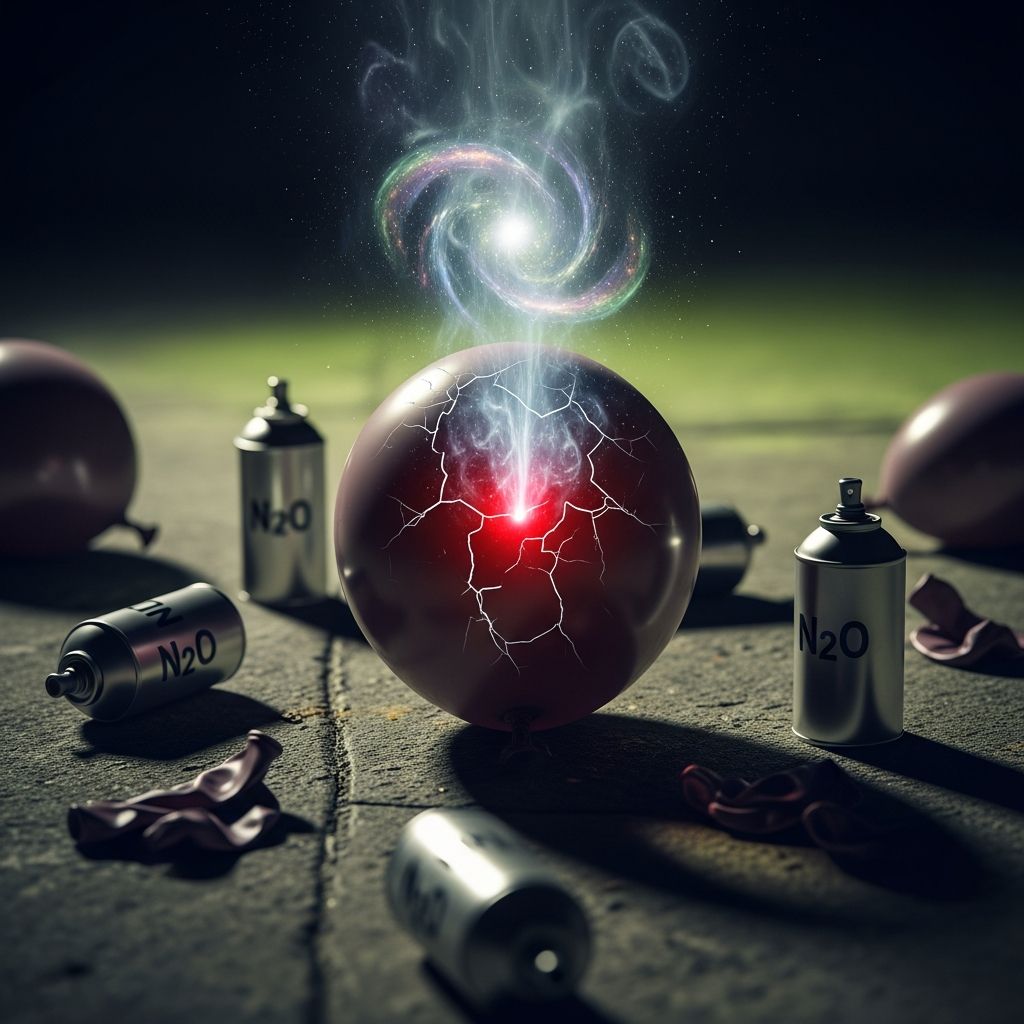
Galaxy Gas has surged in popularity as a seemingly harmless party trend, but it is essentially nitrous oxide—a gas with legitimate medical uses that becomes extremely hazardous when inhaled recreationally. Marketed in colorful canisters with appealing flavors, it promises quick euphoria but delivers profound risks to the brain, nervous system, and overall health, especially among young users.
Understanding the Basics of Galaxy Gas
Nitrous oxide, the core component of Galaxy Gas, is a colorless, non-flammable gas known chemically as N₂O or dinitrogen monoxide. In professional settings, it serves as an anesthetic and analgesic, helping patients manage pain and anxiety during dental work or minor surgeries. Recreationally, however, users inhale it directly from canisters or balloons to achieve a brief high lasting seconds to minutes.
The gas works by rapidly entering the bloodstream through the lungs, displacing oxygen and interacting with brain neurotransmitters. This creates sensations of detachment, laughter, and relaxation—hence the nickname ‘laughing gas.’ But this mechanism is precisely what makes it dangerous outside controlled environments.
How Galaxy Gas Affects the Body Immediately
Upon inhalation, Galaxy Gas triggers a cascade of short-term effects. Users often report intense euphoria, distorted perceptions of sound and time, and a floating sensation. These stem from the gas’s ability to antagonize NMDA receptors in the brain and potentiate GABA activity, mimicking dissociative anesthetics.
- Euphoria and dissociation: Feels like a dreamlike escape from reality.
- Sensory alterations: Sounds may seem echoing or amplified; vision can blur.
- Physical reactions: Dizziness, loss of coordination, and sudden laughter bursts.
These effects fade quickly as the gas is exhaled, but repeated use in one session amplifies dangers like hypoxia—oxygen starvation—which can lead to fainting or seizures.
Short-Term Health Risks You Can’t Ignore
Beyond the high, immediate hazards include frostbite from the super-chilled gas escaping canisters, directly onto skin or lips. Nausea, vomiting, and headaches follow as the body recovers from oxygen debt.
| Risk | Description | Potential Outcome |
|---|---|---|
| Hypoxia | Oxygen displaced in blood | Loss of consciousness, accidents |
| Frostbite | Cold gas contact | Skin/nerve damage |
| Cardiovascular strain | Heart rate fluctuations | Arrhythmias in vulnerable users |
In extreme cases, a single session can prove fatal if inhalation prevents breathing or causes asphyxiation.
Long-Term Neurological Devastation from Galaxy Gas
Chronic abuse ravages the nervous system. Nitrous oxide inactivates vitamin B12, essential for myelin sheath maintenance around nerves. Deficiency leads to subacute combined degeneration of the spinal cord, characterized by numbness, weakness, and incontinence.
Brain imaging reveals cerebellar atrophy and reduced white matter. Cognitive impairments—memory loss, poor concentration—persist even after cessation. Studies confirm elevated homocysteine and methylmalonic acid (MMA) as biomarkers of this toxicity.
- Peripheral neuropathy: Tingling in extremities.
- Cognitive decline: Mimics dementia in severe cases.
- Psychiatric effects: Anxiety, depression, hallucinations.
Hypoxia from repeated use kills brain cells; damage can begin in minutes without oxygen.
Why Teens Are Driving the Galaxy Gas Trend
Social media showcases Galaxy Gas as a ‘safe’ high, with videos of flavored canisters at parties. Teens perceive it as less risky than traditional drugs, ignoring warnings. Accessibility—sold online or in smoke shops as ‘whippets’ for whipped cream—fuels misuse.
Developmentally, adolescent brains are vulnerable; nitrous oxide disrupts maturing neural pathways, heightening addiction risk and long-term damage.[10]
Legal Status and Availability Concerns
Nitrous oxide isn’t federally scheduled in the U.S., but many states regulate large sales to curb abuse. Galaxy Gas skirts rules by marketing as food-grade for culinary use, yet intent matters—inhalation for intoxication is illegal in contexts like driving.
Internationally, countries like the UK have tightened restrictions due to rising hospitalizations.
Signs of Galaxy Gas Abuse in Loved Ones
Parents and friends should watch for:
- Empty colorful canisters or balloons around.
- Sudden mood swings, confusion, or gait issues.
- Mouth sores from frostbite.
- Social withdrawal or secrecy about parties.
Blood tests for low B12 or high MMA can confirm exposure.
Prevention: Educating Against the Hype
Combat the trend with open talks about real risks, not myths. Schools and communities can host awareness sessions highlighting medical facts. Secure storage of legitimate N₂O products prevents access.
For those struggling, professional help via addiction specialists addresses inhalant dependency, often intertwined with polysubstance use.
Medical Uses: When Nitrous Oxide is Safe
Under supervision, nitrous oxide shines in dentistry and obstetrics for sedation without full unconsciousness. Doses are monitored, oxygen mixed in, minimizing risks. Culinary whippets require proper dispensers, not direct inhalation.
Frequently Asked Questions About Galaxy Gas
Is Galaxy Gas just whipped cream charger gas?
Yes, it’s food-grade nitrous oxide, but inhaling it directly bypasses safe culinary use and causes harm.
Can one-time use of Galaxy Gas hurt you?
Even once can cause hypoxia or frostbite; risks escalate with repetition.
Does Galaxy Gas show up on drug tests?
Standard tests don’t detect it, but B12 deficiency markers can indicate abuse.
How to recover from Galaxy Gas nerve damage?
B12 supplements and cessation help, but permanent damage occurs in heavy users. Seek neurology care.
Is Galaxy Gas addictive?
Psychological dependence develops quickly due to euphoria; tolerance builds with frequent use.
Protecting the Next Generation from Inhalant Trends
Galaxy Gas exemplifies how innocuous packaging masks grave dangers. By demystifying its effects—from fleeting highs to lifelong neurological scars— we empower prevention. Stay vigilant, educate proactively, and prioritize health over hype.
References
- The Truth About Galaxy Gas: What It Is, Side Effects, & Abuse — SunCloud Health. 2024. https://suncloudhealth.com/blog/galaxy-gas-abuse-what-you-need-to-know/
- What Does Galaxy Gas Do to Your Brain? [2026 Update] — Robert King Law Firm. 2026-01-01. https://www.robertkinglawfirm.com/mass-torts/whip-it-lawsuit/galaxy-gas-lawsuit/galaxy-gas-side-effects/what-does-galaxy-gas-do-to-your-brain/
- From “Laughing Gas” to “Galaxy Gas”: An Updated Review — PMC (PubMed Central). 2024. https://pmc.ncbi.nlm.nih.gov/articles/PMC12575818/
- Nitrous Oxide — Wikipedia (for background; primary sources cited). N/A. https://en.wikipedia.org/wiki/Nitrous_oxide
- Galaxy Gas: Risks of Nitrous Oxide Misuse Among Teens — DrugFree.org. 2024. https://drugfree.org/article/galaxy-gas-risks-of-nitrous-oxide-misuse-among-teens/
- Nitrous Oxide (Laughing Gas): Uses, Side Effects & Safety — Cleveland Clinic. 2024. https://my.clevelandclinic.org/health/treatments/nitrous-oxide-laughing-gas