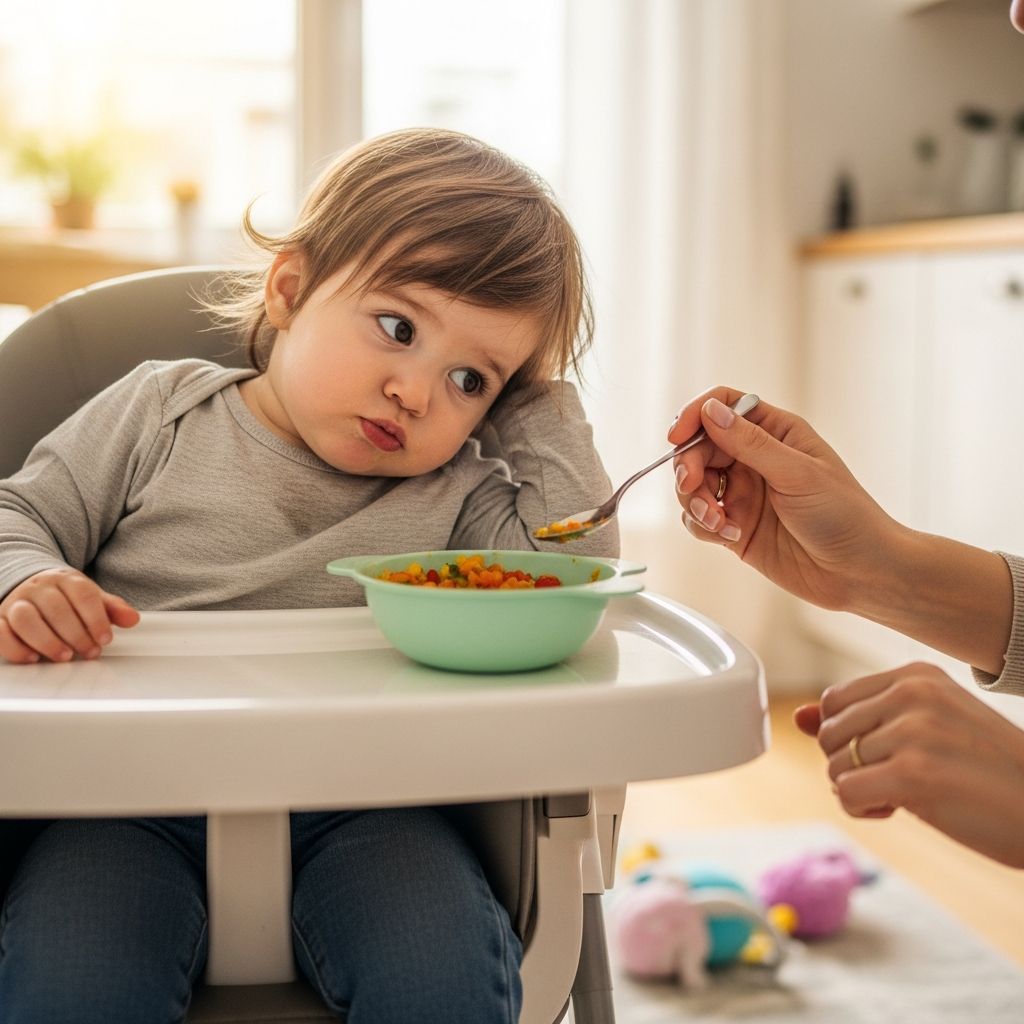
Every parent knows the moment: the house is loud, the mess is spreading, someone is melting down, and you can feel your own temper rise. You do not want to yell, but your body and brain are ready to explode. What if, in that exact second, you could make yourself laugh instead?
Using humor and funny self-talk is an underrated but powerful way to interrupt anger, reset your thinking, and respond to your kids with more patience and connection. This article explores why it works, how to do it safely and respectfully, and practical steps you can start using today.
Why Parents Yell (And Why It Rarely Works)
Yelling is usually a sign that a parent feels overwhelmed, out of control, or unheard. It is less about a child’s behavior and more about a buildup of stress, frustration, and exhaustion. The problem is that yelling rarely teaches kids what to do differently, and it often damages trust.
- Yelling releases pent-up anger, but it does not give kids clear skills or tools.
- Children who are yelled at frequently may tune it out, become more anxious, or start yelling back.
- Many parents feel guilty or ashamed after yelling, which adds another layer of emotional weight to already hard days.
Calmer, more respectful discipline is not about being perfect. It is about having simple strategies ready for those intense moments, so you do not have to rely on shouting to feel in control.
What Is Funny Self-Talk in Parenting?
Funny self-talk is when you deliberately narrate your thoughts in a playful, exaggerated, or humorous way instead of exploding in anger. It is not about mocking your child. It is about gently “roasting” your own frustration or overreaction so you can step back and gain perspective.
Done well, humorous self-talk becomes a pressure valve. You acknowledge that you are mad, but you choose to respond in a way that is light enough to keep you from crossing the line into yelling or shaming.
- You focus the joke on yourself, not your child.
- You exaggerate your own dramatic reaction (in a safe, playful way) to show that you see the humor in the situation.
- You use that tiny burst of laughter as a reset button to choose a calmer response.
Benefits of Using Humor to Diffuse Anger
Using humor and self-talk intentionally during tense parenting moments can shift the entire emotional climate in your home. It does not magically erase stress, but it makes hard moments more manageable and less scary for everyone.
| Benefit | What It Looks Like |
|---|---|
| Emotional Reset | You feel your voice rising, crack a small joke at your own expense, and your body relaxes enough to choose different words. |
| Modeling Regulation | Your kids see that big feelings are allowed, but explosions are optional, and that adults can handle frustration creatively. |
| Less Fear, More Safety | Kids do not have to brace for yelling, which makes them more open to learning and cooperating. |
| Stronger Connection | Shared laughter in a hard moment builds a sense of “we are on the same team,” even when behavior needs correcting. |
Examples of Funny Self-Talk in Real Moments
To make this practical, imagine a few common scenarios and how humorous self-talk might show up. These are fictional examples, but they reflect real dynamics in many homes.
Example 1: The Toy Explosion
You walk into the living room and see toys everywhere after you asked your child to clean up.
- Old reaction: “I have told you a thousand times! Why can you never just listen?”
- Humorous self-talk: You sigh dramatically and say out loud, “Ladies and gentlemen, behold: the floor has disappeared under Mount Lego. Our hero, the tired parent, is attempting not to lose it!” Then you take a breath and say, “Okay, partner, we are tackling this mountain together for ten minutes. Let’s go.”
The difference is not that you ignore the mess. It is that you defuse your anger by admitting it in a playful way, then pivot to action.
Example 2: The Backtalk Battle
Your child rolls their eyes and snaps back when you ask them to pause a game and set the table.
- Old reaction: “Excuse me? Do not you dare talk to me like that!” (followed by a lecture).
- Humorous self-talk: You place a hand on your chest and say, “Ah yes, the eye roll. A classic move. Unfortunately, the ancient prophecy still requires you to set the table.” Then you calmly add, “Try that request again with a respectful tone, and we will reset.”
Again, the boundary stays firm, but the way you enforce it invites cooperation instead of escalating the conflict.
Step-by-Step: How to Use Humor Without Losing Authority
Humor is powerful, but it has to be used carefully, especially when feelings are already running high. Here is a simple process you can practice.
- Notice your early warning signs. Do your shoulders tense? Does your jaw clench? Do you start talking faster or louder? The earlier you notice, the easier it is to pivot.
- Pause and breathe. Even two slow breaths can lower your heart rate enough to think clearly before you speak.
- Choose a safe, self-directed joke. Make fun of your own dramatic reaction (“My brain wants to yell, but my heart wants to keep my job as a loving parent today”). Avoid sarcasm about your child.
- Keep the limit clear. Follow your joke with a simple, firm instruction: “We are still putting the blocks away now,” or “You can be upset and still speak respectfully.”
- Repair if you go too far. If you slip into mockery or your child looks hurt, own it: “That joke did not land. I am sorry. I am frustrated, but I do not want to be unkind.”
What Not to Do With Humor
Used carelessly, attempts at comedy can feel like criticism or humiliation to kids. The goal is always connection plus boundaries, not entertainment at your child’s expense.
- Do not use sarcasm that calls your child names or labels them as lazy, bad, or dramatic.
- Do not encourage siblings to laugh at one child when they are upset or struggling.
- Do not use humor to avoid real issues, like chronic disrespect or unsafe behavior, that need calm conversations later.
Think of it this way: humor should help everyone feel safer and lighter, not smaller or more alone.
Balancing Being the Fun Parent and the Firm Parent
Many caregivers worry that if they joke around too much, kids will not take them seriously. The reality is that it is possible to be both firm and playful. The key is consistency: your rules do not disappear just because you change your tone.
| Fun Without Firmness | Firm Without Fun | Fun + Firm Together |
|---|---|---|
| Lots of jokes, but rules are unclear; kids may test limits constantly. | Rules are clear, but kids feel tense, criticized, or disconnected. | Kids know what is expected, but the atmosphere is lighter and more cooperative. |
| Parent avoids conflict and gives in easily. | Parent relies on fear or anger to gain compliance. | Parent uses warmth, humor, and clear boundaries to guide behavior. |
Staying playful while holding boundaries tells your child, “I am in charge of my behavior, you are in charge of yours, and we are still on the same team.” That message is far more effective than any shouted lecture.
Practical Scripts You Can Adapt
Here are some short, playful lines you can customize. The idea is not to memorize them, but to get a feel for how humorous self-talk sounds when it is respectful and clear.
- “Wow, my brain is giving me the ‘YELL NOW’ alarm. I am going to switch it to ‘BREATHE NOW’ instead.”
- “Breaking news: your parent is on the edge of losing their cool, but they are choosing the ‘calm channel’ today.”
- “My inner grumpy giant really wants to stomp, but I am going to use my indoor voice and my grown-up skills instead.”
- “I am about to say something I will regret, so I am going to walk over here for ten seconds and come back with a better plan.”
When kids hear you talk this way about your own feelings, they learn two crucial lessons: big emotions are normal, and self-control is learnable.
Supporting Yourself So Humor Is Possible
No strategy works well if you are completely depleted. Humor and patience require at least a tiny bit of internal fuel, and many parents are running on empty. Making small changes to care for yourself makes it more realistic to respond playfully instead of explosively.
- Build in micro-breaks: two minutes alone in the bathroom, a quick stretch, or stepping outside for fresh air.
- Lower perfectionist standards at home during rough seasons; less pressure means fewer anger triggers.
- Talk openly with a partner, friend, or therapist about your anger so you do not feel alone with it.
Self-compassion matters here. You are not a bad parent for feeling angry. You are a human trying to learn new ways of coping.
Frequently Asked Questions (FAQs)
Is it okay to laugh when my child is misbehaving?
It depends on how and why you are laughing. If your laughter is gentle and directed at your own reaction, it can lighten the mood and help you respond calmly. If your laughter feels mocking or dismissive to your child, it can hurt their feelings and make them less likely to cooperate.
Will using humor make my child take me less seriously?
Not if your rules and follow-through are consistent. Kids actually tend to respect adults who are both kind and clear. If your expectations stay steady and you enforce them calmly, humor becomes a tool for connection, not a sign of weakness.
What if I still end up yelling even when I try to be funny?
Changing lifelong habits takes time. If you yell, the most important step is to repair afterward: apologize, name what you wish you had done differently, and recommit to your new tools. Over time, your brain will get better at reaching for humor and pauses before it reaches for shouting.
Is it wrong to feel angry at my kids?
Feeling anger is not wrong; it is a normal human emotion. What matters is how you express it. Learning to redirect anger into calm firmness, clearer boundaries, and even gentle humor protects your relationship and teaches your child healthier ways to handle their own big feelings.
When should I not use humor?
Avoid humor in moments of serious safety concerns, like running into the street or hurting another child, or when your child is clearly very distressed and needs validation first. In these cases, a steady, calm tone and clear limits are more important than making anyone laugh.
Making Calm, Funny Parenting Part of Daily Life
Staying calm as a parent is not about never getting upset. It is about recognizing that split second when you are about to yell and choosing a different path. Funny self-talk, lighthearted narration, and a willingness to gently roast your own overreactions give you that different path.
As you practice, your kids learn that mistakes can be handled without explosions, that grown-ups can apologize and improve, and that home is a place where even tense moments can end in connection instead of fear. That is a gift that will outlast any single meltdown, from you or from them.