Back-to-school season brings crisp notebooks, fresh pencils, and the annual tradition of teachers asking kids to draw their families. Most parents expect lopsided stick figures and crooked hearts. Some get something else entirely: a hilariously honest portrait that exposes every late-night snack, messy ponytail, or phone habit the child has quietly observed all year.
Why Back-to-School Family Pictures Matter
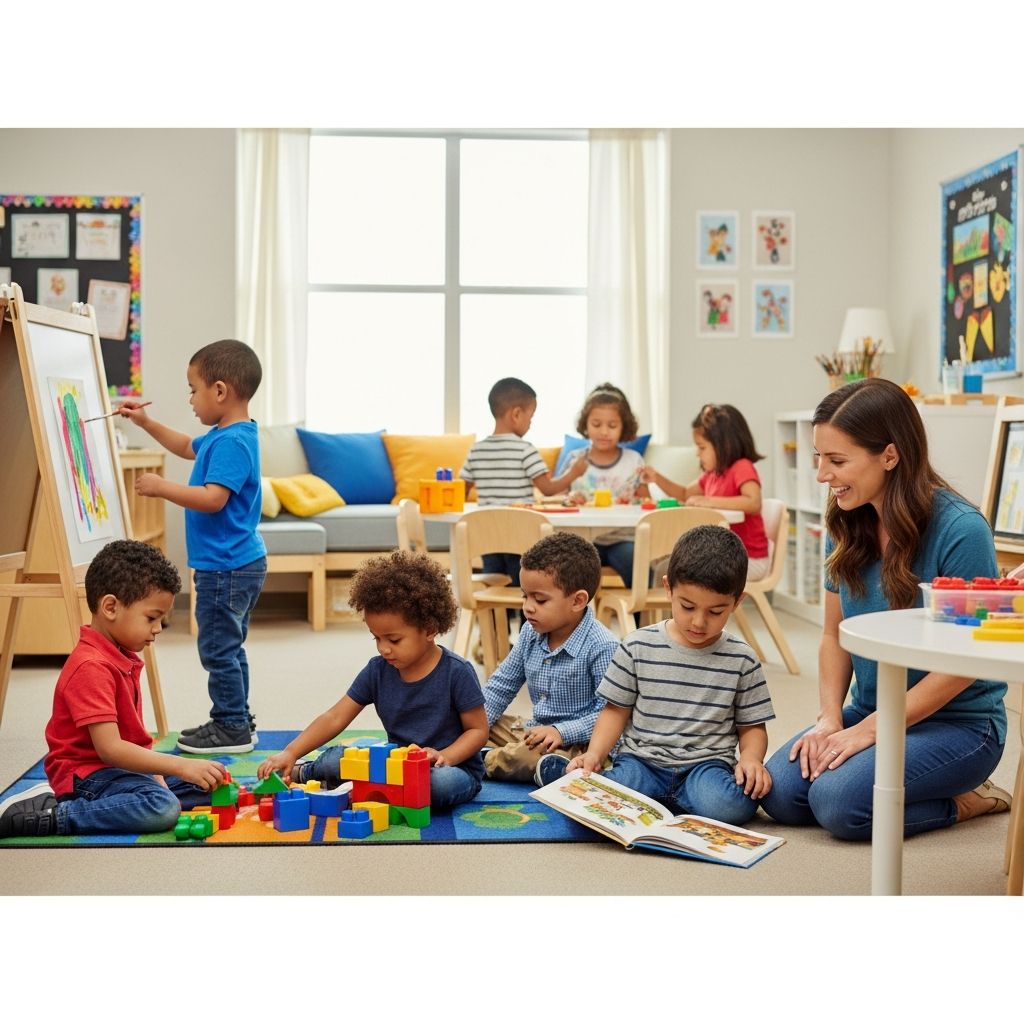
Family drawings and back-to-school pictures look cute on the surface, but they also offer a real window into how children see their world. Teachers use these simple projects to break the ice, calm first-week nerves, and give every child a chance to share who is important at home.
For parents, these assignments can feel like a surprise report card on everyday life. The unfiltered way kids combine humor, honesty, and random details often tells a richer story than any carefully staged family photo ever could.
The Unfiltered Honesty of Kids’ Drawings
Children rarely worry about politeness when they pick up a crayon. If they always see Dad in the same worn-out T-shirt on the couch, that will show up in the drawing. If Mom is usually carrying a coffee, a laptop, and two backpacks at once, the picture might exaggerate those features in a way that feels painfully accurate.
This ruthless honesty is exactly what makes these school projects so funny. Kids are not trying to embarrass anyone; they are simply recording the details that feel normal and important to them, even if adults would prefer a softer edit.
A Typical Scene: One Project, One Mortified Parent
Imagine a second grader bringing home a back-to-school assignment where the teacher asked the class to draw one family member. The child picks Dad, thinks for a moment, and then draws him with bedhead hair, a giant cup of coffee, and a permanently grumpy face because that is what mornings look like in their house.
To the child, this is loving and accurate. To Dad, it can feel like a public billboard announcing that he is always tired, messy, or stuck to his phone. That gap between intention and interpretation is where the comedy lives.
Common Details Kids Love to Expose
When kids turn everyday life into art, certain themes tend to appear again and again. These tiny details make the drawings so instantly recognizable to every parent who has ever tried to hold it all together on a school morning.
- Coffee cups and energy drinks: Many kids faithfully include that oversized mug or can their parents cling to before 8 a.m.
- Phones and tablets: If a parent scrolls, answers work emails, or watches videos nearby, the device usually becomes part of the portrait.
- Messy hair and comfy clothes: Children often draw the exact T-shirt, robe, or messy bun that appears during weekends and school mornings.
- Work bags and laptops: Parents who juggle work and school logistics may be drawn with a laptop in one hand and a backpack in the other.
- Facial expressions: Tired eyes, big smiles, or cartoonish frowns can all show how the child reads the parent’s mood at key times of day.
Why These Pictures Go Viral
Every year, at least one family picture or school drawing explodes on social media because it is just too relatable. Parents all over the world recognize themselves in the tired posture, the chaotic background, or the accidental insult hidden in the crayons.
What starts as a private classroom moment often becomes a global inside joke about modern parenting. Friends tag each other, other parents comment with their own stories, and the image turns into a shared reminder that nobody’s family looks like a catalog in real life.
Table: How Kids See Home vs. How Parents Feel
This simple table contrasts what kids tend to draw with what parents think they are showing. It highlights the gap between intention and perception, and why the results can be so funny.
| Child’s Drawing Detail | What the Kid Probably Thinks | What the Parent Fears It Says |
|---|---|---|
| Huge coffee mug | “This is what Mom always holds when we talk in the morning.” | “Everyone will think I cannot function without caffeine.” |
| Parent on the couch | “This is where we cuddle and watch movies together.” | “It looks like I never move and never help.” |
| Phone in hand | “This is how Mom takes pictures of us and answers calls.” | “The teacher will believe I ignore my kids for my phone.” |
| Messy hair or pajamas | “This is how Dad looks when he makes breakfast.” | “Everyone will assume I never get dressed.” |
| Big frown or tired eyes | “Mornings are hard and kind of funny.” | “It looks like I am always mad or stressed.” |
How Parents Can React in the Moment
When a child brings home a wildly honest drawing, the first impulse might be to defend, explain, or even correct the picture. Taking a breath and responding with humor usually goes much further than reacting with embarrassment or anger.
A calm, playful reaction also shows children that honesty is safe. When they see that their version of the truth does not spark shame or punishment, they are more likely to keep sharing their inner world as they grow.
- Laugh first, then talk. A lighthearted comment such as, “Wow, my hair really does look like that in the morning,” can break the tension.
- Ask curious questions. Invite the child to explain each detail so the parent can hear what it means from their point of view.
- Thank them for their effort. Separate the art from the interpretation and celebrate the time and care they put into the project.
- Use it as a mirror. If one detail truly bothers the parent, it can signal a habit worth gently adjusting.
What Teachers See in These Pictures
For educators, these drawings are less about judging parents and more about understanding the child’s emotional world. A funny family portrait can help a teacher spot who comforts the child, what daily routines look like, and which relationships feel strongest.
Teachers also understand that children compress a lot of information into a single page. An exaggerated coffee mug or giant phone is not a literal accusation; it is a symbol of what stands out most during the limited moments the child chooses to capture.
Turning Awkward Moments into Connection
Instead of seeing an embarrassing drawing as a criticism, parents can treat it as an invitation. Every awkward detail is a conversation starter about family routines, emotions, and what life at home really feels like to the child.
By staying curious, parents create space for deeper sharing, whether the picture shows a goofy, superhero-like version of them or a slightly frazzled one who leans a little too heavily on coffee and couch time.
Practical Tips for Embracing Honest Back-to-School Pictures
These simple strategies help families navigate the yearly wave of school projects with more laughter and less stress. They also encourage kids to keep expressing themselves freely through art and storytelling.
- Display the art proudly: Putting the drawing on the fridge or a bulletin board signals that the child’s perspective is valued, even when it stings a bit.
- Create your own version: Let the parent draw the family too, then compare pictures. The differences often lead to surprisingly deep conversations.
- Talk about feelings: Ask how the child felt when creating the picture and what they hoped other people would see or understand.
- Share the story selectively: If posting online, consider the child’s privacy and future feelings before sharing a drawing that reveals a lot about home life.
- Update the picture later: Repeating the same drawing months or years later can show how both the child’s skills and their view of the family have evolved.
SEO-Friendly Takeaways for Parents
Parents searching for “funny back to school family picture,” “kid draws embarrassing parents,” or “hilarious school assignment” are really looking for reassurance that they are not alone. The truth is that almost every family has a moment when a child’s art overshares something private or unflattering.
Instead of treating these projects as a test to pass, it helps to view them as spontaneous, unscripted snapshots of real life. In a world full of filtered images, a crooked, brutally honest crayon drawing might be the most accurate portrait a family ever gets.
Frequently Asked Questions (FAQs)
1. Why do kids draw their parents looking so tired or messy?
Children draw the moments that stand out most to them, and mornings or evenings tend to be when parents are both physically present and visibly worn out. What looks like an unflattering detail to an adult feels like simple, honest observation to a child who is used to seeing hair, clothes, and faces in their most relaxed state.
2. Should I be worried about what the teacher thinks of our family?
Teachers know that children exaggerate, compress, and simplify when they draw, especially in early grades. A single silly family picture rarely changes an educator’s overall impression; they rely far more on ongoing contact, classroom behavior, and conversation than on one humorous assignment.
3. Is it okay to ask my child to change a drawing if it embarrasses me?
Pressuring a child to erase or redo their art can send the message that their honest perspective is not welcome. A healthier approach is to talk about what bothers the parent, share their feelings gently, and still let the original picture stand as the child’s work.
4. How can I gently correct a detail that feels unfair?
Parents can acknowledge the drawing and then add their own voice without challenging the child’s version directly. For example, they might say, “You drew me with my phone a lot, and you are right that I use it often. I am also working on putting it down more when we talk.”
5. Should I post my child’s funny school drawing online?
Sharing can bring laughter and connection, but it also raises privacy concerns. Before posting, parents can consider whether the image might embarrass the child later, whether any personal details are visible, and how to frame the story in a way that feels respectful rather than mocking.
Back-to-school drawings and family pictures are more than just cute keepsakes. They are small, messy, hilarious proof that kids pay attention, that families are imperfect, and that love shows up even in the most unflattering lines of crayon and marker.