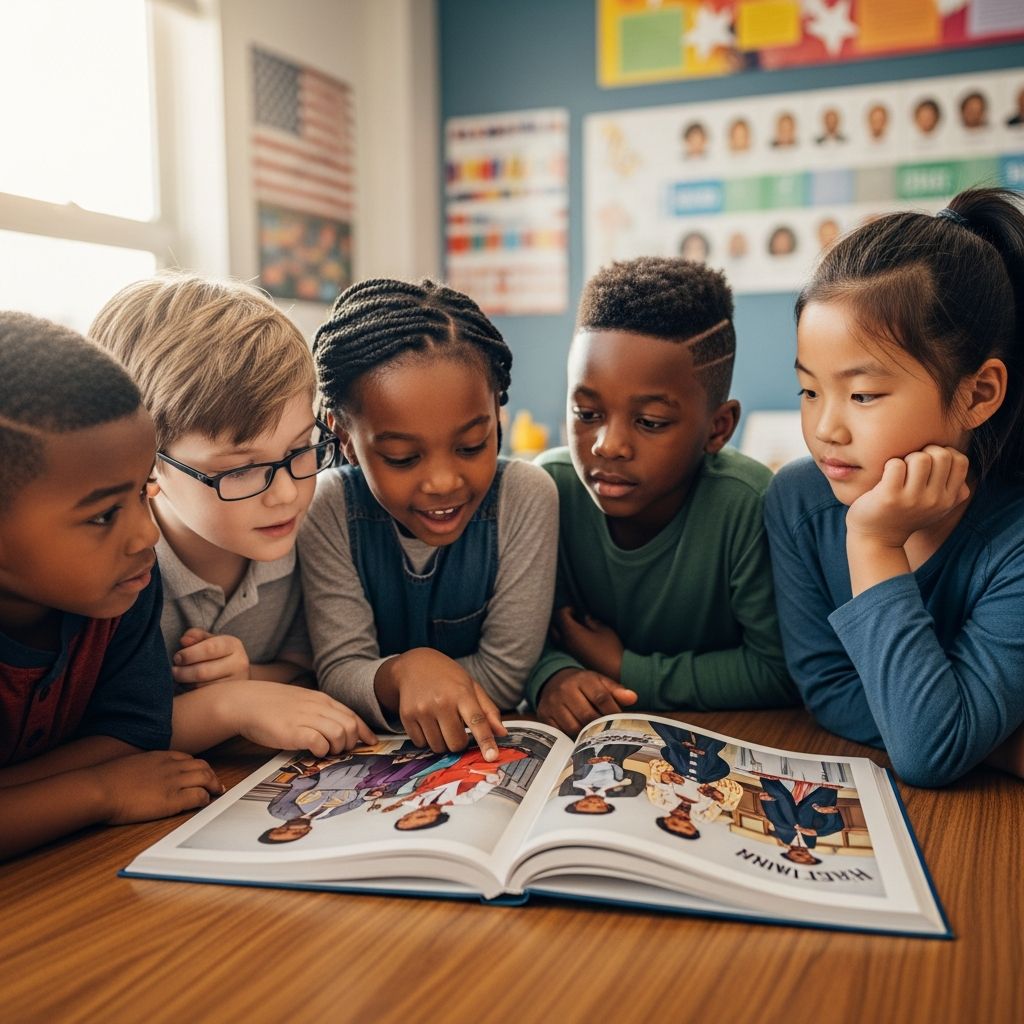
Introducing children to Black history goes beyond annual observances; it builds a foundation of empathy, resilience, and cultural appreciation that lasts a lifetime. Parents play a pivotal role in making these lessons vibrant and relatable through everyday activities.
Building Foundations Through Stories and Books
Stories serve as gateways to understanding complex histories. Selecting age-appropriate children’s books authored by Black writers or focusing on African American experiences helps kids grasp both triumphs and challenges. These narratives highlight heroes who overcame adversity, from inventors to activists, providing balanced perspectives on joy, struggle, and innovation.
- Start with picture books for toddlers featuring figures like Rosa Parks or George Washington Carver, using vivid illustrations to spark curiosity.
- For school-age children, choose biographies that detail contributions in science, arts, and civil rights, encouraging questions about fairness and perseverance.
- Teens benefit from novels exploring identity and legacy, prompting deeper reflections on contemporary issues rooted in history.
Incorporate reading into routines by discussing characters’ decisions and relating them to modern life. This method not only educates but strengthens family bonds through shared insights.
Immersive Experiences at Museums and Sites
Museums and historic landmarks transform abstract events into tangible lessons. The Smithsonian National Museum of African American History and Culture offers virtual learning labs with artifacts, allowing kids to curate explorations from home. These resources suit all ages, emphasizing primary sources to teach research skills.
Local visits to sites like Underground Railroad stops or abolitionist homes bring stories alive. Prepare with guiding questions: ‘What emotions do these places evoke?’ or ‘How do they connect to today?’ Such outings foster critical thinking and community connection.
| Age Group | Recommended Sites | Activity Focus |
|---|---|---|
| Preschool | Interactive exhibits | Sensory exploration |
| Elementary | Historic homes | Storytelling sessions |
| Middle/High School | Museums with timelines | Debate and analysis |
Virtual field trips extend access, ensuring every family can participate regardless of location.
Culinary Adventures Celebrating Heritage
Food bridges generations, offering a sensory entry into Black history. Preparing soul food, African dishes, or Caribbean recipes like collard greens or jollof rice opens discussions on migration, adaptation, and cultural fusion. Explain how ingredients evolved through trade, enslavement, and innovation.
- Gather family for hands-on cooking sessions, assigning roles based on age.
- Pair meals with stories of culinary pioneers, linking flavors to historical contexts.
- Experiment with recipes to show how traditions persist and change.
This approach makes learning deliciously memorable, reinforcing pride in ancestral ingenuity.
Artistic Expressions and Creative Projects
Art channels history into personal creativity. Inspire kids with artists like Alma Thomas or Jacob Lawrence, then have them recreate styles using collages or paintings depicting key events.
For movement lovers, teach step dancing or African rhythms, connecting physicality to cultural roots. Older students can adapt speeches or poems by icons like Maya Angelou for today’s audience, blending past and present.
- Younger kids: Craft masks or instruments mimicking African designs.
- Teens: Design Afrofuturism projects inspired by Black Panther, envisioning inclusive futures.
These activities promote diversity discussions and self-expression.
Media and Discussions for Deeper Insight
Films and documentaries like ‘Hidden Figures’ or ‘Selma’ visualize achievements and struggles. Follow viewings with talks: ‘What surprised you?’ or ‘How does this relate to now?’ Podcasts such as Historically Black from the Smithsonian offer bite-sized episodes on diaspora stories.
Encourage biography research, where kids select icons matching their interests—sports stars, scientists, musicians—and present findings. This builds ownership of learning.
Year-Round Integration Beyond February
Black history enriches curricula anytime. West African kingdoms, resistance narratives, and diaspora influences provide ongoing lessons. Flexible plans let interests guide, like reading curated books term-by-term.
Incorporate civic education on voting rights, empowering youth toward engagement. Community service ties personal action to historical advocacy.
Age-Appropriate Strategies Table
| Age | Key Methods | Goals |
|---|---|---|
| 0-5 | Books, crafts, songs | Basic awareness, joy |
| 6-10 | Museums, cooking, films | Empathy, facts |
| 11-14 | Projects, discussions | Critical thinking |
| 15+ | Podcasts, activism | Advocacy, identity |
Frequently Asked Questions
How do I start teaching Black history at home?
Begin with accessible books and family discussions, gradually adding visits and projects tailored to interests.
Are there free resources available?
Yes, sites like BlackPast.org offer timelines, and NMAAHC provides virtual labs and podcasts.
How can I make it relevant year-round?
Link topics to current events, hobbies, and community opportunities for organic integration.
What if my child asks tough questions about struggles?
Answer honestly with age-appropriate details, emphasizing resilience and progress.
Can these activities work for non-Black families?
Absolutely; they promote understanding and anti-bias education for all.
These strategies equip parents to nurture informed, compassionate children. Consistent exposure cultivates lifelong learners who value diverse contributions.
References
- 10 Fun and Engaging Ways to Teach Kids About Black History Month — Childcare Education. 2023. https://www.childcareed.com/a/10-fun-and-engaging-ways-to-teach-kids-about-black-history-month.html
- 6 Simple & Fun Ways Parents Can Teach Their Kids About Black History — Our Ancestories. 2023. https://our-ancestories.com/blogs/news/6-simple-fun-ways-parents-can-teach-their-kids-about-black-history
- How to Teach Black History: A Resource List — Education Week. 2023-01-01. https://www.edweek.org/teaching-learning/opinion-how-to-teach-black-history-a-resource-list/2023/01
- Black History Lesson Plans: A Year-Round Journey — Heritage Mom. 2023. https://heritagemom.com/black-history-lesson-plans-a-year-round-journey/
- Teaching Black History Beyond Bondage—All Year Long — Edutopia. 2023. https://www.edutopia.org/article/teaching-black-history-beyond-bondage-all-year-long/