What Is the FSH Blood Test and Why Is It Ordered for Kids?
When a child’s development seems to be happening too quickly or too slowly, doctors often turn to hormone testing to understand what’s going on inside the body. One of the most important tests in this situation is the follicle-stimulating hormone (FSH) blood test. This test measures how much FSH is circulating in the bloodstream, giving valuable clues about how the brain and reproductive organs are communicating.
FSH is a hormone produced by the pituitary gland, a small structure at the base of the brain. In children, FSH plays a key role in the transition from childhood to adolescence. It helps signal the ovaries in girls and the testes in boys to begin producing sex hormones like estrogen and testosterone, which drive the physical changes of puberty. When puberty starts unusually early or is significantly delayed, an FSH test can help determine whether the issue is in the brain’s hormone control system or in the reproductive organs themselves.
How FSH Works in a Child’s Body
During early childhood, FSH levels are naturally very low. The body is in a kind of hormonal ‘waiting mode,’ with the reproductive system largely inactive. As a child approaches the typical age for puberty, the brain begins to release gonadotropin-releasing hormone (GnRH), which acts like a signal to the pituitary gland.
In response, the pituitary releases two key hormones: FSH and luteinizing hormone (LH). These two hormones travel through the blood to the ovaries or testes, where they stimulate the production of sex hormones. In girls, this leads to breast development, growth of pubic hair, and eventually menstruation. In boys, it triggers testicular enlargement, penis growth, voice changes, and increased muscle mass.
Because FSH is part of this central control system, measuring its level helps doctors distinguish between different types of puberty disorders. For example, high FSH in a young child usually means the brain has started the puberty process early, while low FSH in an older child may suggest the brain is not sending the right signals to begin puberty.
When Might a Child Need an FSH Test?
Doctors don’t order FSH tests as routine screening for every child. Instead, they are typically requested when there are clear signs that puberty is not following the expected pattern. The most common reasons include:
- Early puberty (precocious puberty): This is when signs of sexual development appear before age 8 in girls or before age 9 in boys. Examples include breast development, pubic hair, or testicular enlargement at a very young age.
- Delayed puberty: This is when a child shows no signs of puberty by age 13 in girls (no breast development) or age 14 in boys (no testicular enlargement).
- Unusual growth patterns: Rapid growth spurts at a very young age, or a lack of expected growth during adolescence, can prompt hormone testing.
- Concerns about reproductive organ function: If there are known issues with the ovaries or testes, or if a child has a condition that might affect hormone production, FSH can help assess how well these organs are working.
- Follow-up after certain medical treatments: Children who have had chemotherapy, radiation, or surgery that could affect the brain or reproductive organs may need hormone monitoring, including FSH.
How the FSH Test Is Done
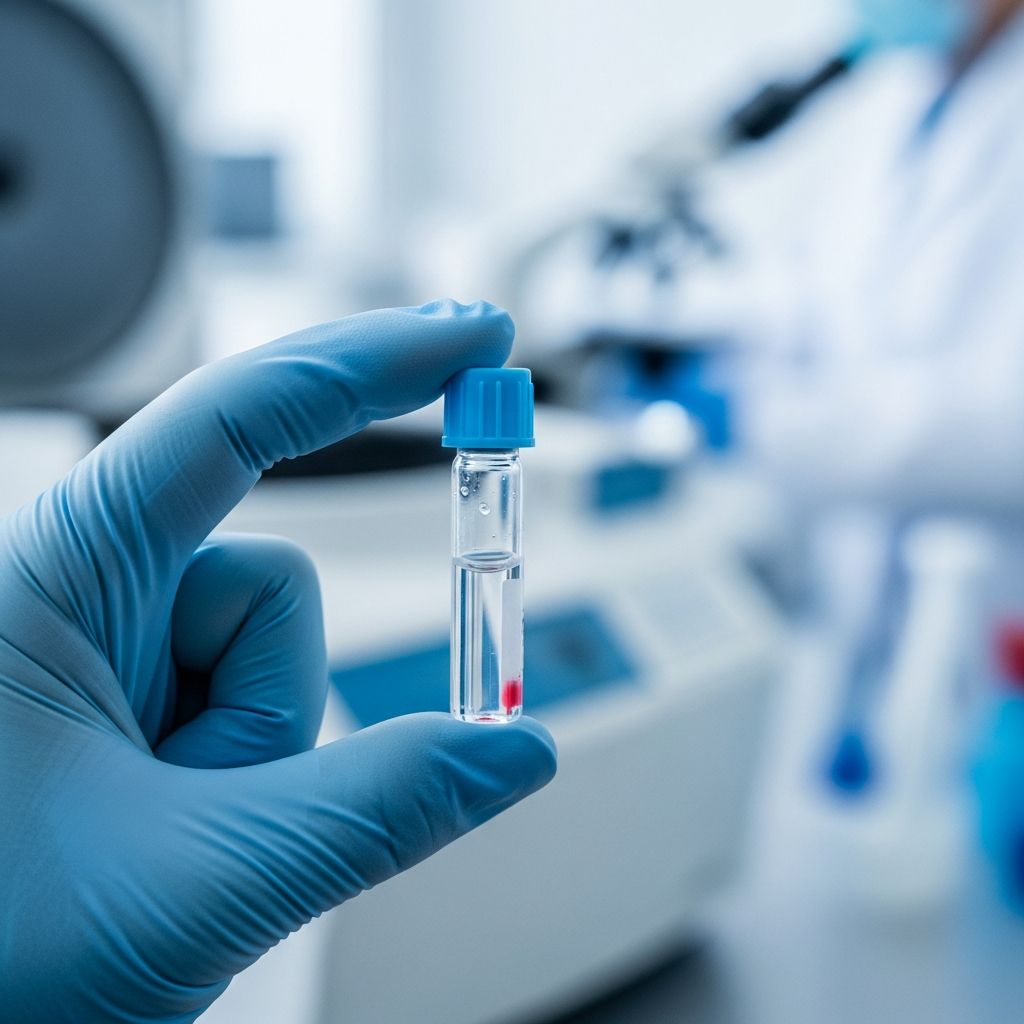
The FSH blood test is a straightforward procedure that involves drawing a small amount of blood, usually from a vein in the arm. For younger children or those who are anxious, a nurse or phlebotomist may use techniques to make the process as quick and comfortable as possible, such as numbing cream or distraction methods.
In many cases, the FSH test is not done alone. It is often paired with other hormone tests, including:
- Luteinizing hormone (LH)
- Testosterone (in boys)
- Estrogen or estradiol (in girls)
- Thyroid hormones
- Prolactin
Looking at FSH together with these other hormones gives a much more complete picture than FSH alone. For example, high FSH and high LH usually point to central precocious puberty, while normal or low FSH with high sex hormones may suggest a different type of early puberty caused by the ovaries, testes, or adrenal glands.
Understanding FSH Results in Children
Interpreting FSH levels in children is more complex than in adults because normal ranges change dramatically with age and stage of development. There is no single “normal” number that applies to all kids. Instead, doctors compare the result to what is expected for a child’s age, sex, and whether they have started puberty.
Here’s a general idea of how FSH levels are typically interpreted in children:
| Age/Stage | Typical FSH Pattern | What It Might Suggest |
|---|---|---|
| Prepubertal child | Low FSH | Normal; puberty has not yet started |
| Child with early puberty signs | High FSH and high LH | Central precocious puberty (brain-driven) |
| Child with early puberty signs | Normal or low FSH, high sex hormones | Possible peripheral precocious puberty (ovary/testis/adrenal issue) |
| Older child with no puberty signs | Low FSH and low LH | Possible problem with the brain’s hormone control (hypothalamus or pituitary) |
| Older child with no puberty signs | High FSH and high LH | Possible problem with the ovaries or testes (primary hypogonadism) |
It’s important to remember that a single FSH result is rarely enough to make a final diagnosis. Doctors look at the whole clinical picture, including physical exam findings, growth charts, and sometimes imaging studies like brain MRI or bone age X-rays.
What High FSH Levels Might Mean
Elevated FSH in a child can have different meanings depending on the context:
- In a young child with early puberty signs: High FSH and high LH usually indicate that the brain has started the puberty process too early. This is called central precocious puberty. In many cases, no specific cause is found, but sometimes it can be linked to brain tumors, prior brain injury, or infections like meningitis.
- In an older child with delayed puberty: High FSH and high LH often suggest that the ovaries or testes are not functioning properly. The brain is sending strong signals (high FSH/LH) because the reproductive organs are not responding, which can be due to genetic conditions like Turner syndrome in girls or Klinefelter syndrome in boys, or damage from treatments like chemotherapy.
What Low FSH Levels Might Mean
Low FSH in a child who should be entering puberty can point to problems in the brain’s hormone control system:
- Delayed puberty with low FSH and low LH: This pattern often suggests that the hypothalamus or pituitary gland is not producing enough of these hormones. This can be due to genetic conditions, chronic illness, extreme undernutrition, or certain brain tumors.
- Normal puberty timing but low FSH: In some cases, low FSH may simply reflect that puberty has not yet started, especially in younger teens. The doctor will consider the child’s age, growth pattern, and family history before deciding if further evaluation is needed.
What Happens After the FSH Test?
Once the FSH and related hormone results are available, the doctor will explain what they mean in the context of the child’s overall health. Depending on the findings, next steps might include:
- No further action: If the results are normal and the child is developing appropriately, no treatment may be needed.
- Monitoring over time: For mild delays or early changes, the doctor may recommend regular check-ups to track growth and development without immediate treatment.
- Additional testing: This might include brain imaging (MRI), genetic testing, or more specialized hormone stimulation tests to clarify the diagnosis.
- Referral to a specialist: A pediatric endocrinologist, who specializes in children’s hormone disorders, may be involved if the results suggest a complex condition.
- Treatment: If a specific condition is diagnosed, treatment might involve hormone therapy, medications to delay early puberty, or management of an underlying medical problem.
How Parents Can Prepare a Child for the Test
Many children feel nervous about blood tests, so preparation can make a big difference. Here are some practical tips:
- Explain what will happen: Use simple, honest language. For example, “The doctor wants to check some chemicals in your blood to understand how your body is growing. They’ll take a tiny bit of blood from your arm with a small needle.”
- Ask about fasting or medications: Some hormone tests require fasting or pausing certain medicines. Confirm with the doctor’s office what, if anything, your child should avoid before the test.
- Bring comfort items: A favorite toy, book, or tablet can help distract a nervous child during the blood draw.
- Practice calming techniques: Deep breathing, counting, or focusing on something else in the room can help reduce anxiety.
- Stay calm yourself: Children often pick up on a parent’s anxiety. Staying calm and reassuring can help your child feel more secure.
Common Questions Parents Have About FSH Testing
Why can’t the doctor just look at my child to know if puberty is normal?
While a physical exam is very important, hormone levels provide objective information about what’s happening inside the body. Two children can look similar on the outside but have very different hormone patterns, which can lead to different diagnoses and treatments.
Does a high FSH level always mean a serious problem?
No. High FSH in a young child with early puberty is often due to central precocious puberty, which in many cases has no serious underlying cause. In older children, high FSH with delayed puberty may indicate a problem with the ovaries or testes, but many of these conditions are manageable with proper care.
Can lifestyle or diet affect FSH levels?
FSH is primarily controlled by the brain and reproductive organs, so it’s not directly affected by diet in the way that, say, blood sugar is. However, extreme undernutrition, severe stress, or chronic illness can indirectly affect the hormone system and delay puberty, which may show up as low FSH and LH.
Will my child need more than one FSH test?
Sometimes yes. A single test gives a snapshot, but doctors may repeat hormone tests over time to see how levels are changing, especially if they are monitoring puberty progression or the response to treatment.
What if the FSH result is “borderline” or unclear?
“Borderline” results are common in hormone testing. In these cases, the doctor will rely heavily on the child’s growth pattern, physical exam, and family history. They may choose to monitor the child closely or order additional tests to clarify the situation.
When to Talk to a Doctor About Puberty Concerns
Every child develops at their own pace, but there are clear red flags that warrant a medical evaluation:
- Signs of puberty (breast development, pubic hair, testicular enlargement) before age 8 in girls or age 9 in boys.
- No signs of puberty by age 13 in girls or age 14 in boys.
- Rapid growth or sudden changes in body shape at a very young age.
- Irregular or absent periods in teenage girls, especially if they started menstruating but then stopped.
- Known medical conditions that could affect hormone production, such as brain tumors, genetic syndromes, or prior cancer treatment.
If any of these apply, it’s a good idea to schedule an appointment with your child’s pediatrician or a pediatric endocrinologist. Early evaluation can help ensure that any underlying issues are identified and managed appropriately.
References
- Follicle-Stimulating Hormone (FSH) Blood Test — UCSF Benioff Children’s Hospitals. Accessed 2023. https://www.ucsfbenioffchildrens.org/medical-tests/follicle-stimulating-hormone-(fsh)-blood-test
- Follicle-Stimulating Hormone (FSH) Levels Test — MedlinePlus, U.S. National Library of Medicine. Updated 2023. https://medlineplus.gov/lab-tests/follicle-stimulating-hormone-fsh-levels-test/
- Diagnosing Disorders of Puberty — NYU Langone Health. Accessed 2023. https://nyulangone.org/conditions/disorders-of-puberty/diagnosis