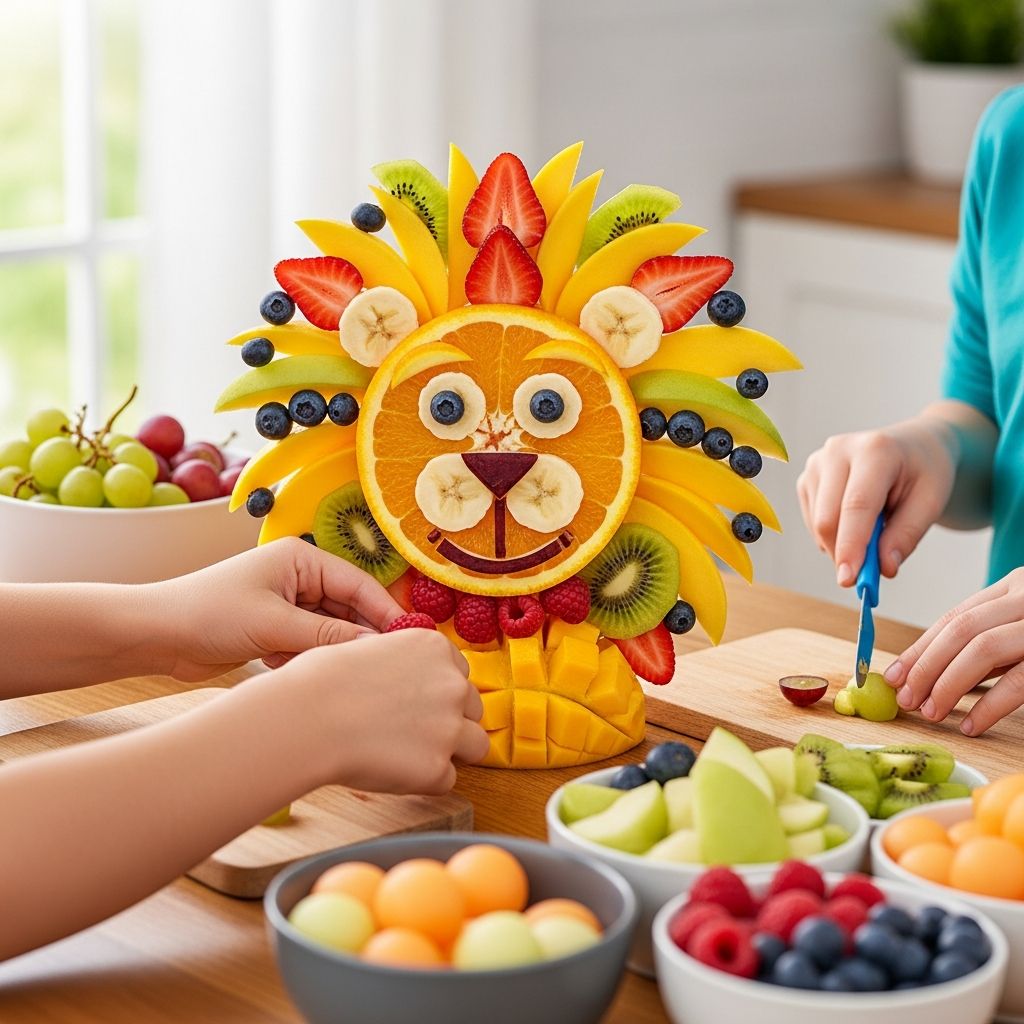
Why Fruit Art Captivates Young Minds
Fruit art is more than just a playful snack—it’s a gateway to creativity, sensory exploration, and learning for children. By transforming everyday fruits into colorful, edible designs, kids engage their imaginations while developing fine motor skills and an appreciation for healthy foods. This activity is especially effective for encouraging picky eaters to try new fruits and vegetables, as the process makes healthy foods exciting and approachable.
Getting Started with Fruit Art
Creating fruit art requires minimal supplies and can be adapted for children of all ages. The basic tools include a paring knife (for adult use), a cutting board, and a variety of fresh fruits such as strawberries, melons, bananas, and blueberries. For younger children, parents can handle the cutting while kids arrange the pieces into shapes and patterns. Older children can participate in both cutting and arranging, under supervision.
- Choose fruits with vibrant colors and varied textures.
- Use cookie cutters for unique shapes, or cut freehand for more creative freedom.
- Include toothpicks for easy handling and playful assembly.
Fun Fruit Art Ideas to Try
There are countless ways to turn fruit into edible art. Here are a few imaginative projects to spark creativity:
- Fruit Faces: Use banana slices for eyes, strawberries for cheeks, and blueberries for noses to create silly fruit faces on a plate.
- Animal Shapes: Arrange melon rectangles and blueberries to make a truck, or use banana slices and strawberries for a butterfly.
- Boat Designs: Slice a banana lengthwise for the hull, add melon slivers for the mast, and use strawberry triangles for sails.
- Stamping with Fruit: Dip fruit ends in washable paint and press onto paper to create colorful prints. Apples, carrots, and citrus halves work well for this activity.
Learning Through Fruit Art
Fruit art isn’t just fun—it’s a powerful learning tool. As children cut, arrange, and describe their creations, they practice:
- Color recognition and sorting.
- Shape identification and pattern making.
- Counting and basic math skills (e.g., counting fruit pieces or seeds).
- Language development through describing their artwork.
These activities also foster creativity, problem-solving, and sensory awareness, making fruit art a well-rounded educational experience.
Edible Fruit Stamping: A Messy, Creative Twist
For a different take on fruit art, try fruit stamping. This process uses fruit ends as stamps, dipped in washable paint and pressed onto paper. It’s a great way to use up fruit scraps and create vibrant artwork.
| Fruit/Vegetable | Stamping Tip |
|---|---|
| Apple | Cut in half crosswise, remove seeds |
| Carrot | Slice into longer pieces |
| Citrus | Cut in half |
| Banana | Slice or cut in half lengthwise |
Encourage kids to experiment with different fruits and vegetables, and let them explore how each creates a unique print. This activity is especially beneficial for toddlers and preschoolers, as it develops fine motor skills and sensory processing.
Benefits of Fruit Art for Families
Engaging in fruit art as a family offers several benefits:
- Encourages healthy eating habits by making fruits visually appealing.
- Strengthens parent-child bonds through collaborative creativity.
- Provides a screen-free activity that stimulates imagination and learning.
- Teaches children about food preparation and kitchen safety.
These projects are flexible and can be tailored to fit any occasion, from casual afternoons to themed parties or educational workshops.
FAQs About Fruit Art
- What fruits work best for fruit art?
Fruits with firm flesh and vibrant colors, such as strawberries, melons, bananas, apples, and blueberries, are ideal for creating shapes and patterns. - Is fruit art safe for young children?
Yes, with adult supervision for cutting. Younger children can arrange pre-cut pieces and participate in stamping activities. - Can fruit art be educational?
Absolutely! Fruit art helps children learn about colors, shapes, counting, and healthy eating. - How can I make fruit art more creative?
Experiment with different fruits, use cookie cutters for unique shapes, and encourage kids to invent their own designs. - What supplies do I need for fruit stamping?
You’ll need fruit or vegetable ends, washable finger paint, construction paper, and a paper plate for paint.
Final Tips for Fruit Art Success
To make the most of your fruit art experience:
- Involve children in choosing the fruits and planning their designs.
- Let kids take the lead in arranging and describing their creations.
- Use fruit art as a springboard for conversations about healthy eating and creativity.
- Preserve artwork by taking photos or letting kids display their edible masterpieces before enjoying them as a snack.
Fruit art is a delightful way to blend play, learning, and nutrition, making it a perfect activity for families looking to inspire creativity and healthy habits at home.