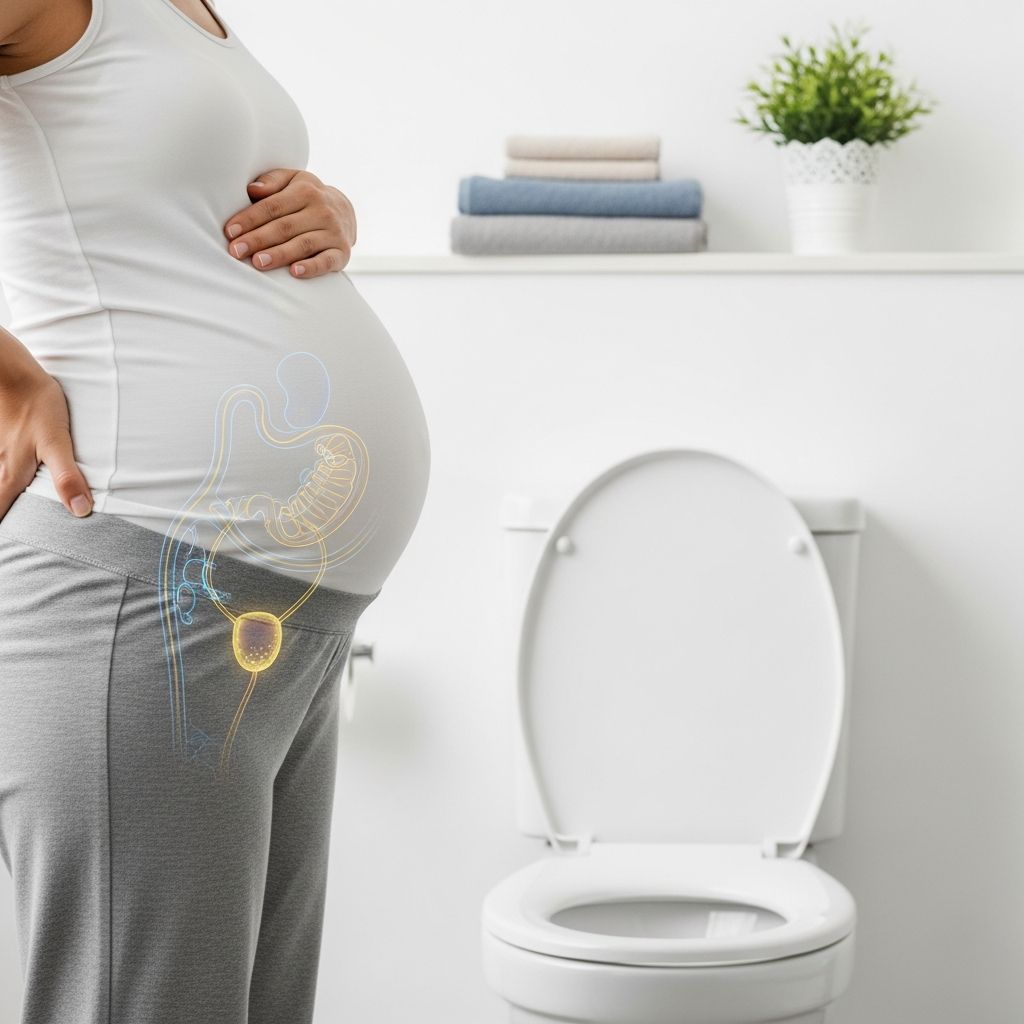
One of the most universal experiences in pregnancy is the sudden and persistent need to urinate more often than usual. This symptom, often starting just weeks after conception, affects nearly every expectant mother at some point. It stems from a combination of physiological shifts that prioritize the developing baby while challenging the mother’s comfort. Understanding the underlying mechanisms, progression across trimesters, and effective coping methods empowers women to navigate this inconvenience with greater ease.
Physiological Drivers Behind Increased Bathroom Trips
The body undergoes profound changes from the moment pregnancy is confirmed, many of which directly impact bladder function. Hormonal fluctuations play a starring role early on. After implantation, human chorionic gonadotropin (hCG) levels rise sharply, boosting blood flow to the kidneys and pelvic region. This enhances filtration rates, producing more urine in less time. Progesterone, another key hormone, relaxes smooth muscles throughout the body, including those in the urinary tract, further contributing to the sensation of urgency.
As pregnancy advances, mechanical factors take center stage. The uterus enlarges dramatically to house the growing fetus, compressing the bladder and reducing its holding capacity. Even small volumes of urine trigger the need to void because there’s simply less space available. Blood volume expands by up to 50% to nourish the placenta and baby, overwhelming the kidneys and flooding the bladder with fluid. Additionally, weakened pelvic floor muscles—strained by the extra weight and hormonal softening—exacerbate the issue, sometimes leading to minor leaks during activities like coughing or laughing.
Trimester-by-Trimester Breakdown of Urinary Changes
Pregnancy urinary patterns follow a predictable arc tied to anatomical and hormonal milestones. Here’s how it unfolds:
- First Trimester (Weeks 1-12): Symptoms often emerge as early as 2-6 weeks, coinciding with hCG peaks. Many women report 8-10 trips daily, up from a pre-pregnancy norm of 4-6. Nausea may prompt increased fluid intake, amplifying the effect.
- Second Trimester (Weeks 13-26): A welcome respite occurs as the uterus rises above the pelvis, easing bladder compression. Frequency dips for most, though hydration needs remain high.
- Third Trimester (Weeks 27-Delivery): Urgency resurges around week 30 when the baby’s head descends (lightening), directly pressing on the bladder. Nighttime visits (nocturia) become common, disrupting sleep.
This cyclical pattern underscores why frequent urination is dubbed a ‘first and third trimester phenomenon.’ Post-delivery, relief is swift: within days to weeks, as the uterus involutes and hormones normalize, bladder capacity restores.
Practical Strategies to Minimize Discomfort
While unavoidable, proactive steps can reduce bathroom interruptions. Lifestyle tweaks form the foundation:
- Time fluid intake: Drink most liquids earlier in the day, tapering off after 6 PM to curb nocturia. Aim for 8-10 glasses total, prioritizing water over caffeine.
- Pelvic floor exercises (Kegels): Contract and hold pelvic muscles 10 times, 3 sets daily. These strengthen support for bladder control.
- Bladder training: Gradually extend time between voids by 10-15 minutes to build capacity.
- Posture matters: Avoid slouching; sitting upright reduces pelvic pressure.
Dietary adjustments help too. Cut back on bladder irritants like spicy foods, citrus, and artificial sweeteners. Wearing supportive maternity garments can distribute abdominal weight, lessening direct bladder strain.
| Strategy | Benefits | How to Implement |
|---|---|---|
| Limit Evening Fluids | Reduces nighttime wakes | Sip slowly until 4 PM, then small amounts only |
| Kegel Routines | Prevents leaks | 10 reps x 3 daily; hold 5-10 seconds |
| Caffeine Reduction | Lesses irritation | Max 200mg/day (1-2 coffees) |
| Double Voiding | Empties fully | Urinate, wait 30 sec, try again |
Distinguishing Normal from Concerning Symptoms
Not all increased urination is benign. Vigilance is key to rule out complications. Contact a healthcare provider if accompanied by:
- Burning, pain, or blood in urine—hallmarks of urinary tract infection (UTI), risky for preterm labor.
- Sudden gushes or uncontrollable leaks suggesting incontinence.
- Fever, chills, or back pain indicating kidney involvement.
- Cloudy, foul-smelling urine or abrupt worsening.
UTIs affect up to 10% of pregnancies and require prompt antibiotics. Gestational diabetes can also manifest as excessive thirst and urination; routine screening catches this. Routine prenatal visits include urinalysis to monitor.
Long-Term Outlook and Postpartum Recovery
Post-birth, most women see urination normalize within 6 weeks as the body rebounds. However, some experience lingering overactive bladder due to stretched tissues. Persistent issues warrant pelvic floor therapy or urology consult. Breastfeeding aids recovery by promoting uterine contraction.
Pregnancy offers a window to build lifelong bladder health habits. Consistent Kegels and weight management reduce future incontinence risk, which rises post-childbirth.
Frequently Asked Questions
Can frequent urination be the first pregnancy sign?
Yes, it often starts 2-6 weeks post-conception from hCG surges, predating missed periods for some.
Does it stop in the second trimester?
Typically yes, as uterine growth lifts pressure off the bladder, though it returns later.
Is nighttime peeing normal?
Common in third trimester due to baby position and fluid shifts; limit evening drinks to manage.
How much peeing is too much?
Over 10-12 times daily with discomfort or symptoms warrants a check; track patterns for your doctor.
Will it cause dehydration if I drink less?
No—maintain hydration for amniotic fluid and health; spread intake evenly.
Empowering Your Pregnancy Journey
Frequent urination, though disruptive, signals your body’s remarkable adaptations. By blending knowledge of causes with targeted strategies, expectant mothers reclaim comfort and rest. Open discussions with providers ensure any red flags are addressed swiftly, paving the way for a healthy term.
References
- Frequent Urination in Women: Pregnancy Symptom — The Bump. 2023. https://www.thebump.com/a/frequent-urination
- When Does Frequent Urination Start in Pregnancy — Monarch Healthcare. 2024. https://monarch-healthcare.net/when-does-frequent-urination-start-in-pregnancy-the-causes-and-what-to-do/
- Frequent urination during pregnancy — Medical News Today. 2024-01-15. https://www.medicalnewstoday.com/articles/frequent-urination-during-pregnancy
- Frequent urination during pregnancy — Pregnancy Birth & Baby (Australian Government). 2023. https://www.pregnancybirthbaby.org.au/frequent-urination-during-pregnancy
- Frequent Urination During Pregnancy: Causes and Tips — TENA US. 2024. https://www.tena.us/women/living-with-bladder-weakness/pregnancy-and-urine-leakage/frequent-urination-pregnancy
- Frequent Urination: Causes, What It Means & How To Stop — Cleveland Clinic. 2025-06-12. https://my.clevelandclinic.org/health/symptoms/15533-frequent-urination