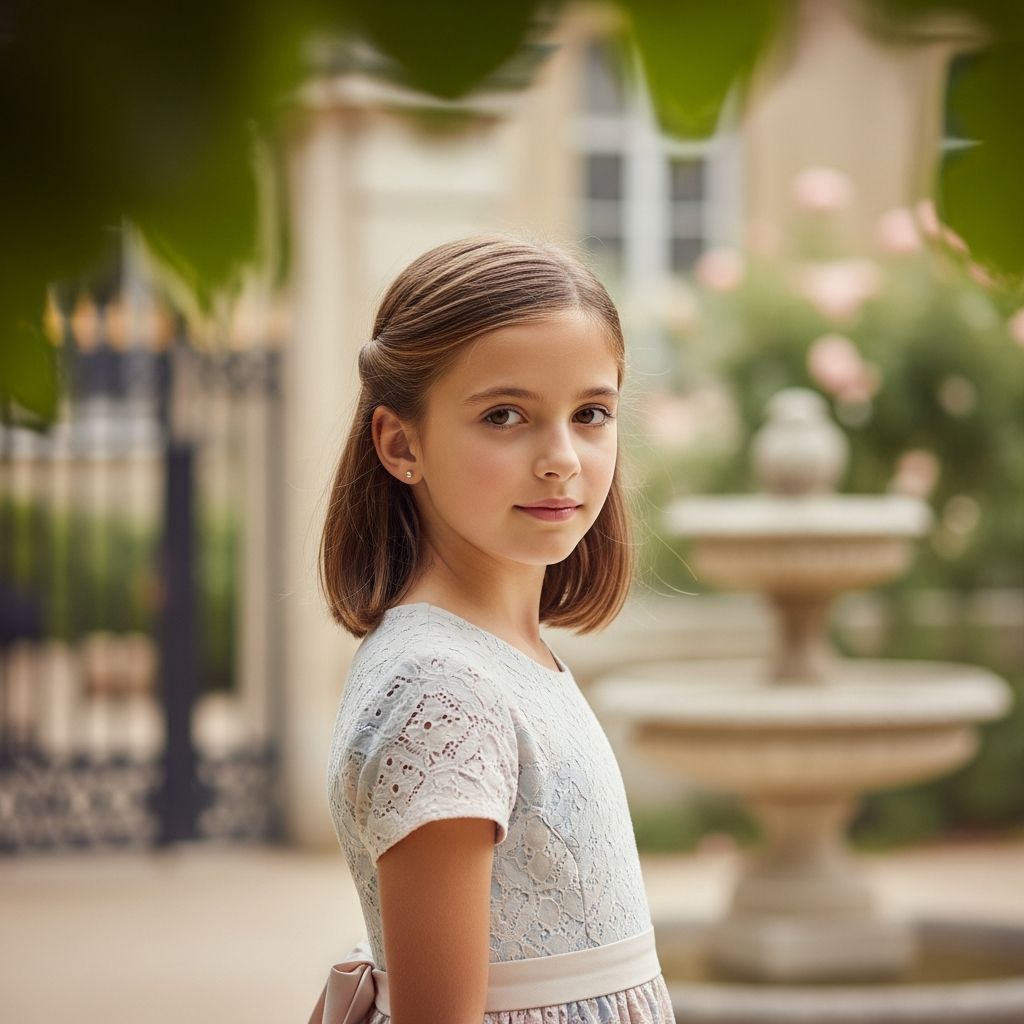
French girl names have a reputation for elegance, romance, and quiet strength. Whether you are drawn to classic saints’ names, nature-inspired choices, or rare gems, French names offer a rich blend of tradition and style for your baby girl.
Why French Names Feel Effortlessly Stylish
Many parents love French girl names because they sound soft, melodic, and refined without feeling overly complicated. The language itself naturally emphasizes fluid vowel sounds, gentle consonants, and graceful endings like -elle, -ine, and -ette, which create names that feel both feminine and strong.
French culture also contributes to the appeal. The association with fashion, literature, cinema, and art gives many French names an air of sophistication, making them feel suitable for a newborn as well as a confident, grown woman.
How to Pronounce French Girl Names with Confidence
Pronunciation can feel intimidating, but some simple guidelines make French names much easier to approach. You do not need to sound like a native speaker to honor a French name; a clear, consistent pronunciation in your own accent works beautifully.
- Final consonants are often silent: letters like s, t, and d at the end of a name may not be pronounced.
- The letter combination ou usually sounds like the “oo” in “moon,” while é often sounds like “ay” as in “day.”
- Names ending in -ine are typically pronounced “een,” and those ending in -elle often sound like “ell.”
Listening to native speakers online or checking audio examples can help you feel more at ease, but remember that your family’s consistent version of the name will ultimately become your child’s normal.
Main Styles of French Girl Names
French girl names can be grouped into broad style categories that make it easier to narrow down your favorites. Each style has its own mood, from time-honored and traditional to playful and modern.
Classic and Traditional Names
Traditional French names often have religious, royal, or literary roots. They feel familiar across generations and work well in many countries. These names tend to age gracefully, making them a strong choice if you want something timeless rather than trendy.
- Often linked to saints, queens, and historical figures.
- Recognizable in many languages, which helps with international use.
- Commonly feature soft consonants and straightforward spelling.
Romantic and Elegant Names
Romantic French names tend to sound lyrical and poetic, even if they are not overly long or elaborate. They frequently incorporate gentle vowel sounds and endings that evoke delicacy and grace.
- Names with flowing sounds and fewer harsh consonants.
- Often inspired by literature, music, or the arts.
- Ideal if you want something that feels refined but still approachable.
Short, Chic, and Modern Names
Modern French names often favor brevity and simplicity. They fit easily on school forms, social media handles, and name tags while still carrying unmistakable French flair.
- Usually one or two syllables, easy to spell and say.
- Blend well with many surnames and middle names.
- Can feel fashion-forward without losing depth.
Nature-Inspired and Whimsical Names
Nature-themed French names draw from flowers, seasons, elements, and celestial imagery. These names are perfect if you want something with gentle symbolism and a touch of poetry.
- Names linked to flowers, trees, weather, or light.
- Soft and imaginative, often evoking calm or joy.
- Well-suited for parents who love the outdoors or meaningful symbolism.
Sample French Girl Names by Style
The table below organizes example French girl names by style, with a brief meaning and a pronunciation guide to help you visualize their sound and feel.
| Style | Example Name | Approx. Pronunciation | General Meaning / Image |
|---|---|---|---|
| Classic | Madeleine | MAH-duh-len | Traditional name linked with warmth and devotion. |
| Classic | Élise | ay-LEEZ | Graceful name often associated with dedication and faith. |
| Romantic | Amélie | ah-MAY-lee | Lyrical name with a gentle, artistic feel. |
| Romantic | Juliette | zhoo-lee-ET | Evokes romance, drama, and old-world charm. |
| Short & Modern | Camille | kah-MEE | Short, smooth, and quietly sophisticated. |
| Short & Modern | Léa | LAY-ah | Simple, light, and internationally friendly. |
| Nature-Inspired | Fleur | FLUR | Means “flower,” symbolizing beauty and growth. |
| Nature-Inspired | Océane | oh-SAY-ahn | Conjures images of the ocean and freedom. |
Choosing a French Name That Fits Your Family
Selecting a baby name is both emotional and practical. A French name can honor heritage, celebrate favorite places, or simply capture a feeling you want your daughter to carry through life.
- Say the name aloud with your surname to check rhythm and flow.
- Consider how the name sounds in any other languages spoken in your home.
- Think about nicknames you like or dislike that could naturally arise.
It also helps to imagine the name at different life stages: how it sounds for a toddler, a teenager, and a professional adult. A name that adapts well can give your child flexibility and confidence over time.
Elegant French Name Ideas by Theme
If you know the mood you want but not the exact name, exploring by theme can spark ideas. The lists below offer inspiration rather than strict rules, and you can mix and match styles as you like.
Names with a Vintage Parisian Feel
Vintage-inspired French names feel like they belong in old black-and-white films, cozy bookshops, and tree-lined boulevards. They often have gentle consonants, multi-syllable rhythms, and a hint of nostalgia.
- Colette – Short, chic, and firmly rooted in literary history.
- Hélène – A refined form with a calm, dignified sound.
- Simone – Strong and intellectual yet undeniably feminine.
- Margot – Bright, spirited, and effortlessly fashionable.
Light, Airy Names for Free Spirits
Some French names feel breezy and soft, perfect for parents who imagine a curious, adventurous child. These names tend to have open vowel sounds and a playful but not childish quality.
- Louna – Soft and moonlike, with a dreamy tone.
- Anaïs – Distinctive and lyrical, with a delicate rhythm.
- Zélie – Cheerful and unique without being overly complicated.
- Capucine – Quirky and floral, evoking color and creativity.
Strong and Refined Names
Not all French girl names are purely sweet or delicate; many balance beauty with power. These names often include firmer consonants and a more grounded rhythm, projecting confidence and determination.
- Victoire – Literally tied to victory and resilience.
- Dominique – Elegant and unisex, with a serious, thoughtful feel.
- Laurence – Smooth yet steady, suitable for many personality types.
- Claudine – Old-world charm with a quiet strength underneath.
Middle Name Pairings with French Girl Names
French girl names pair beautifully with both French and non-French middle names. The key is balance: if the first name is elaborate, a simpler middle name can keep the full name graceful, and vice versa.
- Combine a French first name with a short, classic middle (for example, a flowing French choice followed by Anne or Rose).
- Use a French middle name to add flair if your first name is more familiar in your culture.
- Consider honoring relatives by adapting their names into French forms or using them in the middle spot.
Writing potential full names on paper and repeating them out loud helps you quickly hear which combinations feel natural and which feel too long or choppy.
Tips for Spelling, Nicknames, and Variations
Some French names have different spellings or related versions in other languages. Choosing which form to use depends on your priorities: authenticity, ease of spelling, or cross-cultural recognition.
- If you live in a non-French-speaking country, be ready to gently correct pronunciation or spelling when needed.
- You can simplify accents (such as omitting acute accents) if your local paperwork or keyboards make them impractical.
- Think about whether you want an obvious nickname or prefer a name that is usually spoken in full.
It is also helpful to search for your chosen spelling in baby name databases and social media to see how commonly it is used and whether it carries any unexpected associations.
Frequently Asked Questions About French Girl Names
Are French girl names hard to use outside of France?
Many French names adapt surprisingly well in other countries, especially those with simple spellings and familiar sounds. Even more traditional names can work comfortably abroad once friends and teachers hear the pronunciation a few times and become accustomed to it.
Do I need French heritage to choose a French name?
No, you do not need French ancestry to appreciate and use a French name. Parents often choose French names because they love the sound, the meaning, a special trip, or a connection with French art, food, or culture.
How can I be respectful when using a French name?
Respect comes from making a genuine effort to learn the pronunciation, understanding the basic meaning, and avoiding using a name purely as a novelty. If you treat the name and its cultural background with care, you are already taking a thoughtful approach.
What if friends mispronounce my child’s French name?
Mispronunciations are common at first with any less familiar name. A kind, consistent correction and patience usually help others learn quickly, and over time the name will feel natural in your community.
Should I include accents in my baby’s official name?
Accents like é, è, and ï are part of correct French spelling, but not all legal systems or computer systems handle them easily. Some parents include them on the birth certificate and daily life documents when possible, while others choose the unaccented version for simplicity.
Final Thoughts: Let the Name Tell a Story
A French girl name can be more than a pretty sound; it can hold your family’s memories, travels, values, and hopes. When you find a name that makes you smile every time you say it, that emotional connection matters more than trends or outside opinions.
Give yourself time to explore different styles, try names out loud, and imagine your daughter growing into them. The right French name will feel like a story that begins at birth and continues to unfold throughout her life.