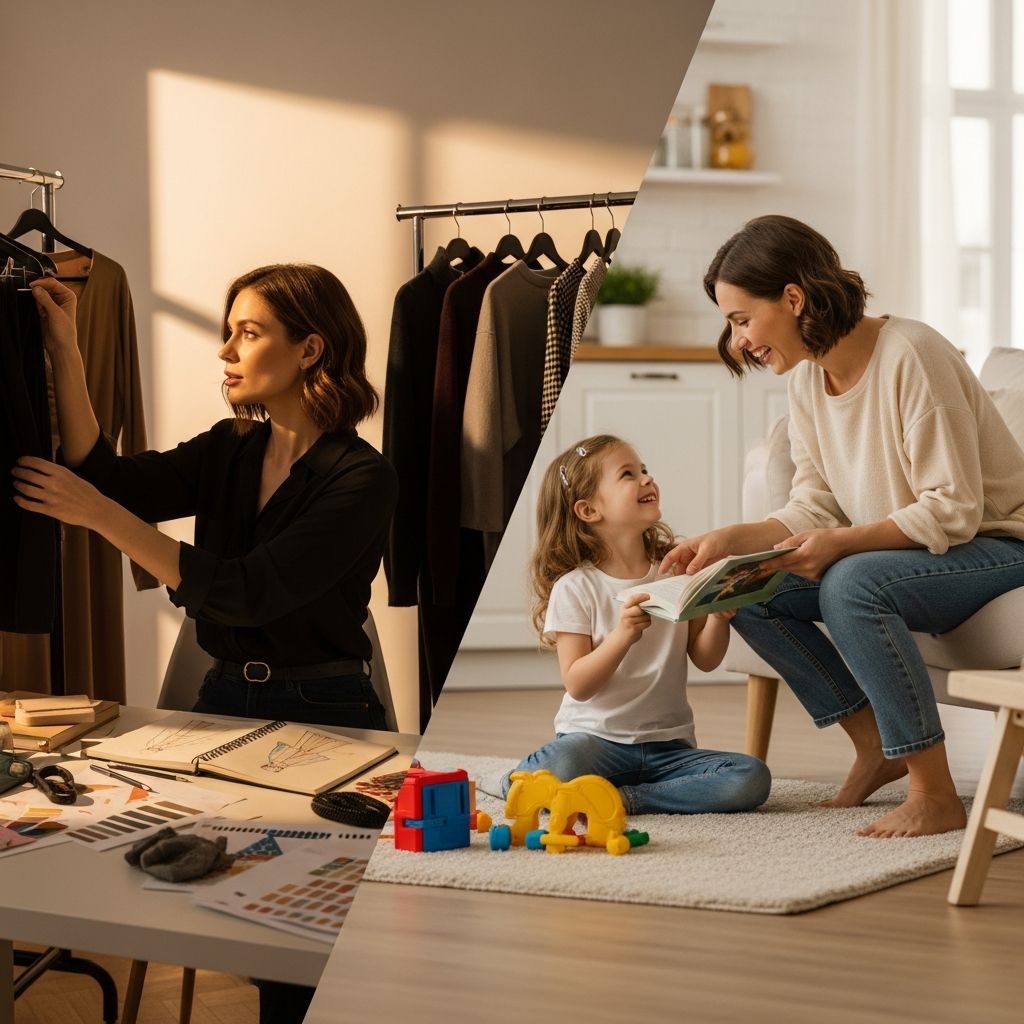
Freelance styling offers unparalleled flexibility in the fashion industry, allowing professionals to craft schedules around family needs while pursuing creative passions. Many stylists, particularly parents, thrive by implementing smart strategies that prevent burnout and foster long-term success.
Unlocking Flexibility in the Styling World
The styling profession stands out for its adaptability, enabling individuals to dictate their workloads unlike rigid corporate roles. This freedom is crucial for parents who must align work with school runs, family events, and personal downtime. Beauty and fashion careers inherently support varied schedules, from part-time gigs to full entrepreneurial ventures, making them ideal for those seeking control over their daily rhythms.
Professionals in this field often transition from traditional jobs to freelancing to reclaim time. For instance, stylists report leaving stable positions to focus solely on their businesses, cutting divided commitments that lead to exhaustion. This shift demands courage but yields rewards like tailored hours that accommodate childcare or eldercare responsibilities.
Building a Family-Friendly Schedule
Creating a sustainable routine begins with intentional planning. Freelance stylists benefit from defining core working hours, such as limiting client sessions to specific days, which prevents the creep of work into evenings and weekends.
- Designate fixed service days, like Tuesdays through Thursdays for intensive styling, reserving Fridays for lighter tasks.
- Incorporate buffer periods between appointments to handle overruns or family emergencies without stress.
- Reserve full days weekly for non-work priorities, clearly marked on shared calendars.
Time blocking elevates this approach by assigning discrete slots to tasks. Mornings might handle emails and bookings, afternoons creative consultations, and evenings off-limits. This method boosts efficiency, reducing the mental load of multitasking.
Overcoming Freelance Challenges as a Parent
While flexibility is a boon, freelancing poses hurdles like inconsistent income and client demands. Parents face amplified pressures, balancing unpredictable gigs with dependable family obligations. One stylist shared the mental tug-of-war of evaluating weekend socializing against business goals, questioning if leisure hampers financial targets.
To counter this, diversify income streams: combine on-site styling with virtual consultations or content creation. During disruptions like pandemics, maintaining creativity through social media or skill-building sustains momentum and portfolios.
| Challenge | Solution | Benefit |
|---|---|---|
| Inconsistent bookings | Subscription styling packages | Steady revenue |
| Client after-hours requests | Automated response policies | Protected personal time |
| Family interruptions | Designated quiet zones | Enhanced focus |
| Burnout risk | Weekly self-care rituals | Sustained energy |
Self-Care Essentials for Stylists
Neglecting personal well-being undermines even the best schedules. Stylists must prioritize recharge practices to sustain creativity and client satisfaction. Simple habits like on-site meal breaks or quick stretches during downtime make a difference.
Incorporate wellness into your suite setup: utilize laundry facilities to avoid external chores, and nearby amenities for errands, minimizing disruptions. Entrepreneurship demands boundaries; one professional emphasized choosing focus over overload, quitting a corporate role to prevent divided energy.
Leveraging Industry Perks for Harmony
Salon suites and freelance models amplify balance through amenities like 24/7 access and communal spaces. These allow stylists to work peak personal productivity hours, whether early mornings post-drop-off or evenings after bedtime.
Parents appreciate scaling work seasonally—ramping up during school terms, easing during holidays. This adaptability outshines 9-5 structures, where Gen Z freelancers increasingly flock for autonomy. Remote opportunities further expand reach, with some earning six figures on reduced hours via niche brands.
Real Stories of Stylists Thriving
Consider a stylist who navigated full-time entrepreneurship by streamlining services, focusing on high-value clients amid urban distractions like Los Angeles nightlife. Another balanced magazine assisting with freelance gigs by honing skills during downtime, emerging resilient.
These narratives highlight a truth: work-life balance exists through deliberate choices. Cutting non-essential commitments frees energy for passions and family, fostering fulfillment over mere survival.
Financial Strategies for Stability
Income volatility tests resolve, but proactive measures build security. Track earnings monthly against goals, adjusting marketing or rates accordingly. Platforms enable global client access, stabilizing cash flow.
For parents, emergency funds covering 3-6 months’ expenses provide peace. Combine active income with passives like styling guides or affiliate partnerships to buffer slow periods.
Frequently Asked Questions
How do freelance stylists handle irregular income?
They diversify services, build retainer clients, and maintain savings buffers to weather dry spells while scaling marketing efforts.
Is freelancing suitable for new parents?
Yes, with flexible hours accommodating naps and feedings, though starting small helps test the model before full commitment.
What tools aid scheduling?
Apps like Calendly for bookings, Google Calendar for blocking, and QuickBooks for finances streamline operations.
How to avoid burnout in styling?
Set no-work zones, schedule vacations, and pursue hobbies outside fashion to recharge creativity.
Can stylists work remotely?
Absolutely—virtual styling, e-consultations, and digital mood boards enable location-independent careers.
Steps to Launch Your Balanced Styling Career
Transitioning requires preparation:
- Assess skills and niche (e.g., bridal, editorial).
- Build a portfolio via low-commitment gigs.
- Network on LinkedIn and Instagram.
- Test schedules with trial months.
- Scale gradually, prioritizing feedback.
Success stems from consistency and adaptability. Stylists who thrive view freelancing as a lifestyle, not a grind, integrating family seamlessly.
Ultimately, freelance styling empowers professionals to redefine success on their terms. By harnessing flexibility, enforcing boundaries, and nurturing self-care, parents and caregivers craft rewarding paths blending creativity, income, and joy.
References
- Embrace a Thriving Stylist Work-Life Balance Today – The Suites Spot — The Suites Spot Salon. 2023. https://thesuitesspotsalon.com/stylist-work-life-balance-self-care/
- How This Stylist Navigates Entrepreneurship and Prevents Burnout — Nieme Jordan. 2022-05-15. https://www.niemajordan.com/portfolio_page/how-this-stylist-navigates-entrepreneurship-and-prevents-burnout/
- How to manage working as a fashion assistant at Elle and freelancing — Glam Observer. 2020-06-01. https://glamobserver.com/how-to-manage-working-as-a-fashion-assistant-at-elle-and-freelancing-with-charlotte-harney/
- Work-Life Balance: Why Beauty Careers Offer Flexibility and Freedom — TSPA Maplewood. 2024-01-10. https://www.tspamaplewood.com/blog/work-life-balance-why-beauty-careers-offer-flexibility-and-freedom/
- Before You Leave The Fashion Industry, Consider This… – YouTube — YouTube (SFF Podcast). 2023-08-20. https://www.youtube.com/watch?v=0eGi9mF7rUc