The Evolution of Digital Culinary Expression
The landscape of food sharing has fundamentally transformed. What once belonged exclusively to cooking shows and glossy magazine spreads now thrives in the hands of everyday home cooks, professional chefs, and culinary enthusiasts who document their kitchen adventures in real time. The democratization of food content creation has opened unprecedented opportunities for individuals to build communities around their culinary passions while simultaneously shaping global food trends that influence what millions cook at home.
The intersection of technology and gastronomy has created a unique cultural moment where a simple recipe video can inspire widespread adoption of ingredients, techniques, and entire cuisines. This shift represents more than just entertainment value; it reflects a fundamental change in how people discover, learn, and engage with food. Understanding how to participate meaningfully in this ecosystem has become an essential skill for anyone passionate about cooking, whether as a hobby or professional endeavor.
Mastering Visual Storytelling in Your Kitchen
Visual presentation has always mattered in cooking, but the demands of digital platforms have elevated it to paramount importance. The difference between a recipe that disappears into feeds and one that stops scrollers in their tracks often comes down to visual execution. Your camera becomes as essential a tool as your knife, and understanding composition, lighting, and pacing transforms ordinary cooking moments into compelling narratives.
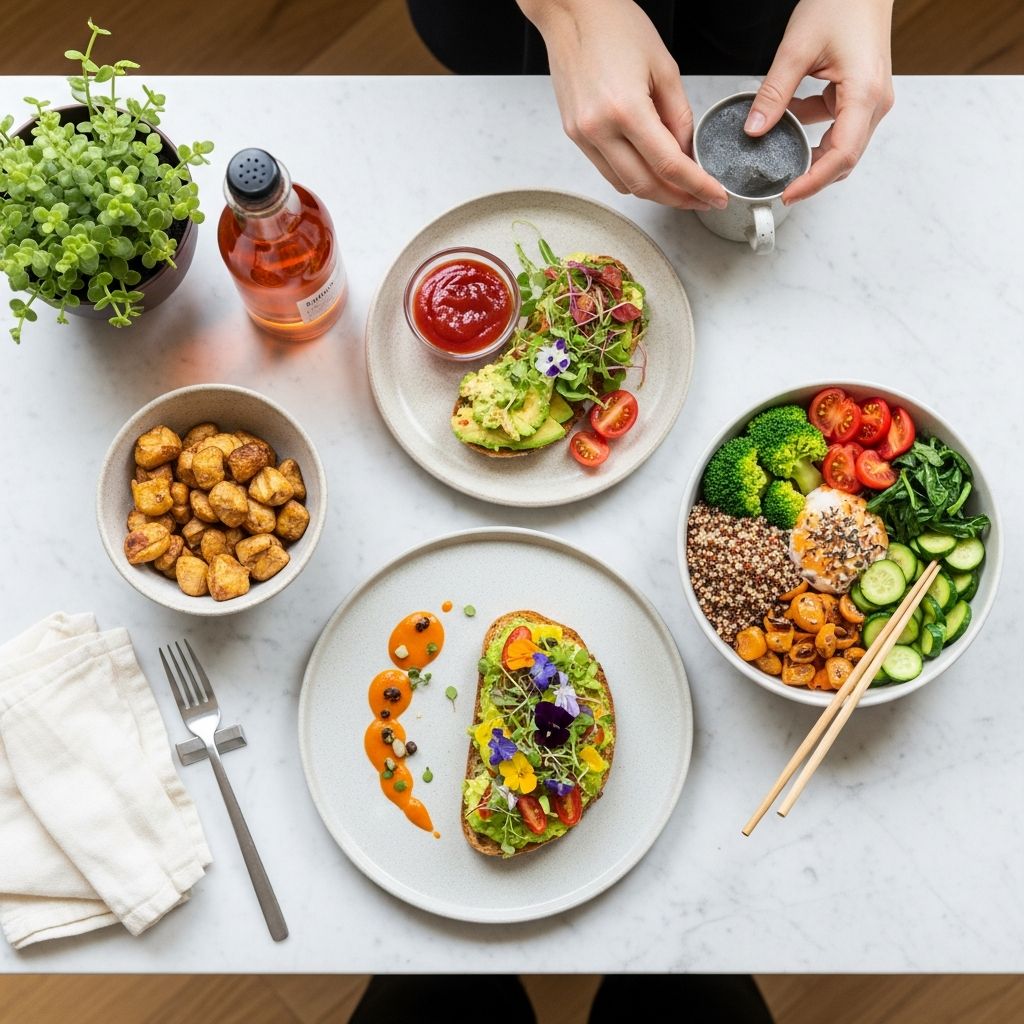
Color coordination plays a surprisingly powerful role in capturing attention. Dishes with natural color contrast—deep greens against warm yellows, vibrant reds against neutral whites—inherently command more visual interest. This doesn’t mean artificially enhancing foods, but rather understanding which ingredients provide natural visual appeal and arranging them strategically within your frame. The strategic use of props, surfaces, and backgrounds creates context that helps viewers imagine themselves recreating the dish.
Movement and transitions serve as the pacing mechanism for food content. Quick cuts that move viewers from ingredients to finished product create satisfying momentum, while slow-motion shots of sizzling, pouring, or plating add sensory dimension to the viewing experience. The rhythm of your edits should match the energy level of your audio, creating a cohesive experience that guides viewers through the cooking process without overwhelming them.
Diverse Content Formats That Drive Engagement
Successful food creators employ a portfolio of content approaches rather than relying on a single format. This diversification keeps audiences engaged while reaching different viewer preferences and algorithm patterns.
- Rapid-Fire Recipe Documentation: Condensing the entire cooking process into 15-30 second sequences captures viewers who consume content in quick bursts. These videos prioritize clarity and visual impact, using close-up shots of key transformations and satisfying audio elements that emphasize texture and technique.
- Immersive Participant Experience: First-person perspective content invites viewers into your cooking space as active participants rather than passive observers. This format excels for teaching techniques, sharing kitchen hacks, or presenting dishes with a personal touch that feels more intimate than traditional demonstration videos.
- Transformation Narratives: Beginning with raw, unadorned ingredients and concluding with a beautifully finished dish creates natural narrative tension. These videos work particularly well when paired with trending audio that amplifies the satisfaction of the transformation.
- Interactive Challenge Participation: Contributing your unique interpretation to trending challenges demonstrates creativity while leveraging existing momentum. Whether reimagining a popular folding technique or adding unexpected twists to trending recipes, challenge participation connects your content to broader cultural moments.
- Insider Knowledge Sharing: Behind-the-scenes tips, ingredient sourcing stories, or professional techniques positioned as accessible secrets appeal to viewers’ desire to elevate their cooking. These shorter-form educational pieces build credibility and encourage content sharing.
- Live Engagement Sessions: Real-time cooking broadcasts create extended interaction opportunities. Live formats enable direct viewer communication, immediate question answering, and the authentic unpredictability that viewers find compelling. These sessions prove particularly effective for product launches, limited-time offerings, and community building.
Strategic Audio Selection and Sonic Branding
Sound design profoundly influences content virality, yet many creators underestimate its importance. The right audio track can transform adequate content into compelling narratives that viewers want to share. Trending audio clips carry algorithmic weight, but equally important is selecting sounds that authentically complement your content and brand voice.
Ambient kitchen sounds—sizzling pans, chopping boards, pouring liquids—provide sensory grounding that enhances viewer immersion. When combined with strategic trending audio elements, these natural sounds create layered soundscapes that feel both authentic and polished. The rhythm of your audio editing should align with your visual pacing, creating unified momentum that propels viewers through your content.
Beyond trending tracks, developing consistent sonic elements establishes brand recognition. A signature sound, jingle, or audio pattern can become synonymous with your content, making your videos identifiable even when scrolling quickly through feeds. This audio branding works similarly to visual branding, creating immediate recognition and familiarity.
Understanding Algorithmic Distribution Mechanics
Content algorithms prioritize engagement signals above all other factors. Videos generating likes, comments, shares, and high completion rates receive preferential distribution to wider audiences. This means creating content that compels viewers to actively participate rather than passively watch drives algorithmic success.
Metadata optimization significantly impacts discoverability. Well-crafted captions that use natural language rather than keyword stuffing help algorithms understand context. Hashtag strategies should blend broad accessibility with niche specificity, combining popular general food tags with targeted trend-specific identifiers that reach audiences most likely to engage with your particular content style.
User behavior patterns inform algorithmic decisions. Platforms analyze individual viewing habits, watch durations, and interaction patterns to match content with potentially receptive audiences. Understanding that the algorithm learns from your audience’s broader interests helps you position content for maximum visibility. This means considering not just what your core followers enjoy, but what the algorithm indicates they interact with broadly.
Building Community Through Strategic Hashtag Architecture
Hashtag strategy extends beyond simply adding popular tags to your content. Effective hashtag use creates layered discoverability while building community around shared interests. This requires understanding the differences between promotional hashtags, community tags, and niche specialty identifiers.
| Hashtag Category | Purpose | Example Tags | Best Practices |
|---|---|---|---|
| Broad Accessibility Tags | Maximum reach across general audiences | #FoodTok, #RecipesOnline, #CookingAtHome | Use 2-3 per post; avoid overuse |
| Trend-Specific Identifiers | Connect to current viral movements | #AirFryerSnacks, #ProteinBowls, #FermentedFoods | Update regularly; monitor trending topics |
| Niche Community Tags | Target passionate subgroups | #GlutenFreeRecipes, #VeganComfort, #MealPrepIdeas | Research communities; use authentically |
| Branded Custom Tags | Build proprietary community space | #YourBrandName, #CookWithUs | Encourage user-generated content participation |
Cross-platform hashtag adaptation ensures maximum visibility while respecting platform-specific dynamics. Hashtag performance varies significantly between platforms, requiring tailored approaches for each space you inhabit. Monitoring which tags drive engagement within your specific niche helps refine strategy over time.
Amplifying Reach Through Collaboration and Partnership
Strategic partnerships extend your content reach while introducing your cooking to new audiences. Collaborations take multiple forms, each offering distinct advantages for audience expansion and content enrichment.
Duet and remix features enable direct content collaboration, where partnering creators respond to or build upon each other’s recipes. These features work particularly well when creators bring complementary perspectives, such as one approach to a traditional dish paired with an innovative variation. The collaborative nature encourages cross-audience engagement, as followers of both creators witness the interaction.
Content integration opportunities emerge when creators with established audiences feature recipes or techniques in their existing formats. A popular cooking educator might incorporate a specialty ingredient from a micro-creator, introducing that ingredient’s possibilities to a substantially larger audience. These integrations feel organic rather than promotional when genuine enthusiasm drives the partnership.
User-generated content initiatives build community participation while providing authentic content diversity. Encouraging followers to recreate your recipes using branded hashtags or specific variations creates user testimonials and extends your content reach through their networks. Featuring user-created content on your main account with proper credit builds loyalty while diversifying your content without requiring constant original creation.
Branded Challenges as Community Catalysts
Launching branded challenges creates momentum around your culinary brand while encouraging participatory engagement. Successful challenges balance accessibility with creative expression, enabling broad participation while allowing individual interpretation.
Challenge design should lower participation barriers. The most successful challenges invite interpretation rather than demanding exact replication. A challenge encouraging viewers to create their own elevated versions of comfort food recipes welcomes diverse cuisines and techniques, whereas a challenge requiring identical execution discourages participation from those lacking specific ingredients or equipment.
Clear guidelines paired with flexible parameters guide participation without constraining creativity. Specifying that entries must feature a particular ingredient while allowing total freedom on technique and presentation style generates diverse content while maintaining thematic coherence. Time-limited challenges create urgency that drives participation momentum.
Amplification through platform advertising increases challenge visibility exponentially. Using sponsored content tools to feature your challenge to targeted audiences primes potential participants and establishes challenge awareness before organic sharing begins. This strategic amplification often generates sufficient early momentum that organic sharing sustains the challenge independently.
Monetization and Creator Economics
As content creators build audiences, monetization pathways emerge across multiple revenue streams. Understanding these opportunities enables creators to sustain their work while expanding creative possibilities.
Platform-based revenue programs compensate creators based on engagement metrics. These programs typically reward views, engagement rates, and audience growth, incentivizing consistently high-quality content. Program eligibility often requires meeting specific audience thresholds, making audience growth a prerequisite for direct platform compensation.
Brand partnerships represent the most lucrative monetization avenue for established creators. Companies seek authentic endorsements from creators whose audiences align with target markets. Effective brand partnerships feel integrated into creator content rather than imposed, maintaining audience trust while generating substantial compensation.
Affiliate marketing opportunities enable commission-based earnings when audience members purchase products through creator recommendations. Kitchen equipment, specialty ingredients, and cookware present natural affiliate opportunities for food creators. Transparent disclosure of affiliate relationships maintains audience trust while generating passive income.
Direct audience monetization through memberships, exclusive content, and merchandise creates sustainable income independent of platform algorithms. Fan support programs offer audiences ways to directly fund creator work while receiving exclusive benefits, creating predictable revenue streams less vulnerable to algorithm changes.
Emerging Culinary Trends Shaping Digital Discourse
Global fusion approaches dominate contemporary food conversations. Creative mashups combining culinary traditions—like dumpling lasagna or scallion pancake croissants—capture audiences’ imagination by presenting unexpected ingredient combinations that challenge conventional expectations while remaining fundamentally accessible.
Wellness-adjacent cooking emphasizes nutritional density without sacrificing flavor or indulgence. High-protein comfort bowls, fermented preparations celebrating gut health, and ingredient-forward approaches resonate with audiences seeking cooking that nourishes rather than merely sustains. This trend reflects broader cultural shifts toward intentional consumption.
Minimalist efficiency resonates with time-constrained audiences. Two-ingredient preparations, sheet-pan dinners, and simplified techniques democratize sophisticated cooking. These trends prove particularly engaging because they deliver professional-quality results without requiring specialized skills or equipment.
Aesthetic sophistication elevates humble ingredients through visual presentation. Mosaic-arranged salads, fruit-shaped desserts, and design-forward plating transform ordinary components into Instagram-ready presentations. This trend bridges culinary technique with visual art, appealing to audiences who photograph food before consuming it.
Translating Digital Trends Into Kitchen Practice
Understanding trends matters less than executing them authentically within your personal culinary framework. Successful creators don’t chase every emerging trend; instead, they identify trends aligning with their cooking philosophy and execute them with genuine enthusiasm.
Experimentation within controlled parameters enables trend exploration without losing creative identity. Trying trending ingredients within your established cuisine or applying trending techniques to dishes you already cook well maintains authenticity while participating in broader conversations. This approach prevents the appearance of chasing trends while genuinely exploring contemporary culinary possibilities.
Documentation of personal cooking journeys generates more authentic content than performed trend participation. Sharing your actual experimentation process—including failures and unexpected successes—builds connection with audiences seeking genuine cooking experiences rather than polished performances. Vulnerability in content creation often generates more engagement than perfection.
Frequently Asked Questions
Q: How frequently should I post food content to maintain audience engagement?
A: Consistency matters more than frequency. Regular posting schedules—whether daily or three times weekly—help algorithms recognize your account as active. Choose a frequency sustainable for your lifestyle and content quality. Better to post three high-quality videos weekly than seven rushed videos daily.
Q: Which equipment is essential for starting food content creation?
A: A smartphone with quality camera capabilities, adequate natural lighting, and basic editing software form the foundation. Many successful creators start with smartphone cameras, proving expensive equipment isn’t necessary. Focus initially on composition and lighting rather than camera specifications.
Q: How do I identify which trends align with my culinary brand?
A: Evaluate emerging trends through your established cooking philosophy and audience interests. If a trend contradicts your culinary values or doesn’t genuinely excite you, skip it. Authentic enthusiasm translates to more engaging content than forced trend participation.
Q: What’s the optimal video length for maximizing engagement?
A: Optimal length depends on content type. Quick recipes work well at 15-30 seconds, while detailed techniques might extend to 3-5 minutes. Monitor audience retention analytics to identify where viewers drop off, then adjust length accordingly.
Q: How can I grow an audience when starting from zero followers?
A: Focus on creating exceptional content showcasing your unique perspective rather than chasing vanity metrics. Participate authentically in community conversations, engage with similar creators’ content, and remain patient. Organic growth built on quality typically sustains better than rapid growth from viral moments.
Q: Should I use trending audio even if it doesn’t perfectly match my content?
A: Not necessarily. While trending audio carries algorithmic advantages, mismatched audio undermines content authenticity. Prioritize audio that genuinely complements your content; slightly less trending but well-matched audio typically performs better than forced trending sounds.
References
- A Guide to TikTok Food Trends 2026 for Food Brand Growth — Mavrk Studio. 2026. https://mavrk.studio/food-tiktok-trend-tips/
- 10 Food Accounts TikTok Thinks You Should Be Following Right Now — Good Housekeeping. 2026. https://www.goodhousekeeping.com/food-products/a70478239/tiktok-discover-list-2026/
- 10 Viral Food Trends You Need to Try in 2026 (With Recipes) — The Peach Kitchen. 2026. https://www.thepeachkitchen.com/2026/03/10-viral-food-trends-you-need-to-try-in-2026-with-recipes/