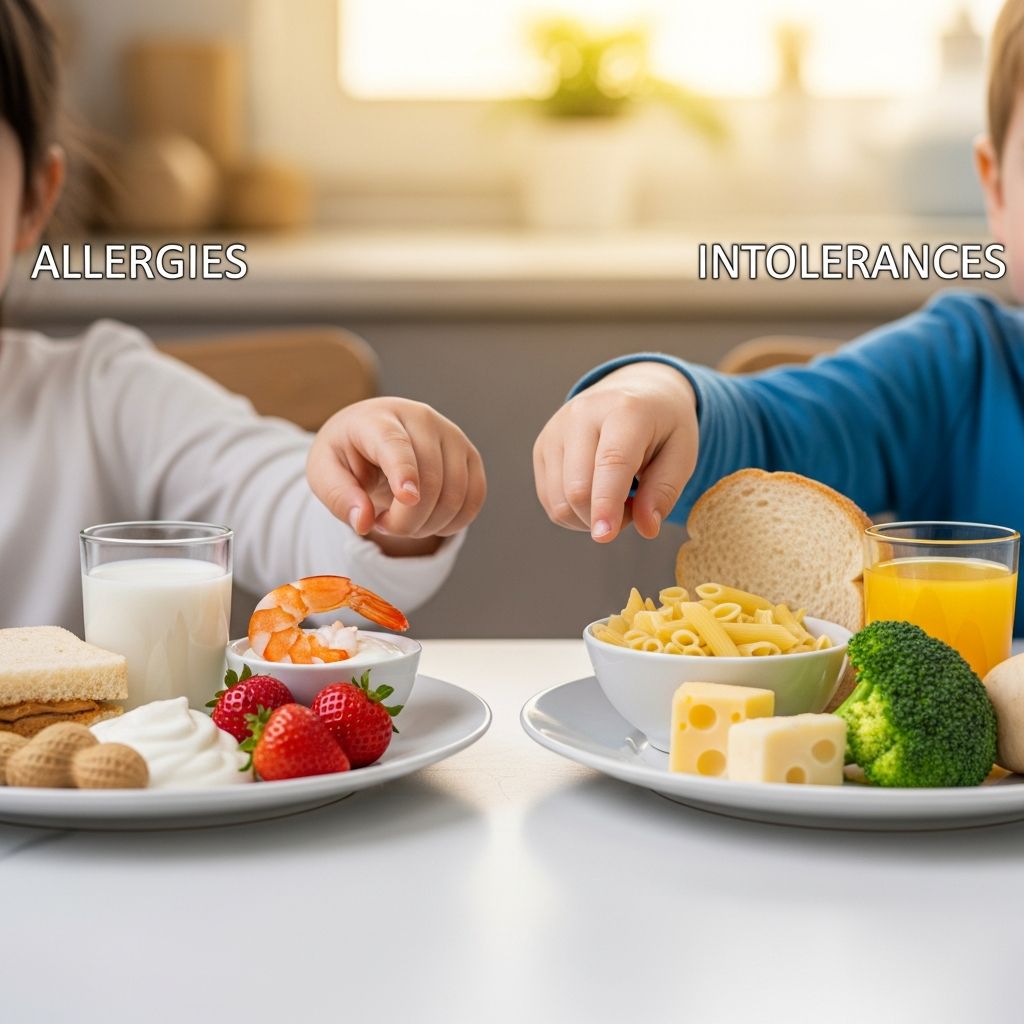
Distinguishing Between Immune Responses and Digestive Issues
When a child experiences adverse reactions to certain foods, parents often wonder whether their child has a food allergy or a food intolerance. While these terms are sometimes used interchangeably, they represent fundamentally different physiological processes. Understanding this distinction is crucial for proper diagnosis, treatment, and dietary management. A food allergy involves an immune system response, where the body’s defense mechanisms mistakenly identify a specific food protein as harmful and mount an attack against it. In contrast, a food intolerance occurs when the digestive system struggles to process certain foods, often due to enzyme deficiencies or heightened sensitivity to particular food components. This foundational difference determines how healthcare providers diagnose the condition and how families should manage their child’s diet.
The Immune System’s Role in Food Allergies
Food allergies are immune-mediated conditions that trigger specific biological responses within the body. When a child with a food allergy ingests an allergen, their immune system produces immunoglobulin E (IgE) antibodies that recognize the food protein as a foreign invader. These antibodies bind to mast cells and basophils throughout the body. Upon subsequent exposure to the same allergen, the immune system rapidly releases chemicals such as histamine, causing inflammation and various systemic symptoms. This cascade of immune events distinguishes true food allergies from other adverse food reactions.
The severity of allergic reactions can vary significantly from child to child and even from one exposure to the next. Some children experience mild localized symptoms, while others face life-threatening anaphylaxis. The unpredictability of allergic responses necessitates careful monitoring and preparedness among caregivers.
Understanding Food Intolerances and Their Mechanisms
Food intolerances operate through entirely different mechanisms than allergies. These conditions arise when the body cannot adequately digest a food or when consuming it irritates the digestive system. Common causes include enzyme deficiencies, such as lactase insufficiency in lactose intolerance, or heightened sensitivity to food components like certain carbohydrates or additives. Unlike allergic reactions, intolerances do not involve immune system activation and therefore do not produce IgE antibodies.
Research indicates that food intolerances are relatively common in children. Studies have shown that approximately 16% of children aged one month to 18 years avoid foods due to intolerance. Lactose intolerance consistently emerges as the most frequently reported intolerance among pediatric populations. Because intolerances operate independently from the immune system, they typically produce less severe symptoms than allergies and do not carry the risk of anaphylaxis.
Recognizing Allergic Reaction Symptoms in Children
Food allergic reactions can manifest through multiple body systems, creating a range of clinical presentations. Symptoms typically appear within minutes of food consumption, though delayed reactions occurring several hours after exposure have been documented. Early manifestations may seem mild but can escalate rapidly, requiring immediate medical intervention.
Reactions affecting the skin often include hives, localized or generalized swelling, redness, and intense itching. Some children develop eczema or other dermatological manifestations. Respiratory symptoms range from mild nasal congestion and sneezing to more severe presentations such as coughing, wheezing, shortness of breath, throat tightness, and difficulty swallowing. Gastrointestinal involvement produces nausea, vomiting, abdominal cramping, and diarrhea. Additional symptoms may include anxiety, headaches, metallic taste sensations, and dizziness.
Anaphylaxis represents the most severe allergic response, characterized by multiple organ system involvement occurring simultaneously. This life-threatening condition demands emergency medical attention and immediate administration of epinephrine. Parents should recognize that any symptom progression or involvement of multiple body systems warrants urgent care.
Intolerance Symptoms: A Different Clinical Picture
Food intolerance reactions typically manifest exclusively within the digestive system, creating a distinctly different symptom profile compared to allergic reactions. Common presentations include abdominal discomfort, bloating, gas, diarrhea, and constipation. Some children experience nausea or a general sense of malaise. Importantly, intolerance symptoms do not include respiratory distress, skin reactions like hives, or systemic symptoms such as dizziness or anxiety.
In infants and very young children with milk or soy intolerances, symptoms may present differently than in older children. Parents might observe excessive crying or fussiness (colic), presence of blood in stool, gastroesophageal reflux symptoms, or failure to gain weight appropriately. These subtle signs require careful observation and documentation.
The Diagnostic Journey: When to Seek Professional Assessment
Suspicion of a food allergy or intolerance should prompt consultation with a pediatrician, who may refer the child to a pediatric allergist for comprehensive evaluation. The diagnostic process begins with a detailed history, during which healthcare providers ask about the timing of reactions, symptom duration, treatment responses, and family history of allergic conditions. Information about food preparation methods matters significantly, as processing can affect allergen properties. The frequency of past exposures and the consistency of reactions also inform the diagnostic picture.
Timing provides critical diagnostic clues. True allergic reactions typically occur within minutes of ingestion and rarely manifest more than two hours after food consumption. Delayed reactions extending beyond this window suggest intolerance rather than allergy.
Diagnostic Testing Methods for Food Allergies
When clinical history alone does not clarify the diagnosis, allergists employ two primary testing methodologies. Skin prick tests introduce minute quantities of suspected allergens into the skin and observe for local reactions. A positive response appears as a raised, itchy bump at the test site within 15 minutes. This quick, inexpensive test helps identify potential allergens but sometimes produces false positives.
Blood tests measure specific IgE antibody levels against particular foods. These quantitative results provide objective data about immune sensitization to specific proteins. Blood testing proves particularly useful for children with extensive eczema or those taking medications that interfere with skin testing. Modern laboratories can simultaneously test against dozens of potential allergens from a single blood sample.
Both testing methods occur in controlled medical environments where trained professionals can manage unexpected reactions and provide appropriate care. Test results must always be interpreted within the context of clinical history, as sensitization (positive test) does not always correlate with clinical allergy (actual reactions upon ingestion).
Identifying Intolerance Through Systematic Observation
Diagnosing food intolerances relies less on laboratory testing and more on systematic observation and dietary experimentation. Parents can maintain detailed food and symptom diaries, documenting everything their child consumes and any subsequent symptoms. By correlating dietary intake with symptom timing and severity, patterns often emerge that reveal triggering foods.
Elimination diets provide a more structured diagnostic approach. During this process, suspected problematic foods are removed from the child’s diet for a defined period, typically two weeks. Subsequently, foods are reintroduced one at a time while monitoring for symptom recurrence. If symptoms reappear after reintroducing a specific food, that food likely triggers the intolerance. Elimination diets should be conducted under professional guidance, particularly when multiple foods are suspect, to ensure the child’s nutritional needs remain met.
Some intolerances, such as FODMAP intolerance in children with irritable bowel syndrome, may change over time. Periodic re-testing of previously problematic foods allows families to determine whether their child’s tolerance has improved with age and development.
Managing Food Allergies Through Avoidance and Medical Preparedness
The primary management strategy for food allergies involves strict avoidance of the offending allergen. Parents must become skilled at reading ingredient labels, identifying hidden sources of common allergens, and communicating allergen concerns to caregivers, teachers, and food service personnel. Developing a comprehensive food allergy action plan provides essential guidance for all individuals interacting with the child.
Action plans should include a list of foods to avoid, possible symptom manifestations specific to the child, prescribed medications with dosing instructions appropriate to symptom severity, and emergency contact information. This document should be provided to schools, daycare facilities, relatives, and any adults regularly supervising the child. Written plans ensure consistent, appropriate responses if accidental exposure occurs.
When dining outside the home, parents should communicate directly with restaurant staff, providing a card listing the child’s specific allergies and requesting discussion with kitchen personnel. Buffets and salad bars pose heightened risks due to cross-contamination possibilities and should generally be avoided. Parents must always carry emergency medications, such as epinephrine auto-injectors, when the child with severe allergies leaves home.
Preventive Medications and Emerging Immunotherapy Approaches
Beyond avoidance, several medical interventions can reduce allergic reaction severity. Omalizumab, a monoclonal antibody medication, prevents allergic reactions from progressing to severe anaphylaxis if a child with known allergies accidentally ingests an allergen. This medication works by binding to IgE antibodies, preventing their interaction with mast cells.
Oral immunotherapy represents an innovative treatment approach where children gradually consume increasing amounts of the allergen, beginning with microscopic quantities. Over time, repeated exposure desensitizes the immune system’s response to the food protein. While oral immunotherapy shows promise in research settings, it remains specialized treatment available only at certain medical centers and requires careful medical supervision.
Managing Food Intolerances Through Dietary Adjustment
Treatment of food intolerances centers on avoiding the offending food or finding alternative forms that the child can tolerate. For lactose intolerance, children can consume lactose-free dairy products or take over-the-counter lactase enzyme supplements when consuming traditional dairy containing lactose. Children with gluten sensitivity benefit from gluten-free grains and products. These management approaches prove straightforward and accessible.
When children have multiple food intolerances, working with a registered dietitian becomes essential. Professional nutritional guidance ensures that dietary restrictions do not compromise the child’s intake of essential nutrients, vitamins, and minerals necessary for healthy growth and development. Dietitians can identify safe, nutritious alternatives and help families navigate label reading and meal planning.
Natural Resolution: Do Children Outgrow These Conditions?
A significant proportion of children naturally outgrow food allergies as they mature. Research indicates that most children with egg, milk, wheat, and soy allergies resolve their allergies by age five. However, some allergies persist at higher rates. Only 20 to 25 percent of children with peanut allergies outgrow them by adulthood, and merely 10 percent of those with tree nut allergies achieve natural resolution. Shellfish and fish allergies also tend toward persistence.
Allergists can periodically retest children to track whether their allergies are diminishing. Some families work with specialists to slowly reintroduce previously problematic foods under controlled conditions once testing suggests tolerance may have developed. Food intolerances demonstrate variable patterns of resolution, with some improving as children’s digestive systems mature while others persist into adulthood.
Early Introduction and Allergy Prevention
Recent research has challenged traditional recommendations to delay introduction of highly allergenic foods. The LEAP study, conducted in 2015, examined early peanut introduction in infants aged four to eleven months. Results demonstrated that children consuming peanut products three times weekly developed peanut allergies at rates of only 2 percent by age five, compared to 14 percent in children with delayed peanut introduction.
Current guidelines recommend early introduction of potential allergens for most infants. However, parents of children with severe eczema or previous egg allergies should consult pediatricians and consider allergy testing before introducing peanuts, as these children carry elevated peanut allergy risk. Early, regular exposure to diverse foods may help establish immune tolerance.
Special Considerations for Infants
Milk and soy allergies or intolerances commonly emerge in infants and very young children. Breast-fed infants may react to allergens transferred through breast milk, prompting lactation specialists and pediatricians to recommend maternal dietary modifications. Formula-fed infants with milk protein allergy may require switching to soy-based formulas or hypoallergenic extensively hydrolyzed formulas engineered to minimize allergenic potential.
Creating a Comprehensive Action Framework
Effective allergy and intolerance management requires multi-faceted approaches addressing medical, dietary, educational, and social dimensions. Families benefit from clear written plans, accessible emergency medications, educated caregivers, and ongoing professional support. Children should learn age-appropriate information about their conditions and develop skills for self-advocacy as they mature.
Can food intolerances develop into full allergies?
Food intolerances and allergies are distinct conditions involving different biological mechanisms. An intolerance will not transform into an immune-mediated allergy, though a child could theoretically have both conditions to different foods simultaneously.
How quickly do allergy symptoms typically appear after eating?
True allergic reactions usually manifest within minutes of food ingestion, rarely appearing more than two hours after consumption. Symptoms developing several hours later more likely indicate intolerance.
Are there reliable at-home allergy tests?
Reliable allergy diagnosis requires clinical evaluation by qualified allergists using validated skin prick or blood testing methods in medical settings. At-home tests lack scientific validation and may produce misleading results.
Can children with food allergies ever safely eat those foods again?
Some children naturally outgrow certain food allergies. Allergists can monitor this progression through periodic testing and may conduct supervised food reintroduction trials when testing suggests tolerance development.
What should be included in a food allergy action plan?
A complete action plan lists specific foods to avoid, possible symptoms, medications with dosing instructions based on symptom severity, and emergency contact information for physicians and parents or guardians.
References
- Food Allergies in Children: Causes, Symptoms, Diagnosis & Treatment — American Academy of Pediatrics (AAP). 2024. https://www.healthychildren.org/English/healthy-living/nutrition/Pages/Food-Allergies-in-Children.aspx
- Food allergies in children: Pediatric guidelines, diagnosis and more — UC Davis Health. 2021-07. https://health.ucdavis.edu/blog/good-food/food-allergies-in-children-pediatric-guidelines-diagnosis-and-more/2021/07
- How Do I Address My Child’s Food Intolerances or Allergies? — Canadian Digestive Health Foundation (CDHF). 2025. https://cdhf.ca/en/how-do-i-address-my-childs-food-intolerances-or-allergies/
- Understanding Food Allergies in Kids — Children’s Hospital Colorado. 2025. https://www.childrenscolorado.org/just-ask-childrens/articles/food-allergies/
- Allergy or Intolerance? How to know the difference — Le Bonheur Children’s Hospital. 2025. https://www.lebonheur.org/blogs/practical-parenting/allergy-or-intolerance-how-to-know-the-difference
- Food Allergies in Children — Stanford Medicine Children’s Health. 2025. https://www.stanfordchildrens.org/en/topic/default?id=food-allergies-in-children-90-P01685
- How to Manage Allergies in Children: From Food to Pollen — Metro Pediatrics. 2025. https://www.metropediatrics.com/pediatric-blog/how-to-manage-allergies-in-children-from-food-to-pollen/