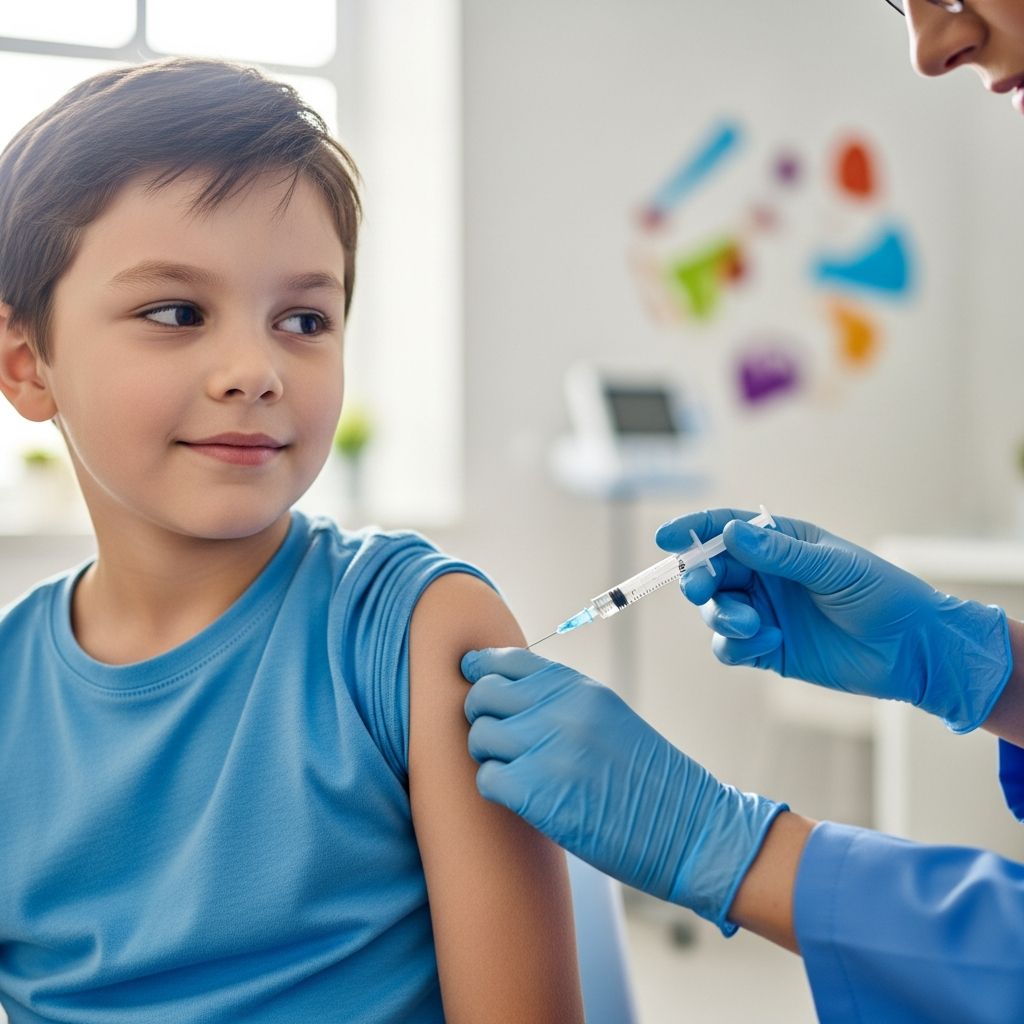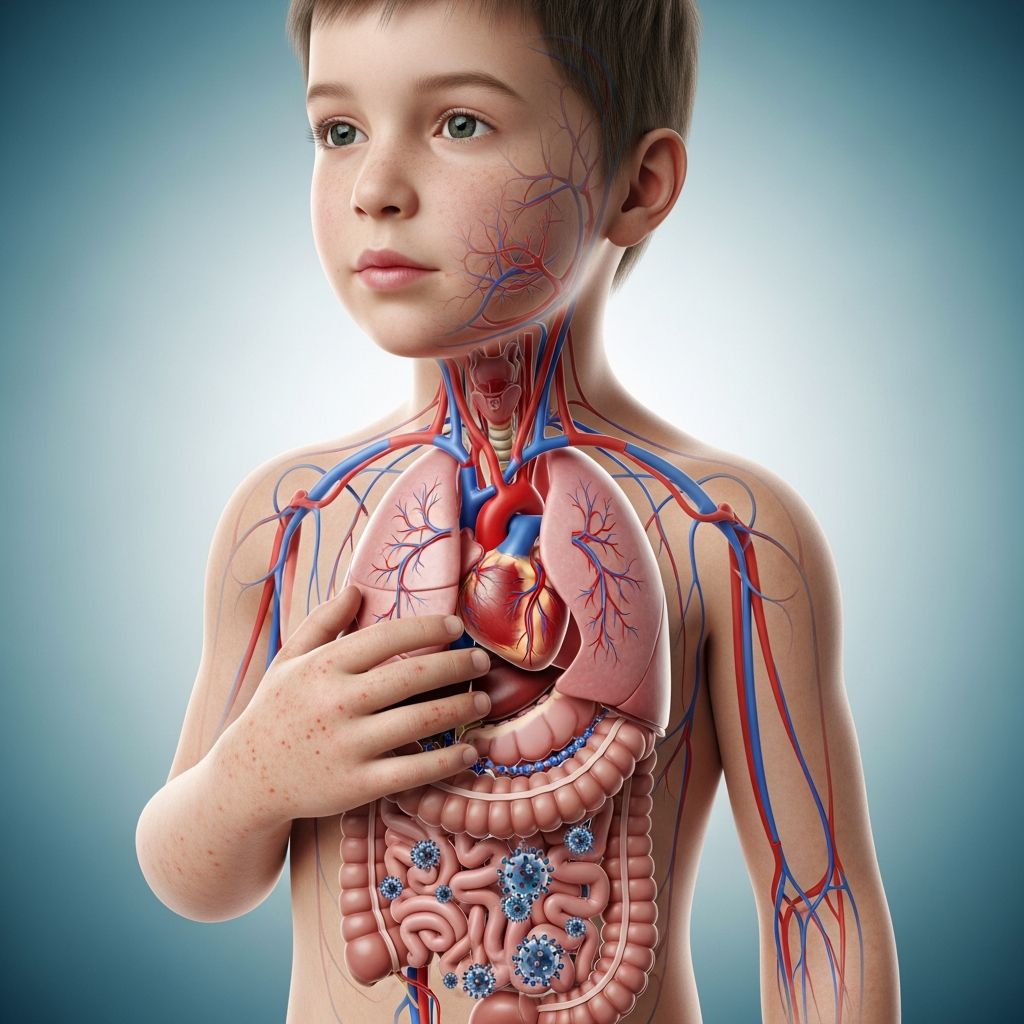
When a child has repeated tummy troubles, rashes, or strange reactions after eating, many parents immediately think “food allergy.” Yet not every reaction to food is an allergy. Some children have food allergies, some have food intolerances, and some have both. Knowing the difference helps you protect your child’s health without cutting out foods unnecessarily.
Understanding How the Body Reacts to Food
Food reactions fall into two broad categories: immune-based (true allergies) and non-immune (intolerances and sensitivities). In a food allergy, the child’s immune system mistakes a normal food protein for a danger and launches an attack, which can lead to symptoms on the skin, in the lungs, and in the gut, and sometimes a life-threatening emergency called anaphylaxis. In a food intolerance, the body struggles to digest or handle a component of the food, often due to missing enzymes, irritation of the digestive tract, or sensitivity to natural chemicals in foods.
- Food allergy: Immune system problem; even tiny amounts can trigger a reaction.
- Food intolerance: Digestive or metabolic problem; usually related to how much is eaten.
- Food sensitivity: A broad, non-medical term some people use when reactions are real but do not clearly fit allergy or classic intolerance.
Common Trigger Foods in Children
Any food can, in theory, cause a reaction, but a small group of foods causes most allergies in children. Intolerances, on the other hand, often involve milk sugar (lactose) or certain natural food chemicals. Knowing the usual culprits helps you and your child’s doctor decide what to test or trial first rather than removing random foods.
| Type of reaction | Common triggers | Typical age group |
|---|---|---|
| IgE-mediated food allergy | Milk, egg, peanuts, tree nuts, wheat, soy, fish, shellfish | Often begins in infancy and early childhood |
| Non-IgE or mixed allergy (e.g., some gut-based allergies) | Milk, soy, sometimes wheat and other staples | Mostly infants and toddlers |
| Lactose intolerance | Milk and other dairy containing lactose | Older children, teens, and adults |
| Other food intolerances | Food additives (like some colorings), caffeine, natural food chemicals | School-age children and teens |
How Food Allergies Show Up in Kids
Allergic reactions usually happen quickly, often within minutes to two hours after eating the problem food. Many children develop more than one type of symptom at once, such as a skin rash plus vomiting. A small number may go on to a severe, whole-body reaction that requires emergency care, so it is vital for caregivers to recognize red-flag signs.
Typical allergy symptoms in children may include:
- Skin changes: hives, redness, itchy patches, or swelling of the face, lips, or eyelids.
- Breathing symptoms: coughing, wheezing, noisy breathing, or a feeling that the throat is tight.
- Gut symptoms: sudden nausea, vomiting, crampy stomach pain, or diarrhea shortly after a meal.
- Circulation changes: paleness, dizziness, faintness, or a weak, fast pulse in severe reactions.
Recognizing Anaphylaxis: A Medical Emergency
Anaphylaxis is a severe allergic reaction that can progress very quickly and be life-threatening. It often involves trouble breathing or changes in blood circulation and may affect several body systems at once. If a child has a known food allergy and starts having breathing difficulty or collapse after exposure, emergency treatment with epinephrine and urgent medical care is essential.
- Trouble breathing, wheezing, or repeated coughing that does not ease.
- Swelling of the tongue, lips, or throat or difficulty speaking clearly.
- Sudden drop in blood pressure with pale, cool, clammy skin or loss of consciousness.
- Severe, rapidly worsening hives or flushing over much of the body.
What Food Intolerance Looks Like
Food intolerance usually affects the digestive tract and tends to cause discomfort rather than an immediate emergency. Symptoms may come on gradually and sometimes appear hours after eating, which can make it harder for parents to link the reaction to a particular food. Children with intolerances can sometimes handle small amounts of the food, especially if eaten with other foods.
Common signs of food intolerance include:
- Bloating, gas, or a feeling of fullness after eating certain foods.
- Recurrent tummy pain or cramping not clearly explained by infection.
- Loose stools, diarrhea, or sometimes constipation.
- Nausea or occasional vomiting without other allergy symptoms like hives.
- Heartburn or sour-tasting burps in older children and teens.
Key Differences Between Allergy and Intolerance
Because the day-to-day symptoms can overlap, parents sometimes confuse allergies with intolerances. However, the underlying mechanisms and the level of risk are quite different. A clear grasp of these distinctions guides how strictly a food must be avoided and what kind of treatment plan your child needs.
| Feature | Food allergy | Food intolerance |
|---|---|---|
| Body system involved | Immune system attacks food protein | Digestive system or metabolism struggles with component of food |
| Amount needed to cause reaction | Often tiny traces are enough | Usually dose-dependent; small amounts may be tolerated |
| Speed of reaction | Minutes to about two hours | Often delayed; can appear hours later |
| Severity range | Mild to life-threatening (anaphylaxis possible) | Uncomfortable but rarely life-threatening |
| Long-term management | Strict avoidance; emergency plan and medication if severe | Portion control; selective avoidance; digestive support |
When to Seek Medical Advice
Any child who has repeated reactions after eating a particular food should be evaluated by a health professional. Sudden rashes, swelling, or breathing issues after meals deserve urgent attention, even if they settle down on their own, because later reactions can be more serious. Infants with blood in their stools, poor growth, or extreme fussiness around feeds may also have an underlying allergy or intolerance that requires assessment.
- Call emergency services immediately if your child has signs of anaphylaxis such as difficulty breathing, collapse, or severe swelling of the face or throat.
- Arrange a non-urgent visit with your child’s doctor if symptoms are milder but repeat after certain foods, or if growth, sleep, or behavior seems affected.
How Doctors Diagnose Food Allergy and Intolerance
Diagnosis starts with a careful history: which foods were eaten, how much, how quickly symptoms appeared, and what exactly happened. Doctors then decide whether the pattern fits more with allergy or intolerance. For suspected immune-based allergies, testing may include skin prick tests or blood tests that measure specific antibodies against certain foods.
Food intolerances are rarely confirmed with a single blood test. Instead, doctors often recommend a structured elimination and re-challenge approach: the suspected food is removed for a set period, symptoms are tracked, and then the food is reintroduced in a controlled way. For babies and children with more complex reactions, specialist allergy or gastroenterology clinics may arrange medically supervised food challenges.
Managing Confirmed Food Allergies Safely
Once a food allergy is confirmed, the main treatment is avoiding the trigger completely while still providing a full, nourishing diet. Parents, caregivers, schools, and older children need clear information about which foods and products are unsafe. Many families benefit from a written allergy action plan that spells out everyday precautions and what to do in an emergency.
- Learn to read ingredient labels carefully, including for hidden sources of common allergens.
- Teach relatives, babysitters, and teachers how to recognize early symptoms and when to use emergency medication if prescribed.
- Keep safe snacks available so your child is not tempted to share unknown foods.
- Work with a dietitian if several foods must be avoided to ensure your child still gets enough calories, protein, vitamins, and minerals.
Living With an Epinephrine Auto-Injector
Children at risk of severe allergic reactions are often prescribed an epinephrine auto-injector and sometimes other rescue medicines. The device only works if it is available and used promptly, so families should treat it like an essential part of leaving the house, similar to keys or a phone. Practice with a trainer device (without a needle or medicine) helps both adults and older children feel confident using it.
- Store the device according to instructions and check the expiry date regularly.
- Ensure that at least one trained adult is present at activities like school, sports, and playdates.
- Teach your child, in an age-appropriate way, why the device is important and what to do if they start feeling unwell after eating.
Practical Strategies for Food Intolerance
For intolerance, management focuses on finding each child’s tolerance level rather than banning a food outright. Some children with lactose intolerance, for example, can drink small amounts of milk with meals or eat yogurt and hard cheese without problems. Keeping a simple symptom diary for a few weeks can help families link portion sizes with comfort levels.
Useful approaches for managing food intolerance include:
- Limiting but not always completely excluding the problem food, based on your child’s individual threshold.
- Trying lactose-free or reduced-lactose dairy products if lactose intolerance is suspected and approved by your child’s doctor.
- Spacing meals and snacks to give the digestive system time to recover.
- Consulting a healthcare professional before making very restrictive changes so that growth and nutrition are not compromised.
Reading Labels and Avoiding Hidden Ingredients
Modern packaged foods often contain multiple components, and allergens can appear where parents least expect them. Ingredient lists may use technical names or list a food as part of a compound ingredient, which makes careful label reading a daily habit for families dealing with allergy. Restaurant meals and shared foods at parties pose extra challenges because recipes and preparation methods are not always obvious.
- Check labels every time you buy a product, even if you have purchased it safely before, because ingredients can change.
- Be cautious with baked goods, sauces, and processed meats, which may contain milk, egg, wheat, soy, or nuts.
- Ask clear questions at restaurants about how food is prepared and whether cross-contact with allergens is likely.
Safe Eating at School and Social Events
Once a child with food allergy or intolerance starts daycare or school, communication and planning become just as important as what happens at home. Parents should work with teachers, school nurses, and administrators to create a plan that covers snacks, lunches, classroom events, and field trips. Children with milder intolerances may simply need access to suitable alternatives, whereas those with severe allergies may require stricter controls on what foods are allowed in certain classrooms.
- Provide written instructions and, if needed, copies of your child’s allergy action plan to the school.
- Label your child’s lunch and snacks clearly and pack safe backup food for parties and special events.
- Encourage your child, as they grow, to speak up politely about their needs and to avoid swapping food with friends.
Supporting Your Child Emotionally
Children with food restrictions may feel left out, anxious, or different from their peers, especially when celebrations center around food. Parents can help by emphasizing the many things their child still can enjoy and by involving them in choosing and preparing safe treats. Age-appropriate education about their condition empowers children rather than frightening them.
Helpful emotional support strategies include:
- Normalizing the routine of checking labels and asking questions so it becomes just another family habit.
- Practicing social situations at home, like how to refuse unsafe food politely.
- Linking up with other families managing allergies or intolerances so your child sees they are not alone.
Will My Child Outgrow Their Allergy or Intolerance?
Some food allergies in children, such as allergies to milk or egg, may improve over time, while others, like peanut or tree nut allergy, are more likely to persist into adulthood. Regular follow-up with your child’s healthcare provider helps track progress and decide if and when it is safe to re-evaluate a particular food. This should always be done under medical guidance, not by experimenting at home with previously dangerous foods.
Food intolerances vary widely. Lactose intolerance tends to be long-term but manageable, while intolerance to specific additives or highly processed foods may lessen as the digestive system matures and as overall diet improves.
SEO-Friendly Key Takeaways
- Food allergy in children involves the immune system and can be life-threatening, so strict avoidance and an emergency plan are essential.
- Food intolerance in kids usually causes digestive discomfort and is often dose-dependent, focusing management on portion control.
- Parents should learn to recognize early symptoms, read labels carefully, and work closely with healthcare professionals for diagnosis and diet planning.
- Schools, caregivers, and the wider family must be included in any child’s food allergy management plan to keep them safe and included.
Frequently Asked Questions About Food Allergies and Intolerances in Children
Can a child have both a food allergy and a food intolerance?
Yes. A child might have an immune-based allergy to one food (for example, peanuts) and a digestive intolerance to another (such as lactose in milk). Each problem needs its own plan: strict avoidance for the allergen and portion control or substitution for the intolerance.
Do food allergies always cause a rash?
No. Many children develop hives or redness during an allergic reaction, but others may have mainly stomach symptoms, breathing problems, or dizziness without obvious skin changes. Any sudden combination of symptoms after eating a suspected food should be treated seriously.
Are home food sensitivity tests reliable?
Many commercial tests that claim to detect “food sensitivities” have not been proven accurate and can lead to overly strict diets that put children at risk of poor nutrition. Professional evaluation that combines a detailed history with targeted testing and, when appropriate, supervised food challenges is usually more reliable.
How can I keep my child safe at birthday parties?
Talk with the host beforehand about your child’s restrictions and offer to bring safe treats similar to what other children will eat. Remind your child not to share food and ensure that any supervising adult knows the basics of your child’s condition and what to do if symptoms appear.
Should I avoid common allergenic foods when starting solids?
For most babies, health experts now support introducing common allergenic foods such as peanut and egg in small, age-appropriate forms after other solids have started, unless your doctor advises differently. Families with a strong history of allergies or a child who already has eczema or existing food reactions should discuss timing and safety with a healthcare professional before introducing high-risk foods.