Understanding Mechanical Cervical Ripening: The Foley Bulb Method
When labor does not progress naturally or when medical circumstances require intervention, healthcare providers have several tools at their disposal to safely initiate the delivery process. One widely recognized and evidence-based technique is the Foley bulb induction, a mechanical method that has been used successfully for decades to prepare the cervix for labor. This approach represents a gentler alternative to pharmaceutical interventions, using a simple device to encourage the body’s natural progression toward delivery. Understanding how this procedure works, what to expect during the process, and the potential benefits and risks can help expectant parents make informed decisions about their birthing experience.
What Exactly Is a Foley Bulb and How Does It Function?
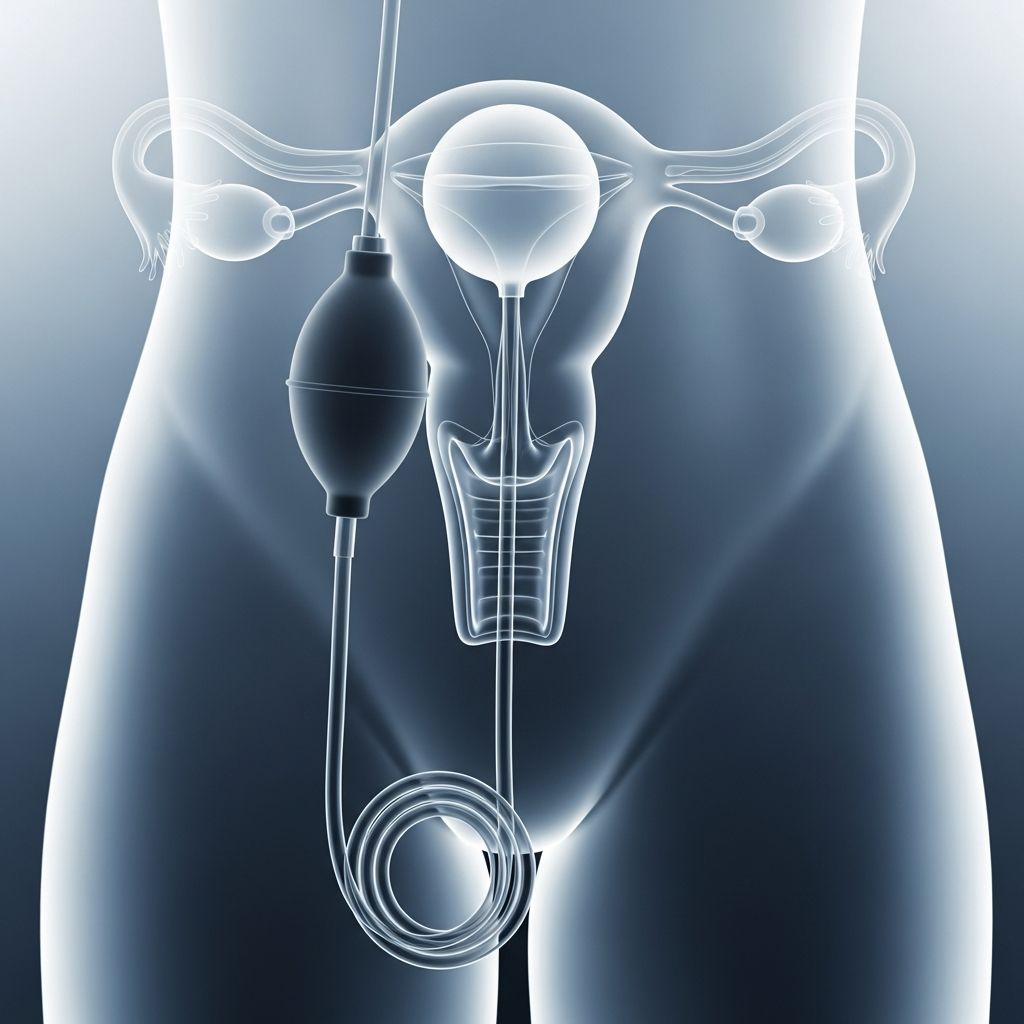
A Foley bulb, also referred to as a Foley balloon or Foley catheter, is a specialized medical device designed to encourage cervical dilation through mechanical pressure. The device consists of a thin, sterile rubber tube—essentially a catheter—with a balloon-like structure attached to one end. Healthcare providers insert this catheter through the cervical opening and position it inside the uterus, but importantly, the balloon remains outside the amniotic sac, ensuring that the protective fluid surrounding your baby remains intact throughout the procedure.
The fundamental purpose of the Foley bulb is to apply consistent, gentle pressure directly on the cervix. Once the catheter is properly positioned, the healthcare provider fills the balloon with sterile saline solution, typically about 30 milliliters of fluid. This inflation creates sustained pressure that encourages the cervical tissue to soften, thin, and gradually dilate—a process known as cervical ripening. This mechanical approach stimulates the body to produce hormones naturally, which can help initiate uterine contractions and progress labor forward.
The Complete Procedure: Step-by-Step Overview
The insertion and placement of a Foley bulb follows a standardized medical protocol designed to ensure both maternal and fetal safety. Here is what the procedure typically involves:
- Initial Assessment: Before beginning, healthcare providers monitor the baby’s heart rate for at least 20 minutes to establish a baseline and ensure fetal well-being. They also confirm that the baby is positioned head-down (vertex position), which is necessary for vaginal delivery.
- Positioning: The patient is positioned in the lithotomy position—lying on her back with legs supported in stirrups—to provide optimal access to the cervix.
- Sterilization: The perineal area is thoroughly cleaned using a sterile medical solution to prevent infection.
- Catheter Insertion: Using specialized forceps, the healthcare provider carefully guides the Foley catheter through the cervical opening. The balloon portion is positioned just beyond the cervix but remains outside the amniotic sac.
- Balloon Inflation: The balloon is filled with approximately 30 milliliters of sterile water or saline solution.
- Stabilization: The catheter may be taped to the patient’s thigh to create additional tension, enhancing the effectiveness of the procedure.
- Progressive Dilation: Throughout the process, additional sterile fluid may be introduced into the balloon to help facilitate further cervical dilation as time progresses.
The entire insertion process is relatively quick, typically requiring only about 10 minutes from start to finish. This brief timeframe means minimal discomfort and allows the patient to move forward with labor management efficiently.
Timeline and Expected Duration of Cervical Dilation
One of the most practical questions expectant parents ask concerns how long the Foley bulb will remain in place and when results become apparent. The timeline varies considerably from person to person, depending on individual factors such as cervical readiness, overall health, and how the body responds to mechanical stimulation.
On average, it takes between 10 to 12 hours for the cervix to dilate sufficiently for the Foley bulb to fall out on its own. The device typically dislodges when cervical dilation reaches 3 to 5 centimeters, depending on the specific measurement criteria used by your healthcare provider. During this waiting period, patients are encouraged to eat, rest, and drink water as tolerated, maintaining their strength for the labor process ahead.
However, labor progression is highly individualized. Some patients experience regular contractions almost immediately after the device is inserted, while others may wait several hours before labor begins. If labor has not progressed and contractions have not started after approximately 12 hours, the healthcare provider will typically remove the Foley bulb and discuss alternative induction methods with the patient.
Success Rates and Effectiveness in Promoting Labor Initiation
Research demonstrates that the Foley bulb is an effective labor induction tool. Approximately 50% of patients who receive a Foley bulb induction will experience spontaneous labor initiation without requiring additional interventions. This means that half of those undergoing this procedure will transition to active labor contractions on their own, driven by the cervical changes stimulated by the balloon’s pressure.
For those who do not enter labor spontaneously after the Foley bulb falls out, healthcare providers can break the amniotic membranes (a procedure called amniotomy) or introduce medications such as oxytocin to help stimulate labor contractions into full progression. The Foley bulb thus serves as an important first step in the induction process, preparing the cervix for subsequent interventions if necessary.
Clinical evidence also shows that Foley bulb induction increases the rate of vaginal birth within 24 hours compared to placebo or sham treatment. Furthermore, its effectiveness in cervical ripening is comparable to pharmaceutical options such as Dinoprostone (brand name Cervidil), making it a legitimate alternative for patients seeking to minimize medication exposure.
When Is a Foley Bulb Induction Recommended?
Healthcare providers recommend Foley bulb induction when specific medical or personal circumstances warrant labor initiation. Patients typically meet the following criteria to be candidates for this procedure:
- Pregnancy at 37 weeks of gestation or beyond (considered full-term)
- Maternal age of 18 years or older
- Carrying a single baby (not multiples)
- Intact amniotic membranes—the waters have not ruptured
- A cervix that is at least slightly open and capable of accommodating the catheter
Medical indications for labor induction include conditions such as gestational diabetes, preeclampsia, intrauterine growth restriction, or overdue pregnancies. Elective inductions may be appropriate when labor does not begin naturally by the due date or when distance from the hospital makes earlier induction preferable for logistical reasons. Your healthcare provider will evaluate your specific situation to determine if Foley bulb induction is the most appropriate choice for your circumstances.
Advantages of Mechanical Dilation Over Medication-Based Approaches
The Foley bulb offers several compelling advantages compared to pharmaceutical induction methods. One significant benefit is the reduced risk of uterine hyperstimulation—excessive, uncoordinated uterine contractions that can lead to fetal distress. Medications such as synthetic prostaglandins carry a higher risk of this complication, whereas the mechanical pressure of the Foley balloon provides more controlled, physiologic stimulation.
Because the Foley bulb works mechanically rather than through hormone mimicry, it encourages the body’s own natural labor hormones to activate, creating a more physiologically appropriate progression. This approach can be particularly beneficial for patients whose cervix is unfavorable—hard, closed, and thick—as the mechanical pressure gradually softens and thins the tissue, making it more responsive to subsequent labor management strategies.
Additionally, the Foley bulb allows for flexibility in care settings. Some patients can have the device inserted and then return home during the waiting period, while others may remain in the hospital or birth center. Both approaches are considered safe, allowing for personalized care based on individual circumstances and preferences.
Understanding Potential Risks and Safety Considerations
While Foley bulb induction is widely considered a safe procedure with minimal complications, expectant parents should understand potential risks. The insertion of a catheter internally does introduce a slightly increased risk of infection because the device passes through the cervix into the uterus. However, this risk remains minimal because healthcare providers only insert a Foley bulb when the amniotic membranes are intact. The protective barrier created by the amniotic fluid prevents bacteria from reaching the baby, and the device is typically dislodged before the membranes rupture, further minimizing infection risk.
Research indicates that Foley bulb induction does not carry negative side effects or serious risks for either the mother or baby when properly performed. The procedure has been safely utilized for decades, with extensive clinical experience supporting its safety profile. Serious complications are rare, making this one of the gentler options available for labor induction.
What to Expect During and After the Procedure
Understanding the sensations and experiences associated with Foley bulb induction can help reduce anxiety and uncertainty. During insertion, patients may experience mild discomfort or pressure as the catheter is guided through the cervix. This discomfort is typically brief and manageable. Once the balloon is inflated, patients may feel pressure in the lower uterus and cervical area, but this sensation usually subsides as the body adjusts.
After insertion, patients are free to move about, eat, and rest as desired. Some healthcare providers recommend ambulation (walking) during the waiting period, as this can facilitate labor progression. Patients should continue drinking fluids and maintaining nutrition to sustain energy for labor. Bathroom visits are normal and expected during this time.
Contractions may begin gradually during the waiting period, or they may not start until after the Foley bulb falls out. When contractions do begin, they may feel like the irregular practice contractions some patients experience in late pregnancy, eventually developing into stronger, more regular contractions characteristic of active labor.
Foley Bulb Induction Compared to Other Labor Induction Methods
| Induction Method | Mechanism of Action | Risk of Hyperstimulation | Setting Flexibility |
|---|---|---|---|
| Foley Bulb | Mechanical pressure on cervix | Lower risk | Home or hospital |
| Synthetic Prostaglandins | Hormone mimicry | Higher risk | Hospital only |
| Oxytocin (Pitocin) | Hormone stimulation | Moderate risk | Hospital only |
| Amniotomy | Mechanical rupture of membranes | Variable | Hospital only |
Special Considerations and Combination Therapy
In some cases, healthcare providers may use the Foley bulb in combination with other induction methods to optimize outcomes. For example, medications such as misoprostol may be administered alongside the Foley bulb to further encourage cervical softening. This combination approach can enhance effectiveness while still maintaining relatively favorable safety profiles compared to pharmaceutical-only induction.
Additionally, after the Foley bulb falls out and if labor has not progressed sufficiently, providers may recommend breaking the amniotic membranes or administering intravenous oxytocin to continue labor progression. The Foley bulb thus often serves as the first step in a carefully orchestrated induction plan, with additional interventions added as needed based on individual response and labor progression.
Preparing Psychologically and Practically for Induction
Beyond the medical aspects, mental and emotional preparation contributes to a more positive induction experience. Understanding that labor induction is a process—not a guarantee of immediate labor—helps set realistic expectations. Having a birth partner present for support, clear communication with your healthcare team about your preferences and concerns, and familiarity with what labor progression feels like can all contribute to a more empowering experience. Some patients find comfort in attending childbirth education classes, practicing relaxation techniques, or developing a flexible birth plan that acknowledges induction as part of their journey toward meeting their baby.
Common Questions About Foley Bulb Induction
Q: How long does a Foley bulb induction typically take to induce labor?
A: While individual timelines vary considerably, most patients require 10 to 12 hours for the cervix to dilate sufficiently for the Foley bulb to fall out on its own. Some patients experience contractions within hours, while others may require the full timeframe or additional interventions.
Q: Can I eat and drink during a Foley bulb induction?
A: Yes. While waiting for labor to progress, patients are encouraged to eat, drink water, and rest as tolerated. This helps maintain energy and hydration for the labor process ahead.
Q: Is it safe to go home with a Foley bulb in place?
A: Yes, both staying in the hospital or birth center and going home during the induction process are considered safe options. Your healthcare provider will discuss which setting is most appropriate for your individual situation.
Q: What happens if labor doesn’t start after the Foley bulb falls out?
A: If labor has not progressed after approximately 12 hours, your healthcare provider will remove the device and discuss alternative induction methods, such as breaking the amniotic membranes or administering medication to stimulate contractions.
Q: Are there any serious risks associated with Foley bulb induction?
A: Serious complications are rare. While there is a slightly increased infection risk due to catheter insertion, this risk remains minimal when the amniotic membranes are intact. Overall, Foley bulb induction is considered a safe procedure with minimal side effects.
Q: How does Foley bulb induction compare to medication-based induction methods?
A: Foley bulb induction is comparable to pharmaceutical methods in effectiveness but carries a lower risk of uterine hyperstimulation. It encourages the body’s natural hormone production and offers more flexibility in care settings compared to medication-based approaches.
References
- Understanding Induction Options: Foley Bulb Method Explained — Sweet Childbirth. 2023-01-05. https://sweetchildbirth.com/2023/01/05/foley-bulb-induction/
- Foley Bulb Labor Induction: Procedure, Benefits, and Risks — WebMD. https://www.webmd.com/baby/what-is-a-foley-bulb
- Foley bulb induction: What it is and what to expect — Medical News Today. https://www.medicalnewstoday.com/articles/322956
- Foley Bulb Induction: What To Expect & Success Rate — Cleveland Clinic. https://my.clevelandclinic.org/health/treatments/23925-foley-bulb-induction