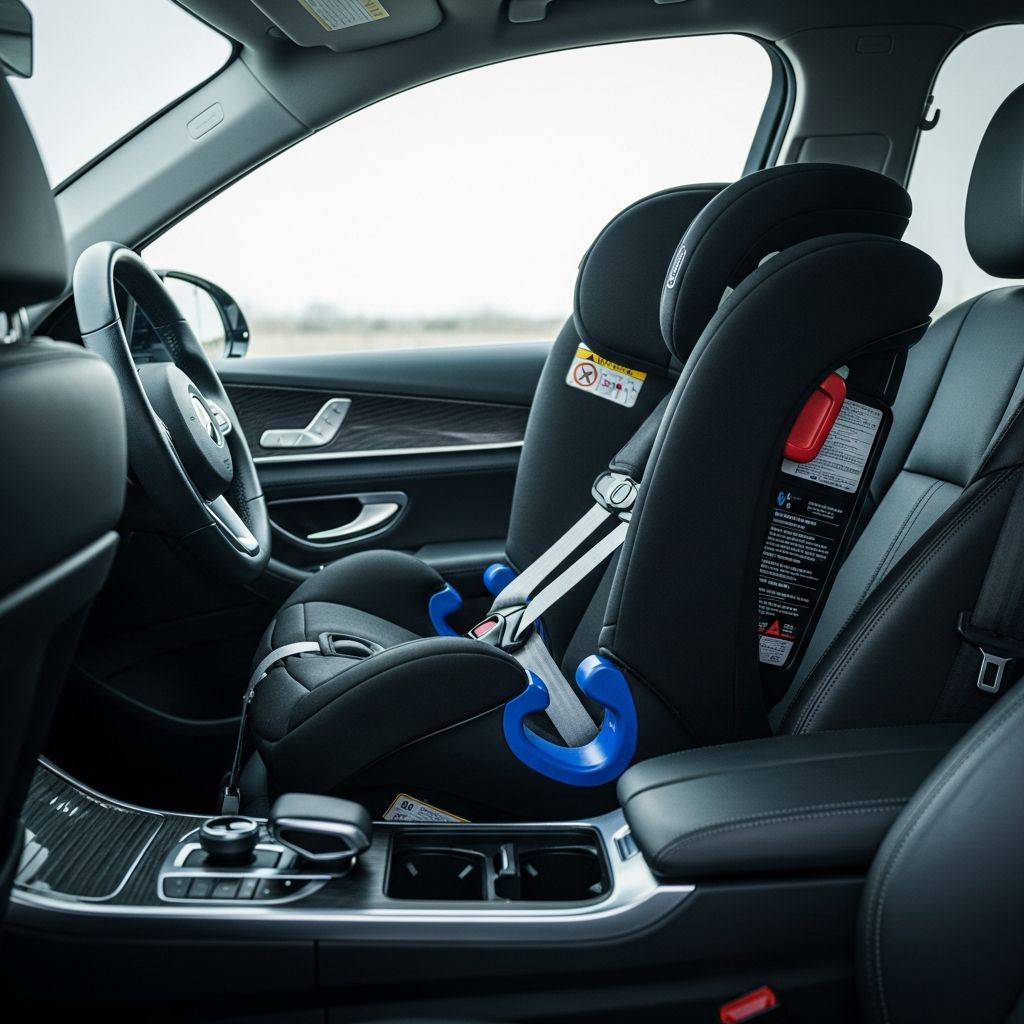
Evolving Standards for Child Vehicle Safety
The automotive safety landscape continues to advance as regulatory bodies prioritize the protection of the youngest passengers. Beginning December 5, 2026, a significant transformation in how car seats are tested and certified will take effect across the United States. The Federal Motor Vehicle Safety Standard 213a (FMVSS 213a) represents the most comprehensive update to child passenger protection requirements in recent memory, introducing mandatory side-impact crash testing for all car seats designed for children weighing less than 40 pounds.
This regulatory shift emerged from extensive research demonstrating that side-impact collisions present a substantial and previously under-addressed threat to child safety. While frontal crashes have historically dominated crash testing protocols, evidence shows that side-impact incidents cause proportionally severe injuries to children, warranting a dedicated focus on this critical safety gap.
The Science Behind Side-Impact Protection Requirements
Side-impact collisions present unique dangers that differ fundamentally from frontal crashes. In a side-impact scenario, the distance between a child passenger and the striking vehicle is minimal, with the vehicle door serving as the primary barrier. This limited protective space makes effective restraint and structural support essential for preventing catastrophic injuries.
Research conducted by the National Highway Traffic Safety Administration revealed that side-impact crashes cause nearly as many child fatalities as frontal collisions, despite existing car seats being tested exclusively for head-on impact scenarios. This discrepancy highlighted a critical vulnerability in current safety standards. Engineers developed specialized crash test dummies representing 3-year-old children to simulate realistic side-impact conditions, and conducted four definitive crash tests to establish regulatory benchmarks that measure forces and movements significantly different from frontal crash protocols.
The new standard requires car seats to withstand a 30 mph side-impact sled test that simulates T-bone crashes. During this testing, seats must accomplish three critical objectives: properly restrain the child within the seat, prevent the child’s head from making contact with vehicle structures, and reduce the force of impact transmitted to the chest area.
Understanding the Regulatory Timeline and Compliance Deadlines
The journey toward these safety enhancements spans more than a decade. The NHTSA initially proposed rulemaking in 2014 to incorporate side-impact protection into car seat standards, but the final rule was not released until June 2022. The original compliance deadline was set for June 30, 2025, to allow manufacturers sufficient time to redesign, test, and implement the new safety features.
However, recognizing that smaller manufacturers required additional access to specialized testing facilities, the NHTSA extended the compliance deadline to December 5, 2026. This extension acknowledges the practical challenges many smaller producers face in meeting enhanced testing requirements while maintaining affordability and availability in the marketplace.
Despite this extended timeline, many major manufacturers have already surpassed the minimum requirements and are producing car seats that meet FMVSS 213a standards ahead of the mandatory deadline. Parents shopping for new car seats today can access this enhanced protection immediately rather than waiting for full industry compliance.
Which Car Seats Fall Under the New Requirements
The regulations specifically target car seats designed for children weighing under 40 pounds and measuring up to 43 inches in height. This classification encompasses several common car seat types that families rely on daily:
- Infant carriers and rear-facing infant seats
- Convertible seats used in both rear-facing and forward-facing configurations
- Combination seats with integrated harnesses
- Forward-facing seats designed for toddlers and preschoolers
Notably, booster seats are not currently affected by FMVSS 213a requirements, as they utilize different restraint systems and serve children in higher weight categories. However, manufacturers have already begun implementing labeling changes related to the new standards. The forward-facing minimum weight limit has been raised to at least 26.5 pounds, with some manufacturers setting the threshold at 30 pounds to encourage extended rear-facing positioning during critical early childhood years.
Identifying Compliant Car Seats in the Current Market
For parents currently shopping for car seats, determining whether a specific model meets FMVSS 213a standards requires direct communication with manufacturers, as packaging and labeling may not explicitly mention compliance during the transition period. Major retailers and manufacturers can provide confirmation of whether their products have passed the new side-impact testing protocols.
After December 5, 2026, all car seats sold in the United States must comply with the regulation, eliminating the need for individual verification. Until that date, however, parents who prioritize access to the latest safety innovations can choose to purchase compliant seats before mandatory compliance takes effect.
The NHTSA provides valuable resources for parents seeking accurate information about car seat selection and safety compliance. The Find the Right Seat tool helps identify appropriate car seats based on a child’s age and size, while the Car Seat Inspection Station Locator assists families in finding certified installation professionals in their area.
Do You Need to Replace Your Current Car Seat?
A common concern among parents is whether existing car seats will become obsolete or unsafe when the new standards take effect. The clear answer is no. The NHTSA confirms that existing car seats remain highly effective for crash protection and do not require replacement unless they have expired, been subject to a recall, or are improperly installed.
A car seat that continues to function properly, meets all maintenance requirements, and is correctly installed in the vehicle provides reliable protection for children. The new standards represent an advancement in safety testing and manufacturing practices moving forward, not a declaration that current seats are inadequate.
Parents with existing car seats should:
- Verify the expiration date listed on the seat (typically 6-10 years from manufacture)
- Check for any manufacturer recalls through the NHTSA recall search tool or the free SaferCar app
- Confirm proper installation following the manufacturer’s guidelines
- Register the car seat with the manufacturer to receive safety notifications
Only when a car seat has expired, been recalled, or suffered damage necessitating replacement should families consider purchasing a new seat.
Essential Safety Checks for Current Car Seats
Regardless of when a car seat was purchased, several maintenance and verification practices ensure optimal protection for children:
Proper Fit and Installation
The safest car seat is one that fits the vehicle and child correctly every time. Many parents overlook common installation errors that compromise safety. Professional installation verification through NHTSA’s certified technician network can identify issues and ensure the seat is secure. Weekly checks help confirm that the installation remains tight and properly positioned.
Weight and Height Compliance
Parents must verify that their child remains within both the height and weight limits for the specific orientation being used. Forward-facing and rear-facing seats have different parameters, and exceeding either threshold compromises the seat’s protective capabilities.
Recall Status Monitoring
Car seat recalls occur periodically as manufacturers identify potential safety issues. The SaferCar app provides automatic notifications when a registered seat receives a recall notice, enabling parents to take prompt action.
The Testing Standards Behind FMVSS 213a Compliance
Understanding what car seats must accomplish to meet the new standards illuminates why these requirements matter. The testing protocol involves:
- 30 mph side-impact sled tests simulating T-bone collision scenarios
- Specialized crash test dummies representing 3-year-old children
- Measurement of head contact prevention with vehicle structures
- Assessment of chest impact force reduction
- Evaluation of child restraint effectiveness during side-impact events
This rigorous testing regimen required years of engineering development and explains why some manufacturers needed additional time beyond the original deadline to achieve compliance. The technical complexity of side-impact testing differs substantially from established frontal crash protocols, necessitating new equipment, testing facilities, and design innovations.
What Parents Should Know About Future Safety Standards
The data-driven approach behind FMVSS 213a suggests that future child passenger safety regulations will similarly be informed by real-world crash analysis and evolving injury prevention understanding. While no additional booster seat updates or restraint system modifications are currently planned, the NHTSA continues researching opportunities to enhance child passenger protection.
Safety advocates note that future improvements might incorporate real-world rear-seat environments more thoroughly into testing protocols, including front seatback surfaces and flooring that better replicate actual vehicle conditions. Such enhancements could encourage manufacturers to develop innovative designs that further improve crash protection outcomes.
Practical Guidance for Family Vehicle Safety
Parents implementing the new standards can follow these practical steps to ensure their children receive maximum protection:
- Contact manufacturers directly to confirm FMVSS 213a compliance when shopping for new car seats
- Schedule professional installation verification with certified technicians in your area
- Register new car seats with manufacturers to receive safety notifications
- Keep manufacturer contact information and instruction manuals accessible for reference
- Conduct monthly reviews to confirm proper installation and child positioning
- Stay informed about recall notices through the SaferCar app or NHTSA website
Comprehensive FAQ on the New Car Seat Standards
Q: When do I need to purchase a car seat that meets FMVSS 213a standards?
A: You do not need to purchase a new seat unless your current seat has expired, been recalled, or is damaged. However, if you’re shopping for a new car seat now, you can access enhanced side-impact protection immediately by choosing a manufacturer-confirmed FMVSS 213a compliant model rather than waiting until December 2026.
Q: Will my current car seat become unsafe after December 5, 2026?
A: No. Existing car seats remain safe and effective if properly installed and maintained. The new standards apply to car seats manufactured after the compliance date, not to seats already in use.
Q: What types of car seats must meet the new side-impact requirements?
A: All car seats designed for children under 40 pounds must comply, including infant carriers, convertible seats, and combination seats. Booster seats are not currently affected.
Q: How can I verify that a car seat meets FMVSS 213a standards?
A: Contact the manufacturer directly and ask specifically about FMVSS 213a compliance. Many seats may not mention this explicitly on packaging during the transition period.
Q: Where can I find certified car seat installation help?
A: The NHTSA’s Car Seat Inspection Station Locator helps you find certified installation professionals in your area. Professional help ensures your seat is installed correctly and provides maximum protection.
Q: Are side-impact crashes common, and why focus on them specifically?
A: Research shows that side-impact collisions cause nearly as many child fatalities as frontal crashes, despite existing seats only being tested for head-on impacts. The minimal distance between a child and the vehicle door in side impacts makes this a critical safety focus.
Q: What if I’m unsure whether my car seat is installed correctly?
A: Schedule a professional installation check with a certified technician. Additionally, perform weekly tightness checks to ensure the installation remains secure and properly positioned in your vehicle.
References
- New Car Seat Regulations 2026: FMVSS 213a Side-Impact Safety Standards Guide — BabySense Monitors. 2026. https://www.babysensemonitors.com/blogs/news/new-car-seat-regulations-2026-fmvss-213a-guide-parents
- New Car Seat Regulations Issued by National Highway Traffic Safety Administration — Tobias Comer Law. https://www.tobiascomerlaw.com/new-car-seat-regulations-issued-by-national-highway-traffic-safety-administration/
- Car Seat Crash Testing: To the Regulations and Beyond — Safe in the Seat. https://www.safeintheseat.com/post/car-seat-crash-testing-to-the-regulations-and-beyond
- What the New Child Car Seat Regulations Mean for Parents — Consumer Reports. 2025. https://www.consumerreports.org/babies-kids/car-seats/new-child-car-seat-regulations-a1477269248/