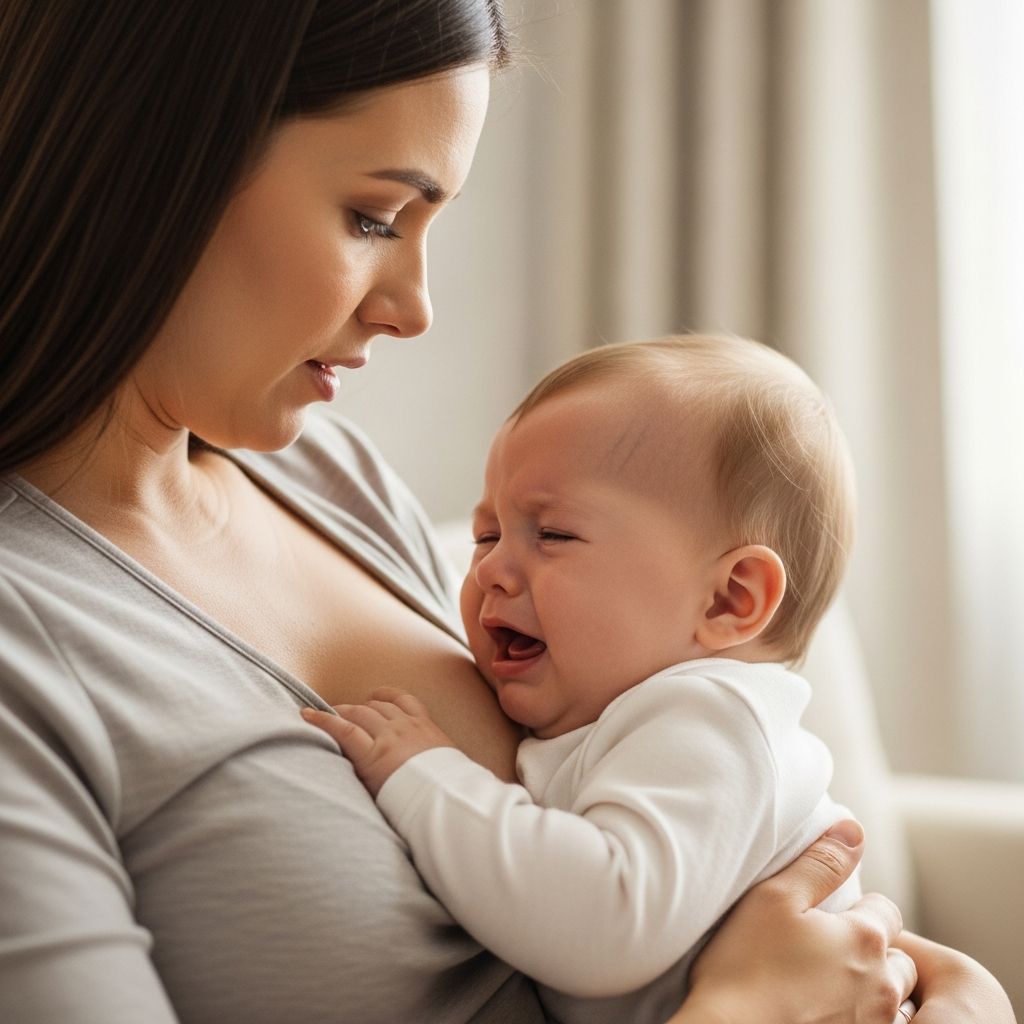
The arrival of a firstborn child marks the dawn of parenthood, a pivotal moment that reshapes lives in profound ways. This child, often the family’s pioneer, embarks on an uncharted path alongside parents who are equally novice. Together, they navigate the highs and lows of growth, forging a bond built on mutual discovery and adaptation.
The Pioneering Role of the First Child
Firstborn children hold a distinctive position in the family structure. They are the initial canvas upon which parents paint their aspirations, fears, and evolving philosophies of child-rearing. Unlike subsequent siblings, who benefit from seasoned parental instincts, the firstborn experiences the raw, experimental phase of parenting. Parents meticulously research every decision—from feeding schedules to educational toys—pouring unmatched intensity into this relationship.
This dynamic often instills leadership qualities in firstborns early on. They mature quickly, absorbing undivided attention that accelerates milestones like walking or speaking. However, this comes with invisible pressures: the weight of parental expectations and the role of ‘guinea pig’ for new strategies. Research on birth order highlights how these children tend to be responsible and self-directed, yet they may grapple with perfectionism.
- Accelerated Development: Exclusive parental focus promotes early achievements in cognitive and motor skills.
- Responsibility Burden: They often step into helper roles, managing household tasks prematurely.
- Emotional Depth: Witnessing parents’ initial anxieties fosters empathy beyond their years.
Lessons from the Early Years: Trial and Error
The early days with a firstborn are a whirlwind of firsts—for both child and parents. Sleepless nights, teething woes, and toddler tantrums serve as the family’s first classroom. Parents experiment with routines, discipline methods, and nurturing techniques, learning what resonates through real-time feedback from their child. This trial-and-error process builds resilience in everyone involved.
One key lesson is the art of communication. Open dialogues from infancy lay the foundation for trust. Treating the child as an equal—respecting their voice even at young ages—cultivates mutual respect. Parents discover that listening actively prevents misunderstandings and strengthens emotional ties.
| Challenge | Parental Learning | Child’s Gain |
|---|---|---|
| Sleep Training | Patience and flexibility in routines | Secure attachment through consistency |
| Temper Tantrums | Emotional regulation strategies | Tools for self-expression |
| First Illness | Advocacy in healthcare | Trust in parental protection |
These experiences transform parents, shifting focus from self-centered priorities to selfless devotion. The firstborn ignites a ‘fire’ of determination, proving capabilities once deemed impossible.
Navigating Sibling Transitions: Adjusting Dynamics
The birth of a second child introduces seismic shifts for the firstborn. What was once undivided attention splinters, prompting complex emotions like jealousy or displacement. Parents must intentionally reassure the elder child of their irreplaceable role, perhaps through special rituals or one-on-one time. This period tests family adaptability, as the firstborn learns sharing while parents refine multitasking.
Birth order studies note that firstborns may adopt ‘surrogate parent’ behaviors, becoming protective or directive toward younger siblings. A gap of five to six years can reset dynamics, treating the next child as a ‘new firstborn’. Yet, this transition fosters growth: the elder gains negotiation skills, while parents learn balanced affection distribution.
- Preserve individual attention with dedicated playdates.
- Encourage positive sibling interactions through shared responsibilities.
- Validate feelings openly to model emotional intelligence.
Invisible Burdens and Hidden Strengths
Beneath the surface, firstborns shoulder unique loads. They absorb parents’ nascent anxieties—hovering oversight, philosophical experiments, and unfiltered dreams. As emotional anchors, they confide in parents and vice versa, maturing faster emotionally. This can breed perfectionism or reluctance to seek help, traits parents must counter with affirmation.
Conversely, these pressures cultivate strengths: reliability, negotiation prowess, and leadership. Parents evolve too, moving from over-correction to trust, allowing self-correction. Recognizing these dynamics prevents taking the firstborn’s compliance for granted.
Building a Foundation of Mutual Respect
Central to thriving firstborn relationships is mutual respect. Parents model equality by valuing the child’s opinions, fostering open channels where doubts are aired freely. This approach ensures the child seeks guidance without hesitation, building lifelong trust. Even amid frustrations—like screams during meltdowns—consistent respect yields empathetic, communicative adults.
As years pass, parents reflect on changes: less ego, broader worldviews, and deepened love capacities. The firstborn, in turn, witnesses parental evolution, understanding growth as reciprocal.
Long-Term Impacts: Shaping Family Legacy
Over time, the firstborn-parent bond influences the entire family legacy. Early lessons inform parenting of younger children, creating a more relaxed, informed approach. Firstborns often emerge as natural leaders, their experiences equipping them for responsibility. Yet, parents must actively appreciate efforts, avoiding the pitfall of expecting perpetual perfection.
This shared journey redefines identity. Parents gain superpowers of empathy and resilience; children, secure foundations for independence. No one ‘completes’ another, but together, they enrich lives immeasurably.
Frequently Asked Questions (FAQs)
What makes firstborns unique in family dynamics?
Firstborns receive undivided parental attention initially, accelerating development but also bearing experimental parenting and high expectations.
How can parents support firstborns during sibling arrivals?
Maintain special rituals, validate emotions, and encourage positive roles to ease transitions and preserve bonds.
Do firstborns face more pressure than later-born siblings?
Yes, they often carry parental dreams and anxieties, leading to perfectionism, but this builds leadership strengths.
How does treating a firstborn with respect benefit long-term?
It fosters open communication, trust, and emotional maturity, ensuring they seek guidance throughout life.
Can birth order gaps reset firstborn traits?
A 5-6 year gap may treat the next child as a new firstborn, altering dynamics.
References
- The first child – our experiments with Parenthood — TripleAmommy. 2018-05-09. https://tripleamommy.com/2018/05/09/the-first-child-our-experiments-with-parenthood/
- Dear firstborn—thanks for showing me the way — Motherly. N/A. https://www.mother.ly/life/dear-firstbornthanks-for-showing-me-the-way/
- Birth Order: What Firstborns Need Most from their Parents — Monica Swanson. N/A. https://monicaswanson.com/birth-order-what-firstborns-need-most-from-their-parents/
- 8 things the firstborn child in every family quietly carries — Artful Parent. N/A. https://artfulparent.com/k-t-8-things-the-firstborn-child-in-every-family-quietly-carries-that-their-younger-siblings-never-fully-understand/
- To My Firstborn: We’re Growing Up Together — Her View From Home. N/A. https://herviewfromhome.com/motherhood-firstborn-were-growing-up-together/
- My Firstborn Holds A Special Place In My Heart — Love What Matters. N/A. https://www.lovewhatmatters.com/mom-of-4-firstborn-special-place-in-heart/
- How Birth Order Affects Your Children — Parent Cue. N/A. https://theparentcue.org/how-birth-order-affects-your-children/