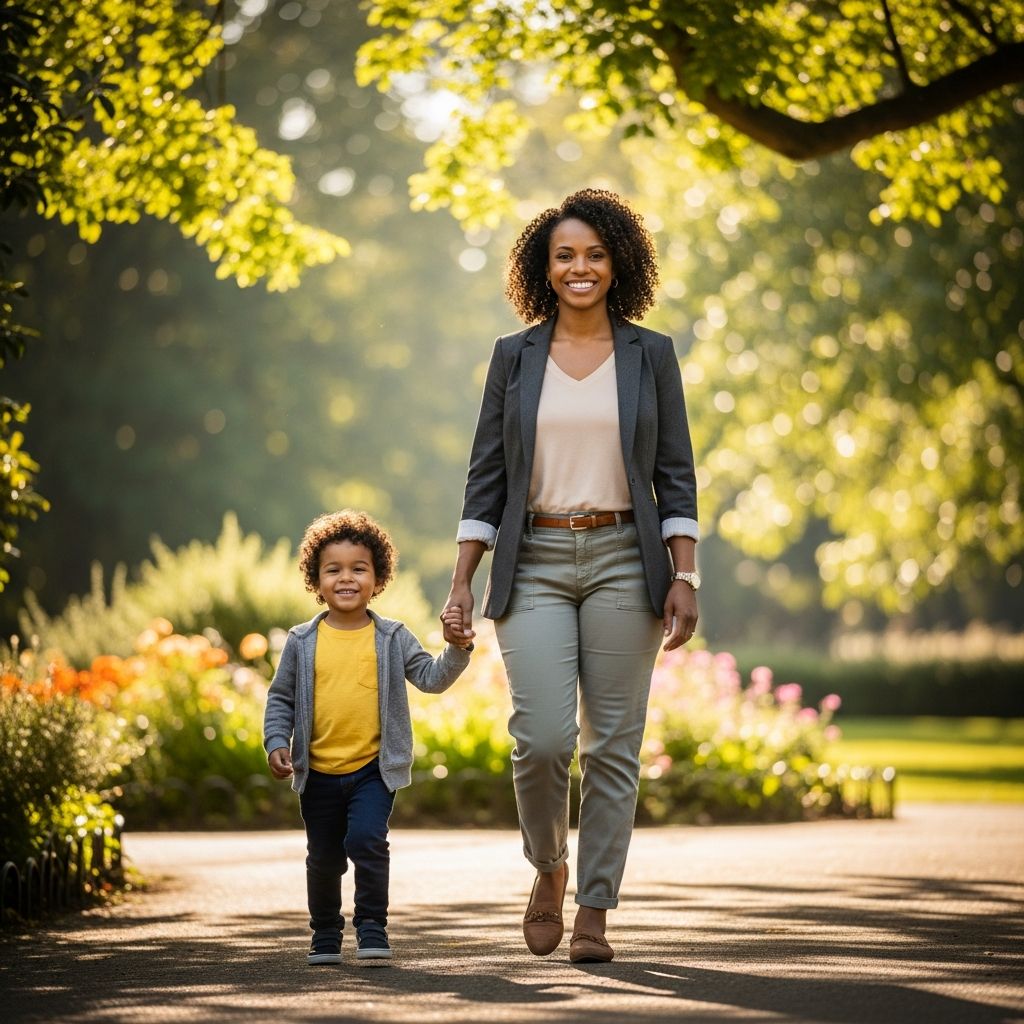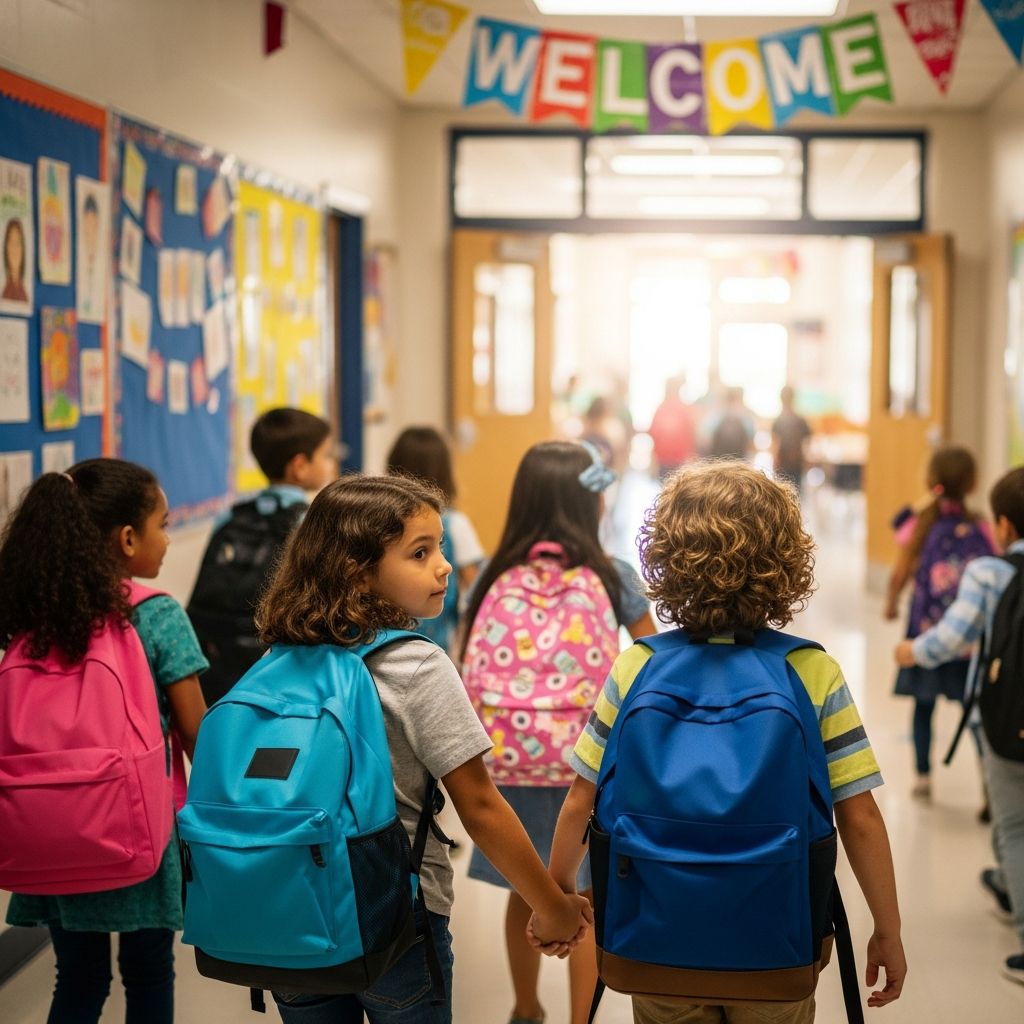
The transition back to school brings a mix of excitement and anxiety for children, parents, and teachers alike. A well-planned first week sets the foundation for academic success and emotional well-being throughout the year. This guide provides original, practical strategies drawn from educational best practices to help everyone thrive from day one.
Building Anticipation Through Preparation
Starting with mindset is key. Help children view school as an adventure by discussing what they might learn and who they could meet. Parents can create a shared excitement by reviewing school information together weeks in advance.
- Review enrollment packets and orientation details early.
- Talk about favorite past school memories to build positive associations.
- Visit the school playground or campus if possible to familiarize kids with the surroundings.
Teachers should prepare welcoming materials, such as personalized name tags or fun fact sheets about themselves, to immediately connect with students.
Organizing Supplies and Wardrobe Essentials
Gathering materials ahead prevents last-minute rushes. Create a checklist based on school-provided lists, customizing for each child’s needs.
| Category | Items to Prepare | Preparation Tip |
|---|---|---|
| Backpack & Basics | Backpack, notebooks, pencils, erasers | Label items with child’s name; test backpack comfort with a full load. |
| Clothing | Uniforms or first-day outfit, extra socks | Choose comfortable, weather-appropriate clothes; wash and fold in advance. |
| Health Kit | Water bottle, hand sanitizer, masks if required | Pack non-perishables; check expiration dates. |
| Lunch Gear | Lunchbox, utensils, napkins | Practice packing a sample lunch to streamline mornings. |
For teachers, stock classroom supplies like extra crayons or tissues. Organize them in labeled bins to model tidiness from the start.
Resetting Sleep and Morning Rituals
Summer schedules often disrupt natural rhythms. Gradually shift bedtime earlier by 15-20 minutes nightly over two weeks. Aim for 9-11 hours of sleep based on age: preschoolers need more, tweens slightly less.
- Establish a wind-down routine: dim lights, read a book, avoid screens 1 hour before bed.
- Practice morning wake-ups with gentle alarms and positive affirmations.
- Prepare breakfast options the night before, like overnight oats or smoothie packs.
Simulate full mornings twice before school starts. Time the process to identify bottlenecks, such as slow dressing or forgotten items. This builds independence and reduces parental stress.
Crafting Family Schedules and Logistics
A central calendar prevents oversights. Use digital apps or a physical board visible to all family members. Color-code by child or activity type for quick reference.
Key dates to plot:
- First day, half-days, parent-teacher nights.
- Sports tryouts, club meetings, holidays.
- Transportation handoffs between parents or carpools.
For drop-offs and pick-ups, map routes and practice runs. Discuss bus rules or walking paths with children. Teachers can share daily agendas via apps or newsletters to align home efforts.
Designing an Engaging Learning Space
A tidy, inviting classroom signals care and structure. Teachers: prioritize functionality over decoration. Use clear labels on shelves, hooks, and cubbies. Limit wall displays to essential anchors like alphabet charts or behavior visuals.
- Arrange desks in cooperative groups to encourage interaction.
- Create cozy reading nooks with pillows and age-appropriate books.
- Display a ‘Welcome’ banner with blank spaces for student names or drawings.
Parents can replicate this at home with dedicated homework zones: good lighting, minimal distractions, organized supply caddies.
Establishing Clear Rules and Expectations
Day one focuses on community norms. Involve students in brainstorming 3-5 positive rules, like ‘Listen Kindly’ or ‘Hands to Self.’ Post them prominently and refer back daily.
Practice procedures repeatedly:
- Line-up order, quiet signals for attention.
- Work turn-in spots, supply distribution methods.
- End-of-day cleanup: chairs pushed in, floors clear.
For parents, set home rules mirroring school ones, such as homework times or screen limits, to reinforce consistency.
Fostering Connections and Community
Relationships combat first-week jitters. Icebreakers reveal common interests: ‘Find someone who…’ games for likes, hobbies, or summer adventures.
- Show-and-share sessions mid-week let kids present meaningful items.
- Partner interviews where pairs share facts then introduce classmates.
- Family outreach: notes or calls home highlighting positives from day one.
Teachers displaying student photos or artwork personalizes the space. Parents can host playdates with new classmates to extend bonds beyond school.
Practicing Safety and Independence Skills
Empower kids with knowledge. Role-play scenarios: crossing streets, bus boarding, asking for help from trusted adults.
- Stranger awareness: ‘Safe grown-ups wear name badges.’
- Emergency contacts: memorize 2-3 numbers or program into watches.
- Personal care: bathroom use, handwashing steps.
For younger ones, use picture schedules. Older kids benefit from checklists for locker organization or digital logins.
Staying Calm Amid the Chaos
Flexibility is vital—plans shift with teething toddlers or surprise assemblies. Model composure: deep breaths, positive reframing like ‘This is our adventure!’
Self-care for adults: quick walks, hydration, brief debriefs post-drop-off. Celebrate small wins, like on-time arrivals, with high-fives or stickers.
Frequently Asked Questions
What if my child is anxious about the first day?
Validate feelings, share your own past nerves, and rehearse the routine. A comfort item like a family photo helps.
How do I handle multiple kids’ schedules?
Prioritize with a shared digital calendar; delegate tasks like one parent handles lunches.
Should I pack lunch or buy school meals?
Try both initially; packing allows customization, school offers social exposure.
What routines to prioritize week one?
Focus on transitions, cleanup, and listening signals for smooth operations.
How to build excitement without pressure?
Frame school as exploration; let kids choose first-day outfits or pack fun snacks.
This roadmap ensures the first week launches confidently, paving the way for growth. Adapt as needed—every child and class is unique.
References
- Top 10 Tips for a Smooth First Week of School — Prizmah. 2023-08-15. https://prizmah.org/blog/top-10-tips-smooth-first-week-school-0
- Surviving the First Week Back to School: 5 Tips for Sanity — Kong Academy. 2024-07-20. https://www.kongacademy.org/surviving-the-first-week-back-to-school-5-tips-for-sanity/
- 5 Tips to Help You Prepare for the First Week of School — Hey Natayle. 2023-05-10. https://heynatayle.com/5-tips-to-help-you-prepare-for-the-first-week-of-school/
- Top 5 Tips Before the First Day of School — Kids360 Preschool. 2024-08-01. https://kids360preschool.com/top-5-tips-before-the-first-day-of-school/
- First Week of School: 6 Things to Remember — The Simply Organized Teacher. 2023-07-28. https://thesimplyorganizedteacher.com/first-week-of-school/