Building a Foundation for Healthy Fetal Development
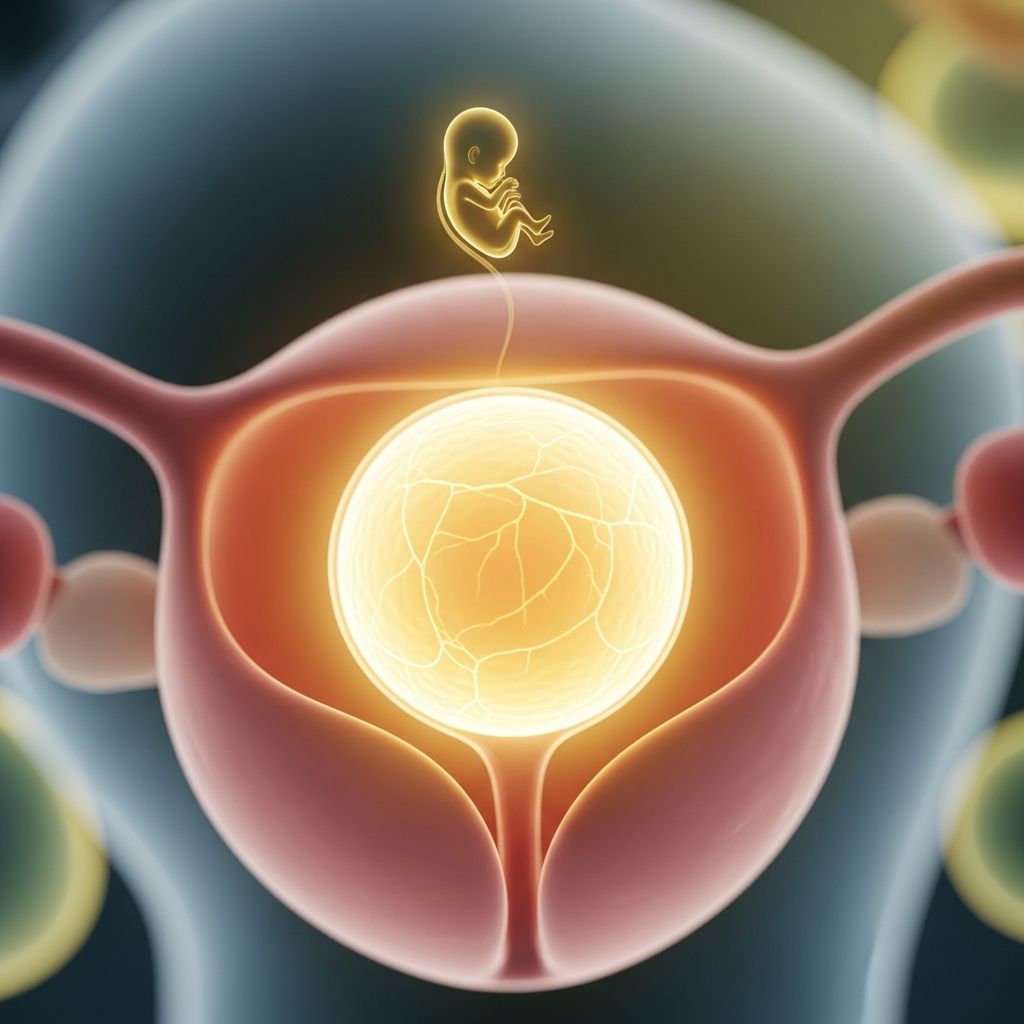
The first trimester represents a critical window of biological transformation where your body undergoes profound changes to support new life. During these initial twelve weeks, your developing baby’s fundamental structures—including the nervous system, heart, limbs, and facial features—are rapidly forming. The nutritional choices you make during this period establish the groundwork for optimal fetal development and maternal wellness. Proper nutrition during early pregnancy is not simply about eating more; it involves consuming nutrient-dense foods that provide your body with specific vitamins, minerals, and macronutrients essential for supporting both your health and your baby’s growth.
Understanding Your Caloric Requirements
A common misconception about pregnancy nutrition is that expectant mothers must dramatically increase their caloric intake from the moment conception occurs. However, caloric needs during the first trimester remain relatively stable compared to non-pregnant women. Pregnant women in the first twelve weeks typically require approximately 2,300 to 2,400 kilocalories per day to sustain fetal growth and maintain maternal physiological functions. This modest increase of roughly 300 calories daily becomes more pronounced in the second and third trimesters, but during these early weeks, the emphasis should focus on food quality rather than quantity.
Understanding your baseline caloric needs helps prevent both inadequate nutrition and excessive weight gain. Rather than consuming more food, prioritize selecting foods that deliver maximum nutritional value. A piece of whole-grain toast with natural almond butter provides more sustained energy and essential nutrients than empty-calorie alternatives, making it a superior choice for supporting your pregnancy.
Essential Micronutrients That Cannot Be Overlooked
Folic Acid and Neural Development
Folic acid stands as perhaps the most critical nutrient during the first trimester, with profound implications for your baby’s neurological health. This B vitamin prevents devastating neural tube defects, including spina bifida and anencephaly, conditions that can profoundly affect your child’s lifelong health. The developing neural tube—which eventually becomes the brain and spinal cord—forms primarily during the first four weeks of pregnancy, often before many women realize they are pregnant.
Obtaining adequate folic acid requires both dietary sources and supplementation. Dark leafy greens such as spinach and water spinach, fortified breakfast cereals, and legumes provide natural folate, while prenatal vitamins typically contain synthetic folic acid in the recommended dosage. Consulting with your healthcare provider ensures you receive appropriate supplementation tailored to your individual needs.
Iron for Oxygen Transport and Energy
Iron requirements increase substantially during pregnancy as your blood volume expands to accommodate fetal circulation and prepare for delivery. The recommended daily intake of 36 to 40 milligrams significantly exceeds the non-pregnant requirement, making iron deficiency a common concern during gestation. Inadequate iron stores lead to anemia, which can cause fatigue, weakness, and compromise oxygen delivery to your developing baby.
Iron exists in two forms: heme iron from animal sources and non-heme iron from plant-based foods. Heme iron, found in red meat, organ meats, and poultry, absorbs more efficiently than non-heme iron from vegetables and legumes. Pairing plant-based iron sources with vitamin C-rich foods like citrus fruits or bell peppers enhances absorption, allowing vegetarian and vegan pregnant women to meet their iron requirements through strategic food combinations.
Calcium and Vitamin D for Skeletal Formation
Your baby’s bones begin developing during the first trimester, requiring adequate calcium to form properly. Dairy products including milk, yogurt, and cheese provide readily absorbable calcium, while non-dairy sources like fortified plant-based beverages, leafy greens, and fish with bones offer alternatives for lactose-intolerant or vegan mothers. Low-fat dairy options deliver calcium without excessive saturated fat, supporting both fetal and maternal health.
Vitamin D plays an equally important role by facilitating calcium absorption and regulating mineralization of developing bones. Sunlight exposure, fatty fish, egg yolks, and fortified milk products supply vitamin D, though supplementation may be necessary depending on your geographic location and sun exposure.
Protein for Tissue Growth
Protein requirements increase by approximately 10 to 15 grams daily during pregnancy, bringing the total recommended intake to 85 to 90 grams per day. This essential macronutrient builds and repairs tissues for both the growing fetus and your own body, including the placenta, amniotic fluid, breast tissue, and increased blood volume.
Diverse protein sources ensure you receive a complete amino acid profile and varied micronutrients. Fish and seafood provide omega-3 fatty acids crucial for fetal brain development; eggs offer choline for cognitive development; legumes deliver fiber and plant-based protein; and lean poultry provides accessible protein with minimal saturated fat.
Vitamin A for Cellular Development
Vitamin A supports cellular differentiation and organ formation throughout pregnancy, with a recommended daily intake of 600 micrograms. Colorful vegetables, particularly orange and dark green varieties, provide beta-carotene that your body converts to vitamin A, offering a safer approach than consuming preformed vitamin A in excessive amounts, which can be teratogenic.
Building a Balanced Meal Structure
The Foundation: Whole Grains and Carbohydrates
Complex carbohydrates form the energy foundation of a healthy pregnancy diet. Whole grains including brown rice, oats, whole-wheat bread, and quinoa provide sustained energy, B vitamins, and fiber—all crucial for managing the digestive changes common during early pregnancy. These nutrient-dense carbohydrates prevent rapid blood sugar fluctuations that can exacerbate nausea and fatigue.
Starchy vegetables such as sweet potatoes, beans, and lentils deliver carbohydrates alongside plant-based protein and essential minerals, making them exceptionally valuable additions to your meal planning. Choosing oven-baked options over fried preparations reduces unnecessary fat and sodium intake.
Abundant Vegetables and Fruits
Vegetables and fruits should comprise a substantial portion of your daily intake, ideally occupying half your plate at main meals. Dark green, red, and orange varieties offer superior micronutrient density compared to pale vegetables. Broccoli, spinach, kale, carrots, bell peppers, and sweet potatoes concentrate vitamins, minerals, and phytonutrients essential for fetal development.
Fresh, frozen, and canned varieties all provide nutritional benefits, though canned fruits in syrup contain excess sugar and should be rinsed or selected in juice. Fresh whole fruits offer fiber and satiety benefits superior to juices, even 100 percent fruit juice, which concentrates natural sugars while removing fiber.
Lean Proteins Across Multiple Categories
Varying your protein sources ensures you receive diverse micronutrients and avoid excessive consumption of any single type. Low-mercury seafood such as salmon, sardines, and shrimp delivers omega-3 fatty acids and selenium; poultry provides lean protein with minimal saturated fat; eggs offer choline and lutein; legumes combine protein with fiber and folate; and nuts and seeds supply healthy fats alongside protein.
Processing methods significantly impact nutritional value. Baked, broiled, and grilled preparations preserve nutrients and minimize added fats, while processed meats containing sodium nitrates should be limited during pregnancy due to potential associations with birth defects.
Strategic Snacking and Meal Timing
Managing nausea and maintaining stable energy levels during the first trimester often requires frequent, small meals and planned snacking throughout the day. Rather than consuming three large meals, eating five to six smaller portions prevents blood sugar crashes that intensify fatigue and nausea while ensuring your baby receives consistent nutrient delivery.
Nutritious snack options include:
- Whole-grain crackers with cheese or nut butter
- Yogurt with berries and granola
- Hard-boiled eggs with fruit
- Smoothies blending milk, fruit, and protein powder
- Mixed nuts and seeds with dried fruit
- Vegetable sticks with hummus or bean dip
- Whole fruit such as apples, bananas, or oranges
Keeping nutrient-dense snacks readily available prevents reliance on processed convenience foods lacking essential micronutrients. Strategic snacking becomes particularly important when morning sickness limits meal tolerance.
Foods and Practices to Avoid
Foodborne Pathogens and Contamination
Your immune system undergoes significant changes during pregnancy, reducing your ability to fight certain infections that pose serious risks to your developing baby. Unpasteurized dairy products may harbor Listeria bacteria, a pathogen capable of causing miscarriage or severe fetal infection. Similarly, raw or undercooked meats, eggs, and seafood can carry harmful bacteria and parasites. Unwashed vegetables and raw sprouts may harbor toxoplasma parasites, which can impair fetal mental development.
Practicing thorough food safety—cooking meats to appropriate temperatures, washing all produce, avoiding unpasteurized products, and preventing cross-contamination—protects both you and your developing baby from preventable infections.
Mercury Contamination in Seafood
While seafood provides excellent protein and omega-3 fatty acids, certain varieties accumulate dangerous mercury levels that impair fetal neurological development. Large predatory fish including swordfish, king mackerel, and some tuna species contain elevated mercury and should be avoided entirely during pregnancy. Low-mercury alternatives such as salmon, shrimp, anchovies, and tilapia provide all the nutritional benefits without the contamination risks.
Excess Caffeine and Sugary Beverages
While moderate caffeine consumption remains debated, many healthcare providers recommend limiting intake during early pregnancy when fetal susceptibility is greatest. Sugary beverages including soft drinks, sweetened coffee drinks, and juice drinks deliver empty calories while displacing nutrient-dense beverage options like water, unsweetened tea, and low-fat milk.
Supporting Digestion and Managing Common Challenges
The hormonal and physical changes of early pregnancy often disrupt normal digestive function, causing nausea, constipation, and heartburn. Incorporating gentle movement such as prenatal yoga, walking, and breathing exercises enhances digestive efficiency while reducing morning sickness severity. Staying adequately hydrated supports digestion and helps prevent constipation, a common pregnancy complaint exacerbated by iron supplementation.
Eating slowly, chewing thoroughly, and consuming smaller portions more frequently allows your digestive system to process food efficiently while minimizing nausea. Ginger tea, crackers upon waking, and small protein-containing snacks often alleviate nausea better than medication alone.
Practical Daily Food Patterns
Sample Breakfast Options
Starting your day with balanced nutrition establishes momentum for healthy choices throughout your day:
- Whole-grain cereal with berries and low-fat milk
- Low-fat yogurt with granola and orange juice
- Hard-cooked eggs with whole-grain toast and tomato juice
- Oatmeal topped with nuts, seeds, and fresh fruit
Lunch and Dinner Foundations
Main meals should incorporate lean protein, whole grains, and abundant vegetables:
- Grilled chicken with brown rice and steamed broccoli
- Baked salmon with whole-wheat pasta and leafy greens
- Legume-based soup with vegetables and whole-grain bread
- Turkey sandwich on whole-wheat bread with vegetables and low-fat cheese
Frequently Asked Questions
Do I really need to take prenatal vitamins if I eat a balanced diet?
While a well-planned diet provides many essential nutrients, prenatal vitamins ensure you meet specific requirements that are difficult to obtain through food alone, particularly folic acid and iron. Your healthcare provider can assess your individual needs and recommend appropriate supplementation.
Is it safe to eat sushi during the first trimester?
Raw seafood carries risks of bacterial and parasitic contamination dangerous during pregnancy. However, cooked sushi options such as vegetable rolls, cooked shrimp, or crab provide safe alternatives that deliver nutritional benefits without contamination risks.
How can I manage severe morning sickness while ensuring adequate nutrition?
Eating small, frequent meals; consuming foods at room temperature; and choosing bland, protein-rich options often reduces nausea. Ginger, vitamin B6, and acupressure bands may provide relief. Discuss persistent vomiting with your healthcare provider, as severe hyperemesis requires medical intervention.
Can vegetarian or vegan diets support a healthy first trimester pregnancy?
Yes, plant-based diets can support healthy pregnancy when carefully planned to include adequate protein, iron, calcium, vitamin B12, and omega-3 fatty acids. Working with a dietitian experienced in plant-based prenatal nutrition ensures you meet all fetal and maternal requirements.
How much weight should I expect to gain during the first trimester?
Most women gain 1 to 5 pounds during the first trimester, though individual variation is normal. Your healthcare provider will establish appropriate weight gain goals based on your pre-pregnancy body mass index and overall health status.
References
- Nutritional Guidelines for the First Trimester of Pregnancy — Vinmec International Hospital. Accessed January 2026. https://www.vinmec.com/eng/blog/diet-for-the-first-3-months-of-pregnancy-en
- Pregnancy Diet: Focus on These Essential Nutrients — Mayo Clinic. Accessed January 2026. https://www.mayoclinic.org/healthy-lifestyle/pregnancy-week-by-week/in-depth/pregnancy-nutrition/art-20045082
- Tips for Pregnant Moms — WIC Works, United States Department of Agriculture Food and Nutrition Service. Accessed January 2026. https://wicworks.fns.usda.gov/sites/default/files/media/document/Tips_for_Pregnant_Women_English.pdf
- Have a Healthy Diet in Pregnancy — National Health Service (NHS). Accessed January 2026. https://www.nhs.uk/pregnancy/keeping-well/have-a-healthy-diet/
- The Pregnancy Food Guide — Brigham and Women’s Hospital. Accessed January 2026. https://www.brighamandwomens.org/assets/bwh/obgyn/pdfs/nob-bwh-pregnancy-food-guide.pdf
- My Pregnancy Plate — Oregon Health & Science University (OHSU). Accessed January 2026. https://www.ohsu.edu/sites/default/files/2019-06/CWH-3051517-Pregnancy-Plate-FLY-WEB_0.pdf
- Eat Healthy During Pregnancy: Quick Tips — Office of Disease Prevention and Health Promotion (ODPHP), U.S. Department of Health and Human Services. Accessed January 2026. https://odphp.health.gov/myhealthfinder/pregnancy/nutrition-and-physical-activity/eat-healthy-during-pregnancy-quick-tips