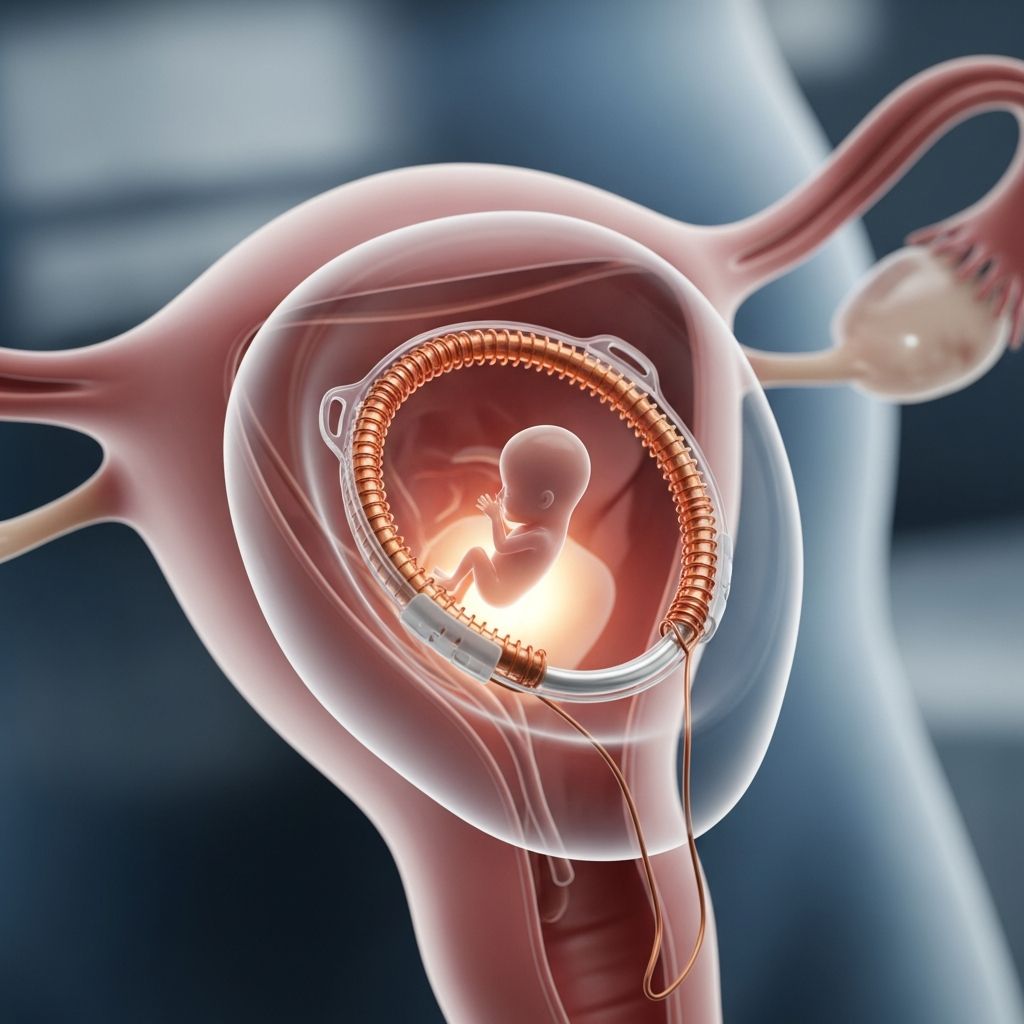
Understanding the First Trimester Journey
The first trimester represents a transformative period in a woman’s life, spanning weeks one through thirteen of pregnancy. During this critical phase, your body undergoes remarkable physiological changes as it adapts to support a developing embryo. While pregnancy is a natural process, the early weeks often present unique challenges that can feel overwhelming without proper guidance and support. Understanding what to expect and implementing practical strategies can significantly enhance your experience during this foundational period of gestation.
The importance of establishing healthy patterns during the first trimester cannot be overstated, as this period establishes the foundation for both maternal wellbeing and fetal development. Many women find that navigating the physical and emotional changes requires patience, knowledge, and a commitment to self-care practices that support optimal outcomes for both mother and baby.
Establishing Your Medical Foundation
The cornerstone of a healthy first trimester begins with securing comprehensive prenatal care. Scheduling an appointment with your healthcare provider early in your pregnancy sets the stage for appropriate monitoring and support throughout your gestational journey. During initial prenatal visits, your caregiver will establish your expected due date, review your complete medical history, and identify any potential risk factors that may require additional attention.
Selecting the right prenatal caregiver represents a crucial decision. Whether you choose an obstetrician, family medicine physician, or midwife, ensuring alignment with your personal values and birth preferences is essential. Your healthcare provider serves as your primary resource throughout pregnancy, making this relationship foundational to your comfort and confidence during this transformative time.
Early prenatal appointments also include discussion of your vaccination history, review of family medical backgrounds, and introduction to genetic screening options. If genetic conditions run in your family history, your provider can recommend appropriate testing and connect you with genetic counseling services. These conversations empower you to make informed decisions about your care and your baby’s health.
Managing Common Physical Symptoms
Addressing Nausea and Morning Sickness
Morning sickness affects a significant proportion of pregnant women during the first trimester, creating one of the most challenging symptoms many experience. Despite its misleading name, nausea can occur at any time of day and varies significantly in severity from woman to woman. Some women experience mild queasiness, while others struggle with persistent vomiting that affects their nutritional intake and daily functioning.
Practical strategies for managing nausea include maintaining consistent hydration throughout the day and consuming small, frequent meals rather than three large ones. Keeping your stomach from becoming completely empty can help reduce nausea triggers. Choosing bland, low-fat foods such as bananas, rice, applesauce, and toast provides nutrition without aggravating symptoms. Many women find that foods containing ginger offer natural symptom relief, whether consumed as fresh ginger, ginger tea, or ginger supplements.
Environmental factors also play a role in managing nausea. Identifying and avoiding specific food smells or odors that trigger your symptoms allows you to modify your surroundings accordingly. Using ventilation fans while cooking, asking family members to handle food preparation, or requesting assistance with household tasks like taking out trash can substantially reduce exposure to nausea triggers.
Combating Fatigue and Low Energy
Extreme tiredness during the first trimester stems from significant physiological changes occurring within your body. Rising levels of the hormone progesterone, increased metabolism, and the substantial metabolic demands of supporting fetal development combine to create profound fatigue that many women find surprising in its intensity.
Addressing pregnancy fatigue requires prioritizing rest and recognizing that your body’s signals for additional sleep represent legitimate physiological needs rather than laziness. Incorporating brief naps of fifteen minutes during the day, retiring to bed earlier than your usual schedule, and allowing yourself flexibility to rest when fatigued can dramatically improve your overall wellbeing. Maintaining a nutritious diet rich in iron and other essential nutrients supports energy production, while regular moderate exercise paradoxically boosts energy levels despite requiring physical exertion.
Managing Digestive Changes
Pregnancy hormones, particularly progesterone, slow the movement of food through your digestive system, creating challenges with constipation and other gastrointestinal symptoms. Additionally, the expanding uterus may exert pressure on your bowels, further contributing to sluggish digestion and infrequent bowel movements.
Preventing and relieving constipation requires increasing your intake of dietary fiber through foods such as fresh and dried fruits, raw vegetables, and whole-grain cereals and breads. Drinking abundant fluids, particularly water, helps soften stool and facilitates movement through your system. Some women find that prune juice or other fruit juices provide additional benefit. Regular physical activity supports healthy digestion, and if constipation persists despite these interventions, your healthcare provider can recommend safe stool softeners appropriate for pregnancy.
Heartburn represents another common digestive complaint during pregnancy, resulting from pregnancy hormones that relax the valve between your stomach and esophagus, allowing stomach acid to rise into the esophagus. Managing heartburn involves eating smaller, more frequent meals, sipping beverages between rather than during meals, and avoiding foods known to trigger symptoms such as fried items, citrus fruits, chocolate, and spicy preparations. Refraining from eating or drinking within several hours of bedtime can minimize nighttime symptoms.
Addressing Urinary Frequency
Increased urinary frequency during early pregnancy results from physiological changes in your body’s fluid handling. As the volume of blood circulating through your system increases, your kidneys process additional fluid that accumulates in your bladder, necessitating more frequent bathroom visits. This symptom, while sometimes inconvenient, represents a normal adaptation to pregnancy and typically requires no intervention.
Optimizing Nutrition for Two
Nutrition during pregnancy extends beyond simple caloric intake; it encompasses consuming adequate quantities of essential nutrients that support both maternal health and fetal development. While the concept of “eating for two” is often discussed, this does not mean doubling your caloric consumption but rather ensuring that every food choice provides substantial nutritional value.
Establishing a balanced diet rich in protein, folate, calcium, fiber, and healthy fats creates the nutritional foundation your pregnancy requires. Protein supports tissue growth and development, folate prevents neural tube defects and supports cell division, calcium ensures proper bone development and supports maternal bone health, and fiber maintains digestive function during a time when your digestive system naturally slows.
Small practical modifications can significantly enhance your nutritional intake without requiring radical dietary overhauls. Selecting nonfat milk over full-fat versions, choosing lean cuts of meat, incorporating fruits and vegetables into every meal, and including nuts and nut butters as protein sources all contribute to meeting nutritional needs while managing weight gain appropriately.
Weight gain during pregnancy follows healthy patterns when you maintain a balanced approach to nutrition. For women at average weight prior to pregnancy, a total weight gain of twenty-five to thirty-five pounds distributed across all nine months represents an appropriate and healthy target. This gradual gain supports fetal development while minimizing excessive weight that becomes challenging to lose postpartum.
Foods to avoid during pregnancy deserve particular attention, as certain items pose risks to fetal development or maternal health. Undercooked meats, soft cheeses, hot dogs, and smoked seafood may harbor harmful bacteria such as Listeria that can cross the placenta and affect your developing baby. Your healthcare provider can offer comprehensive guidance on food safety during pregnancy.
Prenatal Vitamins and Supplementation
Beginning prenatal vitamins before conception or immediately upon learning of your pregnancy provides essential micronutrients that support fetal development and maternal health. Prenatal vitamins contain higher levels of folic acid than standard multivitamins, along with iron, calcium, and other nutrients specifically formulated for pregnancy needs. Discussing prenatal vitamin selection with your healthcare provider ensures you choose a product that addresses your individual nutritional status and any specific deficiencies.
Physical Activity and Fitness During Early Pregnancy
Despite fatigue that often characterizes the first trimester, maintaining physical activity offers substantial benefits for both maternal and fetal health. Regular exercise improves cardiovascular health, increases energy levels, enhances mood, reduces back pain, and may contribute to shorter labor duration. Additionally, women who remain active during pregnancy often experience improved sleep quality and better management of pregnancy-related discomforts.
Safe exercise during the first trimester includes moderate-intensity activities such as walking, swimming, yoga, and appropriate weight training. A practical target involves engaging in thirty minutes of moderate exercise three to four days weekly, though individual fitness levels and medical circumstances may warrant modification of this recommendation. The key principle involves choosing low-impact activities that do not strain your changing body or create excessive impact on your joints.
Listening to your body represents essential guidance during pregnancy exercise. Avoiding overexertion, maintaining proper hydration, and stopping any activity that causes pain, dizziness, or unusual symptoms ensures that physical activity remains beneficial rather than harmful. Consulting with your healthcare provider before beginning any new exercise program during pregnancy provides personalized guidance suited to your specific circumstances.
Lifestyle Modifications for Maternal and Fetal Health
Eliminating Harmful Substances
The first trimester represents an ideal time to eliminate unhealthy habits that may compromise pregnancy outcomes. Alcohol consumption during pregnancy increases risks of miscarriage, premature delivery, and severe birth defects. Even moderate alcohol exposure during critical developmental periods can affect fetal development in ways that manifest throughout childhood and adulthood.
Smoking during pregnancy constricts blood vessels, reducing oxygen flow to your developing baby and increasing risks of miscarriage, premature birth, and developmental complications. If you currently smoke, the first trimester represents the optimal time to quit. Many communities offer smoking cessation programs designed specifically for pregnant women, providing behavioral support and, when appropriate, pharmacological assistance to support successful cessation.
Caffeine consumption warrants modification during pregnancy. While small amounts of caffeine are generally considered acceptable, excessive intake may increase miscarriage risk. Most healthcare providers recommend limiting caffeine to less than two hundred milligrams daily, roughly equivalent to one cup of coffee or two cups of tea.
Prescription and over-the-counter medications require discussion with your healthcare provider before use during pregnancy. Some medications pose risks to fetal development, while others are considered safe. Your provider can review any medications you currently take and recommend safe alternatives for managing existing health conditions or addressing pregnancy-related symptoms.
Adapting to Your Changing Body
Every woman experiences pregnancy differently, and embracing these individual variations rather than expecting a standardized experience supports psychological wellbeing throughout your first trimester. Some women maintain their usual energy and appearance until late pregnancy, while others notice substantial changes almost immediately.
Your body naturally begins developing a visible belly as your uterus enlarges, and your breasts enlarge and become tender as they prepare for nursing. Your nipples and areolas may darken, and your breasts may feel heavy and sensitive. These changes, while sometimes uncomfortable, represent normal pregnancy physiology and do not require intervention.
Beyond physical changes, you may experience mood swings resulting from hormonal fluctuations. Fatigue, unusual food cravings or aversions, frequent urination, and various other symptoms all occur as your body adapts to pregnancy. Recognizing these as normal pregnancy manifestations rather than signs of pathology helps you navigate them with greater equanimity and self-compassion.
Sleep Optimization During Early Pregnancy
Sleep patterns often change during pregnancy even before your baby arrives. Tender breasts and throbbing headaches commonly disturb sleep during the first trimester, while later pregnancy brings other sleep-disrupting symptoms such as calf cramps and difficulty finding comfortable positions.
Improving sleep quality involves establishing supportive sleep conditions and managing symptoms that interfere with rest. Warm showers before bedtime relax muscles and may promote sleep onset. Strategic pillow placement, using additional pillows to support your changing body contours, can increase comfort during sleep. With your healthcare provider’s permission, acetaminophen can address headache pain interfering with sleep.
Recognizing that sleep disruption during pregnancy represents your body’s preparation for parenthood—and that the sleep deprivation of early pregnancy offers natural conditioning for the sleep disruption of early parenthood—can help you view sleep challenges as part of your pregnancy journey rather than problematic symptoms requiring elimination.
Frequently Asked Questions
When should I schedule my first prenatal appointment?
Schedule your first prenatal appointment as soon as you confirm your pregnancy, ideally within the first eight weeks of gestation. Early prenatal care allows your healthcare provider to establish baseline health information, confirm your due date, and begin appropriate monitoring and education.
Is it safe to exercise during the first trimester?
Yes, regular moderate exercise is safe and beneficial during the first trimester for most women. Low-impact activities such as walking, swimming, and yoga offer cardiovascular benefits, mood enhancement, and symptom management. Always consult with your healthcare provider before beginning any new exercise program during pregnancy.
Can I continue working while managing severe morning sickness?
Many women successfully work while managing morning sickness through practical strategies such as frequent small meals, staying hydrated, and identifying nausea triggers. However, if nausea becomes severe enough to prevent adequate nutrition or hydration, discuss accommodations with your employer and healthcare provider.
What vitamins and supplements are essential during the first trimester?
Prenatal vitamins containing folic acid, iron, and calcium represent the primary recommended supplementation during pregnancy. Discuss any additional supplements with your healthcare provider, as some herbal products may not be safe during pregnancy.
How much weight should I expect to gain during the first trimester?
Weight gain during the first trimester typically ranges from one to five pounds, with substantial variation among individual women. Total weight gain of twenty-five to thirty-five pounds across the entire pregnancy represents a healthy target for women at average weight.
Are all pregnancy symptoms normal, or should I report concerns to my healthcare provider?
While many symptoms represent normal pregnancy physiology, report any symptoms that seem unusual or severe to your healthcare provider. Vaginal bleeding, severe abdominal pain, and unusually severe vomiting warrant immediate medical evaluation.
Can I continue taking my regular medications during pregnancy?
Some medications are safe during pregnancy while others may pose risks to fetal development. Review all medications with your healthcare provider before or immediately upon learning of your pregnancy to ensure your treatment plan remains appropriate.
References
- First Trimester Health & Nutrition — University of Utah Health. Accessed 2026. https://healthcare.utah.edu/womens-health/pregnancy-birth/1st-trimester
- 1st trimester pregnancy: What to expect — Mayo Clinic. Accessed 2026. https://www.mayoclinic.org/healthy-lifestyle/pregnancy-week-by-week/in-depth/pregnancy/art-20047208
- First Trimester To-Do’s: 7 Starting Points When Pregnant — New Mexico Physicians. Accessed 2026. https://www.nm.org/healthbeat/healthy-tips/first-trimester-to-dos
- Let’s talk motherhood. A guide to your first trimester. — GEHA (Government Employees Health Association). Accessed 2026. https://www.geha.com
- First Trimester – Sanford Health — Sanford Health. Accessed 2026. https://www.sanfordhealth.org
- First Trimester of Your Pregnancy — Kaiser Permanente. Accessed 2026. https://healthy.kaiserpermanente.org/health-wellness/maternity/first-trimester