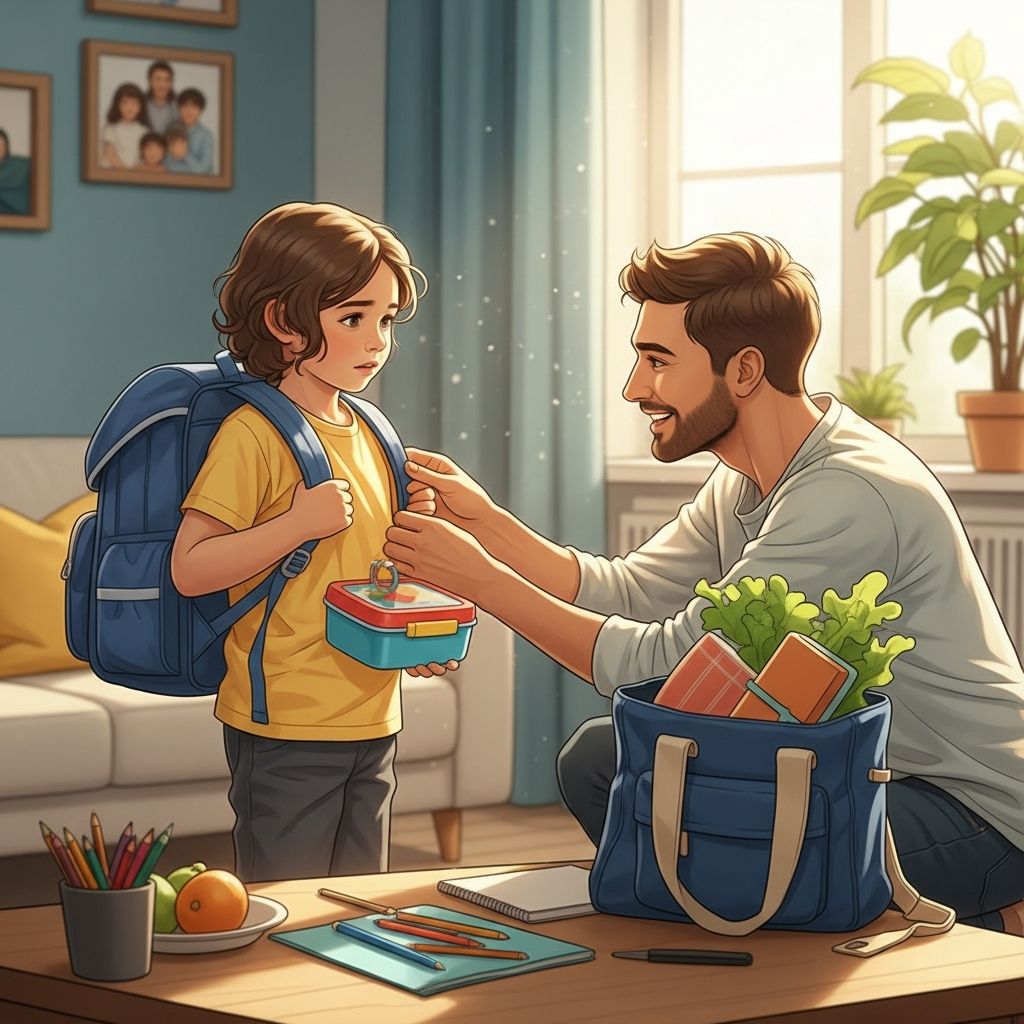
The transition to school marks a significant milestone for both children and parents. With thoughtful preparation, this day can become a foundation for a successful academic year filled with confidence and joy. This guide offers practical strategies drawn from expert recommendations to help families navigate the excitement and challenges ahead.
Building Anticipation in the Weeks Before
Start early by shifting your household rhythm to align with school demands. Begin adjusting bedtimes and wake-up times at least two weeks prior to ease the change. Discuss the daily schedule, including breakfast, departure, and return times, to set clear expectations. Visit the school campus if permitted to familiarize your child with the environment, reducing unknown factors that might spark worry.
Involve your child in shopping for supplies and clothes. This participation fosters ownership and enthusiasm. Review any summer assignments or orientation materials together. Establish family meetings to talk about feelings, answering questions openly to build reassurance.
Essential Supplies and Packing Essentials
A well-stocked backpack sets the tone for independence. Prioritize durable items suited to your child’s age and grade.
- Backpack: Choose one lightweight yet spacious, with adjustable straps and a name tag. Fun designs like animals or space themes appeal to young learners.
- Stationery Kit: Include pencils, erasers, crayons, notebooks, and glue sticks as per the school’s list. Organize in a clear pouch for easy access.
- Lunch Gear: Opt for an insulated lunchbox with compartments, paired with a spill-proof water bottle. Pack familiar, nutritious foods like fruit, sandwiches, and yogurt.
- Clothing and Extras: Select comfortable outfits, extra underwear in a ziplock, and seasonal layers. Label all items with permanent markers or tags.
- Comfort Object: For preschoolers, a small stuffed toy or family photo provides subtle security.
Pack the night before, reviewing contents with your child to practice self-reliance. Double-check school-specific requirements via their portal or welcome packet.
Health and Wellness Preparations
Ensure medical readiness to handle any immediate needs. Schedule well-child checkups, eye exams, and dental visits beforehand. Update vaccinations, including flu shots, and obtain sports physicals if applicable. Prepare medication forms for conditions like allergies, with duplicates for school storage.
Pack sunscreen, hand sanitizer, and tissues. Discuss hygiene routines like handwashing and covering coughs. For active kids, confirm gear like cleats or shin guards fits properly.
| Health Item | Purpose | Preparation Tip |
|---|---|---|
| Vaccination Records | Compliance with school policy | Print and submit digitally if required |
| Allergy Action Plan | Emergency response | Share with teacher and nurse |
| Extra Clothes | Accident readiness | Label and place in backpack pocket |
| Eye/Health Exam | Baseline screening | Schedule pre-school for updates |
Logistics and Daily Routines
Master transportation and timing details. Confirm bus routes, carpool schedules, or walking paths. Practice the morning routine: alarm, dressing, breakfast, and departure. Aim for calm by preparing outfits and bags evenings prior.
Review dismissal procedures meticulously—who picks up, where, and any codes. Set up after-school care and communicate changes promptly. Print lunch menus and preload accounts to streamline meals.
Emotional Support Strategies
Anxiety is common; address it proactively. Read books about school adventures, role-play drop-offs, and affirm capabilities like “You are brave and ready.” Avoid over-discussing fears; focus on positives such as new friends and discoveries.
Plan a special breakfast or post-school treat. Take first-day photos to commemorate. Follow up evenings with open questions: “What was fun today?” Listen without judgment to process emotions.
Practice Runs for Confidence
Simulate the full day a few times. Wake at school time, eat breakfast, pack up, and walk to the door. Time the commute to account for traffic. For bus riders, locate stops and rehearse boarding.
Discuss classroom norms: raising hands, lining up, sharing toys. Use visuals like checklists or calendars for routine visualization, aiding children who thrive on predictability.
Nutrition and Energy Boosters
Fuel the body for learning. Stock breakfast with proteins like eggs or yogurt alongside fruits. Lunch should balance carbs, veggies, and treats. Snacks like nuts or cheese sticks sustain energy without crashes.
Hydration matters—remind about water refills. Involve kids in meal prep to encourage trying new items independently.
Safety Protocols Review
Rehearse emergency drills: fire alarms, lockdowns, stranger awareness. Know contact protocols and share with caregivers. Review online safety if devices are involved, setting device policies early.
Teach personal info: full name, address, parents’ numbers. Empower with phrases like “I need help from a teacher.”
Sample First-Day Timeline
| Time | Activity |
|---|---|
| 6:30 AM | Wake, hygiene, breakfast |
| 7:15 AM | Dress, pack bag, depart |
| 8:00 AM | School arrival |
| 3:00 PM | Pickup, snack, debrief |
| 8:00 PM | Bedtime routine |
Common Challenges and Solutions
- Separation Anxiety: Short goodbyes with a ritual hug; trust the teacher’s role.
- Morning Resistance: Consistent routines and positive incentives.
- Forgotten Items: Laminated checklists and habit formation.
- Post-School Tiredness: Quiet time before homework.
Frequently Asked Questions
What if my child cries on the first day?
It’s normal. Stay calm, say goodbye firmly, and reunite happily later. Most adjust quickly.
How to handle bus nervousness?
Practice routes, identify the driver, and equip with a buddy system or phone check-in.
What about special needs?
Coordinate IEP/504 plans early with administration for seamless support.
Should I pack a full lunch or use cafeteria?
Hybrid works: familiar items ease transition while exposing to options.
How to celebrate the day?
Family dinner, sharing highlights, or ice cream builds positive associations.
Long-Term Success Foundations
Beyond day one, maintain routines, monitor adjustment weekly, and attend parent events. Track progress via journals. Partner with teachers through notes or portals. Celebrate small wins to sustain motivation.
This preparation transforms apprehension into adventure. With these steps, your child steps forward empowered.
References
- Checklist for the First Day of School — American Academy of Pediatrics HealthyChildren.org. 2023-08-15. https://www.healthychildren.org/English/ages-stages/gradeschool/school/Pages/Checklist-for-the-First-Day-of-School.aspx
- Back-to-School Checklist: Essential Steps — Children’s Mercy. 2024-07-01. https://www.childrensmercy.org/parent-ish/2024/07/back-to-school-checklist/
- Last Minute Back-to-School Checklist — Texas Children’s Hospital. 2024-08-20. https://www.texaschildrens.org/content/wellness/last-minute-back-school-checklist-all-learning-environments
- First Day of School Checklist — ATPE (Association of Texas Professional Educators). 2024-01-10. https://www.atpe.org/Resources/For-New-Teachers/First-Day-of-School-Checklist
- Start the School Year Strong With a First Day Checklist — Responsive Classroom. 2024-06-05. https://www.responsiveclassroom.org/start-the-school-year-strong-with-a-first-day-of-school-teacher-checklist/