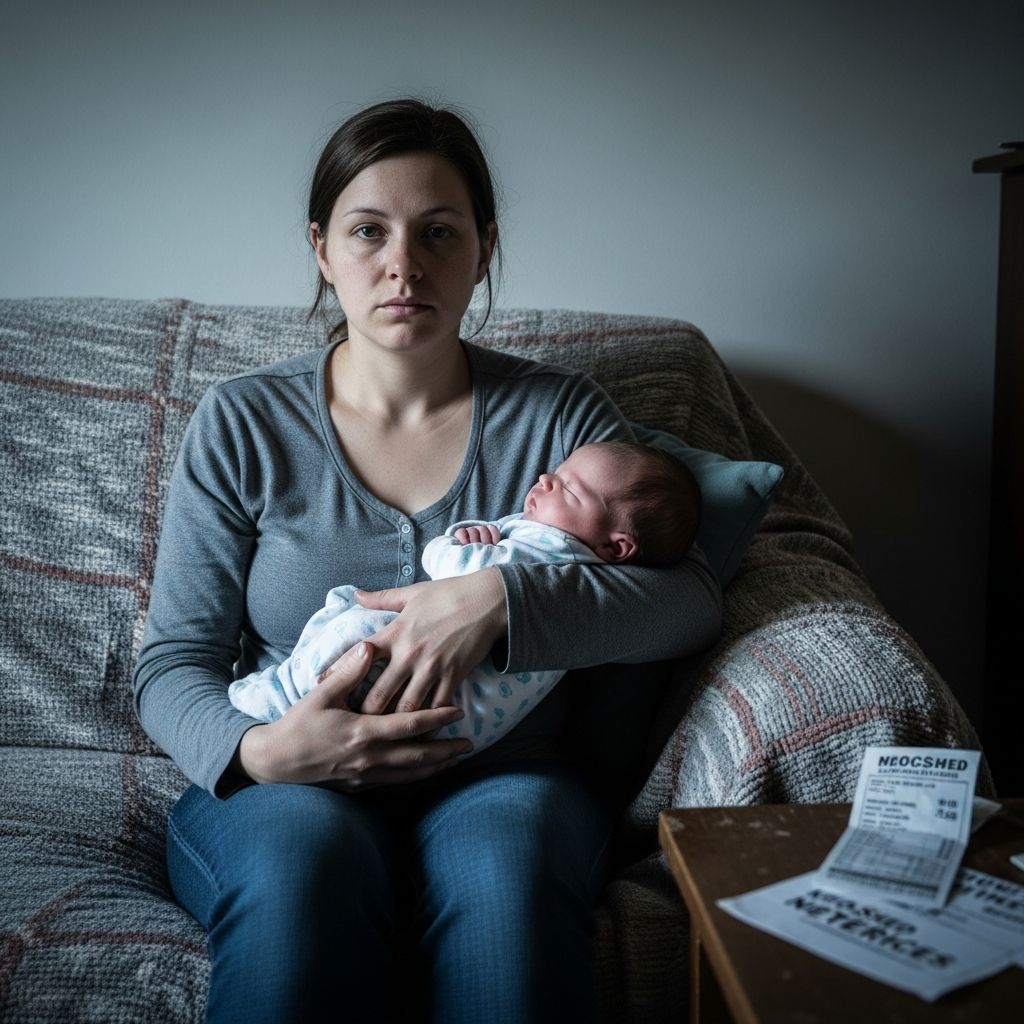
Millions of American mothers navigate pregnancy, childbirth, and early parenting amid financial strain, inadequate healthcare, and policy gaps that prioritize rhetoric over action. Despite existing federal programs, many families report insufficient support, leaving women vulnerable during their most critical life stages.
The Reality of Motherhood in Modern America
Becoming a mother in the United States presents unique challenges, including high maternal mortality rates and limited access to affordable care. Low-income families, single mothers, and those in rural areas often face the brunt, with government aid programs providing patchy relief. Programs like WIC and Medicaid exist, but eligibility hurdles, state variations, and funding shortfalls undermine their impact.
Statistics reveal a troubling picture: the US lags behind other developed nations in maternal health outcomes, with preterm births and postpartum complications disproportionately affecting marginalized communities. Advocacy groups push for better funding, yet policy remains fragmented.
Key Federal Programs: What They Offer and Their Limits
Several initiatives aim to assist pregnant women and new mothers, but coverage is far from universal. Here’s a breakdown:
- WIC (Women, Infants, and Children): Provides nutritious foods, education, and breastfeeding support for eligible low-income families. Women qualify through pregnancy and up to a year postpartum if breastfeeding. Vouchers cover items like fruits, vegetables, and infant formula, but income must be below 185% of the poverty line.
- Pregnancy Medicaid: Offers healthcare coverage during pregnancy, with many states extending it 12 months postpartum. Eligibility varies by state, often tied to income near the poverty level.
- TANF (Temporary Assistance for Needy Families): Delivers cash aid for essentials like food, housing, and utilities, plus job training. Administered by states, it targets pregnant women with no resources but imposes work requirements.
- SNAP (Supplemental Nutrition Assistance Program): Issues debit cards for groceries to low-income households, crucial for food security post-birth.
These programs help millions, yet bureaucratic barriers and incomplete coverage leave gaps. For instance, childcare subsidies cover only partial costs and require employment or training enrollment.
Healthcare Access: A Patchwork Safety Net
Maternal healthcare remains a cornerstone issue. The Maternal and Child Health Bureau (MCHB) supports public health systems for 59 million mothers and children, funding screenings and workforce training. The National Maternal Mental Health Hotline offers 24/7 support.
However, disparities persist. Medicaid covers many births, but postpartum extensions aren’t uniform, and rural access is limited. March of Dimes advocates for acts like PREEMIE to combat preterm births and maternal deaths.
| Program | Eligibility | Benefits | Limitations |
|---|---|---|---|
| WIC | Income <185% poverty; pregnant/postpartum | Food vouchers, education | State-specific; short-term |
| Medicaid | Low-income, varies by state | Pregnancy care, extensions | Not all states cover full postpartum |
| TANF | Needy families, pregnant | Cash for basics, job help | Time-limited, work rules |
| CHIP | Children in low-income families | Health coverage | State variations in scope |
Childcare and Housing: Overlooked Crises
Affordable childcare and housing exacerbate maternal stress. Federal grants fund subsidies, but families pay the difference, and spots are scarce. The Maternity Group Homes program aids homeless youth aged 16-22, a narrow demographic.
Housing assistance via HHS targets vulnerable families, yet waitlists are long. LIHEAP helps with energy costs, a small but vital relief. Workplace protections under the Pregnant Workers Fairness Act mandate accommodations like schedule changes or pumping breaks.
Financial Relief and Tax Incentives
Tax credits provide some breathing room. The Child Tax Credit offers breaks for qualifying children, with expansions aiding low-income families. Newborn supply kits and pilot deposits for children born 2025-2028 signal incremental progress.
Still, these fall short compared to comprehensive paid family leave in peer nations. Economic crises amplify needs, as seen in past relief efforts.
Workplace Realities for New Mothers
Returning to work post-birth is daunting without robust protections. The US lacks a national paid leave policy, forcing many into unpaid time off. Protections against pregnancy discrimination exist, but enforcement varies.
Employers must provide reasonable accommodations, from lighter duties to telework, yet small businesses often struggle. Pumping breaks are mandated, but facilities aren’t always adequate.
Calls for Comprehensive Reform
Experts urge expansion of postpartum Medicaid, universal paid leave, and increased childcare funding. Advocacy highlights how current systems perpetuate inequality, with Black and Indigenous mothers facing highest risks.
MCHB’s hotline and March of Dimes’ efforts underscore community needs, but legislative action lags. Families deserve policies matching motherhood’s demands.
Frequently Asked Questions
What qualifies me for WIC?
Low-income pregnant women, new moms, and kids under 5 meeting nutritional risk criteria. Apply locally; auto-eligible if on Medicaid.
How long does Medicaid cover postpartum care?
Many states extend 12 months; check your state’s agency via HHS.gov.
Is there paid family leave in the US?
No national program; some states offer it. Federal protections are unpaid.
Can TANF help with housing?
Yes, for essentials including rent and utilities, if eligible.
What housing aid exists for pregnant youth?
MGH program for ages 16-22 who are homeless.
Steps to Access Support
- Check eligibility for WIC, Medicaid via state agencies.
- Apply for SNAP/TANF through local welfare offices.
- Explore childcare subsidies at 800-424-2246.
- Contact MCHB hotline: 1-833-852-6262 for mental health.
- Visit InsureKidsNow.gov for CHIP.
Navigating these requires persistence, but they can stabilize families.
References
- Financial Help for Pregnant Women — American Pregnancy Association. 2023. https://americanpregnancy.org/options-for-unplanned-pregnancy/financial-help-for-pregnant-women/
- Government Programs and Benefits for Your Family — U.S. Department of Health and Human Services (HHS.gov). 2025. https://www.hhs.gov/healthcare/maternal-health/newborn-supply-kit/support-for-family/index.html
- March of Dimes: Help us improve the health of all moms and babies — March of Dimes. 2026. https://www.marchofdimes.org
- Financial Assistance for Families — ChildCare.gov. 2024. https://childcare.gov/consumer-education/other-support-and-resources/financial-assistance-for-families
- WIC: USDA’s Special Supplemental Nutrition Program — USDA Food and Nutrition Service. 2025. https://www.fns.usda.gov/wic
- Assistance for American Families and Workers — U.S. Department of the Treasury. 2023. https://home.treasury.gov/policy-issues/coronavirus/assistance-for-American-families-and-workers
- Maternal and Child Health Bureau — Health Resources and Services Administration (HRSA). 2026. https://mchb.hrsa.gov
- Welfare benefits or Temporary Assistance for Needy Families (TANF) — USA.gov. 2025. https://www.usa.gov/welfare-benefits