Filipino Family Values: The Foundation of Culture and Society
The Filipino family represents far more than a simple household unit; it serves as the cornerstone of Filipino society and culture. These familial bonds are built upon deeply rooted values that have been passed down through generations, shaping the character, beliefs, and behaviors of individuals within Philippine society. Understanding Filipino family values provides insight into the cultural practices, traditions, and social dynamics that define the Filipino experience and continue to influence millions of families both within the Philippines and throughout the diaspora around the world.
The Concept of Family in Filipino Culture
In the Philippines, the definition of family extends well beyond the nuclear unit of parents and children. The Filipino concept of family, often referred to as “kapamilya,” encompasses a broad network of relatives including grandparents, aunts, uncles, cousins, and even honorary family members such as godparents known as “ninongs” and “ninangs.” This expansive view of family creates a strong interconnected web of relationships where each member plays a significant role in the lives of others.
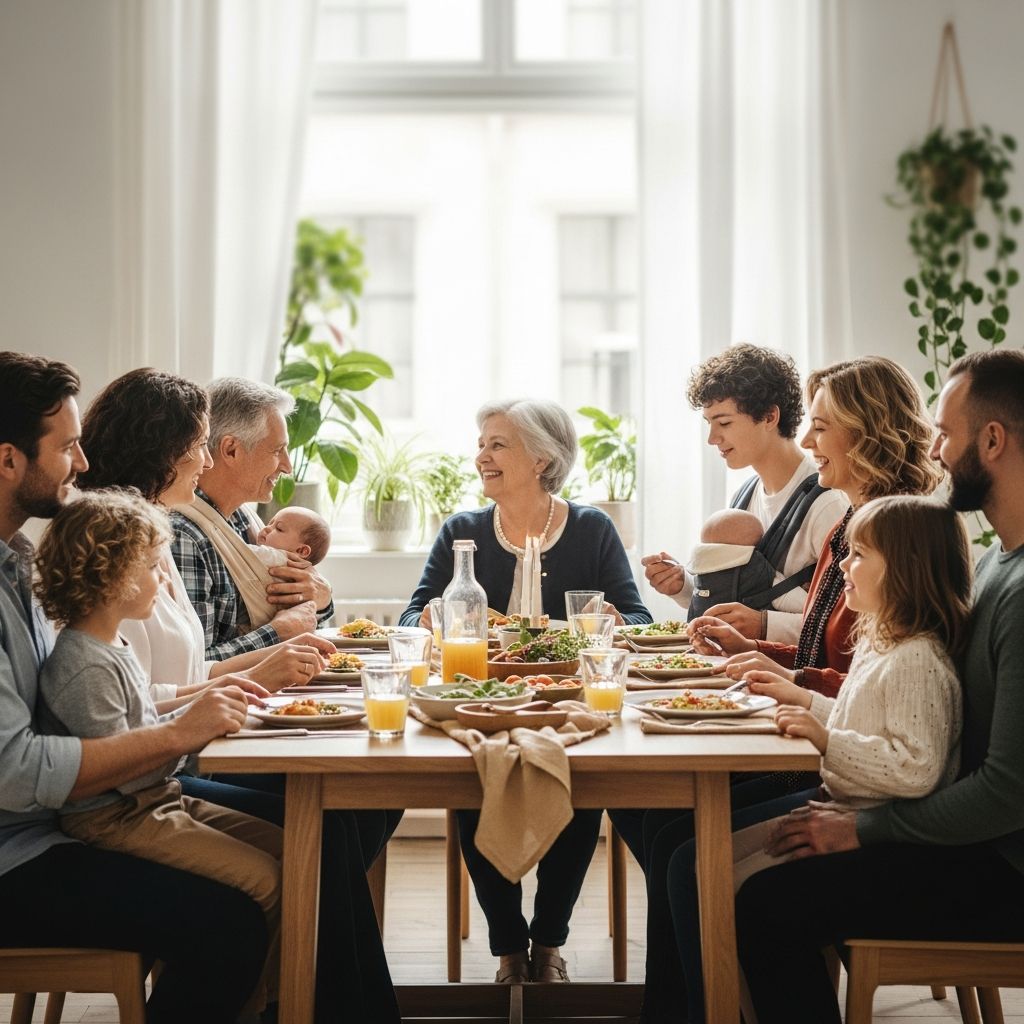
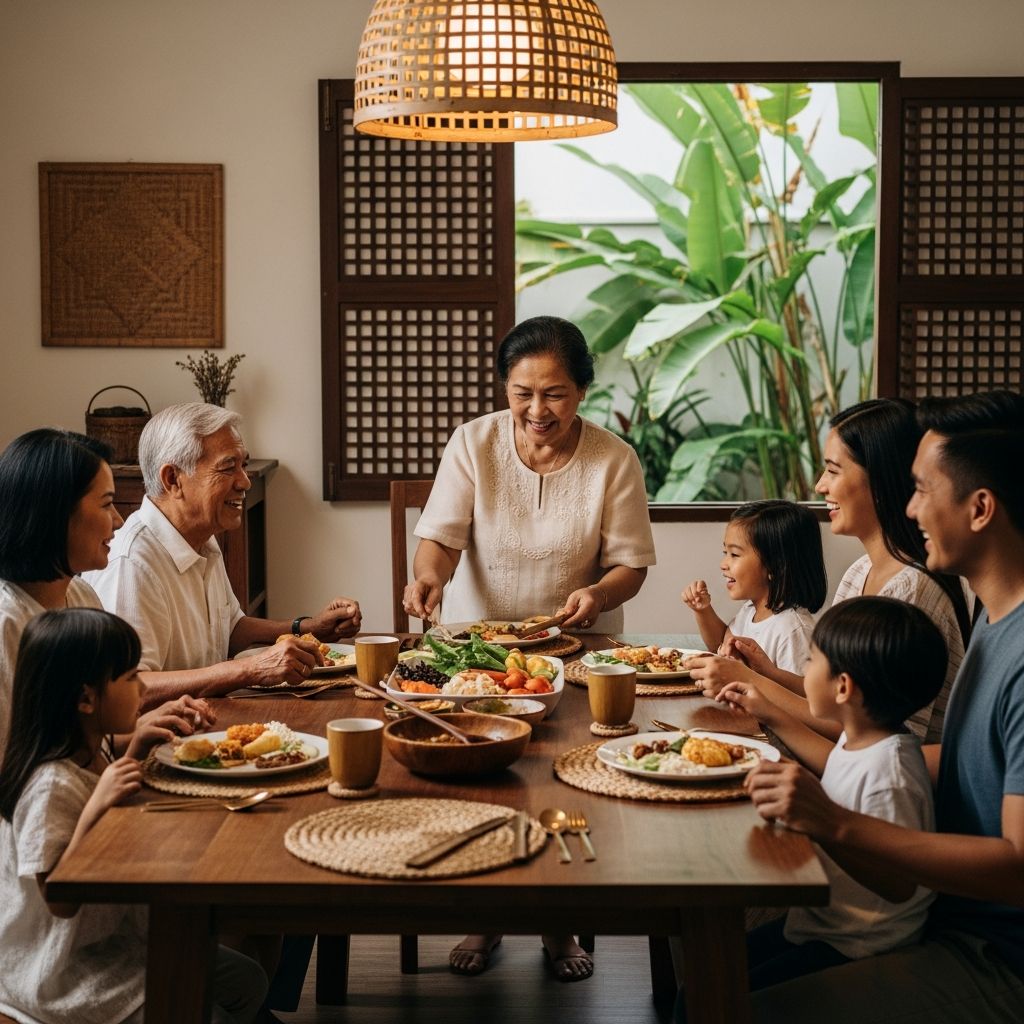
The extended family structure is not merely a social arrangement but reflects the deeply ingrained Filipino values of unity, interdependence, and collective responsibility. In Filipino households, it is common to find multiple generations living under one roof, with grandparents, parents, and children coexisting in shared spaces. This multigenerational living arrangement fosters a sense of communal living where responsibilities, joys, and resources are shared among all family members, strengthening bonds and ensuring that no individual faces life’s challenges alone.
Respect for Elders and Filial Piety
One of the most distinctive and cherished Filipino family values is the profound respect shown to parents, grandparents, and elders. This value, known as filial piety, is deeply ingrained in Filipino culture from the earliest stages of childhood. Children are taught from a young age to honor, obey, and defer to their parents and older relatives without question, fostering a strong sense of duty and responsibility toward family members throughout their lives.
This respect is demonstrated through specific customs and traditions, most notably the practice of “Pagmamano.” In this ritual, younger individuals gently grasp the hand of an elder or authority figure and bring it to their forehead while saying “Mano po,” a respectful greeting that acknowledges the elder’s wisdom and social standing. This gesture symbolizes the transfer of blessings and recognition of the elder’s position within the family hierarchy. The practice of filial piety creates a hierarchical structure within Filipino families that promotes order, harmony, and mutual respect across generations.
Core Filipino Family Values
Filipino families are guided by several fundamental values that have been preserved and transmitted across generations. These core values shape individual identity, influence decision-making processes, and provide a strong sense of belonging rooted in cultural heritage.
Loyalty and Solidarity
Loyalty to family represents one of the strongest values in Filipino culture. The Filipino saying “blood is always thicker than water” reflects this unwavering commitment to family members. Filipinos demonstrate exceptional loyalty to their relatives, standing by them through both prosperous times and challenging circumstances. This loyalty extends beyond emotional support to include practical and financial assistance when family members face difficulties or hardships.
Bayanihan and Communal Spirit
Bayanihan, which translates to “communal unity” or “working together,” represents the Filipino spirit of collective effort and mutual assistance. This value emphasizes the importance of community cooperation, where neighbors and family members come together to help those in need. Traditionally, bayanihan was demonstrated when community members would help a family move their home from one location to another, with everyone contributing their labor and strength without expecting monetary compensation. This practice symbolizes the Filipino values of generosity, unity, and social responsibility.
Utang Na Loob and Pakkisama
Two additional key Filipino values that influence family dynamics are “Utang na loob” and “Pakkisama.” Utang na loob refers to a debt of gratitude or a sense of obligation toward those who have helped or supported an individual, creating a reciprocal relationship based on gratitude and indebtedness. Pakkisama reflects the Filipino need for social harmony and the desire to avoid conflict, which is why many Filipinos prioritize maintaining peaceful relationships with family members and respecting the authority of elders.
Extended Family Structure and Support Systems
The extended family plays a crucial role in Filipino society, serving as the primary support system for individuals throughout their lives. Unlike many Western cultures where nuclear family units are the norm, Filipino families maintain strong connections with aunts, uncles, cousins, and grandparents, creating a vast network of emotional, financial, and practical support.
Godparents and honorary family members are considered part of a child’s immediate family and hold important roles in the child’s upbringing and moral development. Similarly, uncles and aunts, known as “titos” and “titas,” are treated as second parents, with children showing them the same respect and deference they show their biological parents. This broader family structure ensures that children benefit from the guidance, wisdom, and love of multiple adult figures throughout their development.
In times of financial difficulty, health crises, or other emergencies, the extended family serves as an essential safety net. Family members contribute resources, provide care, and offer emotional support, with the understanding that assistance given will be reciprocated when other family members face their own challenges. This reciprocal system of support strengthens family bonds and reinforces the Filipino value of collective responsibility.
Family Celebrations and Traditions
Family gatherings and celebrations hold special significance in Filipino culture, serving as occasions to strengthen bonds, transmit cultural values, and create lasting memories. Filipinos celebrate numerous occasions throughout the year that bring families together, including birthdays, weddings, baptisms, religious festivities, fiestas, family reunions, and holidays such as Christmas and Holy Week.
These celebrations are typically marked by feasting, music, laughter, and the sharing of stories that connect family members across generations. The preparation for these events often exemplifies the bayanihan spirit, with multiple family members contributing their time, effort, and resources to ensure the success of the celebration. These gatherings serve not only as social occasions but also as opportunities to pass down family history, cultural traditions, and important values to younger generations.
Preserving Heritage Through Storytelling
One of the most important methods by which Filipino families transmit their values and cultural identity is through storytelling. Elders share narratives about their ancestors, family history, and cultural traditions with younger generations, imparting wisdom and knowledge that connects individuals to their heritage. These oral traditions preserve family history and ensure the continuity of Filipino cultural identity across generations.
Through storytelling, children learn about their family’s journey, the sacrifices made by previous generations, and the values that have guided their family through both triumphs and adversities. This practice strengthens the emotional connection between family members and provides younger generations with a sense of belonging and identity rooted in their cultural heritage.
Balancing Tradition with Modern Life
While traditional Filipino family values remain deeply important, contemporary Filipino families navigate the challenge of balancing these time-honored values with the demands and opportunities of modern life. Globalization, migration, technological advancement, and changing societal norms have introduced new influences that shape family dynamics and require adaptation.
Modern Filipino families recognize the importance of maintaining their cultural identity while embracing progress and new ideas that align with changing times. This balance does not require abandoning traditional values but rather finding ways to preserve cultural heritage while adapting to contemporary circumstances. Many Filipino families successfully integrate modern lifestyles with traditional values, maintaining strong family bonds while allowing members to pursue education, career opportunities, and personal development.
The Filipino diaspora has further influenced how traditional values are maintained and transmitted. Filipino families living abroad often work intentionally to preserve their cultural traditions, teaching children their native language, celebrating Filipino holidays, and sharing cultural practices despite living in foreign countries. This demonstrates the enduring strength of Filipino family values and the commitment of families to maintain their cultural identity regardless of geographic distance.
Challenges and Evolving Dynamics
Contemporary Filipino families face several challenges to maintaining traditional values while adapting to modern circumstances. Urbanization, economic pressures, educational opportunities in distant locations, and international migration have altered the traditional multigenerational household structure. Some families experience geographical separation, with members working or studying in different cities or countries, requiring them to maintain family bonds through modern communication technologies.
Additionally, younger generations exposed to diverse cultural influences through education and media may question or reinterpret traditional values. However, rather than abandoning Filipino family values, many families are finding creative ways to honor tradition while adapting to contemporary realities. The resilience and flexibility of Filipino families allow them to maintain strong bonds and cultural identity despite these evolving circumstances.
Frequently Asked Questions About Filipino Family Values
Q: What makes Filipino family values unique?
Filipino family values are distinguished by their emphasis on extended family networks, profound respect for elders, strong loyalty and solidarity among family members, and the spirit of bayanihan or communal unity. The Filipino concept of family extends beyond the nuclear unit to encompass grandparents, aunts, uncles, cousins, and honorary family members, creating a comprehensive support system.
Q: How do Filipinos show respect to elders?
Filipinos demonstrate respect to elders through the practice of “Pagmamano,” where younger individuals grasp an elder’s hand and bring it to their forehead while saying “Mano po.” Additionally, children are taught from childhood to obey and honor their parents and older relatives, addressing them with respectful titles and deferring to their wisdom and authority.
Q: What is bayanihan and why is it important?
Bayanihan represents the Filipino spirit of communal unity and collective effort, where community members come together to help those in need without expecting payment. This value emphasizes the importance of social responsibility, mutual assistance, and the belief that communities are stronger when members work together for the common good.
Q: How do Filipino families transmit their values to younger generations?
Filipino families transmit values through multiple methods including direct teaching by parents and elders, storytelling and oral traditions, participation in family celebrations and traditions, observation of family rituals and customs, and the practice of filial piety. These methods ensure that cultural identity and family values are preserved across generations.
Q: How are Filipino family values changing in modern times?
While core values remain important, Filipino families are adapting traditional values to fit modern circumstances. This includes finding new ways to maintain family bonds despite geographical distance through technology, integrating modern educational and career opportunities with family responsibilities, and allowing younger generations to reinterpret traditions while maintaining cultural identity.
Q: What role do godparents play in Filipino family structure?
Godparents, known as “ninongs” and “ninangs,” are considered part of a child’s immediate family and hold important roles in the child’s upbringing, spiritual development, and moral guidance. They are treated as honorary family members and share in family responsibilities and celebrations.
References
- Family Ties: The Heartbeat of Filipino Culture — Nipino.com. Accessed December 04, 2025. https://www.nipino.com/family-ties-the-heartbeat-of-filipino-culture
- Transferring Values to Your Family: Evolving Filipino Dynamics — GMB.ph. Accessed December 04, 2025. https://gmb.ph/transferring-values-to-your-family-evolving-filipino-dynamics/
- 12 Typical Filipino Customs and Traditions That Will Captivate Your Heart — QQEng.net. Accessed December 04, 2025. https://qqeng.net/filipino-customs-and-traditions/
- Being Filipino: Exploring Traditions and Family History — MyHeritage Blog. August 2025. https://blog.myheritage.com/2025/08/being-filipino-exploring-traditions-and-family-history/
- Philippines – Language, Culture, Customs And Etiquette — Commisceo Global. Accessed December 04, 2025. https://commisceo-global.com/country-guides/philippines-guide/