Fifth grade is a bridge year between childhood and the tween years, and it can feel both exciting and overwhelming for kids and parents. Your child may still enjoy many of the same games and routines from earlier grades, yet also start showing clear signs of growing up, from changing friendships to early physical changes and new school responsibilities.
This article offers an original, parent-friendly overview of what typically happens in fifth grade and how to support your child’s health and well-being. It covers physical growth, emotional and social changes, school expectations, digital life, and practical ways to keep your child healthy in body and mind.
Fifth Grade at a Glance
Most children in fifth grade are around 10–11 years old, though ages can vary depending on school cutoffs and grade repetition or acceleration. At this stage, kids are developing more independence in schoolwork, friendships, and daily routines, but they still need strong guidance and clear limits from adults.
- Many fifth graders want more say in what they wear, what they do after school, and which activities they join.
- Teachers often expect them to manage longer-term projects, take notes, and keep track of homework with less prompting.
- Social relationships become more important, and peer opinions may start to matter more than they did a year or two ago.
Understanding these shifts can help you stay a step ahead and support your child rather than only reacting when problems arise.
Physical Growth and Early Puberty
Fifth grade is a common time for the early stages of puberty to begin, especially for girls, though every child’s timeline is different. Some kids may still look and feel like younger children, while others experience growth spurts, body hair, skin changes, and new body odors.
Typical Body Changes
Changes may appear slowly or suddenly, and kids often compare themselves to classmates who are changing earlier or later. Emphasize that bodies grow at different paces and that early or late development is usually normal.
- Rapid height and weight changes, sometimes leading to clumsiness or awkwardness.
- Body odor, especially under the arms and in the groin area, making daily bathing and deodorant use more important.
- Growth of body hair (underarms, legs, and around genitals).
- For girls, breast development and the possibility of starting menstruation in the later elementary or early middle school years.
- For boys, testicular growth, deeper or cracking voice over time, and increased muscle mass.
Kids may feel self-conscious about these changes, so it helps when parents talk calmly, use accurate terms for body parts, and avoid teasing about appearance or growth.
Encouraging Good Hygiene
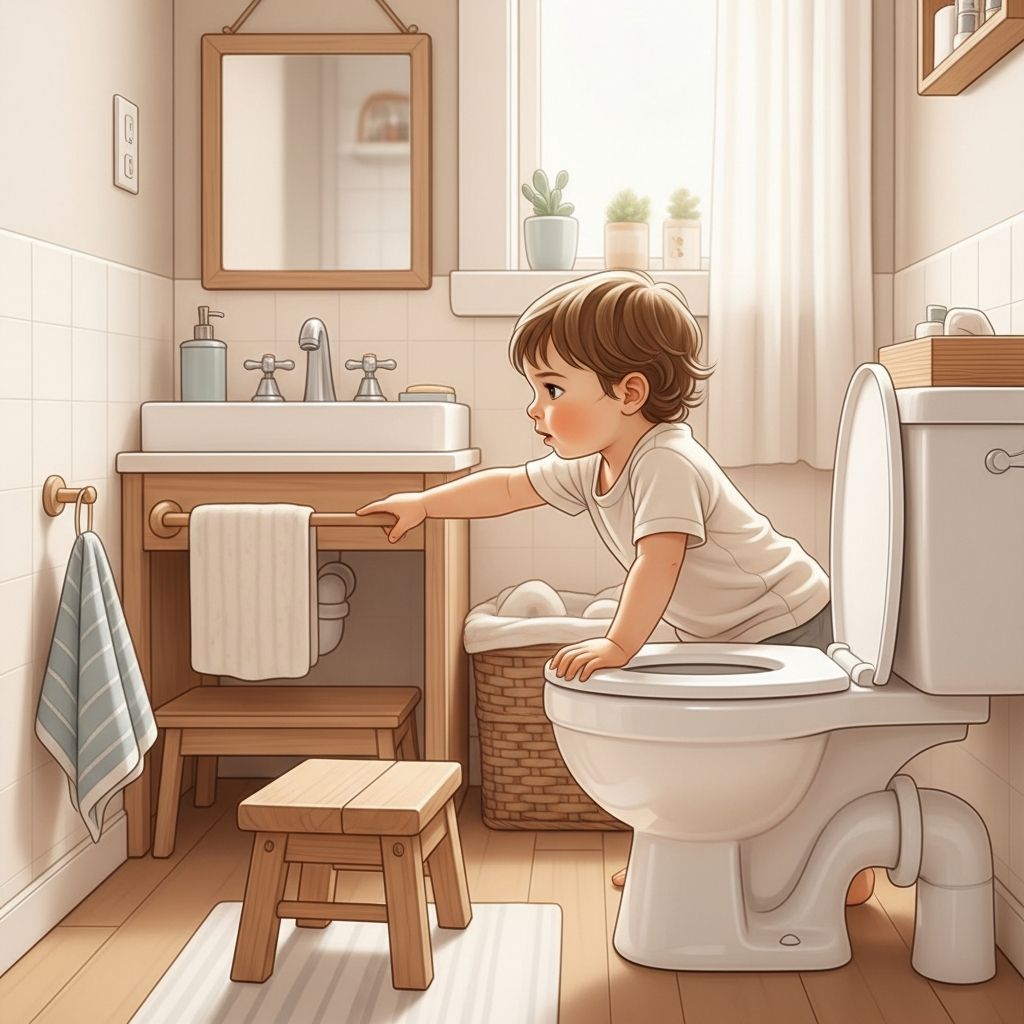
As bodies change, hygiene routines need an upgrade. A child who could skip a bath here and there now may need daily showers, clean clothes, and a consistent teeth-brushing routine to stay fresh and healthy.
- Help your child create a daily checklist: shower or bath, deodorant, teeth brushing, hair care, and changing underwear and socks.
- Talk about washing the face gently to help manage oiliness and potential breakouts later on.
- Explain that taking care of body odor and cleanliness is not just about appearance; it is also about respecting themselves and those around them.
| Time of Day | Healthy Habit |
|---|---|
| Morning | Brush teeth, wash face, use deodorant, put on clean clothes. |
| After school / After sports | Shower or wash body, especially underarms and feet; change out of sweaty clothes. |
| Night | Brush teeth again, wash face, prepare clothes and supplies for the next day. |
Nutrition, Sleep, and Activity Needs
Healthy habits in fifth grade build a strong foundation for the tween and teen years. Kids’ bodies and brains are growing quickly, and their schedules can become busy with school, homework, and activities, which makes intentional routines essential.
Fueling a Growing Body
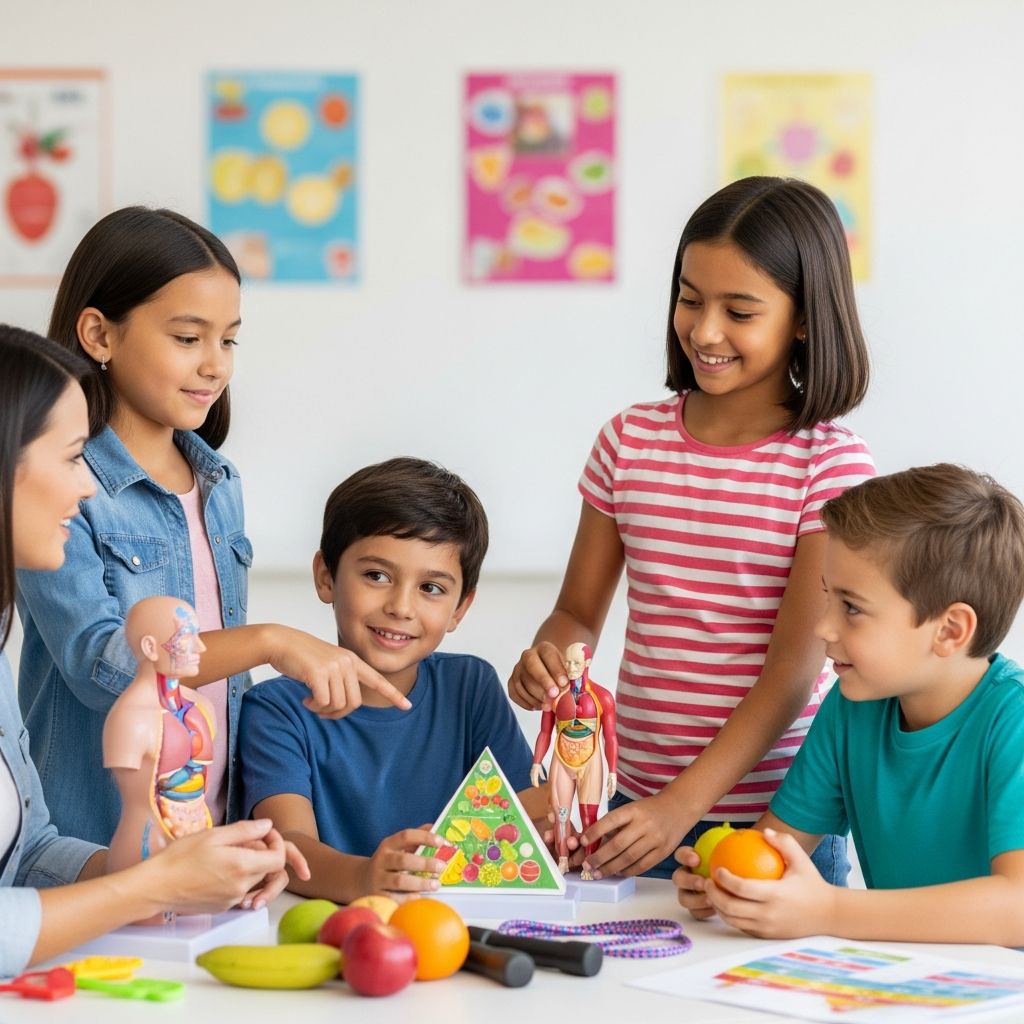
Balanced meals and snacks help kids stay focused at school and support overall growth and energy. While exact calorie needs vary, most fifth graders benefit from regular meals with a mix of carbohydrates, protein, healthy fats, and plenty of fruits and vegetables.
- Offer whole grains (like brown rice, whole wheat bread, or oats) instead of mostly refined grains.
- Include lean proteins such as beans, eggs, poultry, fish, tofu, or nuts in meals and snacks.
- Encourage water as the main drink; save sugary drinks for special occasions.
- Keep healthy snacks ready to grab: cut fruit, yogurt, carrot sticks with hummus, or cheese and whole grain crackers.
Sleep and Movement
Most fifth graders function best with roughly 9–12 hours of sleep per night, though the ideal amount varies by child. Consistent bedtimes and wake times, even on weekends, can make mornings and school days much smoother.
- Create a calming pre-bed routine that avoids screens for at least 30–60 minutes before sleep.
- Encourage at least an hour of active play or exercise most days, whether through sports, playground time, biking, or family walks.
- Limit long periods of sitting by building in movement breaks between homework tasks.
Emotional Changes and Growing Independence
Emotionally, fifth grade often brings more intense feelings, mood swings, and a stronger desire to make independent choices. Your child may oscillate between wanting to be treated like a teenager one moment and like a younger child the next.
Common Emotional Themes
Emotions can be influenced by physical changes, social dynamics, and rising academic demands. Kids may also become more aware of world events and family stress, which can contribute to anxiety or worry.
- More sensitivity to criticism or embarrassment, especially in front of peers.
- Increased concern about fairness, rules, and whether adults are being consistent.
- Occasional mood swings or irritability, sometimes tied to fatigue or hunger.
Empathy and perspective-taking also grow at this age. Kids may show more understanding of others’ feelings, though they still need coaching in managing their own reactions.
Building Emotional Skills
Parents can help children learn to label and express feelings in healthy ways. Instead of rushing to fix every problem, guide your child toward problem-solving and coping skills.
- Normalize feelings: “It makes sense you feel disappointed; let’s talk about it.”
- Teach simple coping tools like deep breathing, counting slowly, taking a short walk, or writing in a journal.
- Model calm behavior when you are stressed; kids learn far more from what adults do than what they say.
Friendships, Peer Pressure, and Social Life
Peer relationships become central in fifth grade. Friend groups may shift, cliques can form, and kids may become more aware of popularity and social status. This can be both positive and challenging.
Friendship Dynamics
Some children maintain a few close friends, while others move between groups or struggle to find their place. Disagreements and hurt feelings are normal, and learning to navigate them is an important life skill.
- Teach your child the difference between normal conflict, unkind behavior, and bullying.
- Encourage inclusive behavior: inviting peers to join games, using kind language, and noticing kids who may be left out.
- Remind your child that friendships can change over time and that it is okay to grow apart respectfully.
Handling Peer Pressure
Peer pressure in fifth grade may focus on clothing, language, social media use, or small rule-breaking (like slight cheating or excluding others), but it lays the groundwork for how kids will respond to more serious pressures later.
- Practice scripts: “No thanks, that’s not my thing,” or “I don’t want to get in trouble; let’s do something else.”
- Let your child know you are always available to listen without overreacting if they tell you about social problems.
- Highlight examples of positive peer influence, such as friends who help each other make healthy or kind choices.
Schoolwork, Organization, and Responsibility
Academically, fifth grade often sets the stage for middle school expectations. Kids may be juggling multiple subjects, more complex reading and writing, and projects that last over several weeks. Teachers typically expect more independence and self-management.
What School May Expect
While every school is different, many fifth grade classrooms emphasize planning and organization skills. Children practice following multi-step directions, taking notes, and using planners or digital tools to track assignments.
- More frequent quizzes and tests, sometimes with more detailed study guides.
- Longer reading assignments and multi-paragraph writing tasks.
- Group projects that require cooperation and sharing responsibilities.
As expectations rise, some kids thrive while others struggle with time management or feel overwhelmed. Gently stepping in as a coach, rather than doing work for them, helps build confidence and competence.
Helping Your Child Stay Organized
Good organization can reduce school stress and improve performance. Rather than assuming kids will magically “figure it out,” show them concrete systems.
- Use a single folder or binder with clearly labeled sections for each subject.
- Set a regular homework time and a quiet, well-lit spot away from distractions.
- Teach your child to break large tasks into smaller steps and to estimate how long each step will take.
| Day | Plan Example |
|---|---|
| Monday | Review planner, do math worksheet, read 20 minutes. |
| Tuesday | Finish science questions, start outline for writing assignment. |
| Wednesday | Work on project research, study vocabulary words. |
| Thursday | Complete project draft, review math for quiz. |
| Friday | Light review, organize backpack, plan for next week. |
Digital Life, Online Safety, and Media
By fifth grade, many kids are using devices for school and play, whether or not they have their own phones or tablets. This raises questions about screen time, online safety, and appropriate content.
Setting Healthy Tech Boundaries
Technology can support learning and connection, but it can also interfere with sleep, physical activity, and mood when overused. Clear, consistent rules make conflict less likely.
- Keep devices out of bedrooms overnight to protect sleep.
- Set daily screen time limits for entertainment and stick to them.
- Use parental controls as a support tool, but also explain the reasons behind rules.
Teaching Online Safety
Even if your child only uses school platforms or kid-focused apps, it is not too early to teach basic digital safety skills. Online behavior can have real-world consequences, and kids need guidance to navigate it responsibly.
- Explain never to share full name, address, school name, or passwords with strangers.
- Teach your child to come to you or another trusted adult if they see something that feels scary, confusing, or inappropriate.
- Discuss kindness online: no mean comments, no sharing photos without permission, and no joining in when others are being targeted.
Safety, Risk Awareness, and Decision-Making
Fifth graders are old enough to understand more about risks and consequences but still young enough to need close supervision and frequent reminders. Safety conversations should evolve from simple “don’t do this” rules to teaching kids how to think through situations.
Everyday Safety Topics
Parents can use daily activities as opportunities to talk about staying safe and making wise choices. Aim to sound calm and matter-of-fact, not frightening.
- Review safe walking, biking, and bus behavior, including wearing helmets and using crosswalks.
- Talk about what to do if approached by someone they do not know, whether in person or online.
- Discuss the basics of body boundaries: that their body belongs to them, and they can say no to unwanted touch.
Introducing Substance and Risk Education
Even if your child is years away from facing serious substance-related choices, fifth grade can be a reasonable time to introduce age-appropriate information about alcohol, nicotine, and other substances. Keep explanations simple and focused on health and safety.
- Explain that some substances are medicines when used correctly by a doctor, but dangerous when misused.
- Emphasize that kids’ bodies and brains are still growing and can be harmed more easily than adults’.
- Practice responses to offers or situations that make them uncomfortable: leaving the area, finding an adult, and saying a clear no.
When to Reach Out for Extra Help
While wide variation is normal in fifth grade, there are times when it is wise to check in with a pediatrician, school counselor, or mental health professional. Trust your instincts if something feels significantly different or worrisome.
- Physical concerns: very early or very late signs of puberty, sudden weight loss or gain, persistent pain, or constant fatigue.
- Emotional concerns: ongoing sadness, withdrawal from friends and activities, frequent outbursts, or talk of self-harm.
- School and behavior concerns: noticeable drop in grades, refusal to go to school, or repeated reports of aggression or bullying.
Seeking support is a sign of care, not failure. Early help often makes challenges easier to manage and can prevent problems from growing more serious over time.
Frequently Asked Questions About Fifth Graders
Is it normal for my fifth grader to still act like a little kid sometimes?
Yes. Many children this age move back and forth between wanting independence and wanting comfort and reassurance. It is common for a child to enjoy more grown-up interests at school but still love toys, stuffed animals, or family rituals at home. Meeting them where they are emotionally, without shaming them, helps them gradually grow into more mature behaviors.
What if my child has not started puberty while classmates have?
Puberty starts at very different ages for different children, and being earlier or later than classmates is usually normal. If you have concerns about growth or development, a pediatrician can compare your child’s growth pattern to expected ranges and rule out medical issues. Focus your comments on reassuring your child that bodies grow on their own timetable rather than comparing them to others.
How much should I help with homework in fifth grade?
Think of your role as a coach rather than a co-student. You can help your child set up routines, stay organized, and understand directions, but they should do the actual thinking and writing. If the work seems consistently too hard or too easy, or if homework leads to nightly battles, reach out to the teacher to discuss adjustments or strategies.
What are signs my child might be struggling socially?
Warning signs can include frequent complaints about having no friends, repeated conflicts with peers, stomachaches or headaches before school, or sudden refusal to join activities they used to enjoy. Gently ask open-ended questions about their day and listen without jumping to conclusions. If concerns continue, you can talk with the teacher or school counselor, who may have additional insight into classroom and playground dynamics.
How can I talk to my fifth grader about puberty without making it awkward?
Short, everyday conversations tend to work better than one big, serious talk. Use teachable moments, like seeing a commercial for hygiene products or noticing a growth spurt, to offer simple, factual information. Let your child know that questions are always welcome, and if you do not know an answer, it is fine to say you will look it up and talk again later.
Helping Your Fifth Grader Thrive
Fifth grade is a season of rapid change, but with patient guidance, open communication, and consistent routines, most children navigate it successfully. Stay curious about your child’s world, invite their opinions, and continue to set kind but firm boundaries. By combining structure with warmth, you help your child develop the skills and confidence needed for the tween years and beyond.