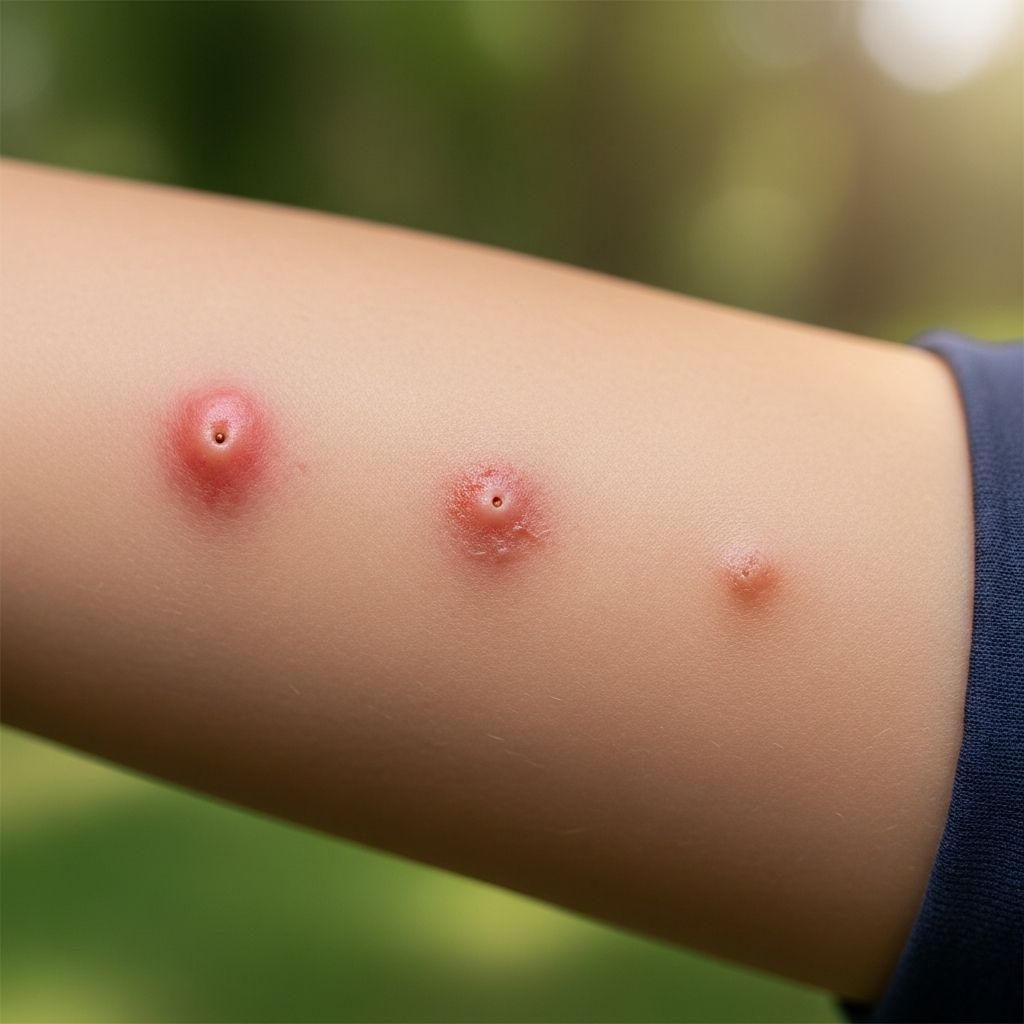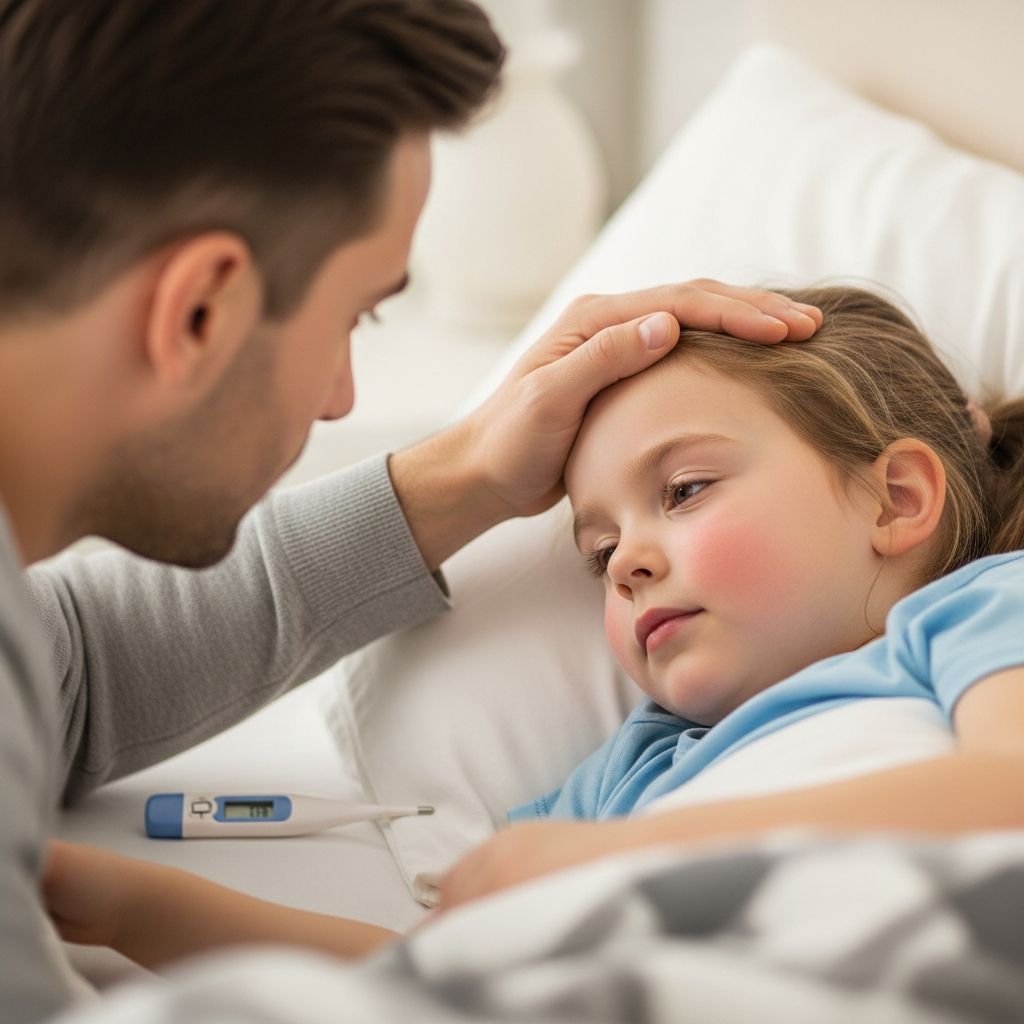
Fevers are one of the most frequent reasons parents bring their children to the doctor. Far from being a threat, a fever is typically the body’s natural defense mechanism against infections, helping to create an environment less favorable for germs to thrive. This article explores everything parents need to know about fevers in kids, from what triggers them to how to respond effectively at home and recognize when professional care is essential.
What Exactly Is a Fever?
A fever occurs when a child’s body temperature rises above the normal range, usually due to the brain’s hypothalamus adjusting the internal thermostat upward in response to illness. Normal body temperature averages around 98.6°F (37°C), but it can fluctuate slightly throughout the day, being lower in the morning and higher in the evening. For children, a rectal temperature of 100.4°F (38°C) or higher in infants under 3 months, or 102°F (38.9°C) in older babies, often defines a fever.
Fevers make children feel warm to the touch, flushed, or sweaty, and they may experience chills, aches, or fatigue as the body ramps up its fight against invaders. Importantly, the height of the fever doesn’t always correlate with the severity of the illness—some serious infections cause low-grade fevers, while mild viruses can spike high.
Common Triggers Behind Childhood Fevers
Most fevers in children stem from infections, with viruses responsible for the vast majority—about 10 times more common than bacterial causes. Everyday culprits include:
- Respiratory viruses: Colds, flu, and similar illnesses top the list, often accompanied by coughs, runny noses, or sore throats.
- Gastrointestinal bugs: Viruses causing vomiting or diarrhea frequently lead to fever.
- Ear or sinus infections: These can follow colds, presenting as recurrent fevers after initial improvement.
- Urinary tract infections: Common in young girls, these may cause fever without obvious urinary symptoms.
- Bacterial infections: Less common but notable examples include strep throat, pneumonia, or kidney infections, which might require antibiotics.
Non-infectious causes are rarer but include overheating from excessive clothing or hot environments, recent vaccinations, or inflammatory conditions like autoimmune disorders. Teething does not cause true fevers, despite old myths—any mild warmth from teething is not a fever.
How to Measure Your Child’s Temperature Accurately
Reliable temperature taking is crucial for deciding next steps. Different methods yield slightly varying readings, so consistency matters. Here’s a comparison:
| Method | Best For | Fever Threshold | Tips |
|---|---|---|---|
| Rectal | Infants under 3 months | 100.4°F (38°C) | Most accurate; use lubricant, insert ½ inch. |
| Axillary (underarm) | Quick check in older kids | 99°F (37.2°C) | Add 1°F for true temp; keep arm tucked 5 min. |
| Oral | Kids 4+ years | 100°F (37.8°C) | No eating/drinking 20 min prior. |
| Ear (tympanic) | 6 months+ | 100.4°F (38°C) | Gentle pull on ear; clean probe. |
| Forehead/temporal | All ages | 100.4°F (38°C) | Swipe scanner; clean forehead first. |
Digital thermometers are safest and most precise—avoid glass mercury ones. Always note the method when tracking fever patterns.
Why Fevers Happen: The Body’s Smart Defense
When germs invade, the immune system releases chemicals called pyrogens that signal the brain to raise body temperature. This heat slows germ reproduction and boosts white blood cell activity. Children, with developing immune systems, encounter more infections through play and exploration, building long-term resistance. Accompanying symptoms like faster breathing, elevated heart rate, and muscle tension are normal as the body works harder.
Dehydration risk increases because fever accelerates fluid loss through sweat and rapid breathing. Watch for fewer wet diapers (every 6-8 hours in infants) or dry mouth as key signs.
Practical Steps for Fever Comfort at Home
You don’t always need medicine—a fever under 102°F (38.9°C) that’s not distressing the child can be left alone, as it aids recovery. Focus on comfort:
- Hydration first: Offer frequent sips of cold water, electrolyte solutions, or breastmilk/formula for infants. Hydration alone can drop fever by aiding heat loss via skin.
- Light clothing: Dress in one layer of lightweight pajamas; avoid bundling unless chills strike, then add a light blanket.
- Cool environment: Keep room comfortably cool (68-72°F); use a lukewarm sponge bath if tolerated, but never cold water or alcohol rubs.
- Rest promotion: Encourage quiet play or sleep; most kids lose appetite temporarily, so prioritize fluids over forcing food.
For fevers over 102°F (38.9°C) or significant discomfort, use age-appropriate doses of acetaminophen (Tylenol) for kids over 3 months or ibuprofen (Advil/Motrin) over 6 months. These lower fever by 2-3°F but don’t cure the cause—effects peak in 1-2 hours. Never give aspirin due to Reye’s syndrome risk.
Age-Specific Guidelines for Managing Fevers
Treatment thresholds vary by age:
- 0-3 months: Any rectal fever ≥100.4°F (38°C) needs immediate doctor evaluation—risk of serious bacterial infection is higher.
- 3-6 months: Rectal ≥102°F (38.9°C) or lower with extreme fussiness requires prompt care.
- 6-24 months: Fever ≥102°F (38.9°C) over 24 hours, or any with concerning symptoms.
- Over 2 years: Treat discomfort; call if >3 days or >104°F (40°C).
Warning Signs: When to Contact a Doctor
Most fevers resolve in 3 days, but seek help for:
- Inconsolable crying or extreme lethargy.
- Stiff neck, severe headache, or seizure.
- Rash, breathing difficulty, or dehydration signs (no urine 8+ hours).
- Fever after hot car exposure or in immunocompromised kids.
- Recurrent fevers or lasting >1 week, possibly indicating chronic issues.
Bacterial signs like high fever returning after improvement or localized pain (e.g., ear tug) may need antibiotics.
Frequently Asked Questions About Fevers in Kids
Does a high fever mean a serious illness?
Not necessarily—virus fevers can soar to 104°F (40°C), while some bacterial ones stay low. Focus on symptoms and duration.
Should I wake my child for fever medicine?
No, unless advised by a doctor. Let them sleep if comfortable; comfort is the goal.
Can I alternate Tylenol and Motrin?
Only under doctor guidance to avoid dosing errors. Use one at correct weight-based intervals.
Is it okay to use fever reducers every time?
No—low fevers help immunity. Use only for discomfort.
What if my baby has fever but seems fine?
Still evaluate infants under 3 months urgently, even if playful.
Preventing Fevers and Building Resilience
While unavoidable, hygiene like handwashing, avoiding sick contacts, and vaccinations reduce infection risks. A balanced diet and sleep strengthen immunity. Track fevers in a log: time, temp, method, symptoms—for doctor discussions.
Empower yourself with knowledge—fevers are usually harmless allies in healing. By monitoring closely and acting on red flags, you ensure your child’s safety.
References
- Fever (1 and Older) — Children’s Hospital Colorado. Accessed 2026. https://www.childrenscolorado.org/conditions-and-advice/conditions-and-symptoms/symptoms/fever/
- Fever (Age 0-5) — Children’s Mercy. Accessed 2026. https://www.childrensmercy.org/siteassets/media-documents-for-depts-section/documents-for-health-and-safety/fever-age-0-5.pdf
- Fever in Healthy Children — Children’s Hospital of Philadelphia. Accessed 2026. https://www.chop.edu/conditions-diseases/fever-children
- Fever – Symptoms & causes — Mayo Clinic. 2023-10-01. https://www.mayoclinic.org/diseases-conditions/fever/symptoms-causes/syc-20352759
- Fever – Safety and Wellness — Seattle Children’s Hospital. Accessed 2026. https://www.seattlechildrens.org/health-safety/illness/fever/
- Fever — Nationwide Children’s Hospital. Accessed 2026. https://www.nationwidechildrens.org/conditions/fever