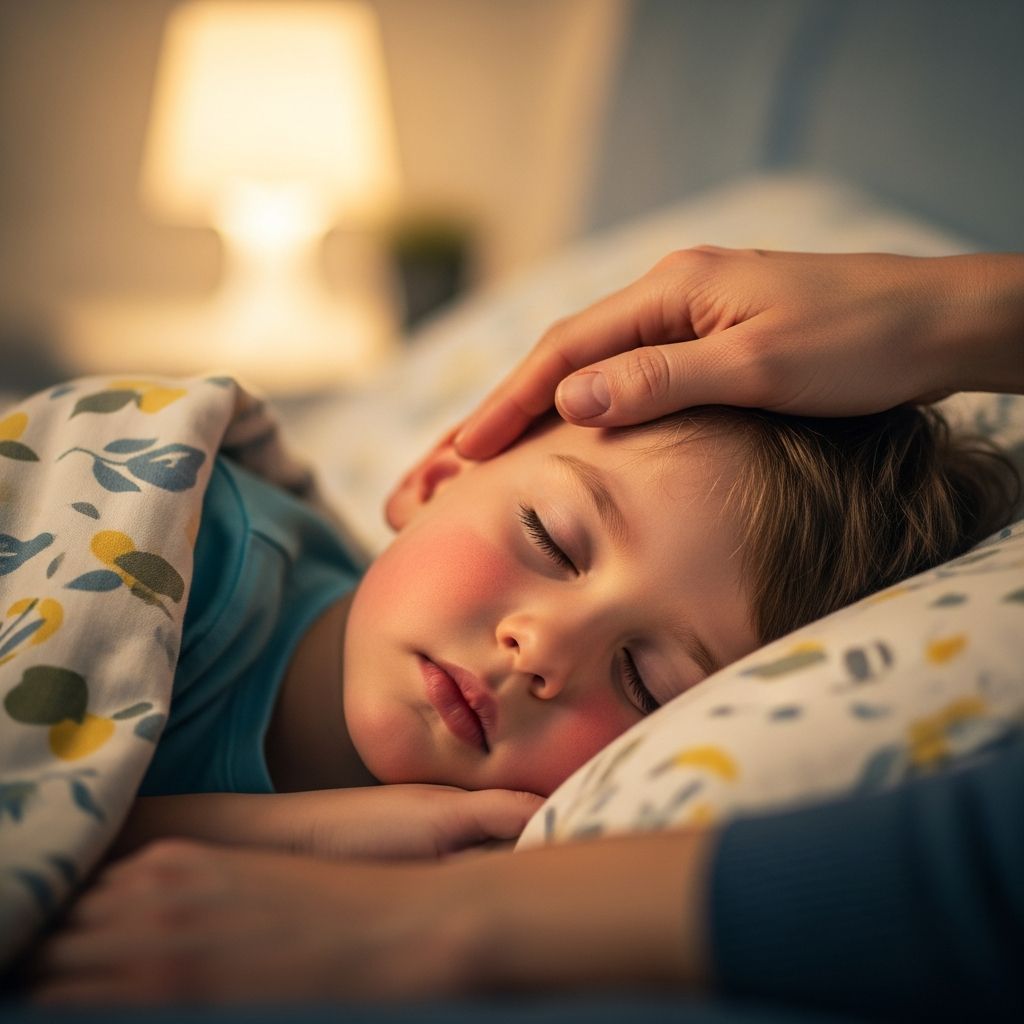
Fevers in children are a common occurrence that often signals the body’s natural defense against infections, but they can alarm parents. Understanding fevers helps parents respond confidently with appropriate care.
Defining a Fever: Thresholds and Measurements
A fever is generally defined as a body temperature of 100.4°F (38°C) or higher, regardless of age. This threshold indicates the immune system is actively combating invaders like viruses or bacteria. For infants under 3 months, even this level warrants immediate medical evaluation due to their vulnerability.
Accurate measurement is crucial; touching a child’s forehead provides only a rough estimate and is unreliable. Opt for digital thermometers: rectal for newborns and infants up to 3 months for precision, oral for children over 4 years, or axillary (underarm) or temporal (forehead) for quick checks in older kids, though these are less exact. Avoid ear thermometers in young children as ear canals may not be fully developed.
| Age Group | Recommended Method | Notes |
|---|---|---|
| Newborns to 3 months | Rectal | Most accurate; clean tip with alcohol |
| 3 months to 4 years | Rectal or axillary | Oral not safe due to biting risk |
| 4 years and older | Oral or temporal | Ensure child keeps mouth closed for 1 minute |
Common Triggers Behind Childhood Fevers
Most fevers stem from viral infections such as colds, flu, or respiratory syncytial virus (RSV), which resolve without specific treatment. Bacterial causes like strep throat or ear infections may require antibiotics. Other triggers include vaccinations, teething in babies, or simply overdressing leading to overheating. Rarely, fevers signal more serious issues, but the height of the fever doesn’t always correlate with severity—a child with a high fever from a mild virus may fare better than one with a low fever from a grave infection.
- Viral infections: Colds, flu—self-limiting, focus on comfort
- Bacterial infections: Strep, urinary tract—may need doctor-prescribed meds
- Non-infectious: Teething, overheating, post-vaccination
Assessing Your Child: Beyond the Thermometer
Observe behavior over the number: a playful, hydrated child with a 102°F fever is often less concerning than a lethargic one at 101°F. Key symptoms include fussiness, chills, flushed skin, rapid breathing, or headache. Hydration status matters—check for wet diapers, moist mouth, and alert eyes.
Fevers aid immunity by creating an inhospitable environment for pathogens, so mild ones (under 101°F) in well-appearing kids may not need immediate reduction. However, higher temperatures increase febrile seizure risk in young children.
Safe Home Care Strategies for Comfort
Focus on comfort, not chasing a normal temperature. Dress in lightweight clothing and use a single layer of blankets. Maintain a comfortable room temperature around 70-74°F. Encourage fluids: breast milk, formula, water, or electrolyte solutions like Pedialyte for toddlers to prevent dehydration.
Fever reducers like acetaminophen or ibuprofen can ease discomfort if the child seems distressed. Follow age- and weight-based dosing; never give aspirin due to Reye’s syndrome risk. Alternate if needed, but consult a doctor first. Lukewarm sponge baths help, but avoid cold water or alcohol rubs, which cause shivering and raise core temperature. Rest is essential—create a calm environment.
- Measure temperature accurately.
- Offer fluids frequently.
- Administer meds only if uncomfortable.
- Monitor every 4 hours.
Red Flags: When to Contact a Doctor Immediately
Act swiftly on these signs:
- Infant <3 months with 100.4°F+
- Fever 102°F+ in 3-36 months
- Fever lasting >3 days or >2 days in young infants
- Difficulty breathing, persistent vomiting, or dehydration
- Seizures, stiff neck, non-blanching rash, or extreme lethargy
- Child with chronic conditions like cancer or sickle cell
For school-age kids, fevers over 101°F persisting beyond 48 hours merit a call. If unreachable, head to ER.
Understanding Febrile Seizures: Rare but Scary
About 2-5% of children experience febrile seizures—brief convulsions from rapid temperature rise, not the height itself. They typically last under 5 minutes and don’t cause brain damage. Protect by clearing space, timing the event, and seeking ER care for first occurrences or prolonged episodes. Control fevers proactively in prone kids.
Prevention Tactics to Minimize Fever Episodes
Fevers aren’t fully preventable, but hygiene curbs spread: frequent handwashing with soap for 20 seconds, especially before meals and after bathroom use. Follow vaccination schedules to prevent diseases like measles or flu. Avoid close contact with sick individuals, teach cough etiquette, and ensure good ventilation. Annual check-ups catch vulnerabilities early.
Frequently Asked Questions (FAQs)
Is a high fever always dangerous?
No, the child’s overall condition matters more than the number. Mildly ill kids with higher fevers often recover quickly.
Can I send my child to school with a fever?
No, keep them home if 100.4°F+ even on meds, until fever-free for 24 hours without medication.
What if my baby under 3 months has a slight fever?
Seek medical evaluation immediately—use rectal thermometer and call pediatrician or go to ER.
Should I wake my child to give fever medicine?
Only if instructed by a doctor or if very uncomfortable; otherwise, let them rest.
Does teething cause high fevers?
Teething may cause low-grade rises, but fevers over 100.4°F suggest another cause.
Long-Term Monitoring and Pediatric Support
Track patterns with a fever log: date, time, temperature, meds, symptoms, and urine output. Share with your doctor. Recurrent fevers may indicate immune issues or hidden infections needing tests. Build a relationship with your pediatrician for tailored advice. Nutrition supports immunity—offer balanced meals when appetite returns.
For chronic conditions, fever thresholds may differ; always have an action plan. Telehealth options aid quick consults outside office hours.
References
- Fevers in children – what parents need to know — GoHealth Urgent Care. Accessed 2026. https://www.gohealthuc.com/library/fevers-in-children-what-parents-need-to-know
- What You Need to Know About Fevers in Kids — Children’s Healthcare of Atlanta. Accessed 2026. https://www.choa.org/parent-resources/everyday-illnesses/what-to-know-about-fevers-in-kids
- Childhood Fevers Demystified: What Parents Really Need to Know — Stanford Children’s Health. Accessed 2026. https://healthier.stanfordchildrens.org/en/childhood-fevers-demystified-what-parents-really-need-to-know/
- What to Do When Your Child Has a Fever: A Parent’s Guide — Community Pediatrics. Accessed 2026. https://www.cbwchc.org/news/what-to-do-when-your-child-has-a-fever-a-parents-guide
- What Every Parent Should Know About Fevers in Kids — Tylenol (Johnson & Johnson). Accessed 2026. https://www.tylenol.com/children-infants/what-every-parent-should-know-about-safe-fever-care
- Fever (High Temperature) in Children — Nemours KidsHealth. Accessed 2026. https://kidshealth.org/en/parents/fever.html