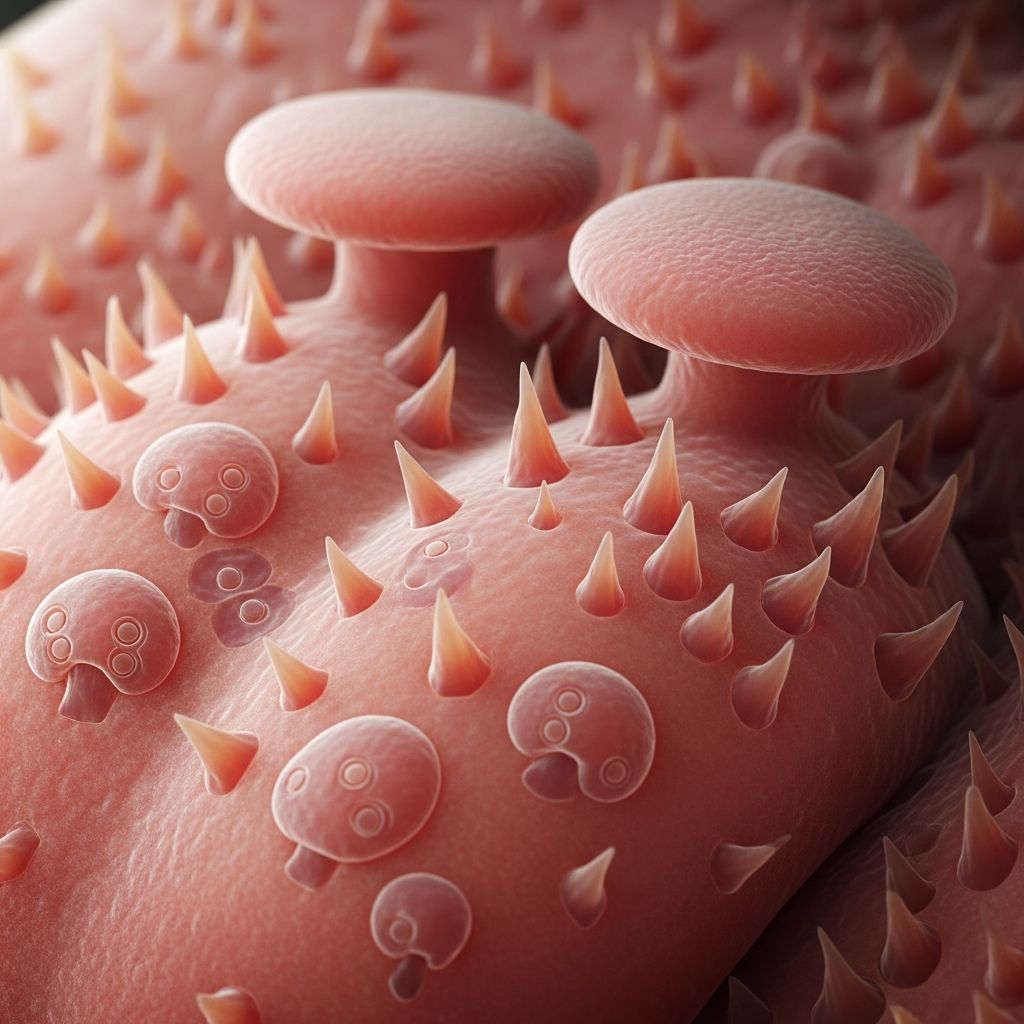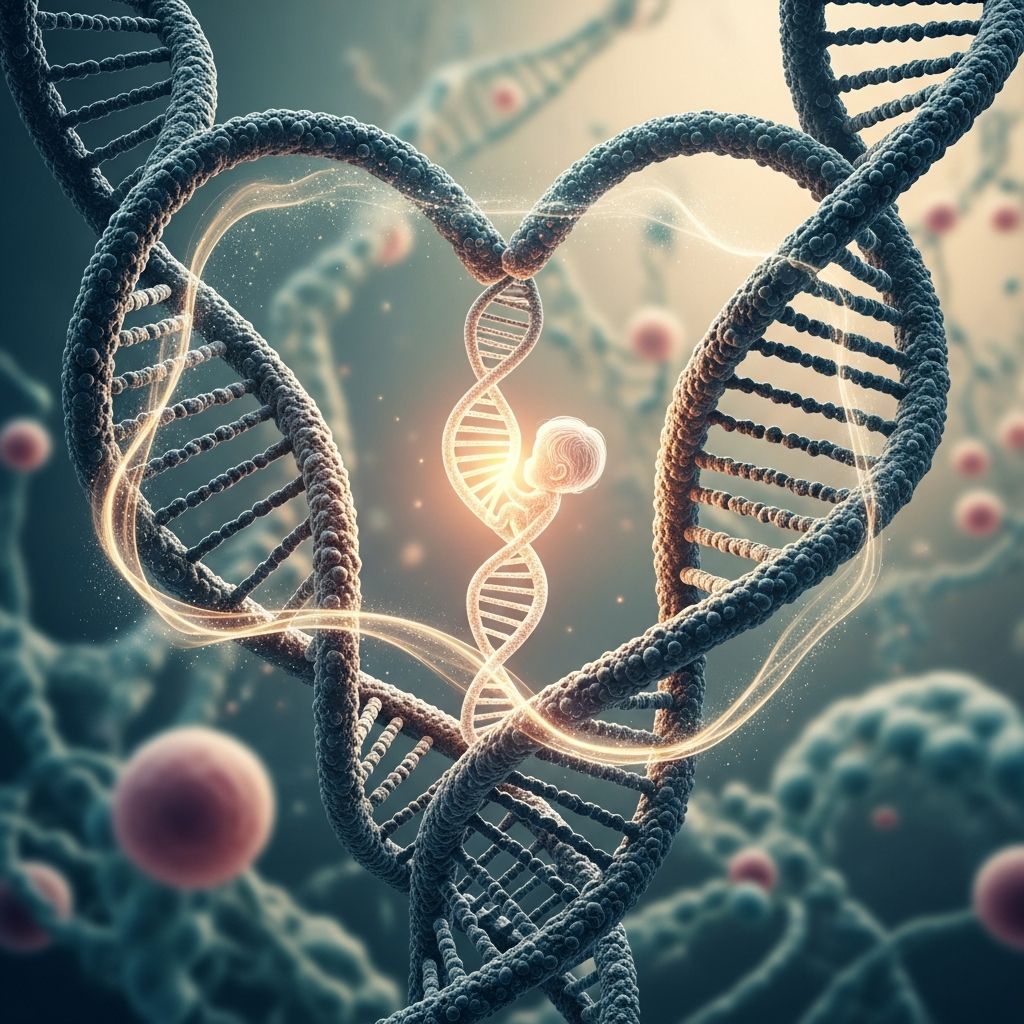
Many mothers say their children will always be a part of them. Modern science suggests that this is not just a sentimental idea but a biological reality. During pregnancy, a small number of fetal cells can cross into a mother’s body and stay there for years, even for the rest of her life. This intriguing phenomenon is known as fetal microchimerism and may help explain why the mother–child connection feels so uniquely deep and enduring.
What Is Fetal Microchimerism?
The term microchimerism describes a situation where a tiny population of cells in a person’s body comes from another genetically distinct individual. In the case of pregnancy, fetal microchimerism occurs when cells from the baby cross the placenta and take up residence in the mother’s tissues and organs. These cells carry the child’s DNA and can persist long after birth, forming a subtle but real cellular connection between mother and child.
Unlike organ transplants or blood transfusions, microchimerism typically involves very small numbers of cells. However, even at low levels, these cells can migrate, divide, and sometimes participate in tissue repair or immune responses. This makes fetal microchimerism an exciting area of research in immunology, obstetrics, and even psychology, as scientists explore how it might influence a mother’s health and emotional life.
- “Micro” refers to the tiny number of foreign cells.
- “Chimera” comes from mythology, describing one being with parts from different creatures, similar to how these mothers carry cells with two genetic identities.
- The phenomenon is considered common among women who have been pregnant, even if the pregnancy did not go to term.
How Baby Cells Enter a Mother’s Body
During pregnancy, the placenta forms the critical interface between mother and baby. It allows nutrients and oxygen to pass to the fetus while removing waste products, all without mixing full blood supplies. Despite this barrier, small numbers of fetal cells can cross into the maternal bloodstream and travel throughout the mother’s body. These cells may include stem-like cells capable of turning into different tissue types.
Once in the mother’s circulation, fetal cells can lodge in a variety of organs. Over time, some of them die off, but others survive and may integrate into local tissue. Research has identified fetal-origin cells in the maternal heart, lungs, thyroid, liver, kidneys, skin, and even the brain. This broad distribution suggests that pregnancy leaves a lasting biological signature across many systems in the mother’s body.
- Transfer usually begins in early to mid-pregnancy as the placenta and fetal circulation mature.
- Fetal cells can persist for decades, meaning a mother can carry traces of pregnancies from many years earlier.
- These cells may belong to different lineages, including immune cells, connective tissue cells, and progenitor or stem-like cells.
Where in the Body Can Children’s Cells Be Found?
Scientists have used genetic markers to trace fetal-origin cells in women who have been pregnant. In mothers who have carried male babies, for example, cells containing Y chromosomes can be detected in tissues that normally would only carry X chromosomes. Similar methods can also be used even when the fetus is not male, by looking for DNA patterns that do not match the mother’s own genome.
These fetal-origin cells have been identified in surprising locations. Their presence suggests that pregnancy can subtly reshape a woman’s body at the cellular level, leaving behind a mosaic of maternal and fetal cells that coexist long after birth.
Common Maternal Sites for Fetal Cells
- Blood and bone marrow — circulating cells and stem-like cells that may renew over time.
- Thyroid and other endocrine tissues — possibly affecting hormone-related functions.
- Heart and blood vessels — sometimes located near sites of damage or inflammation.
- Liver, kidneys, lungs — organs heavily involved in filtering and immunity.
- Skin and connective tissue — integrated within existing structural cells.
- Brain and nervous system — where some fetal cells seem to adopt neuron-like roles in animal studies.
Overview Table: Fetal Cells in Mom
| Maternal Tissue | Type of Fetal Cells Observed | Potential Role (Hypothesized) |
|---|---|---|
| Blood / Bone marrow | Immune cells, stem-like progenitors | Immune modulation, long-term cell reservoir |
| Heart | Cells resembling cardiac or vascular cells | Tissue repair after injury, vascular support |
| Thyroid | Cells with fetal DNA integrated into tissue | Possible contribution to endocrine function or autoimmunity |
| Liver / Kidneys | Various structural and immune-related cells | Participation in repair processes and local immune responses |
| Brain | Neuron-like and glial-like cells (mainly animal data) | Unknown; may integrate into neural circuits or immune surveillance |
How Long Do Children’s Cells Stay in Mom?
One of the most striking aspects of fetal microchimerism is its persistence. Studies have detected fetal-origin cells in women decades after they were pregnant, indicating that these cells are not just temporary visitors. Instead, they can become long-term residents that divide slowly or remain in a quasi-stem-cell state, contributing to ongoing renewal in specific tissues.
Because these cells carry the child’s genetic signature, a mother who has been pregnant may literally contain pieces of her children within her for most of her life. This appears to be true for both full-term and some nonviable pregnancies, showing that even brief gestations can leave a cellular imprint. While not every woman will have detectable levels in every tissue, the phenomenon is considered widespread among those who have experienced pregnancy.
- Fetal-origin cells have been found many years after a pregnancy, suggesting long-term survival.
- Mothers with multiple children may carry cells from more than one pregnancy at the same time.
- Some fetal cells likely behave like stem cells, replenishing their own small population over time.
Can Moms Carry DNA from More Than One Child?
Microchimerism is not restricted to a single pregnancy. A woman who has carried more than one child can carry cells from each pregnancy, potentially creating a mosaic of cells derived from several children. This means that one mother’s body might hold tiny cellular fragments from multiple offspring, all coexisting alongside her own cells.
There is also evidence that pregnancies that end in miscarriage or termination can still result in fetal-cell transfer. In those cases, the duration of pregnancy may influence how many cells cross over and how likely they are to persist. Nevertheless, even short pregnancies appear to be capable of leaving long-lasting traces, which can be a powerful concept for parents who have experienced loss.
- Mothers of multiple children may host genetically distinct fetal-cell populations from each child.
- Some transferred cells may come from pregnancies that ended early, not only from full-term births.
- Over time, the balance and number of these cells can change as they divide or die off.
Possible Health Benefits of Fetal Microchimerism
Researchers are actively exploring whether fetal-origin cells are helpful, harmful, or simply neutral for the mother. One hopeful theory is that these cells may aid in tissue repair and regeneration. Because some of them resemble stem cells, they might home in on sites of injury or inflammation and help rebuild damaged tissue, similar to how repair cells work in other contexts.
Animal studies have suggested that fetal cells can migrate to injured areas, such as the heart, and adopt roles that support healing. Observational data in humans also hint that in some conditions, women with higher levels of fetal microchimerism may show different disease patterns compared to those with lower levels, although this field is still developing. At this stage, microchimerism appears to be a double-edged sword, with potential benefits and risks that depend on context.
- Fetal cells may participate in repairing tissues like heart, liver, and skin after injury.
- Some fetal-origin cells may modulate the mother’s immune response, promoting tolerance during pregnancy and possibly beyond.
- Microchimeric cells could contribute to improved resilience in certain conditions, though firm conclusions are still pending.
Potential Health Risks and Autoimmune Links
Not all effects of fetal microchimerism appear to be beneficial. Because the fetal cells are genetically distinct from the mother’s own, the immune system may sometimes treat them as partially foreign. In certain situations, this may contribute to autoimmune diseases, in which the immune system mistakenly attacks the body’s own tissues.
Studies have explored links between microchimerism and conditions such as autoimmune thyroid disease, scleroderma-like syndromes, and rheumatoid arthritis. In some women with these conditions, fetal-origin cells have been detected at higher levels in affected tissues. The working idea is that these microchimeric cells could either become targets of the immune attack or actively participate in the local immune response, helping to trigger or sustain inflammation.
- Fetal-origin cells may become unintended triggers for autoimmune reactions in susceptible women.
- The same mechanism that allows cells to help with repair might, in certain contexts, be misdirected into harmful inflammation.
- Researchers emphasize that the relationship between microchimerism and autoimmune disease is complex and not yet fully understood.
Biology Behind the ‘Extra-Magical’ Mom–Child Connection
For many families, the idea that a child remains physically present in the mother’s body offers a powerful metaphor for their emotional bond. Microchimerism suggests that motherhood is not only an experience of carrying, birthing, and raising a child, but also a process of long-term cellular sharing. A mother may literally carry remnants of her pregnancies in her heart, brain, and other organs, blurring the line between where her own biology ends and her child’s begins.
While this does not “explain away” the emotional, social, and cultural aspects of maternal love, it adds a rich biological layer to them. Knowing that a child’s cells may still be present years later can make everyday moments — from feeling sudden empathy for a struggling teen to sensing a child’s distress — feel even more extraordinary. Whether or not microchimerism directly affects mood or behavior, it beautifully reinforces the idea that motherhood reshapes a woman from the inside out.
- The mother–child bond is shaped by hormones, experiences, caregiving, and now, potentially, shared cells.
- Children may remain a part of their mother’s body on a microscopic level, far beyond pregnancy.
- This concept can be especially meaningful during milestones, separation, or grief, reminding mothers that their connection is literally woven into their tissues.
Microchimerism Beyond Mother and Child
Although fetal microchimerism focuses on baby-to-mother cell transfer, it is part of a broader family of microchimeric phenomena. Cells can sometimes pass from mother to fetus in the other direction as well, creating maternal microchimerism in children. In addition, cell exchange can occur between twins sharing a womb or in rare situations like organ transplantation and blood transfusions.
These patterns underscore that humans are often cellular “mosaics,” carrying small numbers of cells from genetically distinct individuals. Pregnancy is one of the most common and natural ways this occurs. Recognizing this complexity helps reframe the idea of individuality: a mother is not just herself, but in a subtle way, she is also shaped by the lives she has carried.
- Maternal cells can show up in children’s tissues, creating a two-way biological connection.
- Twins may exchange cells in utero, sometimes leading to lifelong microchimerism between siblings.
- These phenomena highlight how deeply interconnected human bodies can be at the cellular level.
Emotional and Spiritual Reflections for Parents
Beyond science, many parents find emotional comfort and meaning in the idea that a child remains part of a mother at a cellular level. For those who have experienced pregnancy loss, stillbirth, or the death of a child, microchimerism can become a gentle affirmation that the child’s presence endures physically as well as in memory. For mothers whose relationships with their children are complicated, it can be a reminder that connection exists even in the midst of distance or conflict.
Some people weave this concept into spiritual or symbolic narratives about family and identity. Whether framed in religious, philosophical, or purely personal terms, the coexistence of mother and child cells can inspire gratitude, awe, and a renewed sense of belonging. It supports the idea that the story of pregnancy does not end at birth; it continues quietly, at the microscopic level, for years to come.
- Microchimerism can provide comfort after loss, offering a tangible way to honor a child’s ongoing presence.
- It reinforces the sense that motherhood is transformative, leaving deep and lasting marks on a woman’s body and life.
- Parents may use this knowledge to create new rituals, affirmations, or stories that celebrate their unique bonds.
Key Takeaways About Moms Carrying Kids’ DNA
- During pregnancy, small numbers of fetal cells can cross into the mother’s body, a process called fetal microchimerism.
- These cells can lodge in many maternal organs, including heart, liver, thyroid, and even brain tissue.
- Fetal-origin cells may persist for decades, meaning a mother can carry traces of her children for much of her life.
- Microchimerism may contribute to repair and immune regulation but could also be involved in some autoimmune diseases.
- For many people, this science beautifully supports the idea that the mother–child bond is both emotionally and biologically profound.
Frequently Asked Questions (FAQs)
1. Is it true that moms keep some of their kids’ DNA forever?
Yes. Research shows that during pregnancy, some fetal cells cross the placenta and can become long-term residents in a mother’s body. These cells carry the child’s DNA and may remain for many years, sometimes for life, depending on how well they integrate and survive in different tissues.
2. Does this happen in every pregnancy?
Fetal microchimerism appears to be very common among women who have been pregnant, although the exact level and distribution of fetal-origin cells vary from person to person. The transfer can happen in full-term pregnancies, and evidence suggests it can also occur in pregnancies that end earlier, though the number of cells that cross may differ.
3. Can a mother carry cells from more than one child?
Yes. A mother who has been pregnant multiple times may host microchimeric cells from each pregnancy, effectively creating a mix of cell populations derived from different children. Over time, these populations may expand or contract, but all can potentially persist alongside the mother’s own cells.
4. Is carrying my child’s cells good or bad for my health?
Scientists are still working to understand the full implications. In some contexts, fetal-origin cells may help repair damaged tissues or support immune balance. In other cases, especially when autoimmunity is involved, they may participate in or trigger inflammatory responses. For most mothers, microchimerism is simply a quiet background feature of biology with no obvious day-to-day impact.
5. Does this explain why mothers feel such a strong bond with their children?
Microchimerism adds a fascinating biological dimension to the maternal bond, but emotional attachment is shaped by many factors, including hormones, experiences, culture, and personality. The idea that a mother literally carries parts of her children inside her body can deepen the meaning of that bond, even if it is not the sole cause of the powerful love and connection mothers often describe.
6. Can fathers also carry cells from their children?
Most known cases of long-lasting fetal microchimerism involve birth mothers, because pregnancy creates a direct cellular bridge through the placenta. However, in rare situations, such as organ transplant or certain medical procedures, cell exchange involving fathers or other caregivers can occur. These cases are less common and are not the typical pathway for the mother–child microchimerism described here.
7. Is there a way to test whether I carry my child’s cells?
Detecting microchimerism requires specialized genetic testing that looks for very small numbers of foreign cells among the mother’s own. These tests are generally done in research settings, not as routine clinical exams. At this time, there is no standard medical test offered simply to confirm whether a mother carries fetal-origin cells, even though it is likely that many women do.