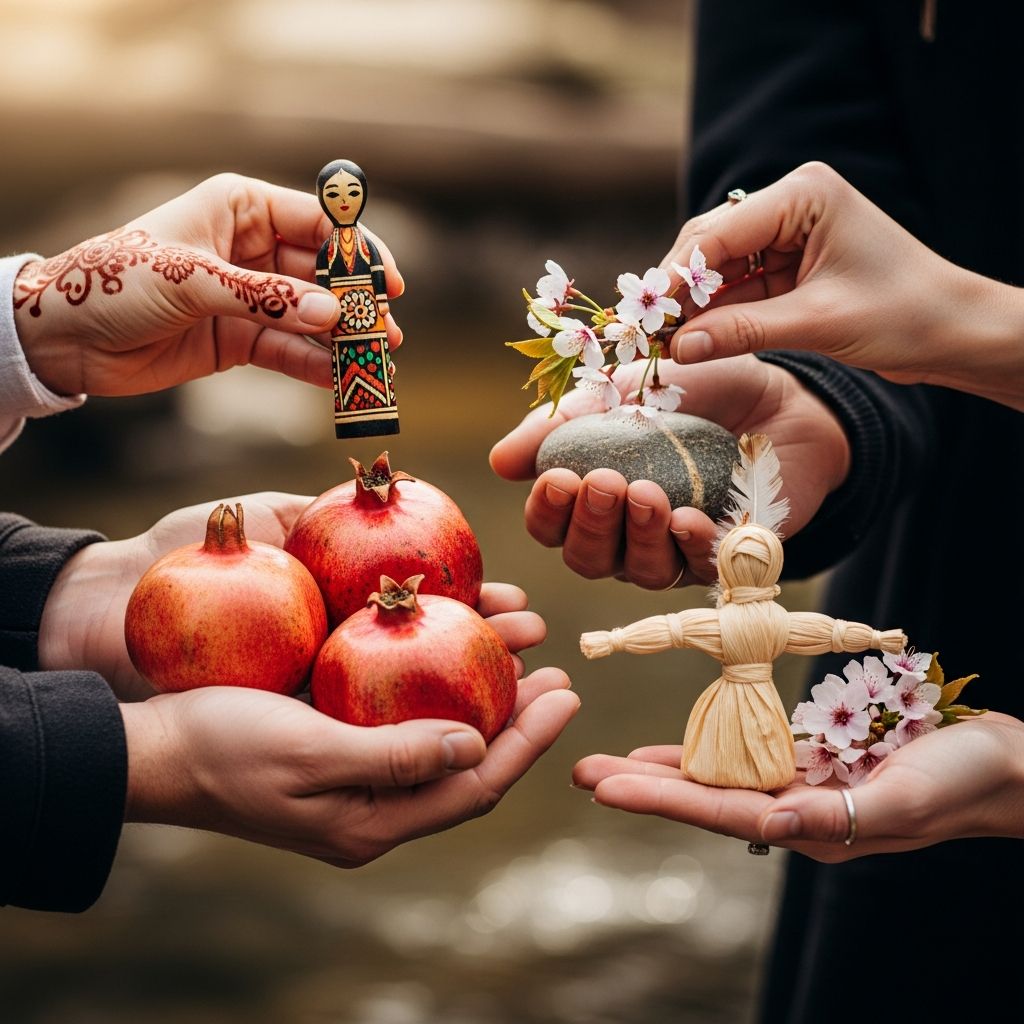
Across cultures and continents, humanity has long turned to rituals and traditions to invoke fertility and ensure successful conception. These practices, rooted in ancient beliefs about nature, spirits, and the divine, reflect a universal desire for progeny. From sacred objects believed to hold miraculous powers to communal festivals celebrating renewal, fertility rites offer insight into how societies have addressed reproductive challenges throughout history.
The Power of Sacred Objects in Fertility Lore
Sacred items often serve as focal points for fertility aspirations, embodying spiritual energy that devotees believe can influence conception. In Italy, a notable example is the Miracle Chair in Naples, associated with Saint Maria Francesca of the Five Wounds of Jesus. Women seeking pregnancy visit this chair, sit in it, and receive a blessing from nuns. The surrounding walls display photographs of ‘miracle babies,’ reinforcing the chair’s reputed efficacy.
Similarly, in Paris, France, the grave of 19th-century journalist Victor Noir in Père Lachaise Cemetery has become a fertility pilgrimage site. Visitors, particularly women, perform a specific sequence: kissing the statue’s lips, placing a flower in its hat, and rubbing a prominent bulge on the bronze figure. This ritual is said to promise enhanced fertility and improved intimate relations.
In England, the Cerne Abbas Giant, a massive chalk figure of a nude man wielding a club on a Dorset hillside, draws those hoping for conception. Legend holds that spending the night within its outline bestows fertility blessings, possibly linked to the area’s historically high birth rates.
Phallic Symbols and Spirit Shrines Across Asia
Phallic imagery features prominently in many fertility traditions, symbolizing masculine potency and generative power. In Bangkok, Thailand, the Chao Mae Tuptim Shrine honors a tree spirit. Devotees offer phallus-shaped carvings or objects, believing they secure the spirit’s favor for fertility and good fortune. The shrine’s proximity to a hotel adds a practical element for visitors.
Japan’s Kanamara Matsuri, or ‘Festival of the Steel Phallus,’ held annually in spring, combines revelry with ritual purpose. Parades feature enormous pink phallic floats through Kawasaki streets. Originating from courtesans’ practices to ward off sexually transmitted diseases, it now promotes fertility and sexual health awareness.
In China, bird’s nest soup, crafted from swiftlet saliva, has been prized for millennia as an aphrodisiac aiding conception. Once exclusive to elites due to its cost, it’s now incorporated into various foods and drinks.
Water-Based Cleansing and Renewal Ceremonies
Water rituals symbolize purification and life-giving renewal in numerous cultures. Hungary’s ‘Watering of the Girls’ occurs on Easter Monday in Hollókő, a UNESCO site. Women don traditional attire, parading through streets where men douse them with water or perfumed scents, invoking fertility for marriageable maidens. This pre-Christian custom persists in Eastern Europe.
Spain’s San Juan Night on Midsummer’s Eve blends pagan and Christian elements. Participants jump over bonfires or waves seven times at midnight, often hand-in-hand with partners, to cleanse impurities and enhance fertility. In Galicia, brewing ‘hierbas de San Juan’ from seven herbs and springs for a rejuvenating face wash ties into broader health and conception rites.
Indigenous Healing and Post-Birth Customs
Traditional healing techniques emphasize bodily alignment for reproductive health. In Latin America, Maya Abdominal Massage repositions the uterus to improve blood and lymph flow, based on the belief that an ‘out-of-balance’ uterus disrupts a woman’s harmony.
In Cambodia, post-delivery rituals honor the placenta as a twin to the newborn. Wrapped in banana leaves, it rests beside the baby for three days before burial, symbolizing life’s continuity and spiritual protection.
African Birthing Traditions and Community Involvement
African practices integrate community, herbs, and touch. In Morocco, the midwife (gabla) massages the laboring woman’s abdomen and vulva with olive oil to ease delivery, accompanied by herbal infusions for pain relief.
Niger’s Muslim customs restrict genital touch to husbands during birth, with midwives providing herbal remedies. These reflect cultural norms around modesty and familial roles.
European Community Celebrations and Taboos
Europe abounds in communal birth rites. Greece hosts gatherings days after birth, showering newborns with gifts including coins and protective stones against evil. Switzerland enforces name secrecy during pregnancy to avert bad luck.
| Country | Ritual | Purpose |
|---|---|---|
| Hungary | Watering young women | Bestow fertility |
| France | Victor Noir grave ritual | Enhance conception chances |
| England | Cerne Abbas overnight stay | Invoke fertility blessing |
| Switzerland | Hide baby name | Ward off bad luck |
Historical and Scholarly Perspectives on Fertility Rites
Fertility rites trace back millennia, as seen in Phoenician harvest sacrifices to revive vine spirits or Arabian pre-Islamic Kaaba circumambulations linked to life-cycle renewal. In medieval England, performative rituals like charms and Tree of Jesse blessings aided conception and childbirth, blending folk medicine with Christianity.
These traditions persist, blending with modern fertility treatments. Summer solstices, like Celtic Alban Heruin bonfires around 5,000 BC, parallel contemporary practices.
Modern Adaptations and Cultural Significance
Today, rituals like eating pineapple core post-IVF for implantation aid draw from folklore. Spring ceremonies, such as maypole dances, echo ancestral renewal knowledge. These practices offer emotional support amid infertility stresses, fostering community and hope.
While not scientifically validated, they highlight cultural resilience. Consulting medical professionals alongside traditions ensures balanced approaches.
Frequently Asked Questions
Are these fertility rituals scientifically proven?
No, they stem from cultural beliefs without empirical evidence, but provide psychological comfort.
Can tourists participate in festivals like Kanamara Matsuri?
Yes, it’s open to all, promoting inclusivity and awareness.
How do water rituals symbolize fertility?
Water represents purification, life, and renewal, washing away barriers to conception.
Are phallic symbols common worldwide?
Yes, from Thailand to Japan, they embody generative power.
Do modern couples still practice these?
Many do, often combining with IVF for holistic journeys.
References
- Curious Cultural Fertility Practices and Traditions Around The World — Cincinnati Birth Center. 2023-05-15. https://www.cincinnatibirthcenter.com/blog/cultural-fertility-practices-and-traditions-around-the-world
- Fertility Customs around the World — Fertility Center LV. 2022-11-10. https://fertilitycenterlv.com/blog/pregnancy/fertility-customs-around-the-world/
- 8 Fertility Rites And Rituals From Around the World — Fatherly. 2021-08-20. https://www.fatherly.com/life/8-fertility-rites-rituals-around-world
- Most popular fertility traditions and rituals — Barcelona IVF. 2023-06-12. https://barcelonaivf.com/en/blog/general/most-popular-fertility-traditions-and-rituals
- Fertility rite — Wikipedia (references primary historical sources). 2024-01-05. https://en.wikipedia.org/wiki/Fertility_rite
- Performative Rituals for Conception and Childbirth in England, 900-1500 — PMC (NCBI). 2015-10-15. https://pmc.ncbi.nlm.nih.gov/articles/PMC4696514/