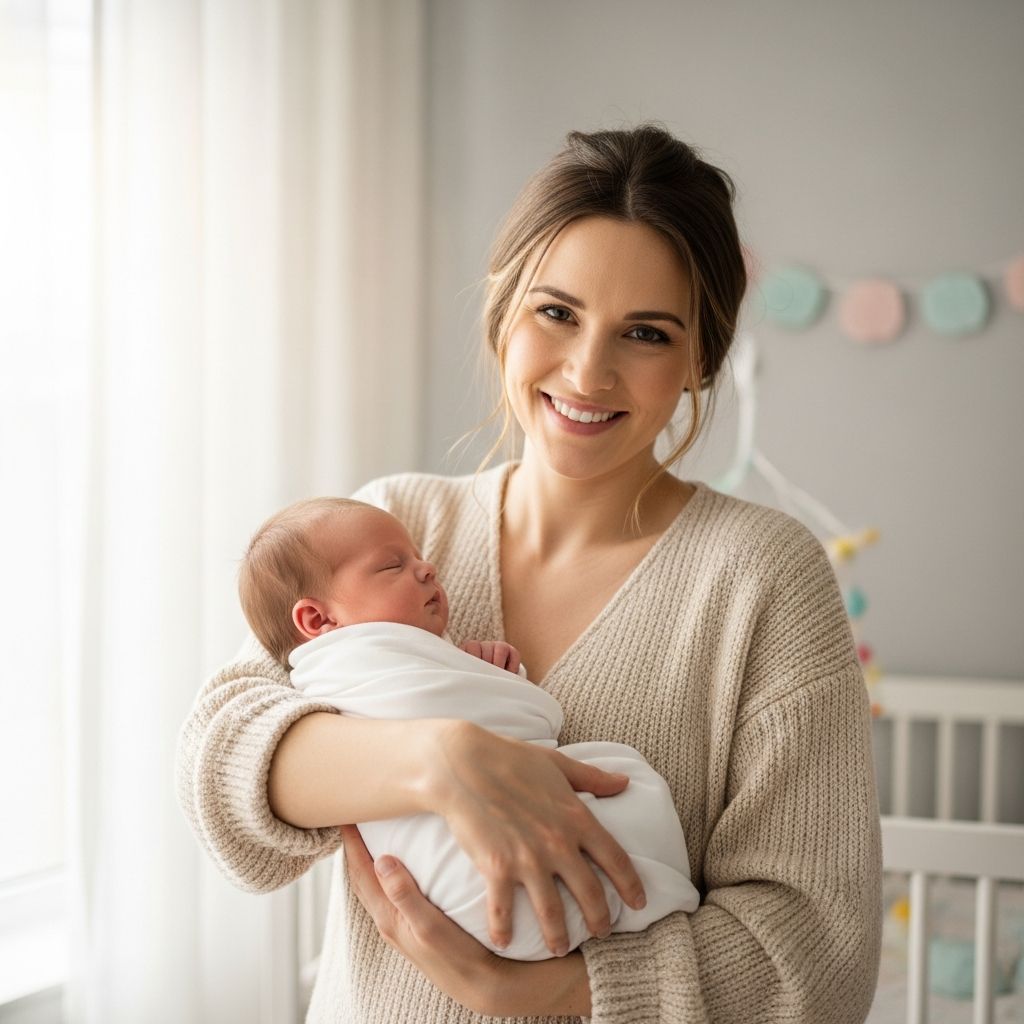
Advancements in reproductive medicine are transforming the lives of cancer patients by offering new pathways to parenthood. For women facing aggressive treatments like chemotherapy and radiation, which often impair ovarian function, innovative techniques such as in vitro maturation (IVM) of eggs and ovarian tissue cryopreservation provide hope. These methods bypass traditional hurdles, enabling survivors to conceive and deliver healthy babies years later.
Understanding Fertility Challenges in Cancer Care
Cancer therapies, while lifesaving, frequently lead to infertility. Chemotherapy agents target rapidly dividing cells, including ovarian follicles, drastically reducing egg reserves. Radiation to the pelvis or abdomen can destroy eggs outright and damage the uterus, preventing pregnancy or increasing miscarriage risks. High radiation doses to the uterus make natural conception impossible, while lower doses may allow pregnancy but heighten chances of premature labor.
Women diagnosed young, often in their 20s or 30s, face this dual battle: defeating cancer and preserving future family dreams. Traditional egg freezing requires weeks of hormone stimulation before retrieval, which delays urgent treatments and risks tumor growth in hormone-sensitive cancers like breast cancer.
- Key risks: Ovarian follicle depletion from chemo.
- Uterine damage from radiation.
- Time constraints before treatment starts.
Breakthrough: In Vitro Maturation (IVM) Explained
IVM represents a game-changer for time-pressed patients. Unlike standard IVF, which matures eggs in the body via hormones, IVM retrieves immature eggs directly from the ovaries without stimulation. These eggs mature in a lab, are frozen, and later thawed for fertilization.
A landmark case involved a 34-year-old breast cancer survivor who became the first to birth a baby using IVM. Diagnosed just before her 23rd birthday, she had mere days to act before chemotherapy. Doctors at Antoine Beclere University Hospital in France skipped stimulation, harvesting immature eggs that matured in vitro. Years later, thawed and fertilized, they led to a successful pregnancy. Experts hail this as groundbreaking, noting IVM’s viability as a less invasive alternative to ovarian tissue freezing, which risks reintroducing cancer cells.
| Traditional Egg Freezing | IVM |
|---|---|
| Weeks of hormone injections | No hormones needed |
| Delays cancer treatment | Quick procedure (days) |
| Higher egg yield but risks | Lower yield, experimental |
| Standard success rates | Emerging, promising data |
Ovarian Tissue Freezing and Transplantation Successes
Another frontier is cryopreserving ovarian cortex tissue—strips of ovary removed and frozen before treatment. Post-remission, the tissue is thawed and grafted back, restoring hormone production and ovulation. A U.S. first saw a cancer survivor deliver via this method after ovary freezing and transplant.
In Australia, a woman pregnant seven years after ovarian removal achieved it through tissue graft, using her own eggs. Israeli teams report high success in transplants for cancer patients, offering reliable fertility restoration. These procedures demand surgical expertise but avoid lifelong hormone dependency.
Other Fertility-Sparing Strategies for Survivors
Beyond IVM and tissue freezing, options abound post-treatment. Natural conception remains possible if ovarian reserve persists, assessed via transvaginal ultrasound counting antral follicles.
Assisted reproduction includes:
- Ovarian stimulation: Medications to boost ovulation for IUI or IVF.
- Intrauterine insemination (IUI): Placing sperm directly in uterus during ovulation.
- In vitro fertilization (IVF): Egg retrieval, lab fertilization, embryo transfer. Frozen pre-treatment eggs/embryos can be used later.
For severe cases, donor eggs or embryos allow gestational surrogacy or carrying. Donor eggs cost up to $35,000 but enable biological motherhood experience. A cervical cancer survivor at MD Anderson birthed via trachelectomy—a uterus-preserving surgery—demonstrating targeted treatments’ role.
Real-Life Triumphs: Stories of Hope
These technologies aren’t abstract; they’ve created families. Roshni Kamta, facing stage 3 breast cancer, raced to freeze eggs amid chaos, wishing IVM had been available to skip painful shots. French teams announced the IVM baby’s birth, spotlighting Dr. Michael Grynberg’s work. U.S. patient Tucker marked history with ovary transplant birth.
Allison Pozzi, post-cervical cancer trachelectomy, welcomed son Carlo, defying hysterectomy predictions. Australian and Israeli cases further prove scalability, blending surgery, cryopreservation, and optimism.
Navigating the Process: Steps and Considerations
Fertility preservation starts with oncologist-fertility specialist consult. Pre-treatment:
- Assess ovarian reserve via blood tests (AMH, FSH) and ultrasound.
- Choose IVM, egg/embryo freezing, or tissue cryopreservation based on cancer type and timeline.
- Undergo minimally invasive retrieval/transplant.
Post-treatment:
- Confirm cancer remission.
- Thaw and prepare gametes/tissue.
- Embryo transfer with hormonal support.
Costs vary: IVM experimental, often research-covered; standard freezing $10,000+ per cycle; transplants surgical fees add up. Success hinges on age at preservation—younger yields better.
Expert Perspectives on Future Directions
Dr. Rebecca Krisher of CCRM Fertility calls IVM a vital alternative, less risky than tissue methods. Ongoing trials refine protocols, boosting maturation rates from 50-70% toward IVF parity. Artificial ovaries and stem-cell eggs loom on horizons, potentially eliminating donor needs.
Guidelines from bodies like ASRM urge routine fertility counseling pre-treatment. Access disparities persist—rural patients lag urban centers.
Frequently Asked Questions
Can all cancer patients preserve fertility?
Not all; it depends on cancer type, stage, age, and treatment urgency. Hormone-sensitive cancers limit stimulation-based methods.
Is IVM safe and widely available?
Experimental but safe in trials; available at specialized centers like those in France and U.S. research hubs.
What are success rates for ovarian transplants?
Up to 30-50% pregnancy rates in young patients; over 100 babies born worldwide.
How long can frozen eggs/tissue last?
Indefinitely with vitrification; viable after 10+ years.
Does insurance cover these procedures?
Varies; some U.S. states mandate coverage for cancer patients, but experimental ones like IVM often don’t.
Empowering Choices: Advice for Patients
Act swiftly upon diagnosis—fertility consults are standard. Discuss risks/benefits transparently. Support groups aid emotional navigation. These innovations underscore medicine’s evolution: from survival to thriving families.
References
- Fertility treatment IVM could give cancer patients more options — CBS News. 2020-02-20. https://www.cbsnews.com/news/new-fertility-treatment-ivm-could-give-cancer-patients-more-options-2020-02-20/
- Building Your Family After Cancer Treatment: For People Born With Ovaries/Uterus — Memorial Sloan Kettering Cancer Center. n.d. https://www.mskcc.org/cancer-care/patient-education/building-your-family-for-people-born-with-ovaries-uterus
- Cancer Survivor Gives Birth – Fertility Preservation Procedure — Infertility Center of St. Louis. n.d. https://www.infertile.com/infertility-news/boy-area-cancer-survivor-first-give-birth-fertility-preservation-procedure/
- Pioneering ovarian tissue graft helps cancer survivor become pregnant — Progress Educational Trust. n.d. https://www.progress.org.uk/pioneering-ovarian-tissue-graft-helps-cancer-survivor-become-pregnant/
- Cancer survivor gives birth thanks to a new fertility procedure — Freethink. n.d. https://www.freethink.com/health/cancer-survivor-gives-birth-thanks-to-a-new-fertility-procedure
- Cervical cancer survivor becomes a mother with fertility-sparing treatment — MD Anderson Cancer Center. n.d. https://www.mdanderson.org/cancerwise/cervical-cancer-survivor-becomes-a-mother-with-fertility-sparing-treatment.h00-159146034.html
- Pioneering Israeli fertility treatment offers cancer patients chance — YouTube (News Report). n.d. https://www.youtube.com/watch?v=wh-77PGgR4E