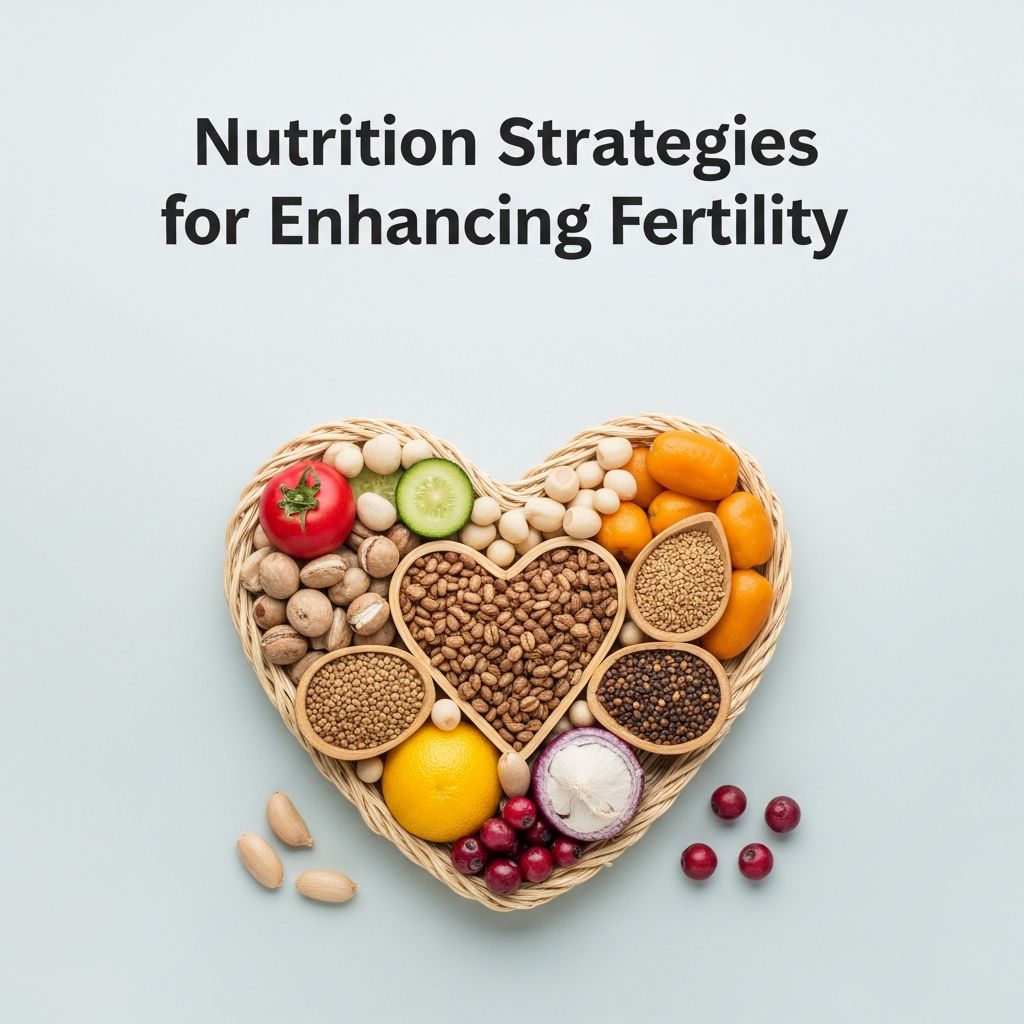
Adopting a purposeful diet can significantly influence reproductive health, with studies indicating that specific nutrient profiles promote better ovulation, sperm quality, and overall conception success for both men and women. Research highlights the benefits of diets emphasizing unsaturated fats, plant proteins, and antioxidant-rich produce over processed options.
Building a Fertility-Friendly Foundation
The cornerstone of a fertility-boosting diet lies in balance and variety. Prioritize whole foods that deliver essential vitamins, minerals, and healthy fats while minimizing intake of refined sugars and trans fats, which studies link to disrupted hormonal balance and reduced fertility. A Mediterranean-style approach, rich in vegetables, fruits, olive oil, and lean proteins, has shown positive effects on insulin sensitivity and reproductive function.
Key principles include:
- Filling half your plate with colorful fruits and vegetables for antioxidants and fiber.
- Incorporating diverse proteins, favoring plant-based sources like legumes alongside moderate animal options.
- Choosing full-fat dairy over low-fat varieties for associated fertility benefits.
- Opting for whole grains to stabilize blood sugar levels.
These habits not only support conception but also prepare the body for pregnancy.
Powerhouse Nutrients and Their Food Sources
Certain nutrients stand out in fertility research for their roles in hormone production, egg quality, sperm motility, and implantation success.
Omega-3 Fatty Acids: Guardians of Reproductive Cells
Omega-3s, particularly from plant and marine sources, enhance ovulation rates and sperm health by reducing inflammation and supporting cell membrane integrity. Walnuts provide an accessible boost, with one study showing improved sperm parameters after daily consumption of about 42 grams for three months. Fatty fish like sardines and salmon offer potent doses but select low-mercury options to avoid fertility-hindering contaminants; couples eating eight or more servings per cycle conceived faster.
- Walnuts: Omega-3s plus vitamin E for sperm motility.
- Salmon/sardines: High DHA for egg and sperm quality.
- Flaxseeds: Plant-based alternative for vegetarians.
Folate: Essential for Cell Division and Implantation
Folate supports DNA synthesis and reduces neural tube defect risks, with higher levels correlating to better implantation and pregnancy rates in assisted reproduction. Plant sources excel here, providing spermidine alongside folate for enhanced fertility. Women deriving more protein from plants show lower ovulatory infertility risk.
| Food Source | Folate Content (per serving) | Additional Benefits |
|---|---|---|
| Dark leafy greens (e.g., kale) | High | Antioxidants for ovarian health |
| Lentils/beans | High | Plant protein, spermidine |
| Avocados, citrus | Moderate | Vitamin C synergy |
| Bell peppers, nuts | Moderate | Fiber for hormone balance |
Iron: Fueling Ovulation and Oxygen Delivery
Iron deficiency impairs ovulation; replenishing through diet improves fertility outcomes. Combine heme sources like poultry with non-heme from plants for absorption.
- Beans, peas, lentils
- Poultry, eggs, fish
- Broccoli, dried fruits
Vitamin D and Calcium: Hormonal Harmony
Full-fat dairy links to lower ovulatory infertility risk, delivering vitamins A, D, E, and polyamines abundant in cheeses like Parmigiano-Reggiano. Greek yogurt pairs calcium with probiotics for reproductive support.
Superfoods Spotlight: Top Choices for Couples
Incorporate these daily for compounded benefits:
- Sweet Potatoes: Beta-carotene converts to progesterone, vital for maintaining early pregnancy; also aids sperm parameters.
- Beetroot: Nitric oxide improves uterine blood flow for implantation, plus folate.
- Berries: Antioxidants combat oxidative stress on eggs and sperm.
- Whole Grains (quinoa, oats): Fiber stabilizes insulin, preventing ovulatory issues.
For men, emphasize nuts and seeds; for women, layer in folate-rich greens. Both benefit from unsaturated fats in avocados and olive oil.
Meal Planning for Reproductive Success
Structure meals around three pillars: complex carbs, lean/plant proteins, and healthy fats, then amplify with boosters.
Example Daily Plan:
| Meal | Suggestions | Key Nutrients |
|---|---|---|
| Breakfast | Greek yogurt with berries, walnuts, and quinoa | Calcium, omega-3s, folate |
| Lunch | Lentil salad with kale, avocado, bell peppers, olive oil dressing | Iron, folate, unsaturated fats |
| Dinner | Salmon or sardines with sweet potatoes, broccoli, whole grains | Omega-3s, beta-carotene, iron |
| Snacks | Handful of nuts, citrus fruit, full-fat cheese | Vitamin E, folate, polyamines |
Hydrate well and limit caffeine to under 200mg daily for optimal results.
What to Limit: Pitfalls in Modern Diets
Avoid these fertility dampeners:
- Trans Fats and Fast Food: Linked to hormonal disruptions and fewer blastocysts.
- Refined Carbs/Sugars: Spike insulin, delaying ovulation.
- High-Mercury Fish: Impairs cycles; stick to safe choices.
- Excess Alcohol: Reduces success rates, especially in treatments.
Western-style diets high in processed items correlate with infertility.
Gender-Specific Dietary Insights
Women: Emphasize full-fat dairy and plant proteins to cut ovulatory infertility risk. Men: Walnuts and omega-3s elevate sperm count and motility.
Joint efforts yield best results, as partner nutrition influences outcomes.
Frequently Asked Questions
How quickly can diet impact fertility?
Improvements may appear in one menstrual cycle for women or 3 months for sperm renewal in men, per research timelines.
Should I take supplements alongside diet?
Prioritize food sources; consult providers for folic acid (400mcg daily preconception).
Is a vegan diet fertility-friendly?
Yes, with attention to B12, iron, omega-3s via fortified foods or algae oil.
Can weight influence these dietary effects?
Yes, balanced nutrition aids weight management, key for fertility in obesity or underweight cases.
Are there recipes for busy couples?
Yes: Blend smoothies with yogurt, berries, spinach; batch-cook lentil stews with veggies.
References
- Fertility diet: What to eat when you’re trying to conceive — Baylor Scott & White Health. 2023. https://www.bswhealth.com/blog/fertility-diet-what-to-eat-when-youre-trying-to-conceive
- 6 foods that boost fertility — UCLA Health. 2023. https://www.uclahealth.org/news/article/6-foods-boost-fertility
- Female Fertility and the Nutritional Approach: The Most Essential Aspects — PMC (PubMed Central). 2021-11-19. https://pmc.ncbi.nlm.nih.gov/articles/PMC8634384/
- Foods For Fertility – 7 Foods To Boost Fertility — Fertility Academy. 2023. https://www.fertility-academy.co.uk/blog/foods-for-fertility-7-foods-to-boost-fertility/
- Healthy foods to eat when you’re trying to get pregnant — University Health. 2023. https://www.universityhealth.com/blog/healthy-foods-to-eat-when-trying-to-get-pregnant