Optimizing your diet plays a pivotal role in enhancing fertility for both partners when trying to conceive. Research indicates that specific nutrients like folate, omega-3 fatty acids, and antioxidants can support hormone balance, egg quality, and sperm health, potentially shortening time to pregnancy.
Key Nutrients for Reproductive Success
Before diving into specific foods, understanding the foundational nutrients is essential. These vitamins and minerals directly influence ovulation, sperm motility, and overall reproductive function.
- Folate (Vitamin B9): Critical for preventing neural tube defects and supporting cell division in early embryo development. Aim for 400-600 mcg daily from food sources.
- Omega-3 Fatty Acids: Reduce inflammation and improve blood flow to reproductive organs, aiding both female ovulation and male sperm quality.
- Iron: Helps regulate ovulation cycles and prevents anemia, which can impair fertility.
- Vitamin D and Calcium: Linked to better egg maturation and lower risk of ovulatory infertility.
- Antioxidants (Vitamins C, E, Beta-Carotene): Protect reproductive cells from oxidative stress.
Powerhouse Produce: Fruits and Vegetables for Fertility
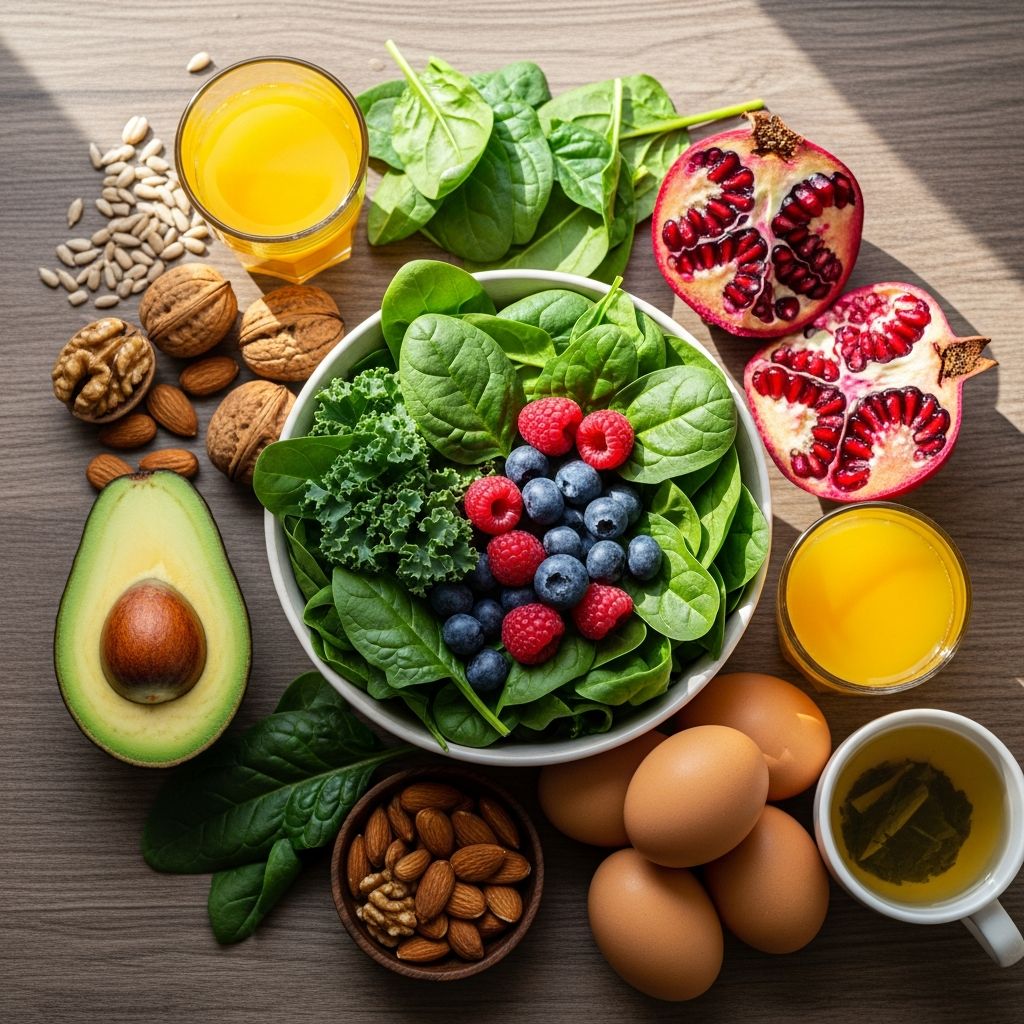
Incorporate a rainbow of fruits and vegetables daily to load up on vitamins, fiber, and antioxidants. These plant foods provide folate, iron, and anti-inflammatory compounds that foster a fertile environment.
Leafy greens like spinach, kale, and romaine are folate powerhouses, delivering over 100 mcg per cup. Citrus fruits such as oranges and grapefruits offer vitamin C, which enhances iron absorption and supports progesterone production. Berries—strawberries, blueberries, raspberries—burst with antioxidants that combat free radicals harming eggs and sperm.[10]
Other stars include avocados for healthy fats and folate, bell peppers for vitamin C, broccoli for iron and sulforaphane (a fertility-boosting compound), and sweet potatoes rich in beta-carotene, which converts to vitamin A essential for hormone synthesis.
| Vegetable/Fruit | Key Nutrient | Daily Serving Suggestion |
|---|---|---|
| Spinach (1 cup cooked) | Folate, Iron | 194 mcg folate |
| Oranges (1 medium) | Vitamin C, Folate | 70 mg vitamin C |
| Blueberries (1 cup) | Antioxidants | High in polyphenols |
| Sweet Potatoes (1 medium) | Beta-Carotene | 14,000 IU vitamin A |
Healthy Fats: The Unsung Heroes of Hormone Health
Unsaturated fats are vital for synthesizing reproductive hormones like estrogen and progesterone. Focus on sources that also provide omega-3s and vitamin E.
Avocados, olives, and extra-virgin olive oil lubricate cellular processes and reduce inflammation. Nuts like walnuts (a handful daily improves sperm parameters) and seeds (chia, flax) deliver omega-3s ALA, which converts to fertility-friendly EPA and DHA.
Fatty fish such as wild salmon, sardines, and anchovies are top choices for DHA, directly benefiting egg quality and embryo implantation. Limit to low-mercury options, 2-3 servings weekly.
Protein Choices: Balancing Plant and Animal Sources
Diverse proteins supply amino acids for tissue repair and hormone production. Emphasize plant-based options alongside lean meats and seafood.
- Legumes: Lentils, chickpeas, and beans pack folate, iron, and fiber. A cup of lentils provides 358 mcg folate.
- Lean Meats and Poultry: Skinless chicken or turkey offers B12 and zinc without excess saturated fat.
- Eggs: Complete protein with choline for fetal brain development.
- Plant Proteins: Tofu and tempeh for isoflavones that may regulate cycles.
Dairy’s Role: Opt for Full-Fat Varieties
Contrary to low-fat trends, full-fat dairy correlates with reduced ovulatory infertility risk due to calcium, vitamin D, and hormones like polyamines in cheeses.
Greek yogurt pairs probiotics for gut health (linked to better nutrient absorption) with protein and calcium. Hard cheeses like cheddar or Parmigiano-Reggiano add polyamines supporting reproduction. Aim for 2-3 servings daily.
Whole Grains and Complex Carbs for Steady Energy
Whole grains stabilize blood sugar, preventing insulin spikes that disrupt ovulation. Quinoa, oats, brown rice, and farro provide B vitamins, fiber, and sustained energy.
These displace refined carbs, which can promote inflammation. Start days with oatmeal topped with nuts and berries for a fertility trifecta.
Hydration and Gut Health: Often Overlooked Essentials
Dehydration impairs cervical mucus quality, crucial for sperm transport. Drink 8-10 glasses of water daily, enhanced with lemon for vitamin C.
Gut-friendly foods like kefir, kimchi, garlic, and bananas foster microbiome balance, aiding hormone metabolism and reducing inflammation.
Foods and Habits to Limit or Avoid
Steer clear of fertility saboteurs: high-mercury fish (shark, swordfish), trans fats in processed foods, excessive caffeine (>200mg/day), added sugars, and heavy alcohol. Red and processed meats high in saturated fats may elevate infertility risk.
- Limit soda and baked goods to curb insulin resistance.
- Cap coffee at 1-2 cups.
- Avoid ultra-processed items lacking nutrients.
Sample 7-Day Fertility Meal Plan
This plan balances nutrients across meals, hitting key fertility targets.
| Day | Breakfast | Lunch | Dinner | Snack |
|---|---|---|---|---|
| Monday | Greek yogurt with berries & walnuts | Quinoa salad w/ chickpeas, spinach, avocado | Grilled salmon, sweet potato, broccoli | Orange & almonds |
| Tuesday | Oatmeal w/ flaxseeds & banana | Lentil soup w/ kale & carrots | Chicken stir-fry w/ bell peppers & brown rice | Apple w/ nut butter |
| Wednesday | Smoothie: spinach, citrus, yogurt | Tuna salad (low-mercury) on whole grain | Tofu curry w/ veggies & quinoa | Cottage cheese & pineapple |
| Thursday | Eggs w/ avocado toast (whole grain) | Bean wrap w/ greens & salsa | Baked sardines, asparagus, farro | Handful walnuts |
| Friday | Chia pudding w/ berries | Turkey & veggie bowl | Shrimp stir-fry w/ broccoli & rice | Yogurt & seeds |
| Saturday | Whole grain pancakes w/ fruit | Lentil salad w/ feta, tomatoes | Lean beef w/ sweet potatoes & greens | Citrus & nuts |
| Sunday | Yogurt parfait w/ granola, nuts | Salmon poke bowl | Veggie omelet w/ cheese & salad | Banana w/ peanut butter |
Frequently Asked Questions (FAQs)
Can diet really improve fertility?
Yes, studies show diets rich in unsaturated fats, whole foods, and key nutrients like folate enhance conception rates by supporting hormonal balance and gamete health.
How much full-fat dairy should I eat?
2-3 servings daily, such as yogurt or cheese, links to lower infertility risk without excess calories.
Is seafood safe while trying to conceive?
Choose low-mercury options like salmon or sardines 2-3 times weekly for omega-3 benefits; avoid high-mercury types.
Should men follow a fertility diet too?
Absolutely—nuts, fish, and veggies improve sperm count and motility.
When should I start this diet?
At least 3 months before trying, allowing time for reproductive improvements.
Partner Involvement: A Joint Effort
Fertility is a team sport. Men should mirror these choices: walnuts daily boost sperm vitality, while avoiding processed meats preserves quality. Couples dining together on shared plates reinforces habits.
Track progress with apps monitoring nutrient intake. Consult a doctor for personalized advice, especially with conditions like PCOS.
Consistency yields results—many report improved cycles within weeks. Combine with exercise, stress reduction, and sleep for holistic fertility enhancement.
References
- Fertility diet: What to eat when you’re trying to conceive — BSW Health. 2023. https://www.bswhealth.com/blog/fertility-diet-what-to-eat-when-youre-trying-to-conceive
- Healthy foods to eat when you’re trying to get pregnant — University Health. 2023. https://www.universityhealth.com/blog/healthy-foods-to-eat-when-trying-to-get-pregnant
- Foods For Fertility – 7 Foods To Boost Fertility — Fertility Academy. 2023. https://www.fertility-academy.co.uk/blog/foods-for-fertility-7-foods-to-boost-fertility/
- 6 foods that boost fertility — UCLA Health. 2023. https://www.uclahealth.org/news/article/6-foods-boost-fertility
- Preparing Your Body for Trying to Conceive — Texas Health Resources. 2023. https://www.texashealth.org/Health-and-Wellness/Women-and-Infants/Preparing-Your-Body-for-Trying-to-Conceive
- What Is the Optimal Fertility Diet? — Women & Infants Fertility Center. 2023. https://fertility.womenandinfants.org/blog/fertility-diet
- Fertility Boosting Foods for Women Trying to Conceive — PFCLA. 2023. https://www.pfcla.com/blog/foods-that-help-you-get-pregnant