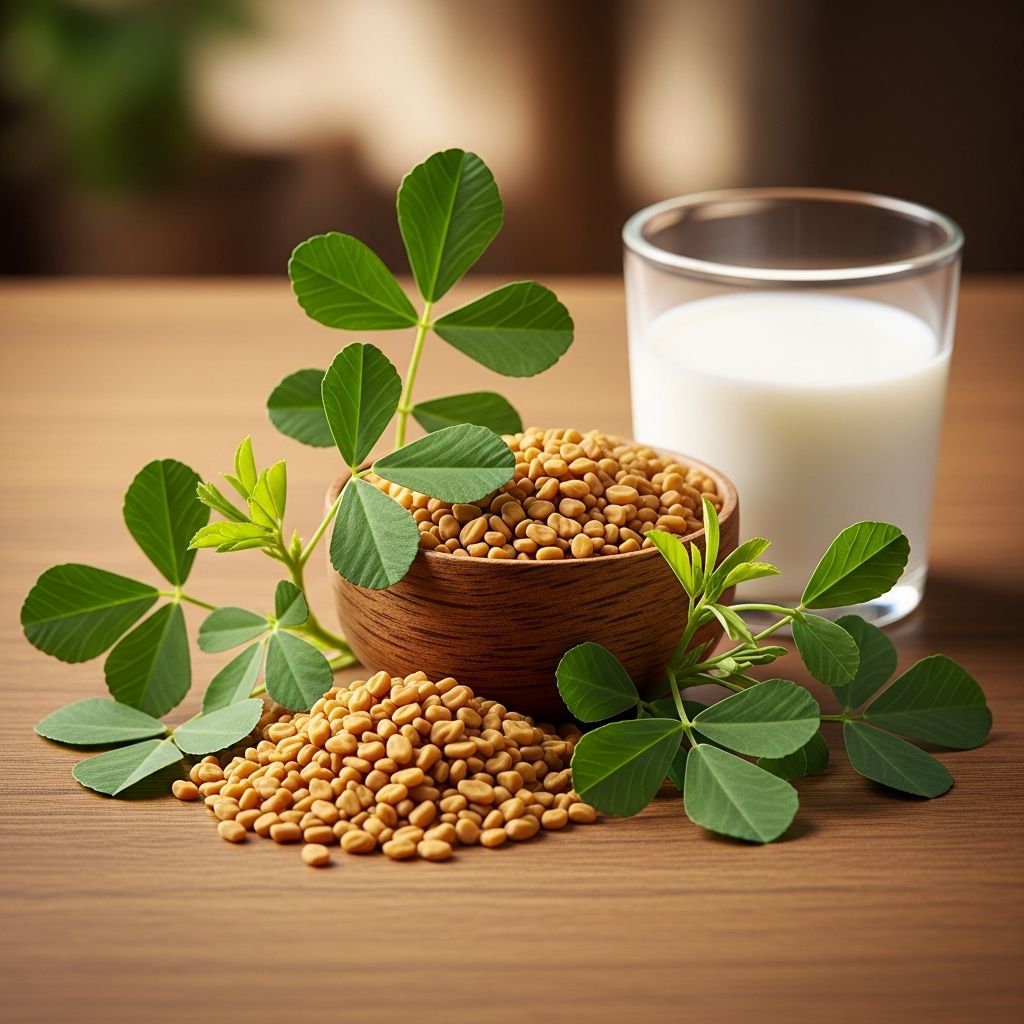
Fenugreek, a herb from the legume family, has long been employed by nursing mothers worldwide to potentially enhance breast milk production. Known scientifically as Trigonella foenum-graecum, it contains compounds that may mimic estrogen and stimulate prolactin, the hormone essential for lactation. While traditional use spans centuries, modern studies provide mixed but promising evidence on its effectiveness as a galactagogue—a substance that promotes milk flow.
Historical Roots and Traditional Applications
Originating from regions in the Mediterranean, Middle East, and Asia, fenugreek seeds have been integral to culinary and medicinal practices. In Ayurvedic and traditional Chinese medicine, they are prized for digestive aid, blood sugar regulation, and lactation support. Nursing women often brew them into teas or incorporate them into meals, believing they enrich milk quality and quantity. This cultural reliance persists today, with many lactation consultants recommending it as a first-line herbal remedy for perceived low supply.
Scientific Evidence on Milk Production Enhancement
Research indicates fenugreek may significantly boost milk volume in some women. A 2018 review analyzing 122 mothers found notable increases in production among fenugreek users. Another study involving 25 mothers using a blend of fenugreek, ginger, and turmeric reported a 49% rise in milk volume by week two and 103% by week four compared to placebo. These findings suggest rapid effects, often within 24-72 hours for capsule forms.
However, results vary. The NIH’s LactMed database summarizes multiple trials: in one, 46% of 188 surveyed mothers used fenugreek, with 54% reporting supply improvements, though 45% noted side effects. Early postpartum use (first few days) appears more effective than later. A randomized trial showed higher milk volumes on day three postpartum (275 mL vs. 246 mL) in fenugreek groups. Yet, some studies using multi-herb products complicate isolating fenugreek’s role.
| Study Type | Participants | Key Finding | Source |
|---|---|---|---|
| Review of Studies | 122 mothers | Significant milk increase | |
| Randomized Trial (Herb Mix) | 50 mothers | 49-103% volume rise | |
| Survey | 188 mothers | 54% improved supply | |
| Early Postpartum RCT | 60 mothers | Higher day 3 volume |
Galactagogues like fenugreek should complement, not replace, techniques such as frequent nursing, proper latch, and hydration. Experts emphasize addressing modifiable factors first.
How Fenugreek May Work Physiologically
Fenugreek’s potential stems from phytoestrogens—plant-based estrogen mimics—that could elevate prolactin levels. It might also enhance the let-down reflex by reducing maternal stress and fatigue, indirectly supporting milk ejection. Nutrient profile includes iron, magnesium, potassium, and calcium, potentially benefiting maternal anemia and overall health. One tablespoon delivers substantial vitamins, aiding metabolism and inflammation reduction.
Practical Dosage Guidelines and Forms
Common forms include capsules, teas, and seeds. Capsules (580-610 mg each) at 2-3 three to four times daily are standard, with effects possibly appearing in 24-72 hours or up to two weeks. Teas require 3-5 cups daily using products like Mother’s Milk, containing 35 mg fenugreek per bag. Always follow package directions and start low to monitor tolerance.
- Capsules: 1,740-7,320 mg/day divided doses.
- Tea: 3-5 bags/day steeped 10 minutes.
- Seeds: 5-10 g soaked or cooked.
Consult a healthcare provider for personalized dosing, especially with conditions like diabetes or thyroid issues.
Potential Side Effects for Mothers
While FDA lists fenugreek as Generally Recognized as Safe (GRAS), side effects occur. Common ones: maple syrup-like body odor, diarrhea, nausea, vomiting, excessive sweating, and gassiness. In surveys, 45% reported issues like oversupply or infant fussiness. Hypokalemia risk rises with diuretics or laxatives. Rarely, it may decrease supply in susceptible women, possibly linked to hypothyroidism.
Safety Considerations for Infants
Fenugreek passes into milk in unknown quantities, but studies show general safety. A 30-day trial of Mother’s Milk tea found no infant adverse events through one year. However, reports include baby colic, allergy, abdominal discomfort, diarrhea. One study noted more urination and slight weight gain in treated infants. Monitor for unusual crying or stool changes; discontinue if concerns arise.
Interactions and Contraindications
Fenugreek may potentiate blood thinners, diabetes meds, or sedatives. Avoid in pregnancy (labor induction risk), peanut/legume allergies, or hormone-sensitive conditions. Those with asthma or ragweed allergies face higher reaction risks.
Alternatives to Fenugreek for Lactation Support
If fenugreek unsuitable, consider:
- Oatmeal/Barley: Beta-glucan may boost prolactin.
- Blessed Thistle: Often paired with fenugreek.
- Moringa: Nutrient-rich leaf with evidence.
- Pumping/Frequent Feeds: Non-herbal gold standard.
Domperidone or metoclopramide are pharmaceutical options under medical supervision.
Expert Recommendations and When to Seek Help
Lactation consultants advise trialing fenugreek for 1-2 weeks while optimizing breastfeeding technique. Track output via weighed feeds or diapers. Persistent low supply warrants professional evaluation for latch issues, tongue-tie, or medical causes. Never rely solely on herbs.
Frequently Asked Questions
How quickly does fenugreek increase milk supply?
Many see boosts in 24-72 hours with capsules; others wait up to 2 weeks.
Is fenugreek safe during breastfeeding?
Generally yes per FDA GRAS, but monitor for side effects in mom and baby.
Can fenugreek cause gas in my baby?
Possible; some report gassiness or colic—discontinue if observed.
What if fenugreek reduces my supply?
Rare, but reported; stop use and consult a professional. May relate to thyroid function.
Should I combine fenugreek with other herbs?
Blends like fenugreek-ginger show promise, but check interactions.
References
- Fenugreek and Breastfeeding: Does It Help With Lactation? — Healthline. 2023 (approx., based on content recency). https://www.healthline.com/health/breastfeeding/fenugreek-breastfeeding
- Fenugreek – Drugs and Lactation Database (LactMed®) — National Center for Biotechnology Information (NCBI), NIH. 2023-12-15. https://www.ncbi.nlm.nih.gov/books/NBK501779/
- Fenugreek: Herbal Support for Low Milk Supply — Kaiser Permanente. 2022 (PDF updated). https://mydoctor.kaiserpermanente.org/ncal/Images/Fenugreek%20for%20Low%20Milk%20Supply_tcm75-479508.pdf
- Fenugreek and Your Breastmilk Supply — Baby Bonds. 2022-02-22. https://www.babybonds.us/blog/2022/2/22/fenugreek-yes-or-no
- Herbal medicines & breastfeeding — The Royal Women’s Hospital. Accessed 2023. https://www.thewomens.org.au/health-information/breastfeeding/medicines-drugs-and-breastfeeding/complementary-medicines-and-breastfeeding
- Increasing Milk Supply – use of Galactagogues — Breastfeeding Network. Accessed 2023. https://www.breastfeedingnetwork.org.uk/factsheet/increasing-milk-supply-use-of-galactagogues/