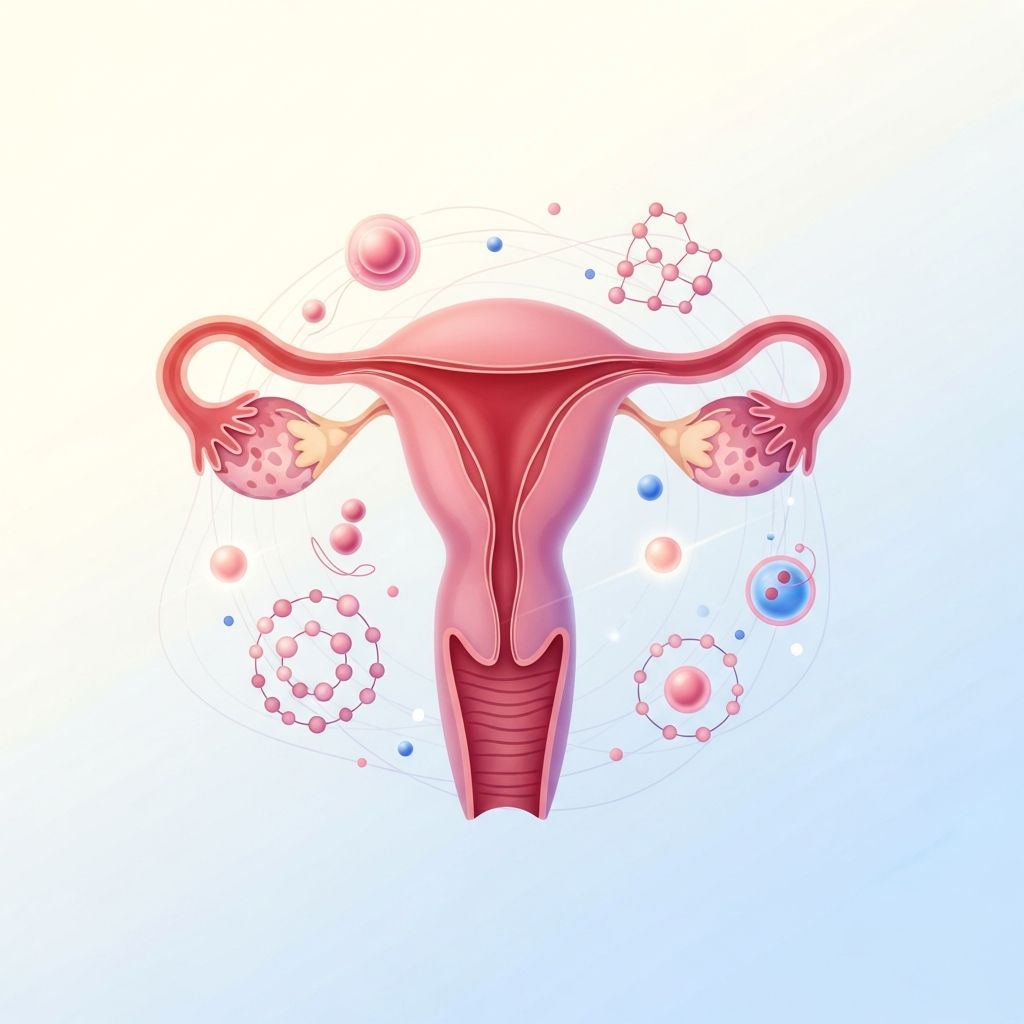
The female reproductive system is a group of organs and hormones that work together to make periods possible, allow pregnancy to happen, and support sexual and reproductive health throughout life. It can feel confusing or even embarrassing to talk about, but learning how it works gives you power over your own body and health.
Why Learning About Your Reproductive System Matters
Knowing how your reproductive organs work helps you understand changes during puberty, like breast growth, discharge, and your first period. It also makes it easier to notice when something feels wrong and when to ask a trusted adult or health professional for help.
- It reduces fear and myths about periods, sex, and fertility.
- It helps you make informed choices about your body, boundaries, and future plans.
- It prepares you to talk more comfortably with doctors, nurses, and caregivers.
Overview: Inside vs. Outside Parts
The female reproductive system includes organs on the outside of the body and organs deep in the pelvis. The outside parts protect the more delicate inside structures and are also important for sexual pleasure and hygiene.
The internal organs are mainly responsible for releasing eggs, preparing for pregnancy, and shedding the uterine lining as a menstrual period if pregnancy does not happen.
| Location | Key Structures | Main Roles |
|---|---|---|
| External (outside) | Vulva, labia, clitoris, vaginal opening, urethral opening | Protect internal organs, allow urine to leave the body, and contribute to sexual sensation. |
| Internal (inside) | Vagina, cervix, uterus, fallopian tubes, ovaries | Support menstruation, release eggs, allow fertilization, and carry a pregnancy. |
The External Genitals: The Vulva
The outside reproductive area is called the vulva. It is unique from person to person, just like faces, and there is no single “normal” look.
- Labia (inner and outer): Folds of skin that surround and protect the openings to the vagina and urethra.
- Clitoris: A small, highly sensitive organ near the top of the vulva, rich in nerve endings and involved in sexual pleasure.
- Vaginal opening: The entrance to the vagina where menstrual blood exits and where a tampon or menstrual cup can be inserted.
- Urethral opening: The tiny opening where urine leaves the body; this is separate from the vaginal opening.
Hair growth on the vulva usually starts during puberty and is completely normal. Size, shape, and color of all parts of the vulva can vary widely and usually do not indicate any health problem.
The Internal Organs: Deeper Structures You Cannot See
Inside the pelvis are the main reproductive organs that are involved in periods and pregnancy. These organs work closely together in a monthly cycle influenced by hormones.
- Vagina: A stretchy muscular tube that connects the vulva to the uterus. Menstrual blood flows through it, and it can expand during sexual intercourse and childbirth.
- Cervix: The narrow, lower part of the uterus that opens into the vagina. It has a tiny opening that lets menstrual blood out and sperm in.
- Uterus: A strong, hollow organ shaped somewhat like an upside-down pear. It grows a thick lining each month to prepare for a possible pregnancy and can expand to hold a developing baby.
- Fallopian tubes: Two thin tubes that extend from the top of the uterus toward each ovary. They are the usual place where sperm and egg meet for fertilization.
- Ovaries: Two small, oval glands that store eggs and produce important hormones like estrogen and progesterone.
Hormones: The Body’s Chemical Messengers
Hormones are chemicals that travel through the bloodstream to tell organs what to do and when to do it. In puberty and throughout the menstrual cycle, they control the growth of reproductive organs, the timing of ovulation, and the thickening and shedding of the uterine lining.
The brain and ovaries form a feedback loop so that hormone levels rise and fall in a pattern, creating a cycling rhythm that repeats approximately every month.
- Estrogen: Helps develop breasts, widen hips, and thicken the lining of the uterus.
- Progesterone: Helps stabilize the uterine lining and prepare it for a fertilized egg.
- FSH (follicle-stimulating hormone): From the pituitary gland in the brain; stimulates the ovaries to mature eggs.
- LH (luteinizing hormone): Also from the pituitary; surges to trigger ovulation, when a mature egg is released.
The Menstrual Cycle Step by Step
The menstrual cycle is the repeating process that prepares the body for pregnancy and leads to a period when pregnancy does not occur. Although people often talk about “having a period,” the period is only one part of the entire cycle.
A typical cycle lasts about 21 to 35 days, but many teens have cycles that are longer, shorter, or irregular for the first few years after their first period.
1. Menstrual Phase (Your Period)
When pregnancy does not happen, the thick lining of the uterus breaks down and leaves the body through the vagina as blood and tissue. This is what is commonly called a period.
- Most periods last between 3 and 7 days.
- Flow can be light, moderate, or heavy, and may change from day to day.
- Cramping, low back pain, and mood changes are common, but extreme pain or very heavy bleeding should be discussed with a health professional.
2. Follicular Phase (Preparing an Egg)
At the same time that the uterus sheds its lining, hormones from the brain signal the ovaries to begin maturing a group of tiny sacs called follicles, each holding an immature egg.
Usually, one follicle becomes dominant and its egg continues to mature. The uterine lining starts to build up again in case fertilization happens later in the cycle.
3. Ovulation (Egg Release)
Ovulation usually occurs about halfway through the cycle. A surge in LH causes the mature follicle to open and release an egg from one of the ovaries into the nearby fallopian tube.
- The egg can be fertilized for about 12 to 24 hours after release.
- Sperm can survive in the female reproductive tract for several days, which means pregnancy can occur from sex that happened before ovulation.
4. Luteal Phase (Waiting to See What Happens)
After ovulation, the empty follicle turns into a temporary hormone-producing structure that continues to release progesterone and some estrogen. Together these hormones thicken and maintain the uterine lining.
If fertilization does not occur, hormone levels eventually fall, the uterine lining breaks down, and a new period begins, starting the cycle again.
How Pregnancy Can Happen
Pregnancy begins when a sperm cell from a male fertilizes an egg in the female reproductive tract and the resulting cell successfully implants in the uterus. This process can only happen when both sperm and egg are present at the right time.
- During vaginal sex without effective contraception, sperm are released into the vagina.
- Sperm swim through the cervix and uterus into a fallopian tube.
- If an egg has recently been released during ovulation, a sperm may join with it and fertilize it.
- The fertilized egg travels to the uterus and may implant in the thickened uterine lining, beginning a pregnancy.
Pregnancy is still possible even if sex does not happen exactly on the day of ovulation, because sperm can live in the reproductive tract for several days. This is why talking about contraception and safe sex is so important for anyone who is sexually active or considering becoming sexually active.
Common Experiences During Puberty
Puberty does not happen overnight. It unfolds gradually and differently for every person. Some teens get their first period at 9 or 10, while others may be 14 or 15; most fall somewhere in between.
- Breast development and tenderness.
- Growth of hair on the vulva and underarms.
- Increase in height and changes in body shape, such as wider hips.
- Vaginal discharge that may be clear, white, or slightly yellowish.
- Emotional ups and downs or feeling more sensitive than usual.
Mild changes in discharge, mood, or cramping are usually normal. However, discharge that smells very strong, looks green or gray, or causes itching or burning should be checked by a health professional.
Everyday Care for Your Reproductive Health
Taking care of the reproductive area is mostly about gentle hygiene, body awareness, and getting help when something feels off. You do not need special, heavily scented products for vulva or vaginal care.
- Wash the vulva (outside area) with warm water; mild, unscented soap is usually enough.
- Avoid douching or putting soaps, perfumes, or sprays inside the vagina, because this can upset its natural balance.
- Change pads, tampons, or menstrual cups regularly according to package directions.
- Wear breathable underwear and change out of wet swimsuits or sweaty clothes soon after activities.
- Schedule regular checkups and ask questions about periods, pain, or discharge without shame.
When to Talk to a Health Professional
Some symptoms deserve medical attention, even if they feel embarrassing to discuss. Health professionals are trained to talk about these topics respectfully and confidentially.
- Periods that are extremely painful or make you unable to go to school or activities.
- Very heavy bleeding, such as soaking through a pad or tampon every couple of hours for several hours in a row.
- No period by about age 15, or periods that suddenly stop for several months (when not pregnant).
- Discharge with a strong odor, unusual color, or itching or burning.
- Pelvic pain that is severe, lasts a long time, or appears suddenly.
If you are sexually active, regular sexual health checkups can help detect infections early, even when there are no obvious symptoms. Early treatment can protect fertility and overall health.
Emotions, Body Image, and Respect
Reproductive health is not only about organs and hormones; it is also about feelings, boundaries, and self-respect. Puberty can bring up confusion about appearance, crushes, and sexuality.
- It is okay to feel awkward or unsure about changes in your body.
- Everyone has a right to set limits about touch and sexual activity.
- No one is entitled to see or comment on your genitals or chest without your clear permission, except health professionals during exams with your consent.
Talking with trusted adults, such as parents, caregivers, school nurses, or counselors, can help you sort out questions about dating, sexual orientation, gender identity, and consent.
FAQs: Teens’ Questions About the Female Reproductive System
1. Is my vulva supposed to look a certain way?
No. Vulvas come in a wide range of shapes, sizes, and colors. Some people have labia that stick out, and others have labia that are smaller or hidden; all of these are normal variations.
2. Can I get pregnant the first time I have sex?
Yes. If ovulation and unprotected vaginal sex occur close together, pregnancy can happen even the first time someone has sex. Using effective contraception and condoms is important if you are having sex and do not want to become pregnant.
3. Are irregular periods normal for teens?
In the first few years after the first period, cycles often vary in length and flow. Over time, they usually settle into a more regular pattern, but very long gaps or extremely heavy bleeding should be discussed with a health professional.
4. Does period blood mean my body is “dirty”?
No. Menstrual blood is simply the shedding of the uterine lining when pregnancy has not occurred. It is a healthy, natural process that shows your reproductive system is working as expected.
5. Is it safe to use tampons or menstrual cups?
Yes, when used correctly and changed or cleaned as recommended. Reading and following product instructions, washing your hands, and not leaving products in longer than advised help keep you safe.
6. When should I start seeing a gynecologist?
Some teens see a reproductive health specialist in their early or mid-teens, especially if they have painful periods, very heavy bleeding, or sexual health concerns. Others begin gynecologic checkups around age 18 or when they become sexually active.
Understanding the female reproductive system turns a confusing subject into something you can manage with knowledge and confidence. With accurate information, supportive adults, and good self-care habits, you can navigate puberty, periods, and future choices about sex and pregnancy with greater comfort and control.