In the whirlwind of raising children, it’s common for one partner—often the father or non-primary caregiver—to sense a growing distance. Kids’ needs dominate, schedules clash, and intimate moments fade, leaving you questioning your place in the family unit. This guide addresses those feelings head-on, providing tools to reclaim your role and nurture your relationship.
Understanding the Emotional Shift in New Family Life
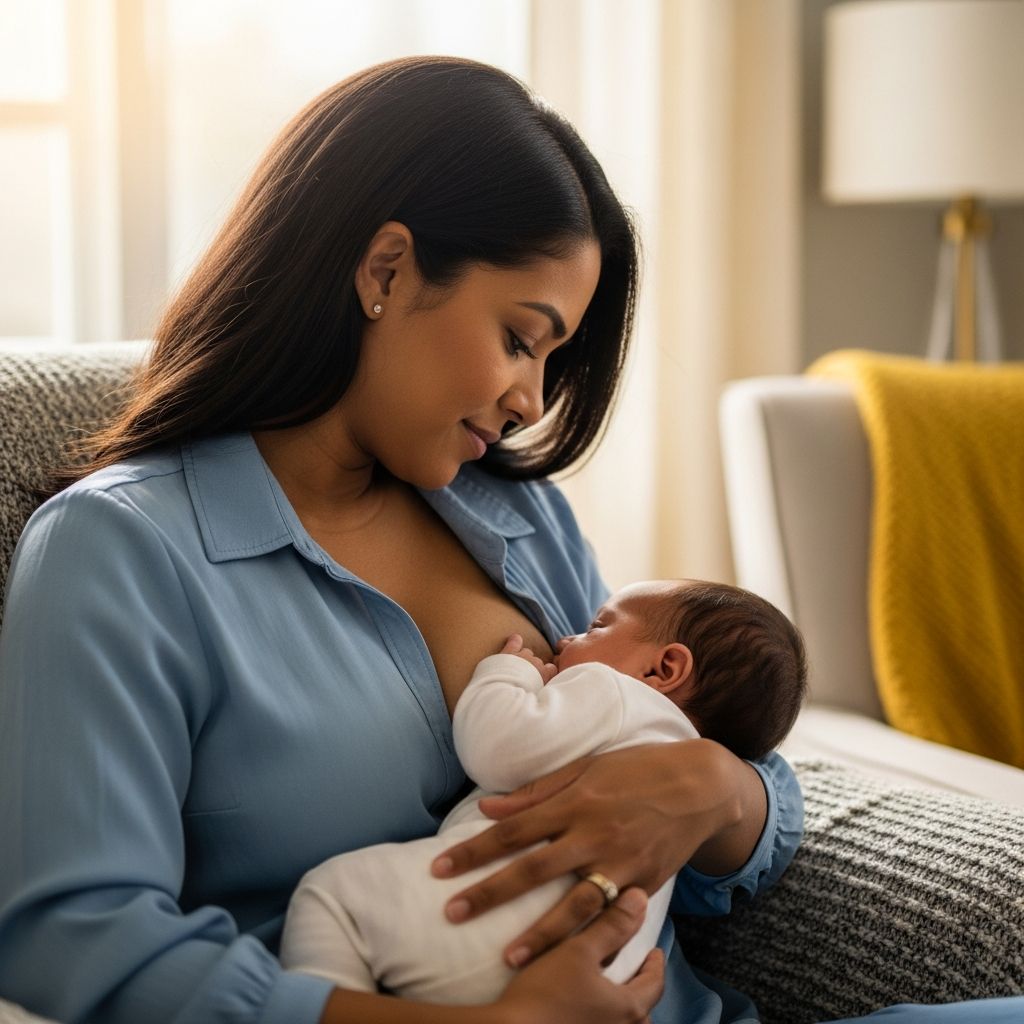
Parenthood transforms relationships profoundly. The primary caregiver, usually the mother, bonds intensely with the baby through feeding, soothing, and constant proximity. This creates a natural dyad that can unintentionally exclude the other partner. Hormonal changes, sleep deprivation, and relentless demands amplify this divide, making everyday interactions feel secondary.
Research from the American Psychological Association highlights how parental roles evolve post-birth, with mothers often taking lead in infant care while fathers support logistically. This division, while practical, can breed isolation if not addressed. Partners report feeling like ‘third wheels’ in their own homes, watching family moments unfold without full participation.
Common Signs You’re Feeling Disconnected
- Observing from the sidelines: Kids gravitate toward one parent, leaving you as the background helper.
- Declining physical affection: Hugs, kisses, or hand-holding with your partner dwindle amid fatigue.
- Decision fatigue exclusion: Major child-related choices happen without your input.
- Emotional exhaustion mismatch: Your partner unloads on friends or internally, bypassing you.
- Resentment buildup: Small frustrations like uneven chore splits fester into bigger rifts.
These signals aren’t failures; they’re cues for recalibration. Recognizing them early prevents deeper alienation.
Why This Happens: Biological and Social Factors
Biologically, oxytocin surges in breastfeeding mothers foster attachment to the baby, sometimes at the expense of spousal bonds. Fathers experience testosterone drops post-birth, shifting focus to protection and provision rather than play. Socially, cultural norms position mothers as nurturers, reinforcing these patterns.
A study by the CDC’s National Center for Health Statistics notes that 70% of new fathers feel underprepared for emotional shifts in partnership dynamics. Sleep loss exacerbates irritability, reducing empathy and communication bandwidth for both.
| Factor | Impact on Partners | Duration |
|---|---|---|
| Hormonal Changes | Intensified mother-baby bond | 3-6 months postpartum |
| Sleep Deprivation | Reduced patience and affection | Ongoing with young kids |
| Cultural Expectations | Fathers as providers, not co-nurturers | Lifelong if unchallenged |
| Work-Life Imbalance | Missed family milestones | Variable by career |
Steps to Reintegrate and Reconnect
Rebuilding starts with open dialogue. Schedule a calm ‘us time’ weekly to voice feelings without blame. Use ‘I’ statements: ‘I feel sidelined when decisions are made solo’ invites collaboration over defensiveness.
- Claim your parenting space: Initiate rituals like bedtime stories or morning routines to build kid connections.
- Offer targeted support: Take over specific tasks (e.g., baths, grocery runs) to lighten your partner’s load.
- Prioritize couple intimacy: Small acts like coffee dates or massages rebuild physical ties.
- Seek external balance: Enlist family or childcare for breathing room.
- Practice gratitude: Daily notes appreciating each other’s efforts combat negativity.
Practical Daily Habits for Stronger Bonds
Incorporate micro-moments: a 10-minute walk together post-dinner, shared meal prep, or tech-free evenings. Apps like ‘Gottman Card Decks’ prompt meaningful questions, fostering vulnerability.
For fathers specifically, engage in responsive parenting—mirroring baby cues builds secure attachments. A Harvard study shows involved dads improve child outcomes and marital satisfaction.
- Co-sleep safely if it suits your family for equitable night wakes.
- Tag-team outings: one handles kids while the other recharges.
- Celebrate wins together, like a potty-trained milestone.
Navigating Challenges with Empathy
Your partner’s overwhelm isn’t rejection; it’s survival mode. Postpartum mood disorders affect 1 in 7 mothers, per the CDC, straining dynamics. Encourage professional help if signs persist—therapy normalizes these phases.
Address your own mental health too. Fatherhood depression impacts 10% of new dads, manifesting as withdrawal. Resources like Postpartum Support International offer free support.
Long-Term Strategies for Family Harmony
View this as a season, not permanence. As kids age, roles balance naturally. Invest in shared goals: family vacations, hobby revivals, or couple’s counseling prevent drift.
Communal living experiments, like co-parenting pods, gain traction for equitable load-sharing. Data from the Pew Research Center indicates dual-income families with shared duties report higher satisfaction.
Frequently Asked Questions (FAQs)
What if talking about feelings leads to arguments?
Choose neutral times, use a mediator like a journal swap, or try couples therapy via apps like BetterHelp. Focus on teamwork.
How can I bond with my baby if I’m working full-time?
Quality over quantity: video calls, scent-imprinted items, and weekend immersions build attachment effectively.
Is it normal to feel jealous of the mother-child bond?
Yes, evolutionary psychology suggests paternal investment competes initially, but conscious effort shifts it to triadic bonding.
What if my partner dismisses my concerns?
Document patterns, suggest joint reading (e.g., ‘The Expectant Father’), and model change yourself to inspire reciprocity.
When should we seek professional help?
If disconnection persists 6+ months, resentment grows, or mood issues arise—early intervention preserves bonds.
Building a Resilient Partnership Beyond Parenthood
Parenthood tests but refines love. Emerge stronger by viewing challenges as co-adventures. Regular check-ins evolve into lifelong habits, ensuring no one feels sidelined.
Remember: your presence matters immensely. Kids notice, partners appreciate, families thrive when all voices harmonize.
References
- Parenting Stress and Partner Relationships — American Psychological Association. 2023-05-15. https://www.apa.org/topics/parenting/stress-partner-relationships
- Maternal and Infant Health — Centers for Disease Control and Prevention (CDC). 2025-02-10. https://www.cdc.gov/maternal-infant-health/index.html
- Father Involvement and Child Development — Harvard Graduate School of Education. 2024-11-20. https://www.gse.harvard.edu/news/24/11/father-involvement-child-development
- Perinatal Mental Health Resources — Postpartum Support International. 2026-01-05. https://postpartum.net/
- Parenting in America Today — Pew Research Center. 2024-07-12. https://www.pewresearch.org/social-trends/2024/07/12/parenting-in-america-today/