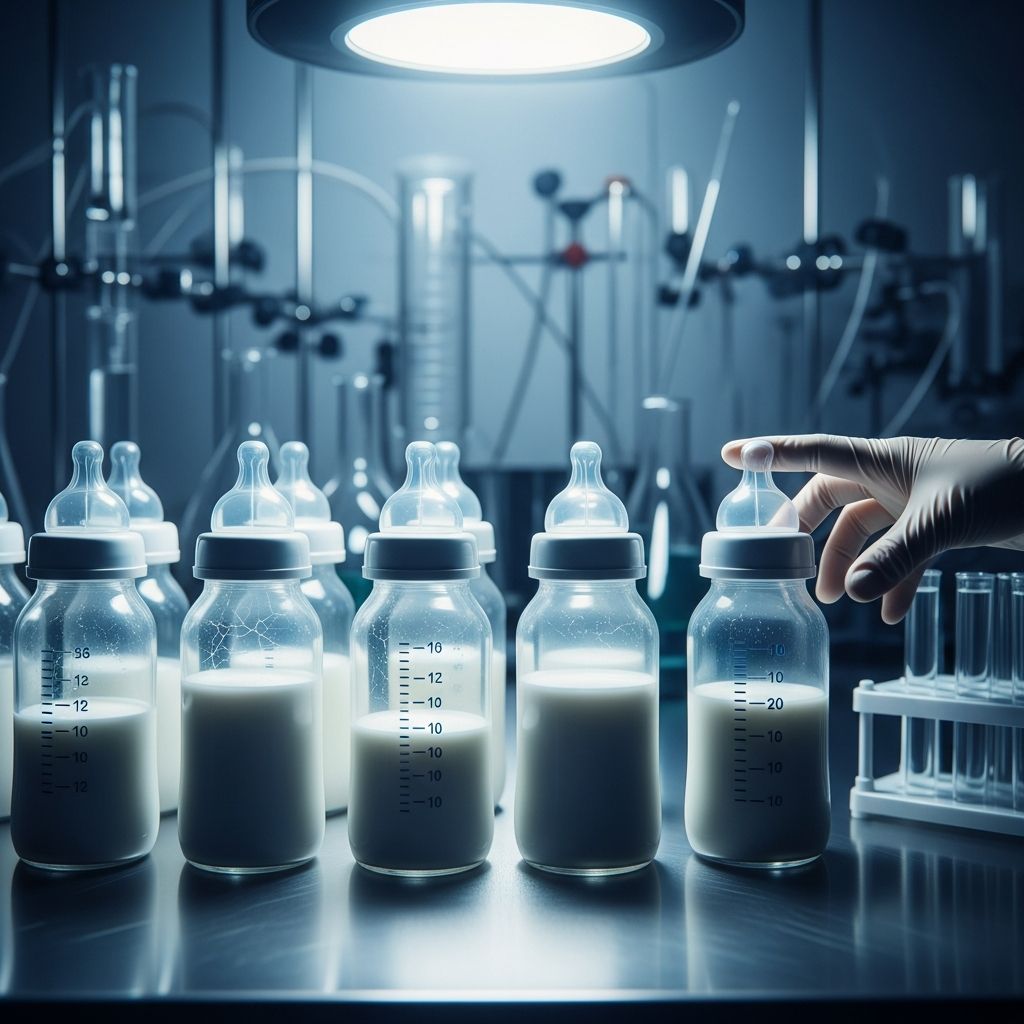
The U.S. Food and Drug Administration (FDA) temporarily suspended its Grade “A” milk proficiency testing program in April 2025, raising questions about dairy safety, especially for children who rely on milk as a nutritional staple. This pause affects lab certifications but does not halt routine milk testing, according to official statements.
Understanding the Proficiency Testing Suspension
Proficiency testing serves as a quality control mechanism for laboratories analyzing Grade “A” milk, ensuring accurate detection of contaminants like bacteria, antibiotics, and chemical residues. Labs receive spiked samples from the FDA, test them blindly, and compare results to known values; failure prompts retraining. The program, tied to the Pasteurized Milk Ordinance (PMO), covers tests such as Standard Plate Count, coliform levels, alkaline phosphatase for pasteurization verification, and drug residue screening.
In spring 2025, the FDA paused shipments due to internal lab transfers and staffing issues, marking a rare disruption. Samples typically arrive for analysis within 24 hours, with results due shortly after, simulating real-world conditions. While paused, states and industry continue daily testing under PMO guidelines adopted nationwide.
How Milk Safety Oversight Actually Works
Grade “A” milk undergoes multi-layered checks from farm to shelf. Bulk tankers are screened for antibiotics before processing, raw milk for bacterial counts, and pasteurized products for pathogens. Somatic cell counts monitor udder health, while coliforms flag sanitation issues.
- Farm-level: Pickup tankers tested for residues per PMO Appendix N.
- Processing: Pasteurization verified via phosphatase tests; finished products rechecked.
- Distribution: State regulators inspect plants regularly.
The proficiency program certifies labs performing these tests, but third-party evaluations and state oversight fill gaps during pauses. The FDA confirmed routine analyses persist, maintaining supply chain integrity.
Why Children Face Heightened Concerns
Young kids consume disproportionate milk volumes relative to body weight, amplifying risks from contaminants. Pathogens like Listeria or Salmonella pose severe threats to developing immune systems, potentially causing hospitalization. Even low antibiotic residues could foster resistance, a growing public health issue.
Nutritionally, milk provides calcium, vitamin D, and protein essential for bone growth, but parents worry if oversight lapses undermine trust. Infants on formula derived from milk face similar vulnerabilities.
Industry and Regulator Responses
Dairy groups like the International Dairy Foods Association (IDFA) and National Milk Producers Federation (NMPF) reassured consumers: “Rigorous testing continues throughout the supply chain.” Processors ramped up in-house rapid tests (e.g., Petrifilm, Charm kits) during the pause.
By late April 2025, the FDA resumed the program after transferring operations, minimizing long-term impact. The 2025 National Conference on Interstate Milk Shipments (NCIMS) discussed protocol tweaks, like standardizing sample numbers across methods.
| Stakeholder | Response | Key Quote |
|---|---|---|
| FDA | Paused PT; routine tests ongoing | “Will resume once transferred.” |
| IDFA | No alarm needed | “Stringent testing persists.” |
| Extension Services | Analyze implications | “Fallback state options exist.” |
| Dairy Processors | Boost internal labs | “Expanded rapid tech use.” |
Potential Long-Term Effects on Dairy Standards
This event highlights reliance on federal programs amid budget strains. States may enhance local proficiency via alternatives, per PMO provisions. Innovation in automated testers could reduce future disruptions.
For exports, certified labs ensure compliance; pauses prompted temporary internal verifications. Overall, U.S. milk remains among the world’s safest, per PMO’s century-long track record.
Practical Steps for Parents
While officials deem risks minimal, proactive measures empower families:
- Opt for pasteurized, Grade “A” labeled products.
- Choose organic or rBST-free if concerned about residues.
- Verify plant inspections via state ag department sites.
- Monitor kids for allergies or intolerances; diversify with yogurt, cheese.
- For infants, follow pediatrician formula guidance.
Pasteurization kills most pathogens, but proper storage (below 40°F) prevents post-process contamination.
Comparing Pre- and Post-Pause Testing
| Aspect | Before Pause | During Pause | After Resumption (2025) |
|---|---|---|---|
| Lab Certification | FDA PT annual | State/third-party | FDA resumed |
| Routine Milk Tests | Uninterrupted | Uninterrupted | Enhanced internal |
| Sample Types | Bacteria, drugs, cells | Same via locals | Standardized protocols |
Frequently Asked Questions
Is my store-bought milk safe during the FDA pause?
Yes, routine farm-to-shelf testing by states and industry continued unaffected.
Does this affect baby formula or cheese?
Indirectly; formulas use pasteurized milk bases under same PMO rules. Hard cheeses often safer due to aging.
How long was the proficiency program paused?
Announced April 21, 2025; resumed by late April per reports.
Should I switch to plant-based milks?
Not necessary if no allergies; dairy offers unique nutrients, but alternatives work with supplementation.
What if my child got sick from milk?
Report to local health dept; routine surveillance investigates outbreaks.
Broader Implications for Food Safety
This pause underscores vulnerabilities in lab networks, prompting calls for diversified proficiency options. As climate and supply chains evolve, resilient testing is crucial. Parents can advocate via FDA comments on PMO updates.
By late 2025, systems stabilized, but the episode boosted adoption of point-of-care diagnostics in dairy. Kids’ health hinges on vigilance, not panic.
References
- Suspension of FDA’s Grade “A” Milk Proficiency Testing Program: A Comprehensive Analysis — University of Wisconsin Extension. 2025-04. https://farms.extension.wisc.edu/articles/suspension-of-fdas-grade-a-milk-proficiency-testing-program-a-comprehensive-analysis/
- FDA Suspends Milk Quality Testing Amid Health and Human Services Cuts — Food Safety Magazine. 2025. https://www.food-safety.com/articles/10355-fda-suspends-milk-quality-testing-amid-health-and-human-services-cuts
- What Foodservice Professionals Need to Know about the FDA Milk Testing Changes — FoodHandler. 2025. https://foodhandler.com/what-foodservice-professionals-need-to-know-about-the-fda-milk-testing-changes/
- Rigorous Milk and Dairy Safety Testing Continues — International Dairy Foods Association (IDFA). 2025. https://www.idfa.org/news/rigorous-milk-and-dairy-safety-testing-continues
- Dairy’s Safety Net Snaps Back: FDA Reboots Critical Milk Tests — DairyCon Show. 2025-04-29. https://www.dairycon-show.com/news/dairys-safety-net-snaps-back-fda-reboots-critical-milk-tests
- FDA Milk Guidance Documents & Regulatory Information — U.S. Food and Drug Administration (FDA). Accessed 2026. https://www.fda.gov/food/guidance-documents-regulatory-information-topic-food-and-dietary-supplements/milk-guidance-documents-regulatory-information
- Pasteurized Milk Ordinance Centennial — U.S. Food and Drug Administration (FDA). Accessed 2026. https://www.fda.gov/food/milk-guidance-documents-regulatory-information/pasteurized-milk-ordinance-centennial