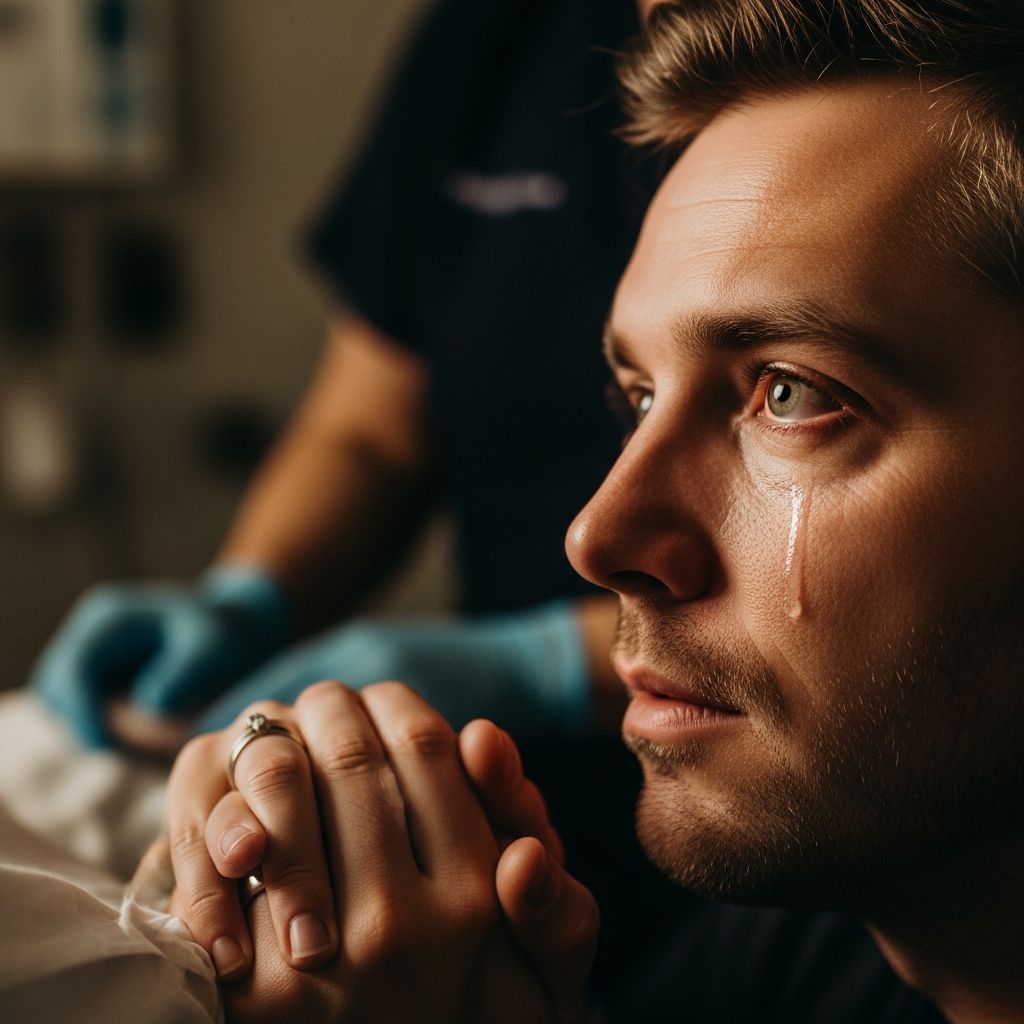
Understanding Paternal Emotions During Childbirth
The arrival of a child represents one of life’s most transformative moments, yet discussions about birth experiences often focus exclusively on the birthing parent. Fathers, partners, and support persons occupy a unique position during labor—they witness profound physical and emotional intensity while navigating their own complex internal landscape. Research indicates that childbirth is a deeply emotional event in fathers’ lives, characterized by a dynamic interplay of positive and negative feelings that shape their psychological well-being and family relationships.
Fatherhood begins not at birth but often during pregnancy and labor itself, when many men experience an awakening to the reality of parenthood. The emotional terrain fathers traverse during childbirth is multifaceted, encompassing joy, anxiety, helplessness, and profound connection. Understanding these experiences is crucial for supporting fathers through this critical life transition and recognizing their needs within the birth environment.
The Spectrum of Positive Emotions in the Delivery Room
Despite the challenges present during childbirth, research demonstrates that positive emotions predominate in fathers’ birth experiences. Approximately 94% of fathers report happiness at being present during their child’s birth, describing the experience as genuinely joyful and meaningful. This overwhelming positivity reflects the profound significance fathers attribute to witnessing their child’s arrival.
The presence of a father during labor benefits multiple parties within the birth experience. Studies show that 79.8% of fathers believe their attendance is beneficial for themselves, 85.5% perceive benefits for the birthing partner, and 73.6% recognize positive effects on their relationship. These perceived benefits translate into emotional rewards that many fathers describe as unparalleled in their life experiences.
Many fathers report that being present during childbirth creates a stronger emotional connection with both their partner and newborn. This sense of participation in the birth process fosters feelings of inclusion, purpose, and contribution during a moment of profound family transformation. The ability to provide emotional and physical support—holding their partner’s hand, offering encouragement, or simply bearing witness—generates a sense of agency and importance that counterbalances other difficult emotions fathers may experience simultaneously.
Confronting Fear and Vulnerability
While positive emotions dominate, fathers also experience genuine fear during childbirth. Approximately 36.5% of fathers report experiencing fear during labor, a substantial proportion that reflects the legitimate vulnerability many men feel in the delivery room. This fear stems from multiple sources: concern for the birthing partner’s well-being, uncertainty about the birth process, worry about potential complications, and anxiety about their capacity to be helpful.
A particularly significant challenge for fathers involves witnessing their partner’s pain and suffering. Research reveals that women’s pain is a crucial emotional issue for fathers, creating genuine distress as they struggle with the reality of their partner’s physical experience while feeling unable to adequately support or relieve that suffering. This dynamic—being present yet powerless—creates a poignant emotional conflict that many fathers find difficult to process.
The fear fathers experience during childbirth does not necessarily correlate with feelings of helplessness or being overwhelmed. Many fathers can acknowledge fear while maintaining emotional stability and functioning effectively as support partners. This distinction is important: fear during childbirth is a normal response to an intense situation rather than an indicator of inadequate coping mechanisms.
Navigating Helplessness and Overwhelm
Approximately 23% of fathers report feeling helpless during their partner’s labor, while 14.8% describe feeling overwhelmed by the situation. These percentages represent a significant minority of fathers who experience genuine difficulty managing the emotional demands of the birth environment. Helplessness often emerges from the fundamental reality that fathers cannot eliminate their partner’s pain or accelerate the labor process—they can only witness and support.
The helplessness some fathers experience is intrinsically linked to their desire to protect and support their partners. When faced with intense labor pain and medical procedures, fathers may feel that their presence and encouragement are insufficient, generating frustration and anxiety about their role’s adequacy. This emotional response reflects the depth of fathers’ investment in their partners’ well-being rather than any deficiency in their support capacity.
Feeling overwhelmed during childbirth involves a sense of emotional saturation where the intensity of the experience exceeds the father’s psychological capacity to process events in real time. The combination of emotional intensity, medical procedures, rapid decision-making, and physical exertion of the birthing process can create an overstimulating environment. However, the majority of fathers successfully navigate these challenging moments without lasting psychological damage.
Post-Traumatic Responses: Separating Myth from Reality
A critical finding in childbirth research concerns paternal mental health following delivery. Among 318 fathers surveyed using standardized post-traumatic stress assessments, not a single father met the diagnostic criteria for post-traumatic stress disorder (PTSD), despite approximately 8.5% reporting feeling traumatized by their experience. This distinction is important: experiencing trauma-like emotions during an intense event does not necessarily result in clinical post-traumatic stress.
While negative emotions such as fear and helplessness are present in many fathers’ birth experiences, these authentic emotional responses do not typically progress to pathological levels. The vast majority of fathers—96.2%—indicate they would choose to attend the birth of their next child, demonstrating that even those who experienced fear or helplessness during delivery perceive the overall experience as positive and would repeat it.
This finding challenges assumptions that fathers might be psychologically damaged by witnessing childbirth. Instead, research suggests that fathers possess considerable psychological resilience and capacity to integrate the birth experience into their developing identity as fathers, even when components of that experience are frightening or uncomfortable.
The Role of Support and Medical Environment
The quality of fathers’ emotional experiences during childbirth is significantly influenced by the medical environment and support they receive. Healthcare providers’ attitudes toward fathers’ presence, their willingness to include fathers in decision-making and care processes, and the overall tone of the delivery room substantially affect how fathers interpret and process their birth experience. Supportive medical staff who recognize fathers’ emotional needs can enhance positive feelings while minimizing unnecessary anxiety or helplessness.
When fathers feel that medical professionals respect their presence and value their support role, they report stronger positive emotions and greater confidence in their capacity to assist their partners. Conversely, when fathers perceive themselves as unwelcome or ignored within the birth space, they may experience increased helplessness and disconnection. The inclusion of fathers in the birth experience—through explanation of procedures, recognition of their support efforts, and acknowledgment of their emotional presence—significantly shapes their psychological outcome.
The supportive function fathers provide during labor plays a prominent role in their own emotional well-being. Fathers who successfully offer emotional comfort to their partners report experiencing stronger positive feelings about the birth and greater satisfaction with their role. This reciprocal relationship suggests that enabling fathers to meaningfully participate in labor support benefits both their partners’ birth experiences and their own psychological outcomes.
Prenatal Anxiety and Preparation for Birth
Fathers’ emotional experiences begin before labor itself. Research indicates that approximately 1 in 10 men experience prenatal anxiety, with higher prevalence during the first trimester when expecting fathers contemplate the approaching reality of parenthood. This prenatal anxiety can manifest as worry about finances, relationship changes, concerns about their capacity as fathers, or health-related fears for their partners and future children.
Preparation and education can substantially mitigate prenatal anxiety. Fathers who attend birth classes, understand labor processes, and discuss their roles with healthcare providers typically report greater confidence and reduced anxiety. This knowledge transfer transforms the unknown aspects of childbirth into familiar territory, decreasing fear stemming from uncertainty while building paternal confidence and sense of preparedness.
Prenatal emotional support for fathers is often overlooked in pregnancy care, despite evidence that fathers’ psychological well-being during pregnancy influences their birth experience and postpartum mental health. Creating space for fathers to voice concerns, ask questions, and develop realistic expectations about their role during labor can substantially improve their emotional resilience and satisfaction with the birth experience.
Biological Changes Supporting Paternal Bonding
Beyond the psychological realm, fathers experience biological changes during and after childbirth that support emotional bonding and engagement with their newborn. Research demonstrates that fathers experience elevated oxytocin levels over the first six months following childbirth, promoting physical and emotional closeness with their infant. This hormonal shift supports the development of secure attachment relationships and increases fathers’ motivation toward nurturing and caregiving behaviors.
Additionally, fathers experience declines in testosterone during their partner’s pregnancy and the postpartum period, changes that facilitate more sensitive parenting and reduced aggression. These hormonal transformations occur at the biological level, supporting the emotional work fathers must accomplish as they transition into active parenting roles. The interplay between biological changes and conscious emotional effort creates a foundation for deep paternal-infant bonding.
Risk Factors for Paternal Postpartum Depression
While most fathers experience positive overall birth experiences, some encounter significant postpartum mental health challenges. Approximately 1 in 10 new fathers experience depressive symptoms following childbirth, a rate that deserves greater recognition and treatment attention. Paternal postpartum depression differs from maternal postpartum depression in its presentation, often manifesting through irritability, anger, or withdrawal rather than obvious sadness or crying.
Several factors increase fathers’ risk for postpartum depression. When fathers’ partners experience postpartum depression, up to half show signs of depression themselves. Hormonal changes, financial stress, feeling disconnected from the mother and baby, and inadequate sleep all contribute to paternal depression risk. Additionally, men who struggle with anxiety during pregnancy face increased vulnerability to postpartum depression.
The presentation of depression in fathers frequently differs from typical depression stereotypes. Rather than displaying sadness, many fathers with postpartum depression exhibit irritability, mood swings, sudden anger outbursts, or emotional numbness and detachment. Some fathers increase work hours, substance use, or gaming as avoidance mechanisms, temporarily masking depression while ultimately delaying recovery. This presentation difference means that paternal postpartum depression often remains unrecognized and untreated.
Building Stronger Fathers Through Recognition and Support
Recognizing fathers’ emotional experiences during and after childbirth requires cultural shifts in how birth is discussed and supported. Medical professionals should explicitly consider fathers’ needs within the delivery environment, providing them with clear roles, meaningful participation opportunities, and emotional acknowledgment of their experience. Birth education should expand beyond labor preparation to include discussion of fathers’ likely emotional experiences and normalizing the range of feelings they may encounter.
Supporting fathers through the transition to parenthood requires acknowledging both their strengths and vulnerabilities. Fathers need permission to experience fear, helplessness, or overwhelm without judgment, alongside recognition of their powerful positive emotions and capacity for meaningful engagement. Creating space for fathers to process their birth experiences—through conversations with partners, healthcare providers, or peer support—facilitates integration of the experience into their developing paternal identity.
The overwhelming majority of fathers—96.2%—choose to attend the births of subsequent children, demonstrating that even those who experienced challenging emotions during delivery perceive lasting value in the experience. This statistic reflects fathers’ capacity to find meaning and profound connection despite the difficulties inherent in childbirth. Supporting fathers’ emotional well-being during this critical transition honors their fundamental human need for recognition, inclusion, and acknowledgment of the transformative experience birth represents.
Frequently Asked Questions
Q: Is it normal for fathers to feel scared during childbirth?
A: Yes, absolutely. Approximately 36.5% of fathers experience fear during labor, making it a common response to an intense and unpredictable situation. Fear does not indicate inadequacy as a support partner and typically does not lead to lasting psychological harm.
Q: Can fathers develop post-traumatic stress from witnessing childbirth?
A: Clinical post-traumatic stress disorder rarely develops in fathers following childbirth. While 8.5% of fathers report feeling traumatized, research shows that none meet the diagnostic criteria for PTSD. Experiencing intense emotions during birth is different from developing a psychological disorder.
Q: What percentage of fathers feel helpless during labor?
A: Approximately 23% of fathers report feeling helpless during their partner’s labor. This feeling often stems from the inability to eliminate their partner’s pain, rather than actual inadequacy in providing support.
Q: How common is postpartum depression in fathers?
A: Research indicates that approximately 1 in 10 new fathers experience postpartum depression. This condition often presents differently in men than women, frequently manifesting as irritability or anger rather than sadness.
Q: How can fathers prepare emotionally for childbirth?
A: Fathers can reduce anxiety through childbirth education classes, discussing their role with healthcare providers, learning about the labor process, and creating realistic expectations about what to expect. Prenatal conversations with partners about their support needs also help fathers prepare psychologically.
Q: Do fathers benefit from attending childbirth?
A: Yes. Approximately 79.8% of fathers perceive personal benefits from attending birth, 85.5% see benefits for their partner, and 73.6% report positive effects on their relationship. Most fathers view the birth experience as transformative and meaningful.
References
- Birth experience from the perspective of the fathers — National Center for Biotechnology Information (NCBI/PMC). 2020. https://pmc.ncbi.nlm.nih.gov/articles/PMC7524830/
- Male Postpartum Depression: Signs, Treatment, Practical Support — BrightSide. 2024. https://www.brightside.com/blog/male-postpartum-depression/
- Paternal postpartum depression and anxiety — UT Southwestern Medical Center. 2024. https://utswmed.org/medblog/paternal-postpartum-depression/
- How Becoming a Dad Changes Men — Psychology Today. April 2023. https://www.psychologytoday.com/us/blog/thoughts-and-feelings/202304/being-more-involved-affects-new-fathers-biologically
- How pregnancy can affect dads and partners — Tommy’s. 2024. https://www.tommys.org/pregnancy-information/dads-and-partners/how-pregnancy-affects-you