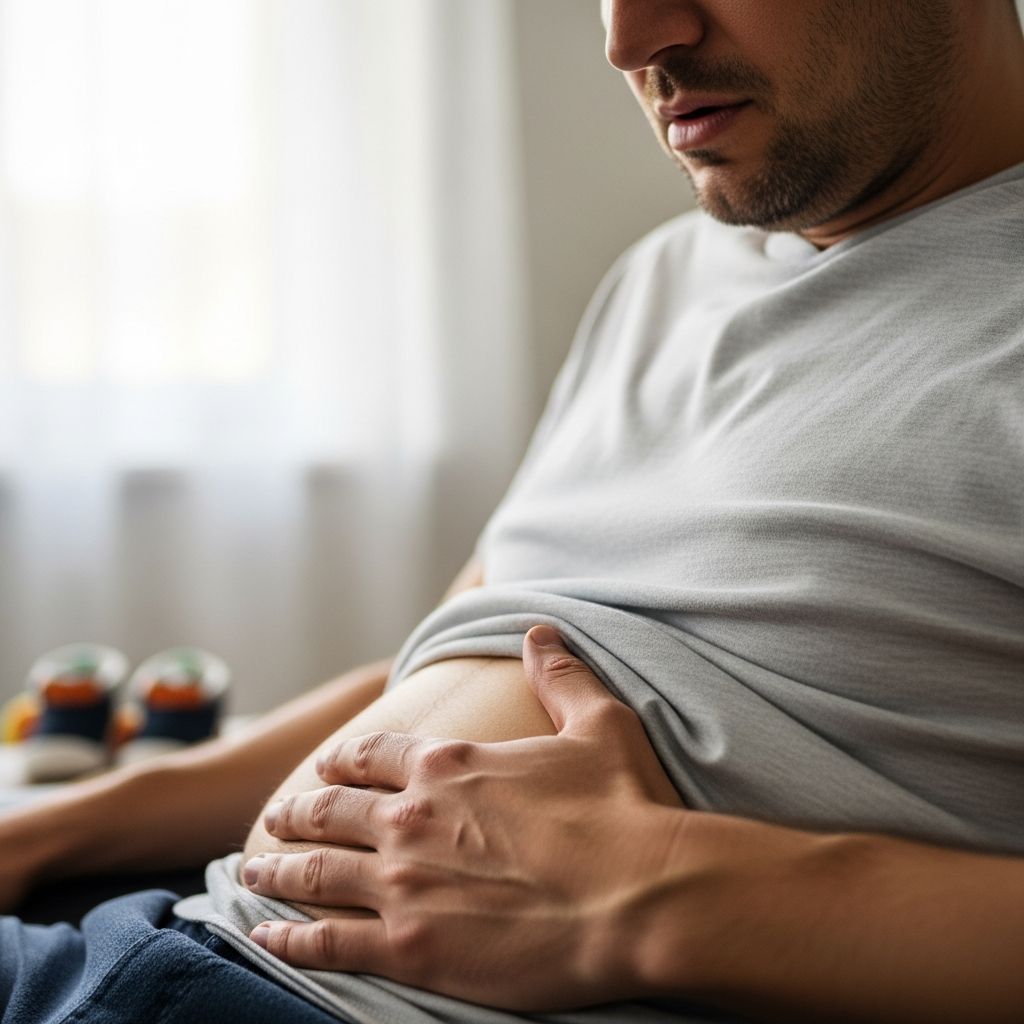
Becoming a father marks a profound life shift, but it often comes with unintended physical consequences, particularly weight gain. Research shows that men transitioning to parenthood frequently add pounds, sometimes mirroring their partner’s pregnancy journey in unexpected ways. This phenomenon, rooted in behavioral, hormonal, and psychological changes, can influence health for years if unaddressed. Understanding these dynamics empowers dads to take control and model healthy habits for their families.
The Hidden Toll of New Fatherhood on Your Body
The arrival of a child reshapes daily routines, priorities, and even physiology. Studies indicate fathers gain more weight than childless men of similar age, with perinatal periods—spanning pregnancy and early postpartum—being particularly vulnerable. This isn’t mere coincidence; multiple interconnected factors drive this trend, setting the stage for midlife obesity risks if patterns persist.
Unlike maternal weight changes tied to pregnancy biology, paternal gains stem from lifestyle disruptions and biological responses. Sleep deprivation from newborn care, reduced exercise opportunities, and dietary shifts toward convenience foods contribute significantly. Moreover, hormonal fluctuations, such as declining testosterone, promote fat storage over muscle maintenance. These changes compound with natural aging, amplifying weight creep between ages 30 and 55, a prime fatherhood window.
Unpacking the Science: Behavioral Drivers of Dad Weight Gain
Daily habits transform dramatically with fatherhood. New parents average far less sleep, often fragmented into short bursts, which disrupts metabolism and increases hunger hormones like ghrelin while suppressing satiety signals from leptin. This sleep deficit alone can lead to 5-10 pounds of annual gain if unchecked.
Physical activity plummets as dads prioritize family duties over gym time. Research highlights that fathers engage in 20-30% less moderate-to-vigorous exercise post-baby compared to pre-parenthood baselines. Meanwhile, diets skew toward high-calorie, processed options—think late-night takeout or stress-snacking—mirroring or even exceeding partners’ cravings during pregnancy.
- Sleep disruption: Newborn feedings and cries interrupt restorative rest, elevating cortisol and cravings for sugary, fatty foods.
- Activity decline: Time constraints replace workouts with baby-rocking or diaper changes.
- Dietary drift: Shared family meals often feature comfort foods; dads may unconsciously match their partner’s nutritional adjustments.
These behavioral shifts create a perfect storm, but awareness is the first step to reversal. Tracking habits via apps can reveal patterns, enabling targeted interventions.
Hormonal Havoc: How Fatherhood Rewires Your Chemistry
Beyond habits, biology plays a starring role. Testosterone levels in new fathers drop markedly—sometimes by 25-30% in the first months postpartum—to foster nurturing behaviors like bonding and responsiveness. While adaptive for parenting, low testosterone reduces muscle mass, slows metabolism, and favors abdominal fat accumulation, the most dangerous type linked to heart disease and diabetes.
Cortisol, the stress hormone, surges amid parenthood pressures, promoting insulin resistance and visceral fat storage. Prolactin, typically associated with lactation, rises in some dads, potentially amplifying emotional sensitivity and appetite changes. These shifts echo Couvade syndrome, where expectant fathers report pregnancy-like symptoms including weight gain, nausea, and cravings.
| Hormone | Change During Fatherhood | Impact on Weight |
|---|---|---|
| Testosterone | Declines significantly | Loss of muscle, increased fat storage |
| Cortisol | Elevates with stress | Abdominal fat gain, appetite increase |
| Prolactin/Oxytocin | Increases for bonding | Emotional eating, reduced energy |
| Dopamine | Surges with baby interactions | Motivates caregiving over self-care |
These adaptations, while evolutionarily useful for infant survival, demand modern countermeasures to mitigate health risks.
Couvade Syndrome: When Dads Feel the Pregnancy Too
Couvade syndrome captures the eerie mimicry some fathers experience: weight gain, digestive issues, fatigue, and mood swings akin to their partner’s. Affecting up to 25-50% of expectant dads, it manifests physically (e.g., appetite surges, toothaches) and psychologically (e.g., anxiety, irritability).
Theories abound: hormonal syncing via pheromones or empathy; psychological ‘loading’ where dads absorb partner’s discomfort; or cultural involvement in prenatal care heightening symptom awareness. First-time fathers and those deeply engaged in pregnancy classes report higher incidences, suggesting emotional investment amplifies effects.
Though not a formal diagnosis, Couvade underscores fatherhood’s psychosomatic impact. Symptoms often peak in the first trimester and resolve post-birth, but associated weight gain lingers without intervention.
Long-Term Risks: Why Dad Bod Matters Beyond Aesthetics
Pounds packed in early fatherhood predict midlife trajectories. Paternal obesity correlates with children’s BMI, perpetuating intergenerational patterns—healthy dads raise healthy kids. Excess weight elevates risks for hypertension, type 2 diabetes, sleep apnea, and cardiovascular disease, straining family life when energy wanes.
Mental health suffers too: low testosterone links to depression, compounding sleep loss and stress. Proactive management preserves vitality for active parenting, work, and relationships.
Action Plan: 7 Strategies to Outsmart Fatherhood Weight Gain
- Prioritize Sleep Hygiene: Aim for 7-9 hours via shift parenting, naps, and blackout routines. Quality rest regulates hunger and hormones.
- Reclaim Movement: Integrate micro-workouts—10-minute HIIT sessions, stroller walks, or babywearing squats. Consistency trumps intensity.
- Optimize Nutrition: Focus on protein-rich meals (eggs, lean meats, legumes), veggies, and whole grains. Prep batch meals to dodge takeout traps.
- Manage Stress: Practice mindfulness, deep breathing, or short meditations. Cortisol control prevents emotional eating.
- Track and Partner Up: Use apps for logging; involve your spouse in mutual goals, as synced behaviors amplify success.
- Monitor Hormones: Schedule annual checkups; discuss testosterone if fatigue persists.
- Build Support: Join dad groups for accountability and shared tips.
Start small: one change weekly builds momentum without overwhelming new-parent chaos.
Real Dad Wins: Success Stories and Evidence
Studies affirm reversibility. In one trial, fathers adopting structured exercise and diet postnatally shed 10-15 pounds within six months, boosting testosterone and mood. Another showed couple-based interventions—joint meal prepping and walks—doubled adherence rates. These outcomes prove fatherhood fat is beatable with science-backed tactics.
Frequently Asked Questions About Dad Weight Gain
Is weight gain inevitable for new fathers?
No—while common, it’s driven by modifiable factors like sleep and diet. Proactive dads maintain or lose weight.
What is Couvade syndrome exactly?
A condition where expectant fathers experience pregnancy-like symptoms, including weight gain, due to hormonal or empathetic responses.
How much weight do dads typically gain?
Average 3-10 pounds perinatally, more if habits slip; fathers weigh 5-10% more than non-fathers long-term.
Can exercise alone reverse dad bod?
Exercise builds muscle and burns fat, but pair with diet and sleep for optimal results.
Does dad weight affect kids?
Yes—paternal BMI strongly predicts child obesity; healthy modeling matters.
References
- The weight of fatherhood: identifying mechanisms to explain paternal perinatal weight gain — Health Psychology Review. 2018-06-11. https://pubmed.ncbi.nlm.nih.gov/29712505/
- What Effect Does Pregnancy Have on Fathers? — Cal Poly Kinesiology. Accessed 2026. https://kinesiology.calpoly.edu/content/research/fathers-during-pregnancy
- Dad Bod: How Fatherhood Can Change Men’s Bodies — Henry Ford Health Blog. 2019-11. https://www.henryford.com/Blog/2019/11/Dad-Bod-What-You-Should-Know
- Couvade syndrome — Naître et grandir. Accessed 2026. https://naitreetgrandir.com/en/pregnancy/first-trimester/couvade-syndrome/
- Couvade Syndrome: When Men Experience Pregnancy Symptoms — Pampers. Accessed 2026. https://www.pampers.com/en-us/pregnancy/pregnancy-symptoms/article/couvade-syndrome
- Couvade syndrome — Wikipedia. Accessed 2026. https://en.wikipedia.org/wiki/Couvade_syndrome