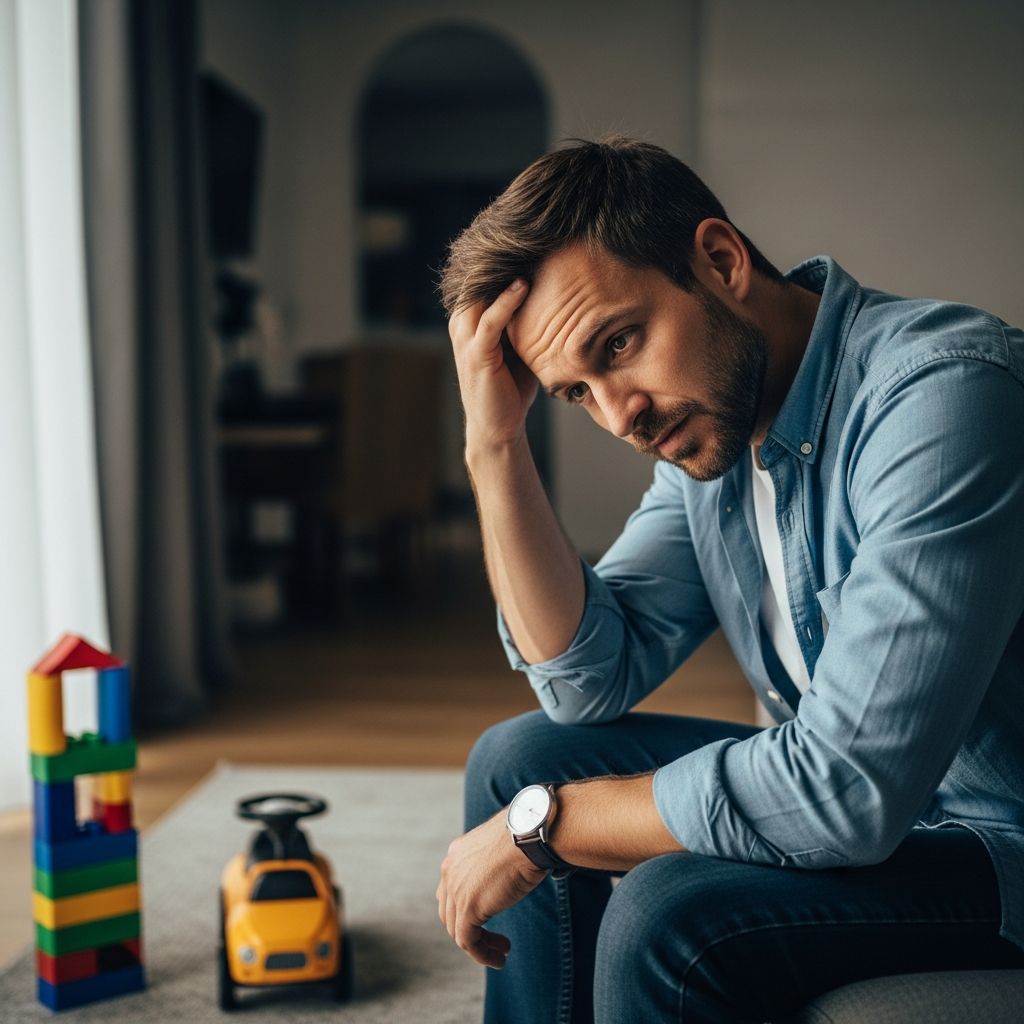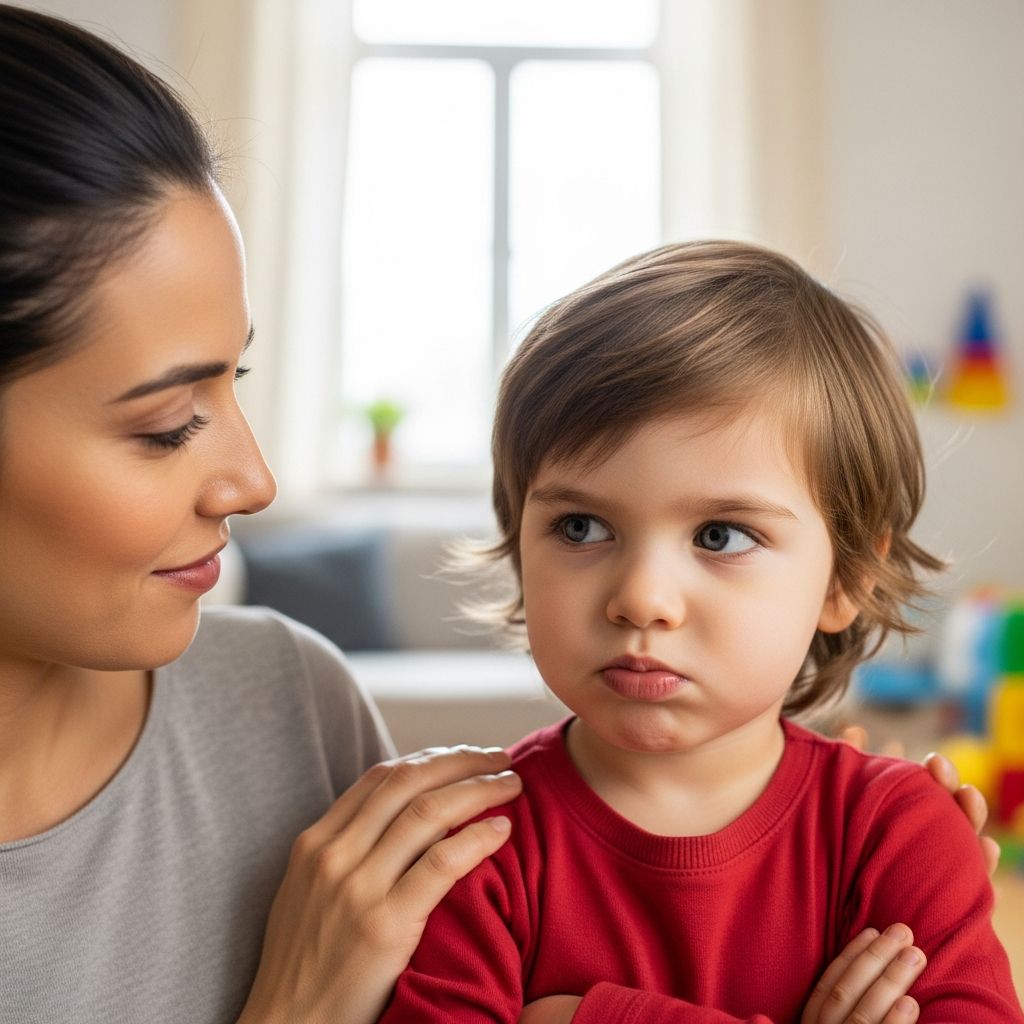
Modern fathers play a pivotal role in shaping their sons’ emotional landscapes, navigating complex psychological dynamics that influence lifelong development. Understanding these intricacies equips dads to build resilient, confident boys who thrive in today’s world.
Understanding Core Father-Son Psychological Dynamics
The father-son relationship forms a cornerstone of a boy’s identity formation, often marked by intense emotional undercurrents from infancy through adolescence. Research highlights how fathers’ emotional engagement directly impacts children’s security and emotional intelligence. Boys observe and internalize their fathers’ responses to stress, modeling behaviors that either promote resilience or perpetuate anxiety.
Historically rooted theories describe early tensions where young boys experience subconscious competition for maternal attention, fostering a drive for independence through paternal identification. Contemporary views emphasize that active father involvement mitigates potential conflicts, turning rivalry into mutual respect and growth.
- Emotional mirroring: Sons replicate fathers’ coping mechanisms, underscoring the need for healthy expression.
- Security foundation: Consistent presence builds self-esteem, reducing risks of behavioral issues.
- Independence catalyst: Boundaries set by dads encourage autonomy without resentment.
Fathers who prioritize mental well-being create stable homes, where boys develop superior emotional regulation skills, as evidenced by studies on family dynamics. This bond extends beyond childhood, influencing adult relationships and mental health.
Evolving Challenges in Contemporary Fatherhood
Today’s dads juggle multifaceted roles—provider, caregiver, emotional anchor—amid shifting societal norms. Balancing career demands with family time often leads to stress, guilt, and feelings of inadequacy. Traditional masculinity ideals discourage vulnerability, yet suppressing emotions exacerbates mental health strains.
| Challenge | Impact on Fathers | Effect on Sons |
|---|---|---|
| Work-life imbalance | Increased anxiety, reduced family engagement | Perceived emotional absence, mimicking stress patterns |
| Societal expectations | Role strain, self-doubt | Confused identity models, higher insecurity |
| Emotional suppression | Depression risk, isolation | Learned avoidance of feelings, relational difficulties |
Non-residential or blended family structures compound these issues, with separation linked to diminished well-being for both fathers and sons. Active co-parenting and regular contact serve as protective factors, preserving rewarding aspects of the relationship.
The Profound Influence on Sons’ Development
A father’s psychological state ripples through his son’s growth trajectory. Involved dads correlate with enhanced social adjustment, academic success, and fewer behavioral problems. Conversely, uninvolved or stressed fathers heighten risks of self-concept issues, aggression, and health complaints in boys.
From infancy, paternal depression manifests in offspring via negative interactions, persisting into adolescence with elevated anxiety and depression rates. Secure attachments formed through attuned fathering buffer these risks, promoting emotional intelligence and resilience. Boys with emotionally present fathers exhibit stronger peer relationships and adaptive coping.
- Positive modeling reduces psychosomatic symptoms like headaches and stomach issues.
- Consistent discipline fosters self-regulation, curbing externalizing behaviors.
- Long-term benefits include better life outcomes, from employment stability to mental health.
Strategies for Strengthening Father-Son Connections
Dads can proactively address psychological tensions by fostering open communication and shared activities. Regular one-on-one time—playing sports, discussing feelings—builds trust and models vulnerability. Setting firm yet empathetic boundaries helps boys navigate rivalry, channeling energy into achievement.
Self-care is non-negotiable: exercise, therapy, and peer support networks alleviate stress, enabling fuller presence. Fathers in transition, like post-separation, benefit from maintaining routines and positive co-parenting to safeguard bonds.
- Daily rituals: Bedtime stories or walks encourage emotional sharing.
- Active listening: Validate sons’ feelings to diffuse competition.
- Role modeling: Demonstrate healthy conflict resolution with partners.
- Professional help: Seek counseling for persistent strains.
These practices transform potential conflicts into opportunities for growth, aligning with evidence that engaged fatherhood enhances family-wide well-being.
Navigating Adolescence: Peaks of Emotional Intensity
Puberty amplifies father-son dynamics, with hormonal shifts intensifying independence quests and perceived rivalries. Sons may challenge authority, testing boundaries as they forge identities. Dads who respond with patience rather than power struggles guide this phase effectively.
Mental health vigilance is crucial; adolescent boys of stressed fathers face amplified risks. Encourage hobbies, mentorships, and open dialogues about pressures like school or peers. This support prevents isolation, fostering mature emotional navigation.
Paternal Mental Health: The Linchpin of Family Health
Fatherhood both rewards and challenges psychological well-being. Transition to parenthood elevates stress, with single or separated dads reporting higher depression and lower satisfaction. Yet, intact, involved fathering boosts resources like purpose and social bonds.
Protective steps include partner communication, work flexibility, and stigma-breaking discussions. When fathers thrive mentally, sons gain models of perseverance, reducing intergenerational mental health transmission.
Frequently Asked Questions (FAQs)
What causes tension in father-son relationships during early years?
Subconscious drives for attention and independence create natural rivalries, resolved through consistent, loving engagement that promotes identification and security.
How does a father’s stress affect his son’s behavior?
Sons mirror stress, leading to anxiety, aggression, or withdrawal; proactive mental health management breaks this cycle.
Can separated dads maintain strong bonds with sons?
Yes, via regular contact, shared custody, and positive co-parenting, which protect against well-being declines.
What activities best build emotional closeness?
Shared adventures like hiking, gaming, or heartfelt talks validate emotions and strengthen trust.
Is therapy recommended for father-son conflicts?
Absolutely, family therapy addresses root issues, improving communication and reducing resentment.
Long-Term Rewards of Intentional Fathering
Investing in these dynamics yields enduring fruits: sons who excel relationally, professionally, and emotionally. Fathers report profound fulfillment from witnessing their boys’ triumphs, reinforcing the cycle of positive psychology. Modern fatherhood demands adaptability, but the payoff—a legacy of strength and empathy—is immeasurable.
References
- Modern Fatherhood & Mental Health: How Today’s Dads Support… — Davenport Psychology. 2025-10-20. https://davenportpsychology.com/2025/10/20/the-evolving-role-of-fathers/
- A Father’s Impact on Child Development — Children’s Bureau. N/A. https://www.allforkids.org/news/blog/a-fathers-impact-on-child-development/
- Contemporary Fatherhood: Consequences for Paternal Well-being — PMC/NCBI. 2016-09-15. https://pmc.ncbi.nlm.nih.gov/articles/PMC5020060/
- The Impact of Fatherhood on Men’s Health and Development — The Fatherhood Project. N/A. https://thefatherhoodproject.org/the-impact-of-fatherhood-on-mens-health-and-development/
- Why protecting fathers’ mental health is so important — American Heart Association. 2024-06-13. https://www.heart.org/en/news/2024/06/13/why-protecting-fathers-mental-health-is-so-important
- The psychology behind being a dad and its effects on fathers themselves — In-Mind Magazine. N/A. https://www.in-mind.org/article/the-psychology-behind-being-a-dad-and-its-effects-on-fathers-themselves
- The changing role of the modern day father — American Psychological Association. N/A. https://www.apa.org/pi/families/resources/changing-father