The Enchanted Nursery: Why Fantasy Names Dominate 2026
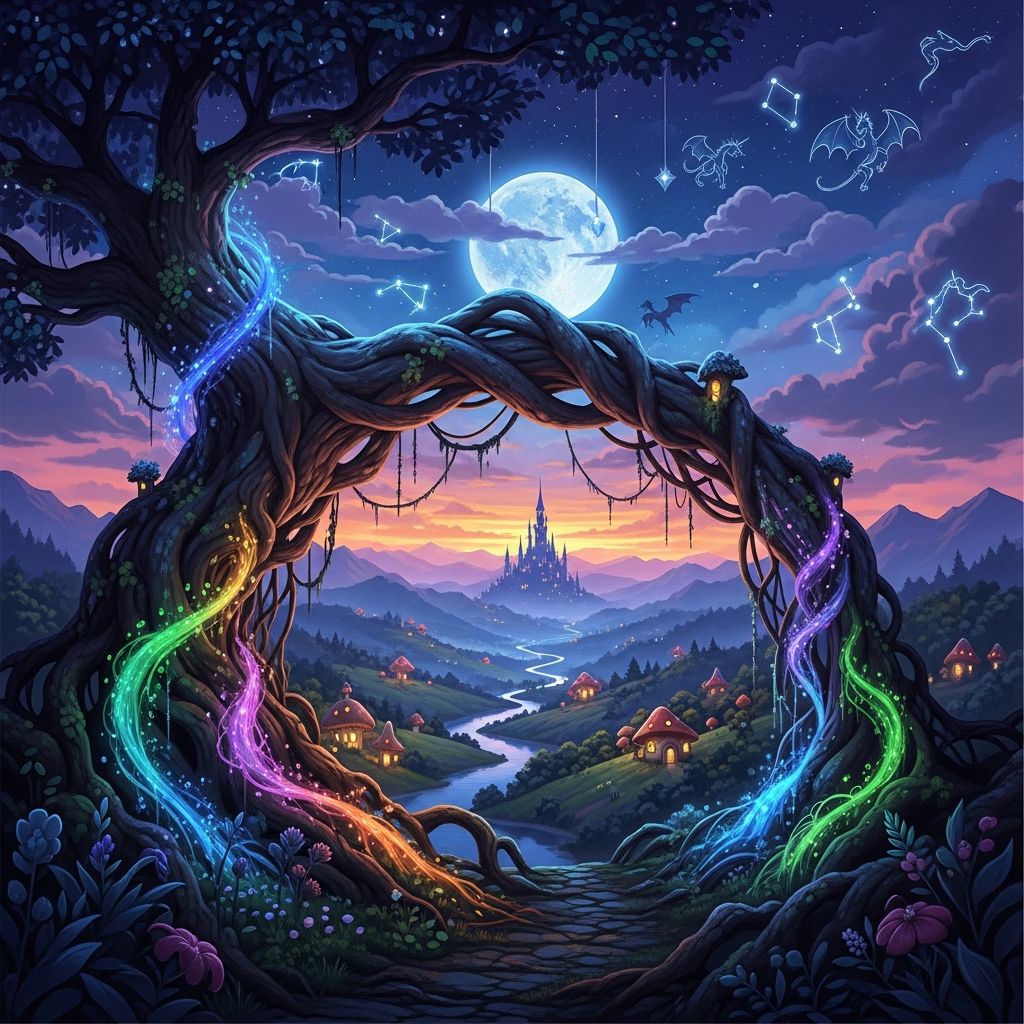
The landscape of baby naming has undergone a dramatic transformation in recent years, with parents increasingly drawn to names that evoke wonder, magic, and otherworldly beauty. As we progress through 2026, a remarkable shift has become evident: fantasy-inspired nomenclature is no longer a niche choice but a mainstream phenomenon reshaping how parents approach the momentous task of naming their children. This cultural movement reflects deeper trends in entertainment, literature, and the collective desire for escapism in an increasingly complex world.
The surge in fantasy-based naming represents more than a passing fad. It signals a generational shift toward names that carry narrative weight, emotional resonance, and a sense of adventure. Parents today are not simply selecting names from traditional lists; they are crafting identities that celebrate imagination, literary achievement, and the characters that have captured their hearts and minds.
Understanding the Romantasy Phenomenon and Its Impact on Baby Names
The term “romantasy” has emerged as perhaps the most significant force shaping baby naming trends in 2026. This genre fusion—combining the emotional intensity of romance with the expansive world-building of epic fantasy—has captivated millions of readers, particularly through BookTok and online reading communities. The genre’s explosive growth has directly translated into naming choices, with parents seeking to capture the ethereal, romantic quality these stories embody.
Literary franchises have become the primary source of inspiration for contemporary parents. Sarah J. Maas’s “A Court of Thorns and Roses” (ACOTAR) universe stands as the dominant force in this movement. With over 38 million copies sold worldwide, the series has introduced names like Feyre, Rhysand, and Cassian to an entire generation of future parents. These names possess a particular quality: they sound distinctly fantastical while remaining pronounceable and usable in real-world contexts. Similarly, Rebecca Yarros’s “Fourth Wing” series has demonstrated remarkable influence, with the name Xaden experiencing a surge of over 500 percent in usage following the book’s release and subsequent TikTok Book Award recognition.
What makes romantasy names particularly appealing to modern parents is their dual nature. They satisfy the desire for uniqueness and imaginative flair while maintaining enough accessibility that children can navigate everyday life without constant pronunciation corrections. This balance represents the sweet spot in contemporary baby naming—distinctive without being impractical.
The Literary Corridor: Names Beyond Romantasy
While romantasy dominates current trends, the broader landscape of literary inspiration extends far beyond this single genre. Classic literature, fantasy epics, and contemporary young adult fiction all contribute to the naming zeitgeist. Parents increasingly draw from beloved books that shaped their own childhoods and continue to influence their cultural consumption.
Regency romance and historical fiction have experienced a particular renaissance, partly due to the unprecedented popularity of streaming adaptations like “Bridgerton.” This phenomenon has introduced a wave of names with aristocratic undertones and period elegance. Names such as Penelope, Colin, Eloise, and Francesca have climbed popularity charts, carrying with them the charm and refinement associated with historical romance narratives. These selections reflect a parental desire to instill a sense of timeless elegance and narrative sophistication in their children’s identities.
The influence of contemporary fantasy series, particularly those appealing to young adults, cannot be understated. The “Percy Jackson” franchise revival through Disney Plus adaptation has rekindled interest in mythologically-rooted names. This demonstrates how media adaptations serve as powerful catalysts for naming trends, bringing literary works to broader audiences and consequently elevating the visibility of their character names.
Nature, Mythology, and Whimsy: Diverse Sources of Inspiration
While literary characters dominate discussions about fantasy naming, parents also draw from an expanded palette of inspirational sources. Nature-based names with fantastical flourishes represent a significant trend, reflecting contemporary values regarding environmental consciousness and outdoor engagement. Names like River, Atlas, and Wilder appeal to parents who wish to instill a connection to the natural world while maintaining an adventurous, boundary-pushing quality.
Mythological inspiration continues to resonate with naming decisions. Ancient civilizations, from Greek and Roman traditions to Norse mythology, provide rich repositories of names laden with historical weight and archetypal significance. These choices offer parents the opportunity to connect their children to timeless narratives and legendary figures, creating a bridge between ancient wisdom and contemporary identity.
A particularly intriguing trend involves the modernization of virtue names through a fantastical lens. Where previous generations might have chosen simple virtue names like Hope or Charity, contemporary parents are selecting evolved versions: Fable, Blythe, and Storie represent word-based names that carry aspirational meaning while sounding distinctly modern and narrative-driven. This innovation allows parents to maintain the intentionality of virtue naming while embracing contemporary sensibilities and linguistic creativity.
The Escapism Factor: Why Parents Seek Magical Names
A crucial insight into the fantasy naming surge lies in understanding the psychological appeal of escapism. As families navigate increasingly complex technological landscapes, economic uncertainty, and information overload, the appeal of names evoking magical worlds and fantastical journeys becomes apparent. Parents are not simply choosing names; they are curating symbols of possibility, wonder, and transcendence for their children.
This escapist impulse manifests across multiple naming categories. Whether selecting ACOTAR-inspired names, Fourth Wing characters, or nature-based fantasy names, parents seek to instill a sense that their children’s identities contain within them seeds of adventure and extraordinary potential. The names themselves become talismans, carrying forward the dreams and imaginative aspirations of their parents into the world.
The cultural moment of 2026 particularly amplifies this trend. Media consumption patterns increasingly favor immersive fantasy worlds, whether through books, streaming television, or social media-driven reading communities. Parents who have invested emotionally in these fictional universes naturally gravitate toward commemorating that investment through their naming choices.
Top Enchanted Names Taking Flight in 2026
| Name | Origin & Meaning | Inspiration Source | Popularity Trend |
|---|---|---|---|
| Feyre | Welsh origin, meaning unknown but evokes fairy-like qualities | ACOTAR series | Rising sharply |
| Rhysand | Welsh-inspired fantasy name | ACOTAR series | Established among fantasy fans |
| Xaden | Modern invention with X-starting boldness | Fourth Wing series | 500%+ surge in usage |
| Violet | English, referring to the flower; symbolizes modesty and virtue | Fourth Wing protagonist; 2025 bestseller influence | Top 20, accelerating |
| Seraphina | Hebrew origin, meaning “fiery” or “ardent” | Romantasy tradition | Growing steadily |
| Evangeline | Greek origin, meaning “good news” | Romantasy and historical romance | Rising |
| Cassian | Latin origin, meaning “curly-headed” | ACOTAR series | Strong recognition among target parents |
| Elowen | Cornish origin, meaning “elm tree” | Nature-inspired fantasy | Emerging trend |
Character-Inspired Selections: Bridgerton’s Aristocratic Appeal
The “Bridgerton” phenomenon deserves particular attention as a case study in how visual media shapes naming trends. The Netflix series has introduced a new generation to Regency-era naming conventions, creating renewed interest in names that were previously considered dated or overly formal. Daphne, Penelope, Colin, and Francesca have transitioned from historical artifacts to contemporary choices embraced by modern parents seeking elegance with romantic historical associations.
These Bridgerton-inspired names offer several advantages. They carry immediate associations with beloved characters and compelling narratives. They possess genuine historical authenticity, appealing to parents who value names with substantive roots. Finally, they balance distinctive appeal with social acceptability; these names stand out without appearing eccentric or difficult to navigate in practical contexts.
Irish and Welsh variants featured in this series, such as Siobhan, Saoirse, and Rhiannon, add additional layers of cultural richness and linguistic beauty. These names appeal to parents seeking cultural connection or ancestral resonance alongside fantastical associations.
Gender Expression and Fantasy Naming
An important consideration in contemporary fantasy naming involves the evolution of gender-neutral and cross-gender naming practices. Names like Cassian, Brennan, and Dain carry masculine associations but increasingly appear in conversations about fantasy naming regardless of the child’s gender. Similarly, traditionally feminine names like Violet are appreciated across the gender spectrum.
This fluidity reflects broader cultural shifts toward greater gender inclusivity and the recognition that names function as personal identifiers rather than rigid gender markers. Parents are increasingly comfortable selecting names based on sound, meaning, and narrative association rather than traditional gender conventions.
The fantasy genre itself has contributed to this evolution. Contemporary fantasy literature features complex, multifaceted characters across gender spectrums, and naming patterns reflect this diversity. Parents drawing inspiration from these narratives often prioritize authenticity to character and story over adherence to conventional gendered naming practices.
Celebrity Influence and Name Virality
Celebrity naming choices continue to exert considerable influence on broader naming trends. When public figures select distinctive names for their children, those choices generate substantial cultural attention and social media discussion. Notable examples include the celebrity baby Ziggy, inspired by David Bowie’s Ziggy Stardust, which triggered a 5,000 percent increase in Google searches for the name. Similarly, the name Margot, popularized by actress Margot Robbie, combines vintage charm with contemporary appeal.
This celebrity influence works in conjunction with literary and media-based trends rather than replacing them. When a beloved actress has a child named after a romantic lead or fantasy character, it amplifies existing cultural conversations and validates naming choices parents were already considering.
Selecting a Fantasy Name: Practical Considerations
While the appeal of fantasy-inspired names is evident, parents must balance imaginative aspirations with practical considerations. Several factors deserve thoughtful evaluation:
- Pronunciation and Spelling: Will the name be easily pronounced by teachers, healthcare providers, and peers? Does the spelling reflect pronunciation or require constant correction?
- Longevity: Will the name age gracefully? Can a child comfortably carry this name into adulthood and professional contexts?
- Cultural Authenticity: If drawing from specific cultural traditions, does the selection honor those traditions respectfully?
- Personal Connection: Beyond current trends, does the name hold genuine meaning for the family? Will the child appreciate the inspiration source?
- Nickname Potential: Does the name offer flexibility for different life stages and contexts?
- Practical Integration: How will the name function in everyday situations, from classroom rosters to professional correspondence?
The most successful fantasy names for real-world use combine imaginative appeal with practical functionality. Names like Cassian, Evangeline, and Violet demonstrate that distinctiveness and usability need not be mutually exclusive.
Questions About Fantasy Baby Names
Are fantasy names appropriate for children who may not share their parents’ literary interests?
Fantasy names function as identifiers regardless of whether children engage with their source material. Many children grow into appreciation of their names’ origins, and the fantastical associations often enhance rather than hinder identity formation. Selecting names that work well independently of their source material ensures longevity.
How can parents balance uniqueness with practicality when choosing fantasy names?
Focus on names that sound distinctive but are spelled conventionally or intuitively. Avoid excessively complex spellings that require constant correction. Test potential names across various contexts—imagine how they appear on school forms, professional documents, and social situations—to ensure comfortable functionality.
Will fantasy-inspired names eventually feel dated or overly trendy?
While naming trends certainly evolve, literature-based names tend to have longer staying power than trend-driven selections because they carry substantive narrative meaning. Names inspired by enduring literary classics or beloved contemporary works are less likely to feel temporarily fashionable.
Can parents create entirely original fantasy-inspired names?
Absolutely. Many contemporary parents create original names by combining linguistic elements, word roots, or phonetic patterns inspired by fantasy literature. The key is ensuring the created name remains pronounceable and doesn’t appear accidental rather than intentional.
How do cultural and family heritage factor into fantasy name selection?
Fantasy names with roots in specific cultural traditions, such as Irish names from “Bridgerton” or Welsh-inspired names from ACOTAR, can beautifully honor family heritage while embracing contemporary trends. Selecting names that connect to both cultural identity and imaginative appeal creates particularly meaningful choices.
References
- These baby names will be everywhere in 2026 – HELLO! Magazine — HELLO! Magazine. 2026-01-16. https://www.hellomagazine.com/healthandbeauty/mother-and-baby/876317/what-call-newborn-2026-guide-uk-top-naming-expert/
- Romantic Fantasy Baby Names: 80+ Romantasy-Inspired Names for 2026 — PatPat. 2026. https://www.patpat.com/blogs/baby-names/romantic-fantasy-baby-names-2026
- The biggest baby name trends we’re expecting to see in 2026 — Made for Mums. 2026. https://www.madeformums.com/pregnancy/baby-names/baby-name-trends-2026/
- From Myth to Magic: Fantasy Baby Names Set to Rise in 2026 — News by Wire. 2026. https://newsbywire.com/from-myth-to-magic-fantasy-baby-names-set-to-rise-in-2026/