Planning a holiday getaway with children requires thoughtful preparation to ensure everyone enjoys the experience. This guide offers comprehensive strategies for parents to navigate transportation, accommodations, health concerns, and daily adventures during family trips.
Strategic Planning for Seamless Getaways
Begin your travel preparations well in advance to minimize surprises. Assess your family’s needs based on children’s ages, interests, and any special requirements. Create a flexible itinerary that allows for rest and spontaneity, incorporating buffer time for delays or fatigue.
- Research destinations suitable for family dynamics, prioritizing spots with child-friendly attractions and amenities.
- Book essential services like flights, hotels, and car rentals early to secure better rates and availability.
- Compile important documents such as passports, visas, birth certificates, and health insurance details in an accessible folder.
- Inform your pediatrician about the trip for destination-specific health recommendations and prescriptions.
Understanding travel insurance options can provide peace of mind, covering medical emergencies, trip cancellations, or lost belongings. Opt for policies tailored to families traveling with young children.
Choosing the Right Transportation Options
Selecting appropriate travel modes impacts comfort and safety. Airplanes offer speed for long distances but demand preparation for cabin pressure and confinement. Trains provide scenic views and space to move, ideal for shorter routes. Driving allows control over stops and pacing, perfect for road trips.
| Mode | Pros for Families | Cons | Best For |
|---|---|---|---|
| Airplane | Fast, direct routes | Crowded, security lines | Long distances |
| Train | Roomy, relaxing | Slower, schedules | Mid-range trips |
| Car | Flexible schedule | Driving fatigue | Regional exploration |
Flying with Infants and Toddlers
For babies under 2, consider lap seating to save costs, but book adjacent seats for older siblings. Feed during takeoff and landing to ease ear pressure. Pack plenty of diapers, wipes, and changes of clothes in carry-on luggage.
Train Journeys for Growing Kids
Trains suit families with elementary-aged children, offering dining cars and play areas. Reserve family compartments for privacy and pack games, books, and snacks for entertainment.
Road Trips: Making Miles Fun
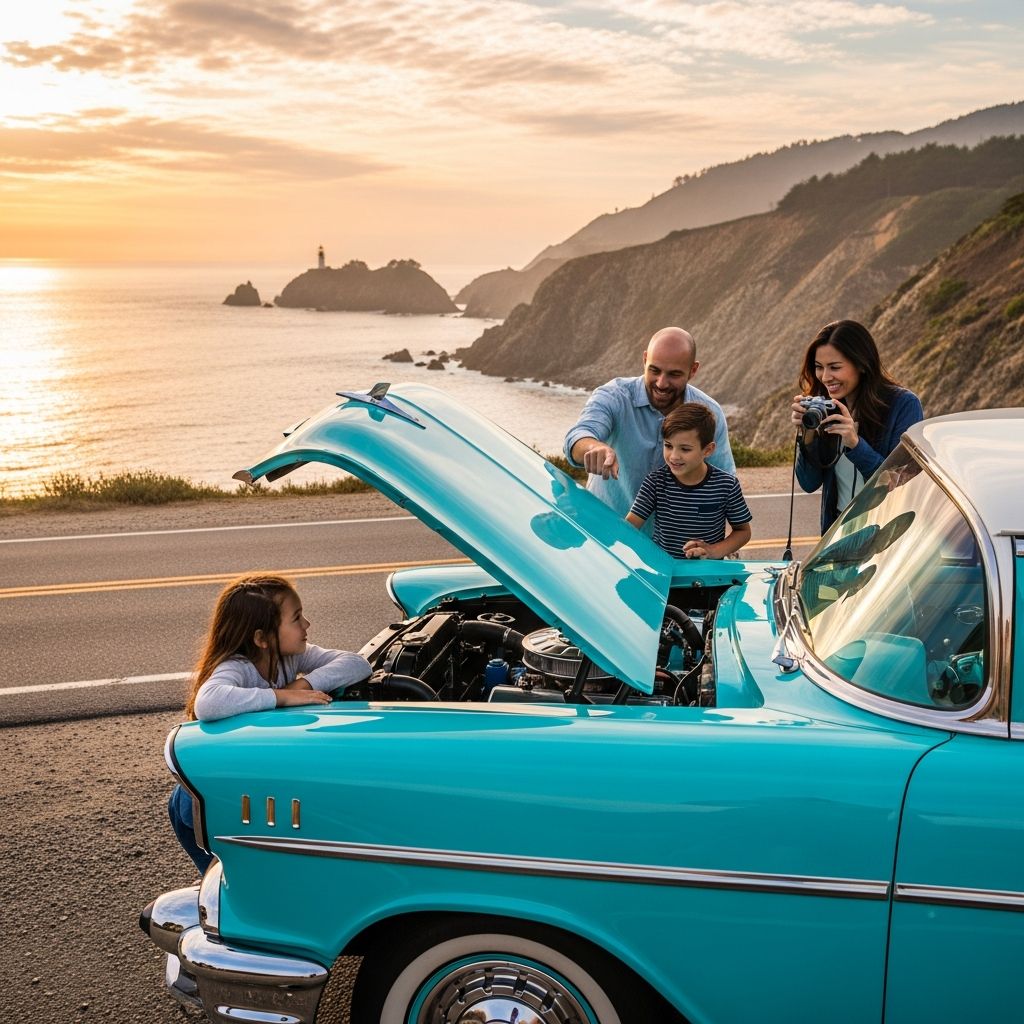
Plan stops every 2 hours for breaks, using rest areas with playgrounds. Use car seats properly installed and adjusted for each child. Download audiobooks or podcasts suited for family listening.
Packing Essentials Without Overloading
Pack light yet thoroughly, focusing on versatile clothing and must-haves. Use packing cubes to organize by family member and activity type.
- Clothing: Layers for variable weather, comfortable shoes, swimwear, hats, and rain gear.
- Health Kit: Medications, bandages, thermometer, sunscreen (SPF 30+), insect repellent, and hand sanitizer.
- Entertainment: Tablets with downloaded content, books, small toys, travel games, and headphones.
- Practical Items: Reusable water bottles, snacks, laundry bags, portable charger, and ID copies.
For infants, include formula, bottles, pacifiers, and portable crib if needed. Create a ‘daypack’ for excursions with immediate necessities.
Selecting Family-Friendly Lodging
Choose accommodations with family suites, cribs, high chairs, and kids’ menus. Resorts often provide pools, kids’ clubs, and on-site activities. Vacation rentals offer kitchens for home-cooked meals and laundry facilities.
- Verify proximity to attractions and availability of airport shuttles.
- Read recent reviews from families for insights on noise levels and cleanliness.
- Confirm policies on extra beds or connecting rooms.
Maintaining Health and Hygiene on the Go
Prevent illnesses by emphasizing handwashing, safe food choices, and vaccinations. Carry a basic first-aid kit and know local emergency numbers.
Jet Lag Management: Gradually adjust sleep schedules pre-trip. Expose kids to natural light upon arrival and maintain routines for meals and naps.
Common Issues:
- Ear Pain: Use decongestants or chewing gum for older kids; nurse or bottle-feed infants.
- Motion Sickness: Seat children mid-vehicle, avoid heavy meals, use acupressure bands.
- Constipation: Encourage water intake and high-fiber snacks like fruits.
For sun protection, apply broad-spectrum sunscreen every 2 hours and use UPF clothing. Stay hydrated, aiming for half body weight in ounces daily per child.
Daily Routines and Child Comfort
Stick to familiar schedules for sleep, meals, and play to provide stability. Allow downtime to prevent meltdowns.
- Wake times aligned with home.
- Consistent bedtime rituals like reading.
- Healthy snacks every 2-3 hours.
Engaging Activities to Spark Joy
Balance structured outings with free play. Seek beaches, parks, zoos, or interactive museums. Involve kids in planning to build excitement.
For Disney-inspired trips, consider real-world locales like Italy’s colorful villages or Hawaii’s beaches, timing for milder weather.
Navigating Airport and Security Smoothness
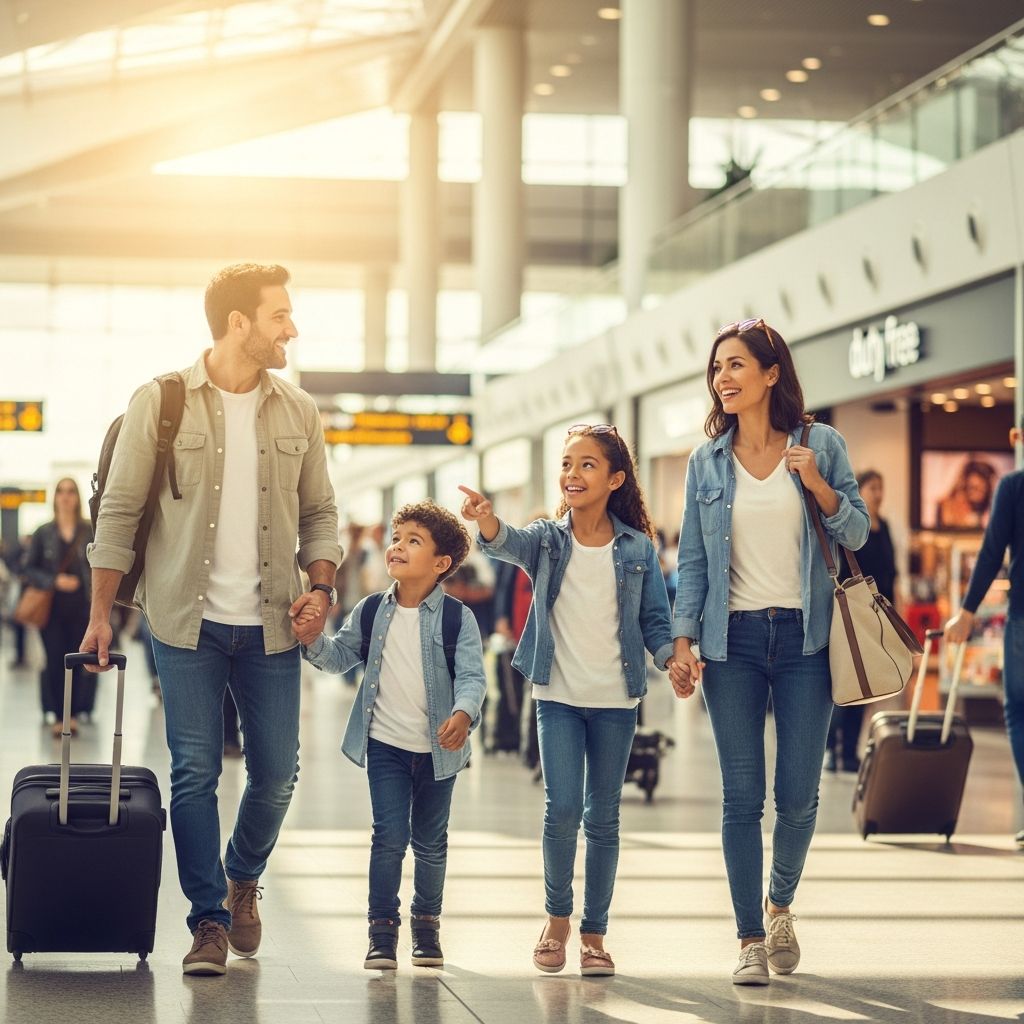
Arrive 3 hours early for international flights. Pre-board if available for families. Use child ID tags on luggage and clothing.
Budgeting Wisely for Family Adventures
Track expenses for flights, lodging, food, and activities. Look for family deals, multi-attraction passes, and off-peak travel.
Frequently Asked Questions (FAQs)
What should I pack for a baby on a long flight?
Diapers, extra outfits, pacifiers, bottles, blankets, and comfort toys. Include fever reducers and a doctor-approved decongestant.
How do I handle picky eaters abroad?
Research menus, pack familiar snacks, and introduce new foods gradually. Choose accommodations with kitchens for simple meals.
What’s the best way to beat jet lag with kids?
Shift schedules before departure, stay awake until local bedtime, and use sunlight exposure. Melatonin may help older children after consulting a doctor.
Are all-inclusive resorts worth it for families?
Yes, for hassle-free dining and activities, especially with young kids. Compare inclusions like kids’ programs and water sports.
How can I keep teens engaged on vacation?
Incorporate adventure like zip-lining or cultural tours. Allow input on itinerary and free time for personal exploration.
Safety First: Protecting Your Family
Teach children emergency contact info and ‘meet-up’ spots. Use life jackets near water, helmets for biking. Monitor for dehydration signs like dry lips or lethargy.
In crowded areas, dress kids in bright colors and use wristbands with your phone number. For driving, ensure all are buckled and avoid phones.
References
- 5 Things to Keep in Mind While Planning your 2026 Family Travel — Bebe Voyage. 2026. https://bebevoyage.com/5-things-to-keep-in-mind-while-planning-your-2026-family-travel/
- 7 Family Spring Break Travel Ideas for 2026 — AAA Trip Canvas. 2026. https://www.aaa.com/tripcanvas/article/family-spring-break-travel-ideas-for-2026-CM1672
- Top 10 Family Vacation Destinations for 2026 — Journeys Inc. 2026. https://journeysinc.com/blog/top-10-family-vacation-destinations-for-2026/
- Vacation Planning 2026: The Best Family Travel Destinations — The Urban Kids. 2026. https://www.theurbankids.com/en/vacation-planning-2026/
- Family Holiday Planning 2026: Essential Tips & Travel Guide — Zinc Sports. 2026. https://zincsports.com/blogs/adventures-with-flyte/things-to-consider-when-planning-a-family-holiday-for-2026