Family traditions are not about elaborate projects, perfect photos, or doing what everyone else does. They are the small, repeatable moments that quietly tell a child, “You belong here. This is your place. You are loved.” When chosen with care and practiced with warmth, these traditions become emotional anchors that help kids feel safe, seen, and connected.
Why Traditions Matter More Than Big Moments
Children experience the world as a swirl of newness: changing teachers, growing bodies, shifting friendships, and unfamiliar challenges. Family traditions act like steady handrails in that swirl, offering comforting predictability in the form of small, repeated rituals. Over time, these patterns shape how children see themselves, their family, and the world.
What makes traditions powerful is not their size or expense, but their consistency and emotional tone. A weekly pancake breakfast can have more lasting impact than a once-in-a-lifetime vacation if it reliably delivers connection, laughter, and a sense of being cherished.
The Hidden Psychology of Family Rituals
At their core, traditions are predictable moments of connection. They help a child’s nervous system relax because the child knows what will happen and what role they play. This softens anxiety, reduces power struggles, and supports emotional regulation.
When a tradition repeats over months and years, the child begins to internalize its message: “I am not alone. There are people and patterns I can rely on.” That quiet confidence fuels resilience, self-worth, and the courage to handle change.
Key Benefits of Simple Family Traditions
Healthy traditions do a remarkable amount of emotional heavy lifting in family life. Without any lectures, they transmit values, soothe stress, and deepen trust.
- Emotional security: Regular rituals tell children that even when life is unpredictable, some things are steady and safe.
- Sense of identity: Traditions help kids answer, “Who are we as a family?” and, in turn, “Who am I?”
- Connection and belonging: Shared rituals remind everyone, “We do this together; we are on the same team.”
- Values in action: Repeated practices make kindness, gratitude, generosity, or faith tangible instead of abstract.
- Resilience through change: During moves, separations, losses, or new siblings, familiar traditions reassure children that their family story still holds them.
Traditions, Routines, and Rituals: What’s the Difference?
People often use these words interchangeably, but understanding the differences can help you design traditions that actually feel meaningful rather than like extra chores. At a basic level, all three are repeated patterns, yet they carry different emotional weights.
| Type | Main Purpose | Example | Emotional Tone |
|---|---|---|---|
| Routine | Get practical tasks done efficiently | Brush teeth, pack school bag, bedtime checklist | Neutral or functional |
| Ritual | Add meaning or connection to a moment | Special goodbye handshake, song before sleep | Warm, personal, connective |
| Tradition | Create shared memories over long periods | Weekly game night, first-day-of-school photo spot | Identity-building and memorable |
Routines keep life moving; rituals and traditions add heart. You can turn many existing routines into rituals simply by adding intention, eye contact, and a tiny touch of playfulness.
Principles for Healthy, Low-Stress Traditions
The most sustainable traditions are simple, flexible, and rooted in real connection rather than performance. Before starting something new, it helps to sanity-check the idea against a few gentle guidelines.
- Keep it doable: Choose rituals that fit your actual energy, time, and budget on an average week, not your “fantasy parent” day.
- Focus on feelings, not outcomes: Aim for feelings like “cozy,” “seen,” or “silly” instead of perfect behavior or social-media-worthy results.
- Involve your kids: Ask for their ideas and let them help shape or lead parts of the tradition so it feels like “ours,” not “yours.”
- Expect evolution: Allow your traditions to shift as children grow, schedules change, or needs emerge.
- Drop guilt: Missing a week, season, or year does not erase the value of what you’ve built together.
Everyday Micro-Traditions That Make a Big Difference
Not every tradition needs to be tied to holidays or milestones. In fact, the small, daily or weekly rituals often carry the strongest emotional charge because they are woven directly into ordinary life.
Morning Connection Rituals
The way a day begins can influence a child’s mood and nervous system for hours. A calm, playful, or affectionate micro-tradition in the morning helps children face the world feeling supported instead of rushed or alone.
- A short “morning cuddle minute” where each child gets a quick snuggle or backrub before the bustle starts.
- A silly “wake-up song” or phrase that you repeat each school day.
- A shared moment at the window to notice the weather and name one thing each person is looking forward to.
Mealtime Traditions That Build Conversation
Regular meals together—whether breakfast, lunch, or dinner—offer a built-in opportunity for repeated, low-pressure connection. Even if you can only manage one shared meal most days, layering in a simple tradition can transform it from chaos to connection.
- Beginning the meal with one word to describe your day and letting others ask gentle follow-up questions.
- Rotating a “conversation captain” who chooses a fun question for everyone to answer.
- Lighting a candle and taking a breath together before eating to signal a shift from busy mode to together mode.
Bedtime Rituals for Emotional Safety
Bedtime is a natural container for connection. As children wind down, their worries and curiosities often float to the surface. A predictable, calming ritual here teaches kids that the end of the day is a safe time to share and receive comfort.
- A consistent “three-part bedtime” like: story, gratitude, and a short, affectionate phrase you always say.
- A gentle “worry check” where your child can tell you one thing on their mind and you listen without rushing to fix.
- A brief touch ritual: a forehead kiss, a “goodnight squeeze,” or tracing a heart on their back.
Weekly Traditions Kids Look Forward To
Weekly traditions give children short-term events to anticipate. Knowing that something special happens every Friday or Sunday helps them pace their week and gives them a concrete light at the end of the tunnel.
- Theme night: A “silly socks Sunday,” “pasta night,” or “indoor picnic Friday” that repeats most weeks.
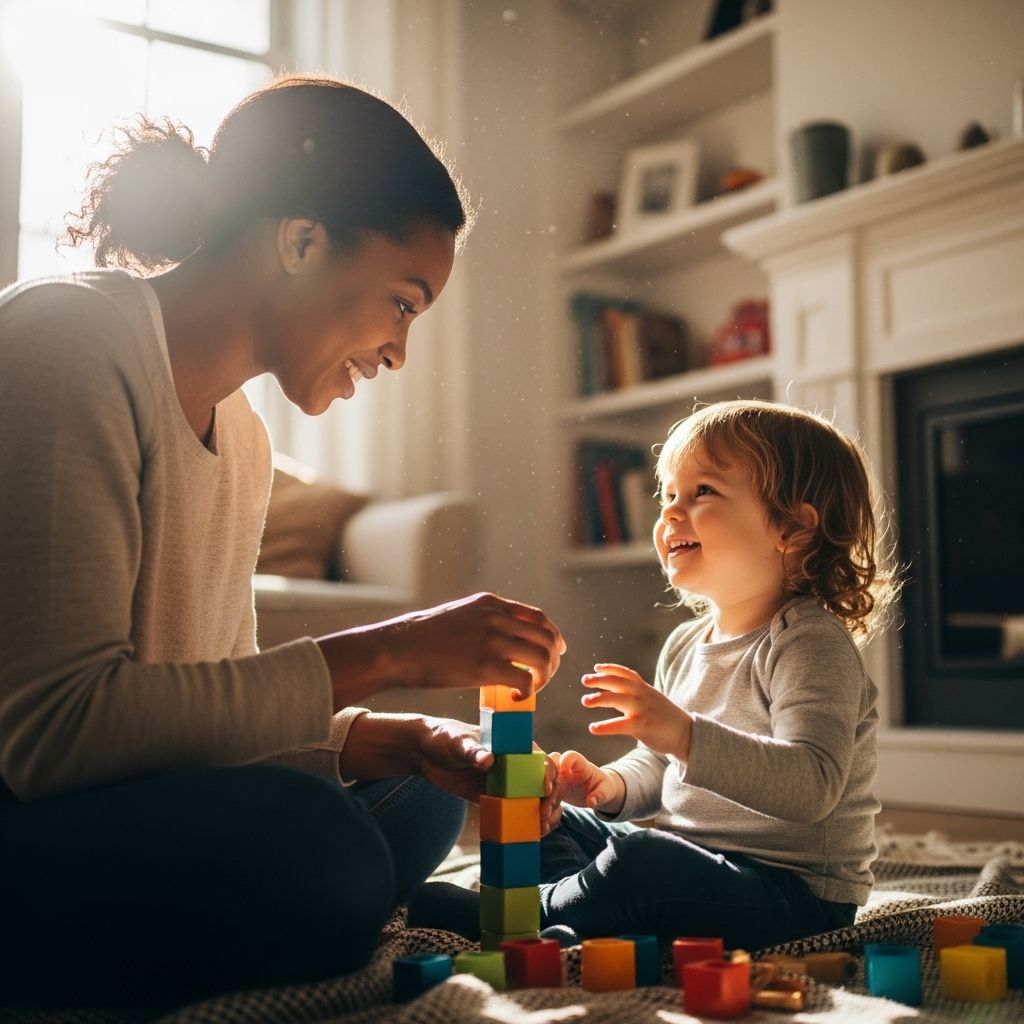
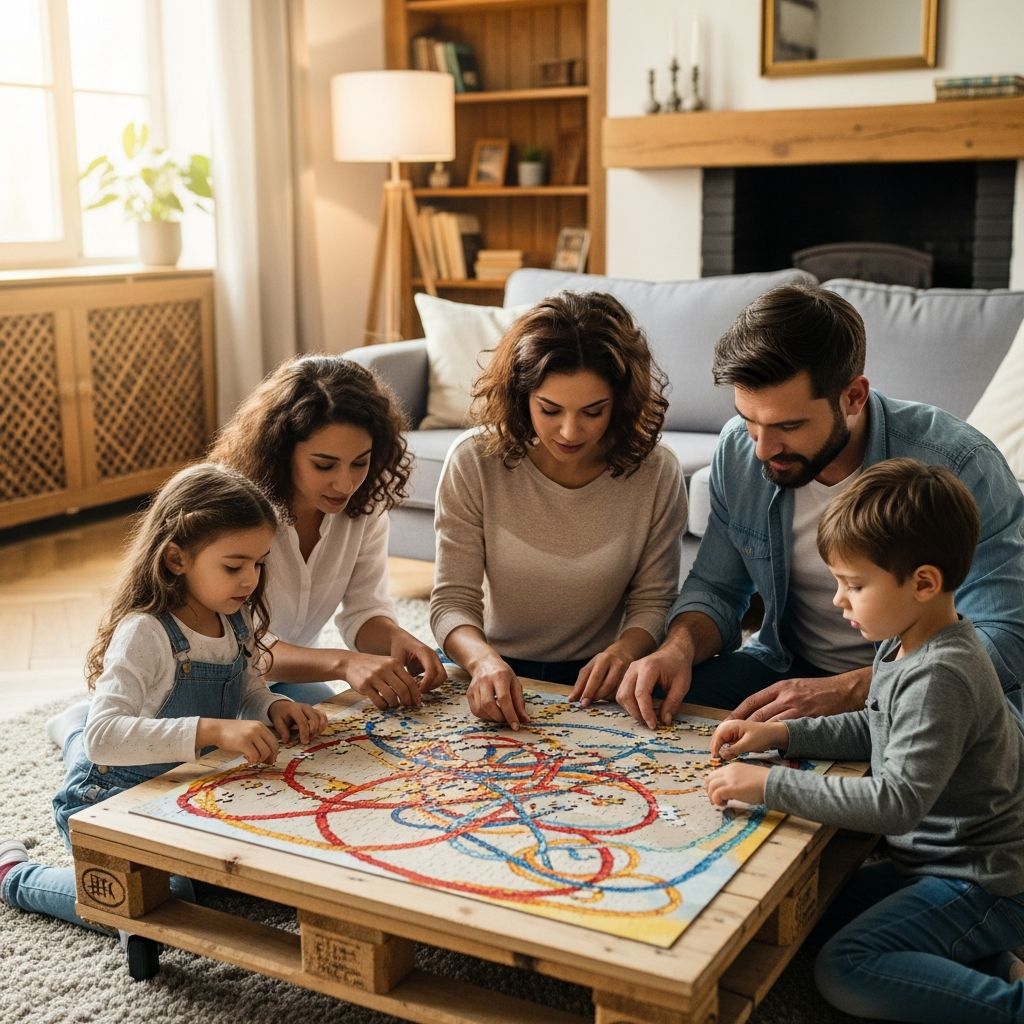
- Family fun hour: A set block of time for games, music, drawing together, or outdoor play.
- One-on-one rotation: Each week, one child gets a short “special time” with a parent—no screens, no multitasking, just presence.
- Nature moment: A weekly walk, park visit, or sky-watching ritual that reminds everyone you are part of something larger than the to-do list.
These weekly patterns do not need to be perfectly consistent to matter. What counts is that they are frequent enough to feel like “just what our family does” rather than a rare treat.
Seasonal and Holiday Traditions Without the Stress
Holidays often come with pressure: to cook, decorate, host, travel, or spend in ways that may not match your values or bandwidth. Meaningful traditions cut through that noise by focusing on connection, not comparison. You can intentionally choose a handful of low-stress customs and let the rest go.
- Create one small, repeatable ritual for each major holiday that truly matters to you, like a specific song, walk, or shared story.
- Choose one simple way your family gives during the season, such as donating items together or making cards for neighbors.
- Introduce a seasonal “reset ritual”—for example, reflecting on what you want more of and less of as each new year or school term begins.
Over time, your children will associate these seasons not with stress or perfectionism, but with shared meaning, warmth, and a sense that your family stands for something beyond shopping and schedules.
Traditions for Big Transitions and Tough Times
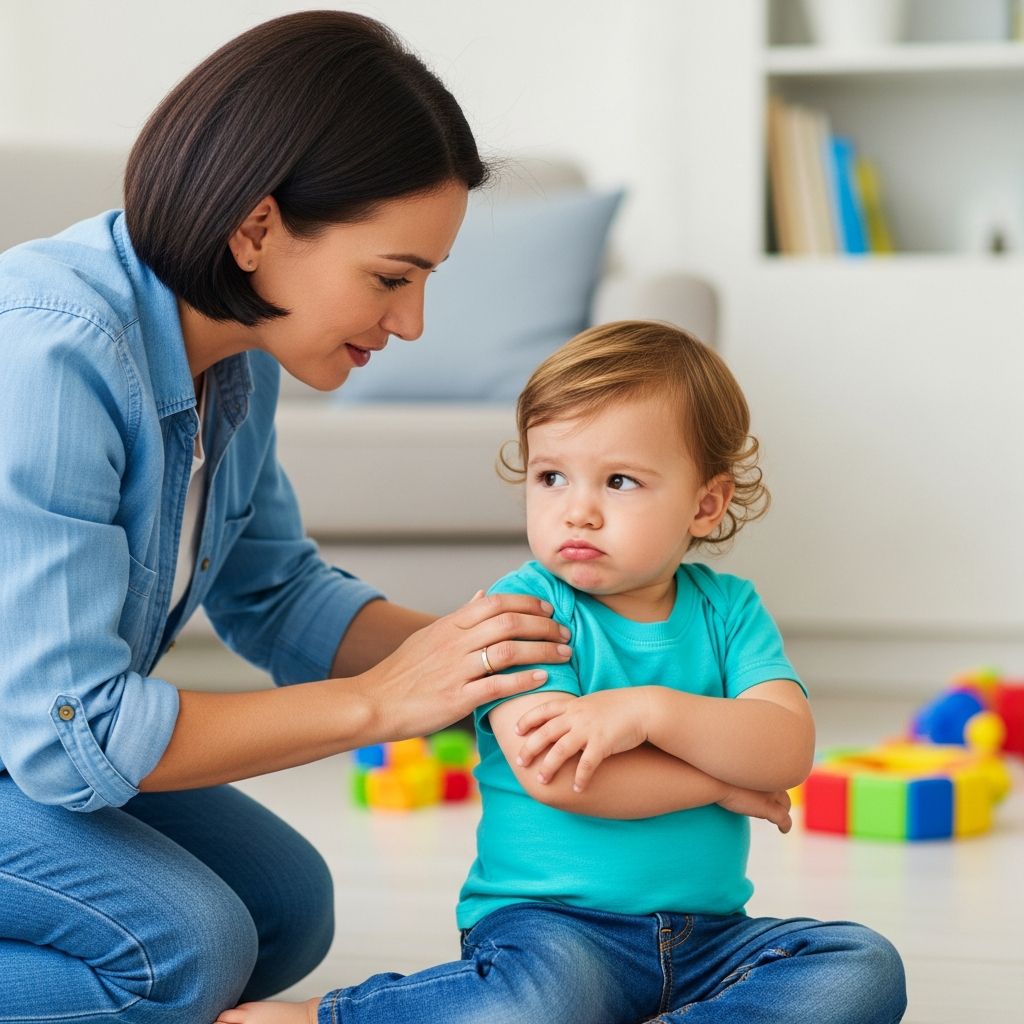
Life inevitably brings change: a new baby, a move, illness, divorce, or loss. During these times, children may feel unmoored, even if adults are doing everything “right.” Gentle, predictable traditions can become lifelines that reassure kids their world is still held together by love.
- After a move, establish a “first-night ritual” in each new home: maybe a picnic on the floor and a tour by flashlight.
- During grief, create a small remembrance tradition, like lighting a candle and telling one story about the person you miss.
- When schedules or living arrangements change, decide on a steady “handoff ritual”—a particular goodbye and hello that happens every time.
The goal in hard seasons is not to pretend everything is normal, but to signal that some things—your care, your presence, your way of showing up—are still solid.
Involving Children in Creating Traditions
Children are more invested in traditions they help design. Inviting their input not only ensures your rituals fit their personalities; it also gives them a sense of agency and respect. They learn that their voice shapes family life, not just their behavior.
- Hold a brief “family brainstorm” once or twice a year to ask what everyone loves about your current traditions and what they’d like to tweak.
- Offer choices: “Would you rather keep reading together at bedtime, or switch to drawing and talking for a while?”
- Let kids lead parts of the ritual when possible, such as choosing the song, picking a game, or asking the discussion question.
As children grow older, your role shifts from architect to collaborator. Traditions that survive into adolescence usually do so because teens had room to reshape them, not because parents insisted on preserving them unchanged.
How to Start (or Restart) Traditions Without Overwhelm
If you did not grow up with warm traditions—or if yours were tied to conflict, control, or stress—it can feel daunting to create new ones. The good news is that you are free to design customs that match your current values and life, not your past.
Step-by-Step Guide to Creating a New Tradition
- Choose one moment: Pick a time that already happens reliably—such as bedtime, Sunday afternoon, or the car ride home from school.
- Clarify the feeling: Decide what emotion you want to cultivate: calm, silliness, gratitude, comfort, or courage.
- Add a small action: Attach a tiny, repeatable behavior that expresses that feeling, like a song, phrase, question, or physical gesture.
- Test and adjust: Try it for a week or two. If it creates tension, shrink or adjust it rather than forcing it.
- Name it: Giving the tradition a nickname helps kids recognize it as something special that belongs to your family story.
Begin with one or two simple traditions and let others grow organically. Trying to overhaul every part of family life at once usually leads to burnout rather than bonding.
A Gentle Check-In: Is This Tradition Still Serving Us?
Even well-loved traditions can outgrow their usefulness. What felt magical with a toddler may feel forced with a teenager; what worked in one season of your life might not fit another. Periodically checking in can prevent resentment and keep your rituals aligned with your evolving family.
- Notice your body: If a tradition consistently brings dread rather than warmth, it may need to shrink, shift, or end.
- Listen to your kids: Comments like “Do we have to?” can be an invitation to co-create something that fits who they are now.
- Ask three questions: Does this tradition connect us? Does it reflect our values today? Is it doable most of the time?
Letting go of a tradition is not a failure. It is a sign that your family is alive, growing, and capable of choosing what truly nurtures you.
Frequently Asked Questions About Family Traditions
What if my kids resist the new tradition?
Resistance is common, especially when children are tired, stressed, or unsure about change. Start very small, keep the mood light, and invite feedback after a few tries. If the tradition becomes another power struggle, it is better to simplify or redesign it than to insist on “togetherness” that feels forced.
Do traditions still matter with teenagers?
Yes, but they often need to look different. Teens typically respond better to traditions that respect their time and independence, such as a regular late-night snack chat, a shared TV series, or an annual activity they help choose. The key is collaboration and flexibility, not clinging to what worked in early childhood.
Can divorced or blended families build strong traditions?
Absolutely. In fact, thoughtful traditions can be especially stabilizing when children move between homes or family structures shift. Even if schedules are complex, each household can create its own small rituals, and co-parents can coordinate one or two shared customs so children experience continuity rather than fragmentation.
What if I have limited time or money?
Some of the richest traditions cost nothing and take only a few minutes. A repeated bedtime phrase, a weekly board game borrowed from the library, or a short walk together can leave deeper emotional marks than expensive outings. Consistency and presence matter more than materials or settings.
How many traditions should a family have?
There is no magic number. Too many traditions can turn into pressure and clutter; too few can leave family life feeling unmoored. Aim for a handful of daily or weekly rituals that feel nourishing, plus a small number of seasonal or holiday customs that genuinely fit your values and bandwidth.
Crafting a Family Story Worth Repeating
Every tradition you build becomes a sentence in your family’s ongoing story. When your children look back, they may not remember every chore chart or every meltdown, but they will remember the way you always sang in the car, the way you whispered the same words before sleep, or the way Friday evenings felt like a soft landing.
You do not need to be perfect, endlessly patient, or relentlessly creative to give your children the gift of meaningful traditions. You only need to choose a few small, loving routines, return to them more often than not, and let them quietly whisper the message every child longs to hear: “You are welcome here, just as you are.”